
Blog
Dental hygiene tips for healthy teeth & gums
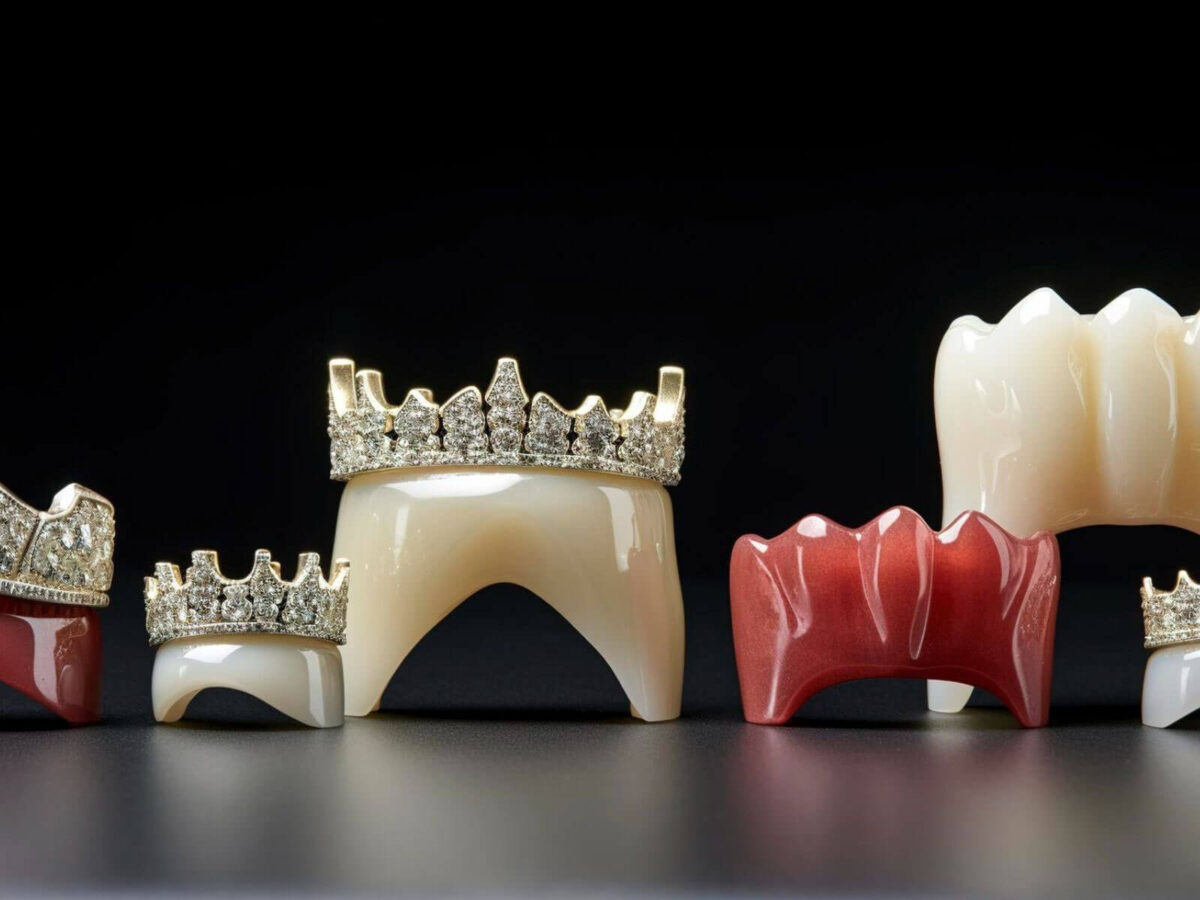
Veneers vs Crowns: What’s the Difference?
A tooth gets damaged, and choices follow. Sometimes quickly. That is when veneers vs crowns comes up, often before much detail is shared. Both can improve how a tooth looks. Both offer protection. They are just meant for different kinds of problems, which is why the suggestion can feel unclear at first.
One works mostly on the visible surface. The other supports more of the tooth underneath. That difference affects strength, coverage, and how much natural tooth stays involved. Once that part is understood, the decision usually feels less confusing.
What A Veneer Is And What It Does
A veneer is a very thin layer placed over the front of a tooth. It covers what shows when you smile. Things like stains that do not respond to whitening or uneven edges are where veneers usually come in. The focus stays on what is visible. No more is changed than needed. Each veneer is shaped and coloured to match, so it fits in quietly with the surrounding teeth. Most of the original tooth stays in place underneath. Only a small amount of surface is adjusted so the veneer can sit properly.
Veneers are usually chosen when there is no more serious damage to fix. They are more about looks than mechanics. In many cases, fixing just the visible surface does the job. That simple change is often all it takes to feel at ease smiling again.
What A Crown Is And Why It Is Used
A crown sits over the entire visible part of a tooth, almost like a fitted cover. This choice usually comes up when a tooth is no longer strong on its own. Cracks, heavy decay, or old fillings can cause that. Teeth after a root canal often need the same support. A crown covers the tooth and supports it when you chew. It helps the tooth look right again and feel solid. When biting pressure is high, this kind of full coverage usually makes the tooth feel more secure.
Material Differences — What Each Is Made From
Veneers and crowns are often ceramic. The goal is a colour that looks natural. Porcelain is used a lot because it reflects light well and doesn’t dull easily. A metal base is used in certain crowns to add support. This is common for back teeth that handle strong chewing. Veneers do not usually need that and may use composite resin instead. That choice is usually made when speed or budget matters more.
Material affects more than just looks. It affects strength. Porcelain tends to look the same for longer. It does not stain as easily. Crowns with a metal base can stay strong for a long time. The downside is that the gum line may darken as they age. This is one of the small but important points in dental crowns vs veneers, especially for teeth that take more bite force.
How The Dentist Prepares The Tooth For Each
Veneer preparation removes a thin layer from the front surface. The goal is to make space for the shell so the tooth does not look bulky. The work is conservative compared with crowns. Crowns require more reshaping because the entire tooth surface is reduced to let the cap fit over.
Both procedures may use a temporary cover while the final piece is made. The lab work and bonding steps differ, but the focus remains the same: fit, colour, and comfort.
How They Look And How Natural They Feel
A well-made veneer usually blends in without much effort. On front teeth, it often feels natural right away. The tooth keeps its original shape. Because of that, the bite usually stays the same. Crowns are different. They reshape the tooth completely, which can feel odd for a short time. Most mouths adjust faster than expected.
How the tooth looks in the end depends a lot on the work behind it. Skill matters here. When the dentist and lab work well together, the result looks normal, not obvious. This point comes up many times with veneers vs crowns, mainly for front teeth, where small changes are easier to see.
How Long Does Each Last
Crowns are built for strength. They hold up well when the chewing force is high and tend to last longer in those spots. Veneers are different. They can last a long time too, but only when they are placed on teeth that are not under much stress. Both need upkeep.
Habits build up slowly. Clenching adds stress and can reduce the lifespan of dental work. So can chewing hard things or missing dental visits. Protection, like a night guard, helps some people avoid early damage. These factors matter when comparing dental crowns vs veneers, sometimes more than the material choice itself.
Cost Differences In Simple Terms
Costs vary by material, clinic, and region. Veneers are often cheaper per tooth than full ceramic crowns when only the front surface is involved. But a good quality porcelain veneer and finely done crowns may sit in similar price ranges. The full plan cost depends on how many teeth and what prep work is needed.
A clear estimate from a trusted clinic makes the numbers useful. Asking what is included prevents surprises.
When A Veneer Is Usually The Right Choice
Veneers fit when the tooth needs a cosmetic touch. Small chips, minor gaps, stubborn stains, and slight shape fixes are common reasons. When the tooth has strong walls and the bite is normal, a veneer preserves more of the natural tooth and gives a very natural look.
When A Crown Is Usually The Safer Choice
Crowns are usually chosen when strength matters more than minimal coverage. Large breaks, wide older fillings, or teeth that have already had root canal treatment often need that extra support. Back teeth, especially those used heavily for chewing, tend to last longer under crowns. The decision often leans toward durability instead of being conservative with tooth removal.
Care And Maintenance For Both Options
Care routines stay familiar. Gentle brushing works better than pressure. A soft brush is enough. Daily cleaning between teeth makes a real difference. Problems are easier to spot during regular checkups. Avoiding hard biting habits helps too, especially over time.
Grinding changes things. If that is an issue, asking about a night guard can help protect both the work and the natural teeth nearby. These everyday habits are part of the veneers vs crowns decision, even though they do not always get much attention.
Matching The Choice To Life And Budget
If appearance is the main goal and the tooth structure is strong, veneers often match the need. When strength matters most, a crown makes more sense. It supports the whole tooth. The best plan balances look, function, and budget. A careful exam and a clear talk with the dentist show the right path.
Final Thought And A Simple Next Step
While veneers vs crowns can both improve a tooth’s look and function, they are meant for different situations. The choice depends less on appearance and more on what remains of the tooth. Strength comes first. Looks follow after. Position matters too. Front teeth and back teeth carry very different loads.
Long-term goals also play a role, whether the focus is on looks, strength, or simply keeping the tooth stable. A short visit usually clears this up. X-rays, a quick exam, and a few direct questions help more than online searching. Asking for a simple talk and a clear estimate usually makes the decision feel calmer and more grounded.

