
Blog
Dental hygiene tips for healthy teeth & gums
Why Are They Called Wisdom Teeth?
What The Name “Wisdom Teeth” Actually Refers To
The name can feel a little unusual at first. Teeth are usually named for their position or purpose. Not something like wisdom. That is why people stop and ask, why are they called wisdom teeth.
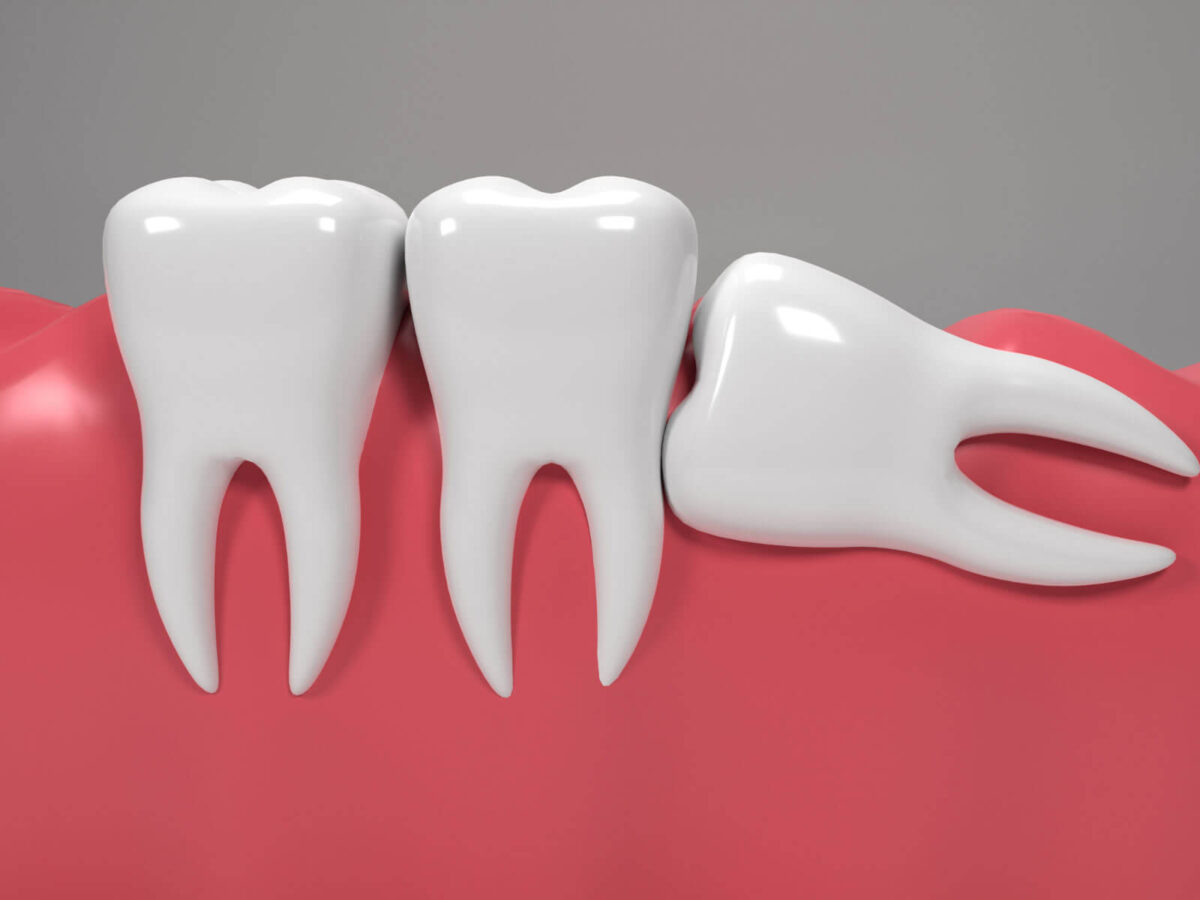
These are the third molars, and they do not come in early. They take their time. For most people, they show up in the late teens. Sometimes a bit later, into the early twenties. By then, life already feels different. You are not a child anymore.
That timing is really what shaped the name. Not the teeth themselves. Just the stage they show up in. People long ago linked that phase with growing up, and the name stayed. Even now, with everything we know about dental care, that part has not really changed.
You will usually see these teeth come in during early adulthood. The American Association of Oral and Maxillofacial Surgeons puts that somewhere around 17 to 25. That timing still explains the name better than anything else.
Why Timing Plays Such An Important Role In The Name
Most permanent teeth arrive early. By the age of twelve or thirteen, nearly all adult teeth have already come in. Wisdom teeth break that pattern. They arrive later. Sometimes much later. This delay is the main reason behind the name.
When people ask, “Why is it called the wisdom tooth?”, the answer often comes back to timing rather than function. These teeth are associated with a period of life when individuals are expected to have gained more experience.
The link is more symbolic. It reflects how people once understood growth and maturity, not just the physical side of it.
How People In The Past Saw Wisdom Teeth
The idea of linking wisdom to these teeth is not something new. Long ago, people saw that these molars came in later than the rest. That timing made them connect it with growing up. In certain traditions, it was taken as a sign that a person was no longer a child. That is where the spiritual meaning of wisdom teeth begins to come in.
It was not really the teeth that people focused on. It was what they seemed to mean. Since they came in later, they got linked to adulthood. A stage where you had to start figuring things out on your own. Even now, those ideas still stick around.
What Wisdom Teeth Have Been Thought To Mean
When people talk about the spiritual meaning of wisdom teeth, it usually comes back to growth. It is not just physical. It also feels personal. Some take it as a sign of growth. Others see it as part of change. It often comes at a time when people start understanding themselves a bit more. Because of that, it often gets linked to personal change. These ideas are not scientific, but they still play a role in how people think about “why are they called wisdom teeth”.
Why Modern Dentistry Uses A Different Perspective
In dentistry, wisdom teeth are simply the third molars that appear later than the rest. They are part of the normal growth of the mouth. Dentists focus more on how they develop, how they align, and whether they cause any problems. The name does not really change what they do. Still, people have kept using it for years.
It is still what people say in clinics and everyday conversations. This shows how language can carry older ideas forward, even when the scientific understanding behind it has moved on and changed over time.
How Evolution May Have Influenced Wisdom Teeth
There is another angle to consider. Human jaws have changed over time. Early humans had larger jaws. Back then, more teeth helped with tougher foods, and wisdom teeth fit right into that.
Over time, diets changed. Jaws became smaller. Space became limited. This is why many people experience crowding or impaction today.
According to research published by the National Library of Medicine, modern humans often have insufficient space for wisdom teeth due to evolutionary changes in jaw size.
This evolutionary shift does not explain “Why is it called the wisdom tooth”, but it does explain why these teeth often cause issues now.
Why Wisdom Teeth Do Not Always Grow The Same Way
Not everyone has the same experience with wisdom teeth. You might get all four, or you might not. Even then, they do not always come in completely. They can stay trapped or grow in a different direction.
Because of this, they are not as essential as other teeth. They are part of development, but not always useful. The name, though, does not change. People continue to call them wisdom teeth regardless of how they grow.
What The Name Says About How People See It
The name “wisdom teeth” shows how people connect physical changes with life stages. A big reason is that the name is easy to understand. There is a meaning attached to it. Asking “Why are they called wisdom teeth?” shifts the focus away from biology and more toward how people interpret it.
It shows how humans tend to attach significance to natural processes. Growth is not just physical. It is also symbolic. It brings a bit more depth to something that could otherwise seem just clinical.
Why The Name Still Makes Sense
Many medical terms change as knowledge evolves. “Wisdom teeth” has remained consistent. The name is easy to understand, and that is a big reason it stuck. It connects to a stage of life that people know. Even as dentistry has advanced, the term still makes sense. It still describes when these teeth appear. That lasting relevance is why the question “Why is it called the wisdom tooth?” continues to come up.
How Views On Wisdom Teeth Have Changed
Today, wisdom teeth are mostly connected with dental visits and sometimes getting them removed. That is what comes to mind for most people now. It is a more practical way of looking at them. But that is not the full story. The older meaning has not completely disappeared. Some people still link these teeth with growing up or personal change. It may not be talked about as much, but the idea still remains.
Others simply see them as another part of dental development. The interpretation depends on perspective. This mix of views keeps the topic interesting. It blends science, history, and personal meaning.
Wisdom teeth removal is quite common. The American Association of Oral and Maxillofacial Surgeons has done its research on it. It has put the numbers at around 85 per cent.
FAQs
Why do these teeth have that name?
They tend to show up when a person is a bit older. That timing is what led people to connect them with maturity.
Is there a reason they are linked with “wisdom”?
The idea comes from age, not the tooth itself. By the time they appear, a person is expected to be more experienced, so the name stuck.
Do they have any deeper or symbolic meaning?
Some people see them as part of growing up or going through change. It is more of a cultural idea than anything scientific.
Are they still useful today?
Not always. In many cases, they do not have enough space. That can cause issues. Which is why they are often removed.
Conclusion
At first, the name “wisdom teeth” does not seem like much. But it comes from the time in life when these teeth appear, a stage people have often linked with maturity. When you think about “why are they called wisdom teeth”, it becomes clear how language and old beliefs still influence how we describe things today.
Something not feeling right with your wisdom teeth? Might be a good time to have your dentist take a look. They can easily explain what is going on and what you can do to take care of them.

