
Blog
Dental hygiene tips for healthy teeth & gums
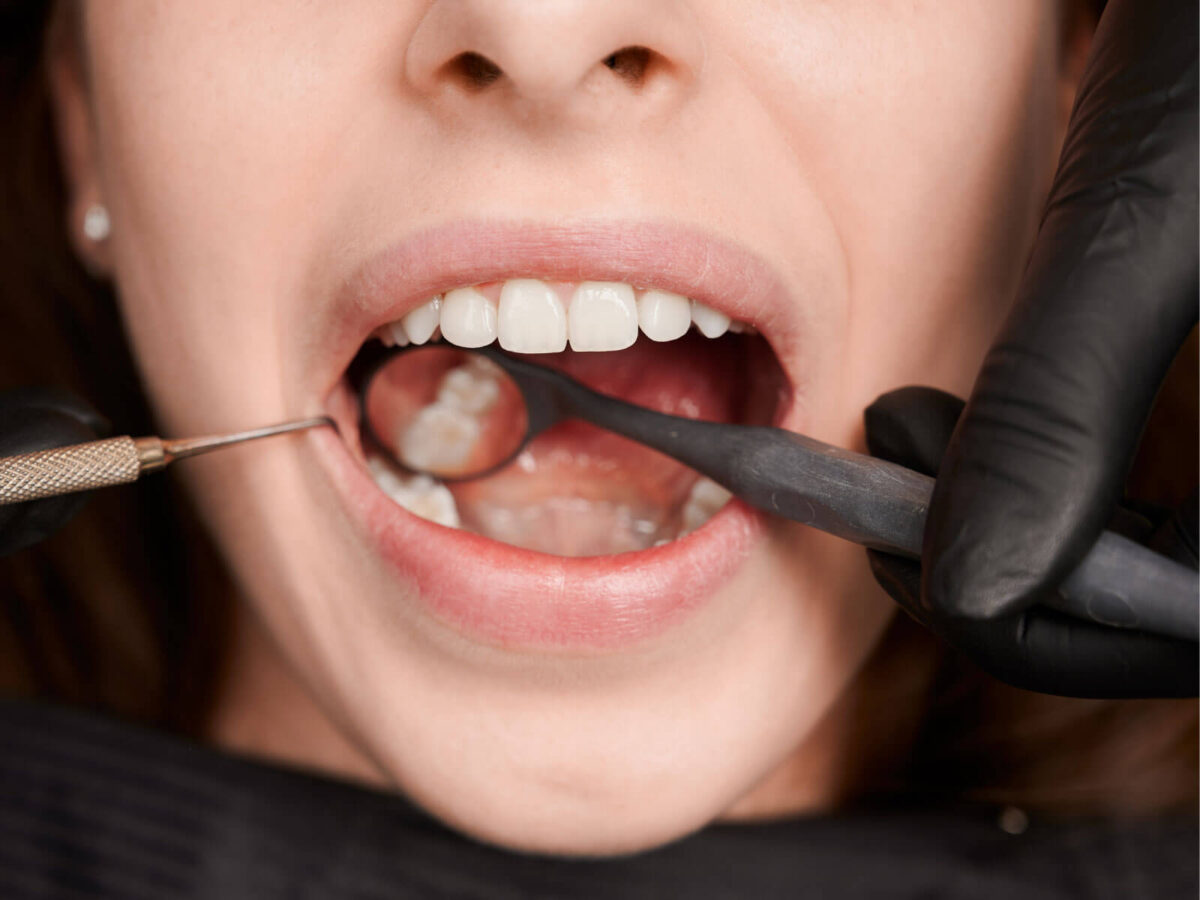
Root Canal Cost in Elgin, TX: What You’ll Pay With & Without Insurance
Root canal treatment cost depends on more than most people expect when walking in. The tooth matters. Front teeth run cheaper than molars. So does whether a crown gets added afterward, and how much insurance actually covers.
Front tooth or back molar changes the price by a lot. So does insured versus uninsured. Below is what the numbers actually look like. A few things move them more than people expect.
TL;DR
Root canal treatment cost typically runs $700 to over $1,800 per tooth. Molars cost more than front teeth, with more canals to clean out and fill. A specialist doing the work usually costs more, too.
Insurance changes the math a lot. Out-of-pocket often lands at a few hundred dollars instead of the full price. Without coverage, expect to pay the full amount, though most offices offer payment plans.
Most people find the price harder to swallow than the actual procedure.
What Is a Root Canal
Bacteria reach the pulp when a cavity goes deep enough or a tooth cracks. That’s usually the start of trouble. Infection spreads from there, into the root and the tissue around it. Swelling and pain tend to follow. Sometimes it becomes a full abscess.
Removing the tooth is one option. A root canal is the other, and it’s usually the one dentists reach for first if the tooth can be saved. MouthHealthy backs this up: the goal of the procedure is keeping the natural tooth in place, not pulling it.
Despite the name, nothing new gets carved into the tooth. The canal’s already there, running down through the root. Treatment just means clearing out what’s infected and sealing it back up.
What Are the Warning Signs
A pimple or boil on the gums shows up sometimes, oozing pus if it’s been building for a while. Swelling near the jaw is common too. A tooth can go loose in its socket, darken compared to its neighbors, or send pain toward the face instead of staying put in one spot.
Not every case announces itself, though. A tooth can carry a real infection with almost no pain at all, sometimes just a dull ache that comes and goes. That’s a big reason dentists don’t rely on how a patient feels alone. X-rays and sensitivity testing catch a lot that symptoms miss on their own.
What Happens During the Procedure
Numbing comes first, always. The dentist then opens a small access point at the top of the tooth. That’s how the infected pulp underneath is reached.
From there, the infected tissue comes out, and the canal gets disinfected. Then comes gutta-percha – a rubbery filling material that packs into the empty space before the tooth is sealed shut. Cleveland Clinic covers this same sequence in more detail.
The whole thing usually takes an hour to an hour and a half. Molars can run longer since there’s more canal to work through. A permanent crown comes at a follow-up visit, after the tooth has had time to settle and the dentist can confirm the infection has cleared.
Is It Painful
With modern anesthesia, no, not really. Pressure during the procedure is normal, and some patients notice it more than others depending on how numb they get. Mild soreness afterward is common too, usually fading on its own within a few days, sometimes helped along with basic over-the-counter pain relief. I’ve heard more than one patient say the appointment itself felt less eventful than the toothache that sent them in.
Pain that gets worse instead of better is the exception worth calling about. That pattern usually points to infected tissue still sitting in there somewhere, and it’s not something to wait out on its own.
What Does Root Canal Treatment Cost in Elgin
Root canal cost in Elgin tends to follow the same general pattern seen everywhere else. Front teeth have a single canal. Molars can have three or four, and take longer to clean out properly.
As a rough range, a front tooth often runs $700 – $1,100. Molars land higher, sometimes $1,000 to $1,800 or more. An endodontic specialist tends to charge more than a general dentist for the same tooth too.
What Pushes the Price Higher
A crown almost always follows a root canal on a back tooth, since the tooth loses structural strength once the pulp’s gone and needs that extra protection. That’s a separate line item, often adding several hundred dollars on top.
Retreating a failed previous root canal costs more than a first attempt on healthy tooth structure. Specialist referrals push the number up too, since endodontists tend to charge more than general dentists.
Curved or unusually shaped canals add time and difficulty to the procedure. A dentist can’t always tell how tricky a canal will be until treatment is already underway. That uncertainty is why some quotes come with a caveat built in.
What Will You Pay With Dental Insurance
Most dental plans cover a portion of root canal treatment, typically bucketed as basic or major depending on the plan. Coverage runs anywhere around 50% – 80% after the deductible, and that range is wide enough to matter.
Annual maximums complicate things further. A low yearly cap can leave a patient owing more than the coverage percentage alone would suggest. Other dental work earlier in the year eats into that cap fast.
Whether the crown gets covered under the same percentage as the root canal is worth confirming too. Plenty of plans treat them as separate line items entirely. That’s the kind of thing that shows up as a surprise on the crown bill if nobody asked ahead of time.
What Will You Pay Without Insurance
A front tooth typically costs $700 – $1,100 out of pocket. A molar runs more, usually $1,000 to $1,800 or higher. Most back-tooth cases need a crown on top of that, usually another $800 to $1,500 billed separately.
Payment plans are common at most dental offices. So is third-party financing. Paying the full amount upfront sometimes gets a small discount, often 5 to 10 percent, instead of spreading it out over months.
Get an Accurate Root Canal Estimate
See what your specific case would actually cost. With or without insurance, no guessing.
Does Waiting Make It Worse
Usually. An untreated infection spreads. In some cases that means draining an abscess. In worse cases, the tooth can’t be saved at all, and extraction plus an implant or bridge ends up replacing what a root canal would’ve handled for less.
An untreated infection doesn’t stop on its own. MouthHealthy points out that bacteria left alone can eat into the bone holding the tooth in place, and losing the tooth entirely becomes a real possibility from there.
FAQ
If I don’t have insurance, how much would I be paying for a root canal?
Somewhere in the $700 – $1,800 range, sometimes more. It depends on the tooth and whether a crown’s part of it.
Does dental insurance cover root canals?
Most of the time, yeah, usually 50 – 80 percent after the deductible. Annual caps can still cut into that, though.
Why do molars cost more than front teeth?
More canals, more work. A molar can have up to four; a front tooth just one.
Is a crown always needed afterward?
For back teeth, pretty much always. Once the nerve’s out, the tooth’s more prone to cracking, and the crown is what keeps that from happening.
Wouldn’t pulling the tooth be cheaper?
Upfront, maybe. Long-term, not really, once an implant or bridge enters the picture to fill that gap.
How many appointments does treatment usually take?
One or two for the root canal, then a separate visit later for the crown once things have settled.
Conclusion
Root canal treatment cost comes down to a few things. Which tooth, mostly. Whether a crown follows, and how much insurance actually covers once the deductible’s met.
Anyone facing a possible root canal is better off with a real estimate for their specific tooth and plan than a guess from a general range. A consultation clears that number up fast.
Ready to Find Out Your Actual Cost?
Get a personalized estimate for your treatment. One visit gets you a real number.

