
Blog
Dental hygiene tips for healthy teeth & gums
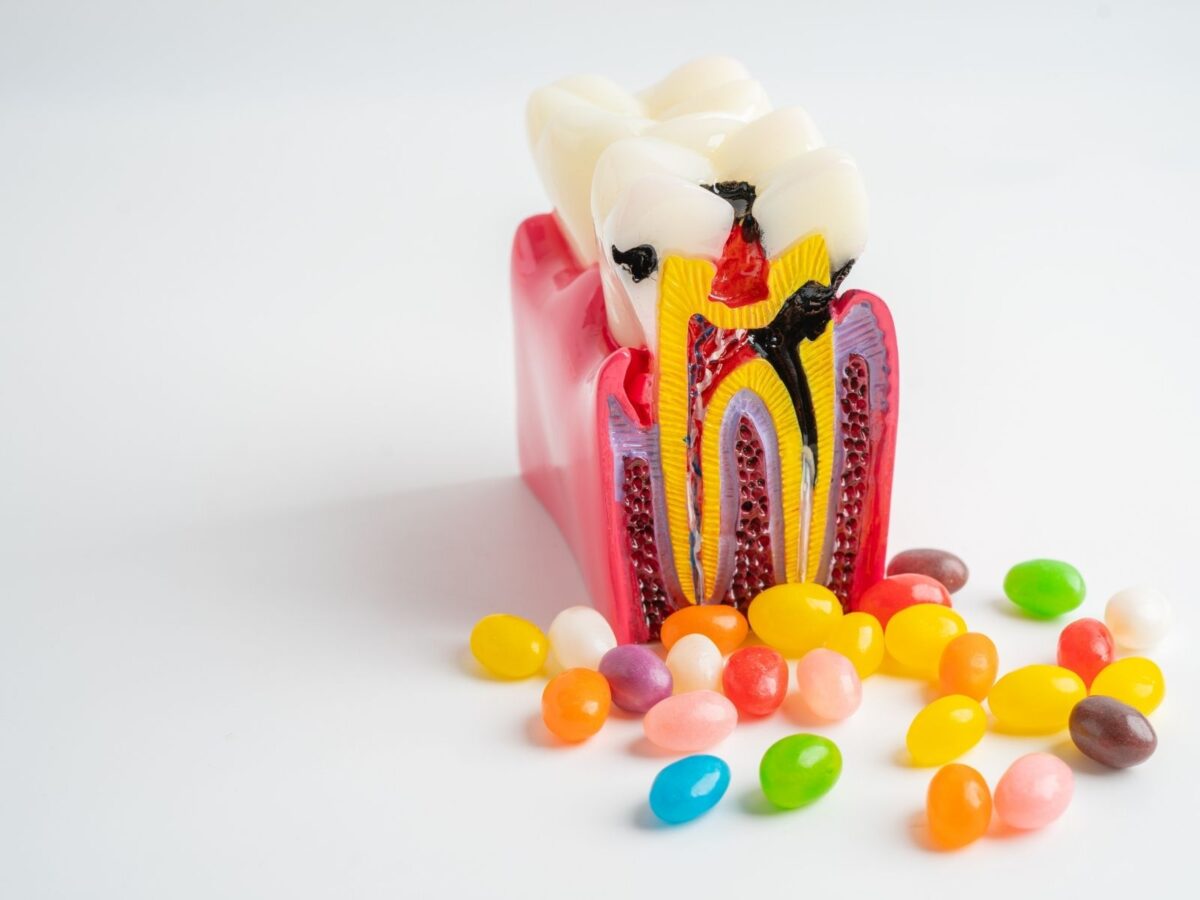
How Does Sugar Damage Your Teeth? The Science Behind Cavities
Most people hear it early on that sugar is bad for their teeth, and it kind of sticks without much thought. You don’t really stop and break it down. You brush your teeth. You try to be a bit careful with sweets. And that’s usually where it ends. It doesn’t seem like something you need to think about much. You just follow it since you’ve always heard it that way.
But when you actually think about it, it’s not very clear. What is sugar actually doing? Because how sugar damages teeth isn’t as straightforward as it sounds. It’s not like sugar just sticks to your teeth and causes damage right away.
It’s slower than that. Nothing really changes in the moment, which makes it easy to ignore. You don’t feel anything happening. And the part that’s easy to miss is this. Sugar on its own isn’t exactly the thing causing the damage. Is it a part of it? Absolutely. Is it the whole story? No.
What Actually Goes On When You Have Sugar
You have something sweet and don’t think much of it after. It might be tea or a biscuit, nothing unusual. Not long after, it just feels finished. Nothing to notice. It doesn’t really end there. Something keeps going, just not in a way that stands out.
There are already bacteria in your mouth all the time. They’re usually not an issue. But when sugar is there, it changes how they behave. They feed on it, slowly, and in that process, acid is produced. Not all at once, nothing sharp or noticeable. It just builds. And that’s where sugar and tooth decay actually start to link together, not instantly, but over time.
Why It’s Not Just Sugar That Matters
You don’t notice anything right away. It just feels like you had something sweet, and that’s it. No difference, no discomfort. But it doesn’t fully stop there. Something continues for a while after, just not in a way that’s obvious. That’s why it usually goes unnoticed.
That acid is what starts affecting your teeth. It slowly weakens the outer layer, the enamel. Enamel is strong, no doubt about that, but it isn’t built to handle constant exposure. Over time, with repeated acid contact, it begins to lose strength. Not suddenly. Not in a way you notice right away. It’s gradual, almost quiet. So when people wonder, “Does sugar cause cavities?”, it’s not a direct yes or no. Sugar sets things in motion. The acid that follows is what actually leads to the damage.
Why It Doesn’t Feel Like Anything at First
If it caused pain right away, people would probably pay more attention to it. But that’s not how it works early on. As enamel begins to weaken, there’s nothing you actually notice. No clear sign, nothing that stands out. That’s why cavities seem to “appear” later. They don’t actually appear suddenly. They’ve been forming slowly in the background.
Frequency Matters More Than Quantity (And That Surprises People)
A lot of people assume it’s just about the amount of sugar. More sugar, more damage. But it’s not really that simple. When it happens matters too. If you have something sugary once and then leave a gap, your mouth has time to recover. Nothing feels different, but it helps.
It changes when it’s spread out across the day. A bit of sugar in tea, then something small to eat, then another drink. It doesn’t really stop in between. Your teeth don’t get a proper break, and that’s where things start to add up. So when looking at “how does sugar affect teeth”, it’s not just the amount. It’s how often it keeps coming back.
Sticky Foods Make It Worse Than You’d Expect
Not all sugar works the same way. Some things just don’t clear off your teeth that easily. Sticky foods, especially. Caramel, certain biscuits, and even dried fruits. They don’t clear off as quickly as you’d think. Some of it just stays there a bit longer. And when it does, things don’t really stop.
That extra time matters more than it seems. You don’t notice it at the time. It just feels normal. But over time, it adds up, which is why some foods still affect sugar and oral health more than you’d expect.
Drinks Are a Quiet Contributor
This part gets overlooked a lot. Sugary drinks don’t feel as serious as solid food. But they coat your teeth in sugar, especially if you sip them slowly over time. That keeps the acid cycle going for longer. Even juices can have a similar effect. So it’s not just about what you eat. It’s about what you sip, and how often.
What Research Actually Says About Sugar and Cavities
People don’t just say sugar leads to cavities for no reason. There’s research behind it. The World Health Organization has pointed out that when sugar intake goes up, the risk of cavities goes up too, especially if brushing isn’t very regular.
There’s also this part that comes up in studies. When free sugar stays under about 10% of what you eat in a day, the risk tends to be lower. Not gone, just lower. So when people mention sugar and tooth decay, it’s not just something that gets repeated. It’s based on actual findings.
Why Cavities Show Up More In Some People
It can get a little confusing here. You might notice two people with similar diets, yet only one has issues with cavities. The truth is, sugar is only one part of it. How often someone brushes matters. Saliva helps in ways people don’t think about much. Even genetics and the type of bacteria in the mouth can shift things.
So while how sugar damages teeth works in a similar way, the results don’t always match from person to person. There’s more going on than just what someone eats.
Can Teeth Heal In The Early Stages
To a certain extent, yes. In the beginning, before a cavity is fully formed, your teeth have a way of recovering slightly. This process is known as remineralization. Saliva helps by reducing acid and restoring some of the lost minerals to the enamel.
That said, this doesn’t continue indefinitely. It works only when the damage is still in the early stage. Once a cavity has formed, it won’t reverse by itself. That’s when treatment becomes necessary.
So, Is It About Avoiding Sugar Completely?
Not really. That’s not practical. It comes down more to balance and just being aware of it. Having sugar occasionally isn’t the problem. Constant exposure is. Letting your teeth recover between meals makes a difference. Brushing properly helps remove plaque before it turns into something more. So the goal isn’t to eliminate sugar entirely. It’s to reduce how often your teeth are exposed to it.
FAQs
How does sugar damage teeth?
Bacteria use sugar and release acid that gradually affects enamel.
Does sugar cause cavities?
It plays a role by starting the chain that leads to cavities.
How does sugar affect teeth?
It keeps acid levels higher, which weakens enamel slowly.
Sugar and oral health – How are they related?
It’s more about how often you have it. Frequent exposure gives less time for your teeth to settle.
Conclusion
The part about how sugar damages teeth is that it doesn’t feel obvious when it starts. Everything seems normal, so it’s easy to miss. It just builds slowly over time.
If sugar shows up often in your day, even in small ways, it might help to notice that pattern. Not in a strict way, just being aware of it. That’s usually where how sugar damages teeth becomes easier to understand. And if you’re unsure, getting your teeth checked once can give you a clearer picture.

