
Blog
Dental hygiene tips for healthy teeth & gums
Oral Cancer: Early Warning Signs You Should Never Ignore
Most people don’t really check inside their mouths unless something is bothering them. Not properly. You brush, rinse, maybe glance for a second, and carry on. If nothing hurts, you don’t really think about it again. And even when something feels off, you tend to leave it and see if it settles. That’s usually how oral cancer signs get missed without much thought.
And that’s also why the early signs of oral cancer tend to slip past people in the beginning. They don’t feel serious. They don’t interrupt your day. They just sit there quietly, in a way that feels easy to ignore.
How It Usually Begins
A small sore, maybe. Or a patch that looks a bit different from the rest of your mouth. It’s not painful. It’s just there. You see it once, then don’t think about it. Then it comes back to your attention a few days later. Even then, it doesn’t feel like something you need to act on.
Because most mouth issues don’t last long. That’s what we’re used to. You get an ulcer, it heals. You bite your cheek, and it settles down. So when something appears, the assumption is that it’ll follow the same pattern. But sometimes it doesn’t. And that’s where the early signs of oral cancer become easy to miss—not because they’re invisible, but because they don’t behave very differently at first.
How Long It Stays Makes A Difference
It might start as something small, like an area that feels different. What matters is that it doesn’t clear up. Even after days or weeks, it stays. Sometimes there’s slight discomfort. Sometimes not. Swallowing might not feel the same as usual. And there can be a slight feeling that something is off.
These are commonly known as mouth cancer warning signs, though in real life, they don’t feel alarming. They just feel like something that didn’t go away.
Where People Usually Notice Changes First
It’s not always in the same place. Sometimes you notice it on the tongue. Other times it’s somewhere along the cheek or near the gums. And sometimes it’s further back, in a spot you don’t really look at unless you’re paying attention. So it doesn’t always stand out right away.
That’s usually how oral cancer signs get missed. When it’s not in a clear spot, you might go days without noticing it properly. And even then, it still doesn’t feel serious.
How It Slowly Becomes More Noticeable
At the start, it’s mostly visual. Something seems different, but it doesn’t really feel like anything serious. So it’s easy to ignore at first. Then gradually, other things come into it. Swallowing doesn’t feel the same. And your throat just feels a little off.
Some people notice a kind of numbness. Others feel a rough patch that wasn’t there before. These are still part of oral cancer symptoms, but by this point, they’re a bit harder to ignore. Not alarming, exactly. Just persistent.
Why Pain Isn’t Always There
This is where expectations don’t match reality. Most people assume something serious will hurt. But oral cancer doesn’t always follow that rule. In the early stages, it can be completely painless. That’s part of the reason it goes unnoticed. There’s no strong signal telling you to stop and check. Pain, when it comes, usually comes later. And by then, more time has passed than people realize.
Why This Gets Missed So Often (Even When It’s Visible)
It’s not that people ignore it on purpose. It just doesn’t feel like much at the time. Nothing really gets in the way. You can still eat, talk, and carry on like usual. So it doesn’t stay in your head. You notice it briefly, then it doesn’t stay with you. It just slips away as your day goes on. And even when you come back to it later, it still doesn’t feel like a concern.
What the Numbers Actually Show
You don’t really hear people talk about it, so it can seem rare. But it isn’t. The American Cancer Society puts the number at over 54,000 new cases a year in the U.S. What stands out more than the number itself is when these cases are detected.
A large portion is found at later stages. Not because they appear suddenly, but because the earlier signs weren’t recognized for what they were. Globally, the numbers are even higher, with hundreds of thousands of cases reported annually. So the issue isn’t just the occurrence. It’s timing.
Risk Factors Don’t Always Look the Way You Expect
Some factors are fairly clear. Tobacco use is closely linked to oral cancer. Alcohol can increase that risk too, particularly when it goes along with smoking.
But there are other factors that don’t always come to mind. HPV has been linked to certain oral cancers, particularly those affecting the throat. Sun exposure plays a role in cancers of the lips. And sometimes, there isn’t one clear factor you can point to. Which makes it harder to predict.
Oral Cancer Screening Feels Simpler Than It Sounds
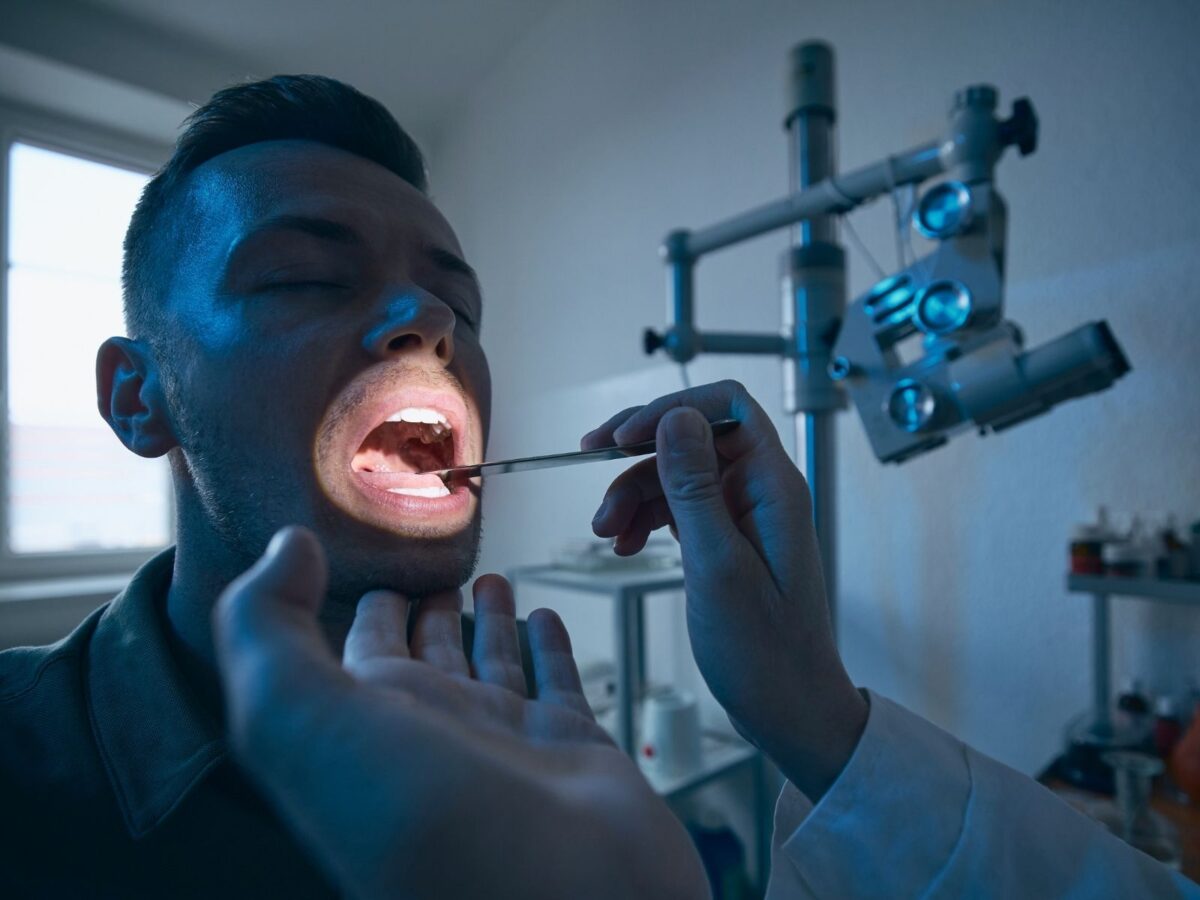
The word “screening” can make it sound complicated. It isn’t. An oral cancer screening is usually part of a regular dental visit. The dentist looks for anything unusual. That includes patches, sores, and changes in texture. They may feel certain areas gently to check for anything that seems different. It doesn’t take long. And most of the time, nothing unusual is found. But when something is, it gives you a chance to look into it early.
Why Early Detection Makes A Difference
This part is straightforward. When oral cancer is caught early, treatment is far more effective. Outcomes improve significantly compared to cases detected later. The difference isn’t small. And it doesn’t depend on doing something complicated. It depends on noticing something early enough.
Why People Still Wait
It’s usually hesitation. You come across something that feels a bit unusual. Not enough to worry about. So you let it be and carry on. Then time passes, and it’s still there. Not really different, just there. So you leave it again. It keeps getting pushed forward like that. That’s usually how delays happen.
What’s Worth Not Ignoring
If something in your mouth sticks around longer than expected, looks different, or keeps coming back in the same place? It’s worth checking. Not assuming the worst. Just not brushing it off completely. Because those small, persistent things are often the ones that matter.
FAQs
What are oral cancer signs?
Things in the mouth that don’t clear up. A sore, a patch, something that stays. It doesn’t have to hurt.
What are some early things to watch for?
Small changes at first. Easy to ignore. If they’re still there after a couple of weeks? They matter.
What are common oral cancer symptoms?
Trouble swallowing. A numb area. Or just irritation that keeps coming back. Nothing dramatic, just persistent.
What is oral cancer screening?
A quick look during a dental visit. Nothing complicated. The dentist checks for anything that seems off.
Conclusion
Most of these changes don’t feel urgent when they first show up. A sore spot, a patch, something slightly different. It’s easy to assume it’ll pass. And sometimes it does. But not always. The tricky part is that oral cancer symptoms can start in ways that don’t really stand out. They don’t interrupt your day, so they don’t feel like a reason to act.
It’s usually the small things that hang around. If something hasn’t gone away after a while? Just get it checked. Not to worry, just to be aware. Picking up on early signs of oral cancer doesn’t require overthinking, just a bit of attention. And if something doesn’t feel right, getting it checked is a simple step that can make a real difference.

