
Blog
Dental hygiene tips for healthy teeth & gums
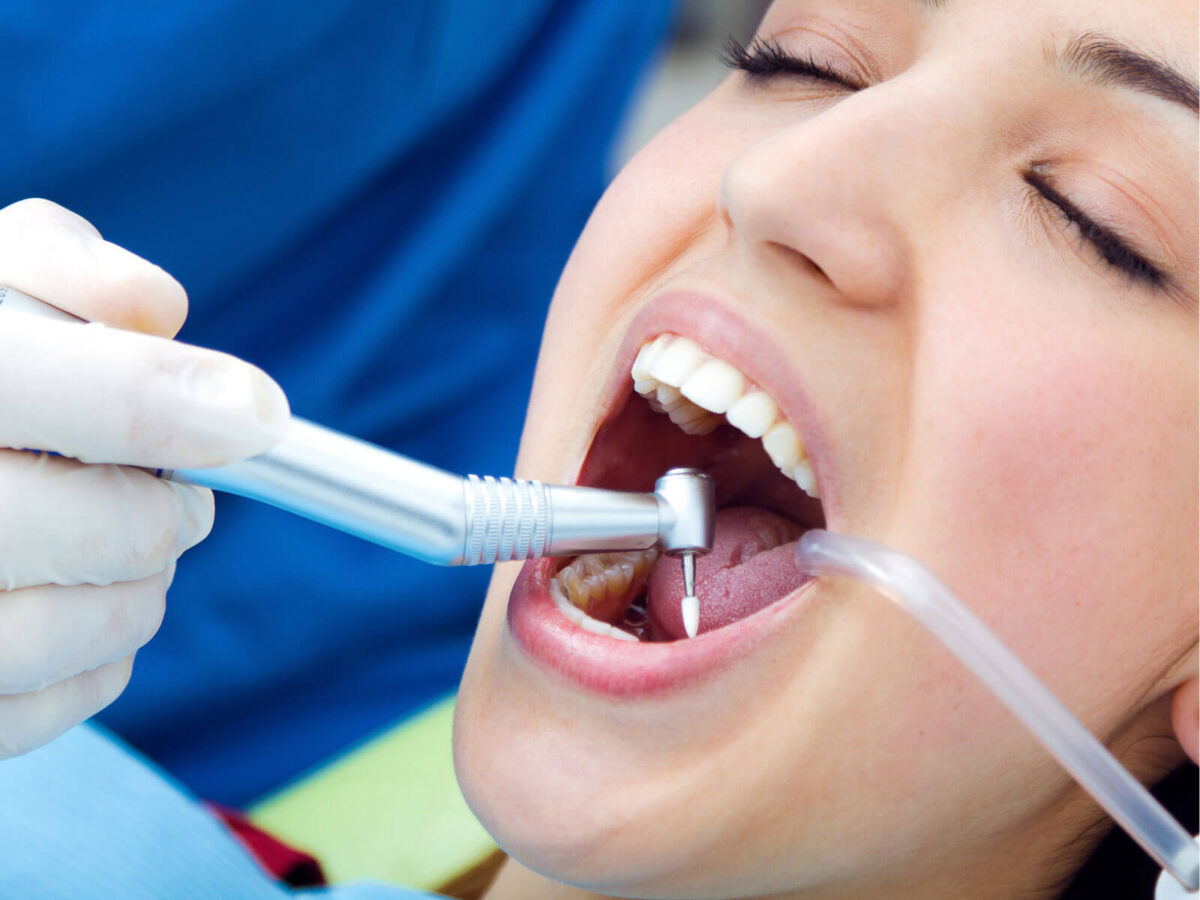
The Biggest Myths About Root Canal Treatments, Debunked
I put off a root canal for close to a year. Not because of the pain, not because of the cost. Because I’d read that it could cause cancer. The myths about root canal treatment I’d found online had accumulated to the point where they stopped feeling like fringe claims and started feeling like something worth being cautious about.
Turns out the research behind all of it was from the 1920s. I had no idea.
TL;DR
– The myths about root canal treatment circulating online – cancer links, unbearable pain, safer to just pull the tooth – most of them go back to either discredited science from a hundred years ago or stories from a very different era of dentistry.
– Root canals have a success rate exceeding 95% at 10 years.
– The infection is what causes the pain. The root canal is what ends it.
– Delaying treatment based on misinformation consistently makes outcomes worse.
Do Root Canal Treatments Actually Cause Cancer
I believed this one. Spent a year managing an infected tooth with ibuprofen because somewhere online I’d read that root canals trap bacteria that leak into the bloodstream and trigger cancer.
The ADA, the AAE, and the NIH have all confirmed there is no scientific evidence linking root canal treatment to cancer. It goes back to Dr. Weston Price and a theory he put forward in the 1920s, before anyone understood modern sterilization or microbiology. That research has been taken apart multiple times and never held up. I’d spent a year avoiding treatment over something that had been debunked before my parents were born.
– A 2013 study in Cancer Epidemiology, Biomarkers & Prevention actually found the oppositepeople who’d had root canals were at slightly lower risk of head and neck cancers than those who hadn’t. I’d been sitting with a chronic infection for a year thinking I was being careful.
What Makes People So Convinced Root Canal Treatment Is Unbearably Painful
A friend of mine kept rescheduling her root canal for months. Her mother had scared her off it years ago. Multiple visits, a lot of pain, days where she couldn’t eat properly. What her mother didn’t mention was when she’d had hers done.
My friend finally went in last year. That same afternoon she texted me: “That was nothing.”
The AAE is clear that modern root canal treatment is built around eliminating pain, not creating it. The tooth gets numbed before anything happens. What you feel during is pressure, not pain. Any soreness afterward is usually gone within a day or two and doesn’t need anything stronger than what’s already in your medicine cabinet.
The pain everyone warns you about isn’t from the procedure. It’s from the infection that’s already there. Her mother wasn’t lying. She just went in forty years ago.
Is Pulling the Tooth Actually Safer Than a Root Canal
I considered this one too. The logic felt reasonable at the time. Just remove the tooth, skip whatever risks the myths about root canal treatment had convinced me were real.
The AAE addresses it directly: an untreated infection poses a far greater risk to overall health than properly performed endodontic treatment. An abscess doesn’t stay contained. It spreads to surrounding bone, adjacent teeth, and in serious cases to the jaw and beyond.
What nobody mentions is what happens after the extraction. The teeth on either side start drifting into the gap. The bone at the site starts shrinking without a tooth root to maintain it. Replacing the tooth with an implant or bridge adds cost and multiple additional procedures. A root canal preserves what’s already there. The tooth is gone but the problems that follow aren’t. They just take a few years to fully show up.
Do Common Myths About Root Canal Treatment Exaggerate How Many Appointments It Takes
I cleared two days from my schedule. I was back to normal the next morning.
The majority of root canals are completed in a single appointment. If the roots are curved or there are multiple canals involved, a second visit might be needed, but that’s not what most people experience. Back to normal activity the same day or the next is the more typical outcome.
Block out about an hour to an hour and a half. The numbing happens first. After that, the pulp comes out, and the canal gets cleaned and sealed before you leave. A crown is a separate visit later. What I remember most isn’t the appointment. It’s that the pressure I’d been dealing with for months was just gone.
Does a Root Canal Kill the Tooth
Technically, the pulp, the soft tissue containing the nerve and blood supply, is removed. The nerve is gone. In that narrow sense, the tooth no longer feels sensation.
But the tooth stays. The jawbone still holds it, the periodontal ligament still supports it, and it handles chewing and biting just fine. Once a tooth is fully developed, the pulp isn’t doing anything structural. The surrounding tissue takes care of the rest.
Get a crown put on afterward, and that tooth can go for decades. The nerve is gone. Everything else is still there.
Do You Only Need a Root Canal If the Pain Is Severe
Pain doesn’t tell you what’s actually going on inside a tooth. Some infected teeth cause constant, intense throbbing. Others cause almost nothing, especially when the nerve has already died and can no longer send signals.
A dentist identifies the need for a root canal through X-rays showing infection at the root tip, clinical testing of the tooth’s response to temperature and pressure, and examination of surrounding tissue. A tooth dying slowly for months can show up on an X-ray with a significant lesion while causing only occasional mild discomfort. This is one of the myths about root canal treatment that has real consequences – people wait, the infection spreads, and what could have been straightforward becomes complicated.
I waited for pain that felt serious enough to justify going in. The infection didn’t wait with me. No pain doesn’t mean no problem.
Don’t Let a Myth Cost You a Tooth
Our Elgin dental team walks you through exactly what to expect before treatment begins.
FAQs
Are myths about root canal treatment actually harmful?
Yes. I sat with an infected tooth for a year because of one. An untreated abscess doesn’t stay put. It moves into surrounding bone and tissue. The longer you wait, the worse the starting point when you finally go in.
Do root canals hurt?
Not during. The tooth gets numbed completely first. I had mild soreness for about a day afterward. Ibuprofen handled it.
I’m scared of root canals – Wouldn’t it be easier to just pull the tooth?
Pulling it creates a different set of problems. Bone loss, shifting teeth, and eventually an implant or bridge. Saving the natural tooth is almost always the better call.
I keep putting off booking – how long does the appointment actually run?
Mine took about 75 minutes. I’d cleared the whole day. Most people are back to normal the next morning.
Will the tooth hold up long term after a root canal?
The 10-year success rate sits above 95% with a crown and regular checkups.
Conclusion
A year of ibuprofen and rescheduled appointments, all because of research from a hundred years ago that modern science has since taken apart completely. The root canal itself took one visit. Two days of mild soreness. That was it.
The myths about root canal treatment spread a lot faster than the facts that correct them, which is why people in Elgin keep arriving with infections that have had more time than they should have to develop. The procedure available now and the one those stories describe are not the same thing. Worth understanding before the infection stops giving you options.
The Facts Are Less Scary Than the Myths
Get a straight answer about your tooth from our Elgin dental team.

