
Blog
Dental hygiene tips for healthy teeth & gums
Gingivitis vs. Periodontitis: What’s the Difference?
You brush one morning and notice a hint of blood in the foam. Then it happens again that night. Your gums are a bit swollen. They feel tender, but not enough to make you stop. Most people ignore it and move on. That’s what makes gum disease so tricky.
Gum disease rarely shouts. It sneaks in quietly. Almost like it’s testing the waters, seeing if you’ll catch it before it goes further. It whispers. It starts quietly, subtly, almost easy to ignore.
A lot of folks think they just need a new toothbrush. Or maybe floss a bit more. At first, it barely seems worth thinking about. But gum problems rarely fix themselves. By the time they finally come in, it’s no longer a mild irritation.
The gums have started to pull away, pockets may have formed, and infection can reach the bone. At that point, it’s no longer gingivitis; it’s periodontitis. And periodontitis is serious. It’s a whole different conversation, with more involved treatments and long-term care.
The Early Stage: Gingivitis
Gingivitis is like a red flag your mouth waves before things get serious. It’s inflammation. The gums get irritated because plaque has been hanging around too long. That sticky film isn’t harmless — it’s full of bacteria.
If you’ve ever skipped flossing for a few days, you might notice swelling or tenderness. That’s gingivitis tapping you on the shoulder. The good news? It’s reversible. With proper care — brushing, flossing, and professional cleaning, gums can bounce back.
But here’s the catch. You can’t always feel gingivitis. Sometimes there’s no pain. Just slight redness or bleeding when you floss. That’s why it’s important to keep up with regular visits to your Elgin Dental Office, TX. We spot the signs before you do.
Periodontitis: When Things Go Deeper
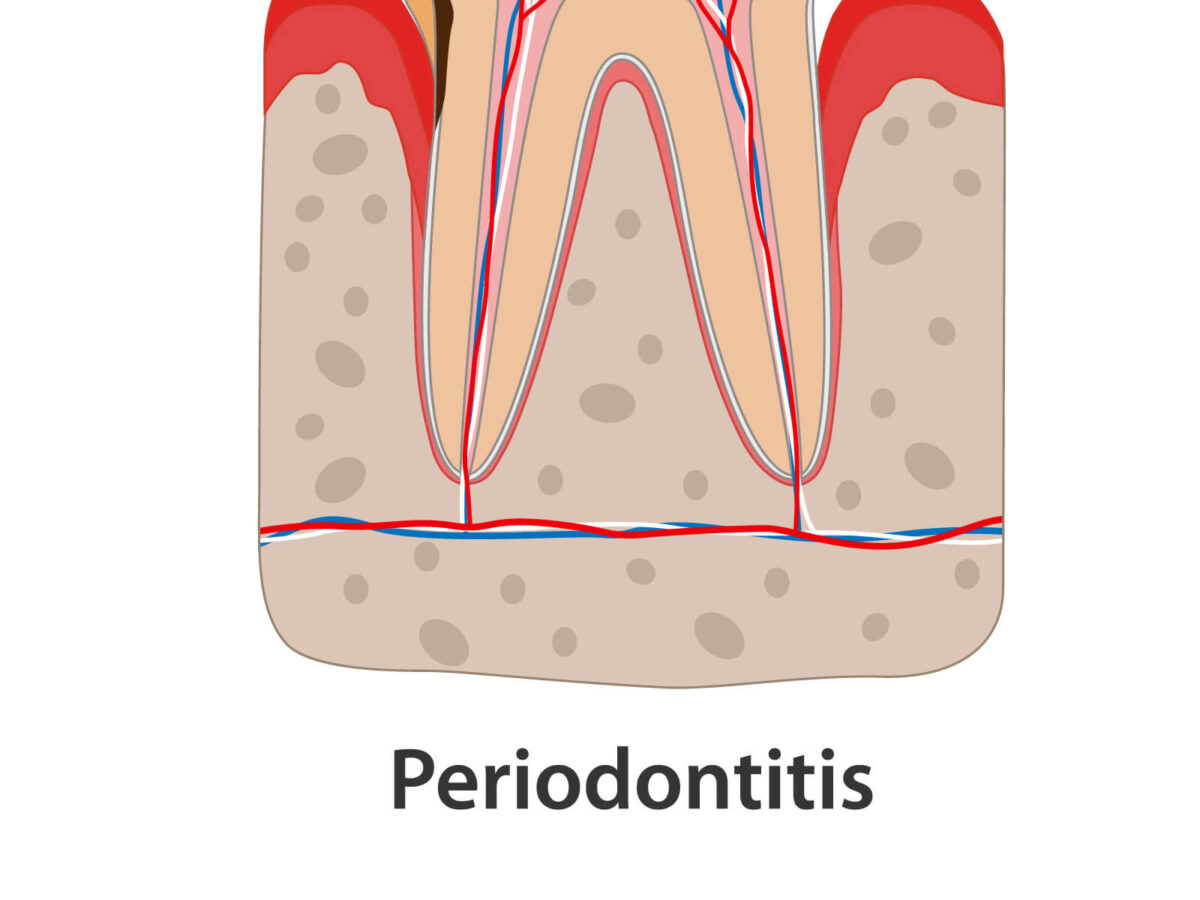
If gingivitis is the warning light, periodontitis is the engine problem. By now, the bacteria have worked their way down below the gumline. They start damaging the bone that holds your teeth in place.
Patients often notice their gums pulling away. Spaces appear between teeth. Breath gets persistently bad. And once bone loss starts, you can’t “brush it back.” Treatment shifts from simple cleaning to more advanced therapies.
The scary part? You can have periodontitis without severe pain until it’s advanced. By this point, the bacteria have slipped down below the gumline.
Why Does The Shift happen?
It’s not always about how well you brush. For some people, gum disease runs in the family. Smoking is another big factor. Diabetes can make your gums weaker and more prone to trouble. Once tartar builds up? It makes a rough spot where bacteria settle in and stick.
Picture it like this: Gingivitis stays on the surface. Plaque and tartar just irritate your gums. But periodontitis is structural damage. The infection affects the support system — bone, ligaments, the whole foundation.
How Your Dentist Tells Them Apart
When you come in for a check-up, we don’t just look at your teeth. We measure the depth of the space between your teeth and gums. Healthy gums have shallow pockets. Gingivitis might make them a bit deeper, but with periodontitis, those pockets increase. That’s a sign the bone underneath is shrinking away.
We might also take X-rays. That’s where bone loss shows clearly. And yes, even if your teeth look fine in the mirror, the X-ray can tell a very different story.
Treatments: Fixing and Preventing Damage
For gingivitis, the fix is straightforward — remove the plaque and tartar, teach better home care, and follow up. In a couple of weeks, gums usually tighten back up and stop bleeding.
Periodontitis is a longer road. Sometimes the dentist has to do a really deep cleaning under the gums. They might give you antibiotics and ask you to come in more often. If things are really bad, surgery or a gum graft could be needed to get it under control.
The goal is to stop the progression. Because once the bone is gone, we can’t grow it back naturally. That’s why catching gum disease stages early is everything.
What You Can Do at Home
Here’s the part where most patients expect a magic tip. But at the end of the day, it all comes down to what you do every day.
- Brush twice a day with fluoride toothpaste.
- Floss once daily, no skipping weekends.
- Only rinse with an antibacterial mouthwash if your dentist says it’s necessary.
- If you smoke, stopping could be the best thing you do for your gums.
Little habits, done every day, help your gums more than any fancy gadget ever could.
Why Parents Should Pay Attention, Too
We’ve seen gum issues pop up in teens more than you might think. Braces don’t help, as they make cleaning tricky. Plaque gets stuck around those brackets fast. The kid might not even feel pain, so they figure it’s nothing. That’s why parents need to watch for little things. Red gums. Puffy spots. A tiny bleed while brushing.
Start healthy habits early. A few extra seconds brushing around braces really helps. Flossing too. And don’t skip dentist visits. They spot trouble before it gets worse. Do it now, and you might save them from bigger problems later.
A Quick Word on Prevention Costs
Some people put off check-ups to save money. But here’s the math: Treating gingivitis might cost the price of a cleaning. Treating advanced periodontitis? That’s deep cleanings, possible surgery, and maybe even tooth replacement. The price, in money and comfort, is much higher.
What Happens If You Ignore It?
Teeth don’t loosen overnight. It’s a slow shift. The gums recede, roots show, and your teeth get super sensitive. Eating something as simple as a sandwich can sting. Eventually, teeth lose their grip altogether.
And gum disease doesn’t stay confined to your mouth. Studies link it to heart problems, diabetes complications, and even premature birth in pregnant women. The mouth is connected to the rest of your body more than most realize.
The Bottom Line
If your gums are starting to show signs of trouble, don’t wait around. That little bleed when you brush or floss? It’s your mouth waving a red flag. Catch it early, and you can stop things from getting worse. Gingivitis, the early stage, can usually be turned around with some care. Once it turns into periodontitis, though, there’s no going back. You can only keep it under control.
Regular visits to your Elgin Dental Office, TX make a real difference. Pair that with brushing and flossing at home every day, and you’re giving your teeth a real shot at lasting a lifetime. Skip it, and dentures could become a reality sooner than you think.
Even small changes in your gums are worth paying attention to. They’re trying to tell you something. Catch it early and take care of it—your teeth will thank you later.

