
Blog
Dental hygiene tips for healthy teeth & gums
Dental Bonding or Veneers: Choosing the Best Smile Solution
A confident smile influences daily life more than many notice. When someone worries about chipped enamel, tiny spaces, or stains that will not fade, they start looking for a simple fix that feels natural. The choices often boil down to just two. Bonding or veneers. It’s the reason people compare dental bonding vs veneers while looking for a smoother smile and a little extra brightness up front.
Both treatments aim for a better smile, though each solution helps in a different type of case. One option can fix a tiny chip, and the other can makeover the whole smile. Here, everything is explained simply, so a person feels comfortable talking through choices with their dentist.
What Dental Bonding Actually Does
Bonding is a way for the dentist to add back what the tooth is missing. They place a tooth colored material, shape it with care, and set it so it holds strong. Then they smooth and polish until the tooth looks good again. It can fix a chip or a dark mark, or a little uneven edge that bothers someone every time they look in the mirror.
People like that it is quick and done in the same visit. It is often the first idea when someone thinks about veneers vs dental bonding, since the healthy tooth underneath stays the same, and the change feels small but helpful.
What Veneers Offer For A Visible Change
Sometimes a person sees their reflection and thinks, “I wish my teeth looked just a little different.” Veneers step in as that gentle upgrade, a thin layer over the front teeth that changes the look without changing the personality of the smile. Suddenly, the teeth feel brighter and even.
That is usually why people comparing dental veneers vs bonding end up choosing veneers when they want a bigger shift that still feels real and lasts longer.
When Small Changes Make A Big Difference
Some smiles really just need a little polish to feel right again. Maybe there is one small chip that catches the eye or a tiny gap that feels much bigger to the person who sees it every day in the mirror. When that happens, looking at dental bonding vs veneers becomes more about what feels simple and calm. Bonding can handle small flaws without reshaping much of the tooth, and people usually leave that same day already smiling a little easier.
When a person has never tried cosmetic treatment before, bonding offers a soft introduction. They get to see how a tiny fix can boost confidence at work or in photos, and then they can take their time deciding what comes next with dental bonding vs veneers.
How Durability Shapes The Decision
A new smile can feel exciting, but the way each treatment ages is not the same. Bonding looks really nice at the start, but over time, the resin might catch some stains or get a tiny bit worn. A quick visit now and then usually keeps things in shape without much fuss.
Most people notice that veneers stay smooth for a good while, even with snacks and coffee. When someone compares dental bonding vs. dental veneers, that kind of support often feels worth the choice.
Comfort And Sensitivity Considerations
Some patients worry about tooth pain during treatment. Bonding rarely causes irritation because the surface changes are minor. The tooth stays mostly untouched. That makes bonding comfortable for someone who wants the gentlest path to improvement.
A little reshaping helps the veneer feel like part of the real tooth, not something extra. The tooth may react at first with a small bit of sensitivity. But as soon as the smile comes together, that tiny reminder disappears, and the teeth feel normal again.
Comfort level matters. People with sensitive enamel or dental anxiety often explore bonding first before deciding on veneers later.
Stain Resistance And Appearance Over Time
Foods and drinks colour smiles gradually. Resin used in bonding absorbs pigment more than ceramic veneers do. That means regular polishing or selective changes are needed in the future. Bonding still looks beautiful at first, but may show the years more openly.
Ceramic veneers keep their shade longer. They hold colour through events, workdays, and life outdoors without much worry. When people picture a dramatic smile change, they often think of veneers because the transformation feels bold and stays bright.
This contrast becomes clear when comparing dental bonding vs veneers for someone who consumes a lot of coffee or tea. One treatment needs more maintenance, while the other keeps the appearance steady with fewer adjustments.
Cost And Practical Planning
Bonding costs less upfront because it uses fewer materials and less lab involvement. It fits tighter budgets and helps people achieve visible results without major investment.
Veneers cost more because each one is custom-made. Yet the lifespan can make the value clear over the years. Fewer replacements and fewer worry points give long-term peace of mind. Thinking through cost is not only about money today but also about how someone wants to feel about their smile years from now.
How Personal Style Affects Choice
Some patients want slight changes that keep their natural features visible. Others want a full refresh that feels like a new start. Bonding gives small changes and keeps the real shape in all ways. Veneers allow a bit more reshaping. They shape the smile into a more polished version of itself.
This personal preference influences the entire conversation. When reviewing dental bonding vs veneers, the right answer is the one that supports confidence every time the person looks in the mirror.
Easy Steps Before Choosing
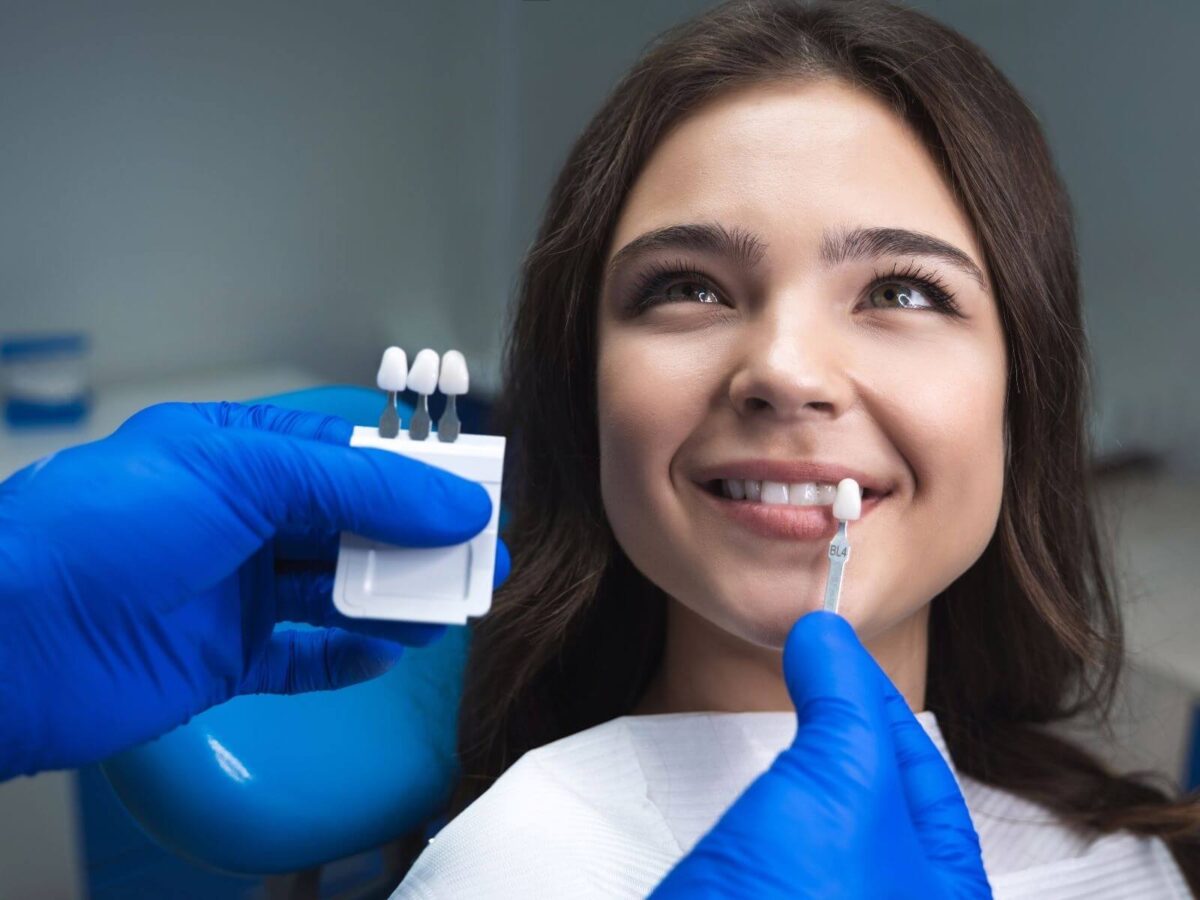
A thorough exam helps the dentist understand what the teeth need. Photos, shade matching, and small mock-ups help someone imagine the result. Many patients enjoy seeing how a small change shifts their expression. The dentist gives the plan so it fits health and appearance, not just one or the other.
Talking through expectations and time frames also matters. The office schedules treatment to avoid rushed decisions and support steady results.
Conclusion
Bonding works great when the issue is tiny, and someone wants a quick confidence lift without big changes. Veneers feel right for those looking for a long-term improvement that makes the whole smile feel refreshed. There is no “best” choice for every person. The best option fits with a person’s lifestyle, the way they look after their teeth, and how much transformation they feel excited about for their smile.
While thinking about dental bonding vs veneers, it helps to picture what feels natural day after day. A smile should feel easy and familiar, something to enjoy without checking on it or worrying about whether it still looks right.
You don’t have to make a big decision alone. A dentist who knows you can walk you through dental bonding vs veneers, answer what actually matters, and help you choose something that feels natural. A simple visit can bring clarity you may not find online.

