
Blog
Dental hygiene tips for healthy teeth & gums
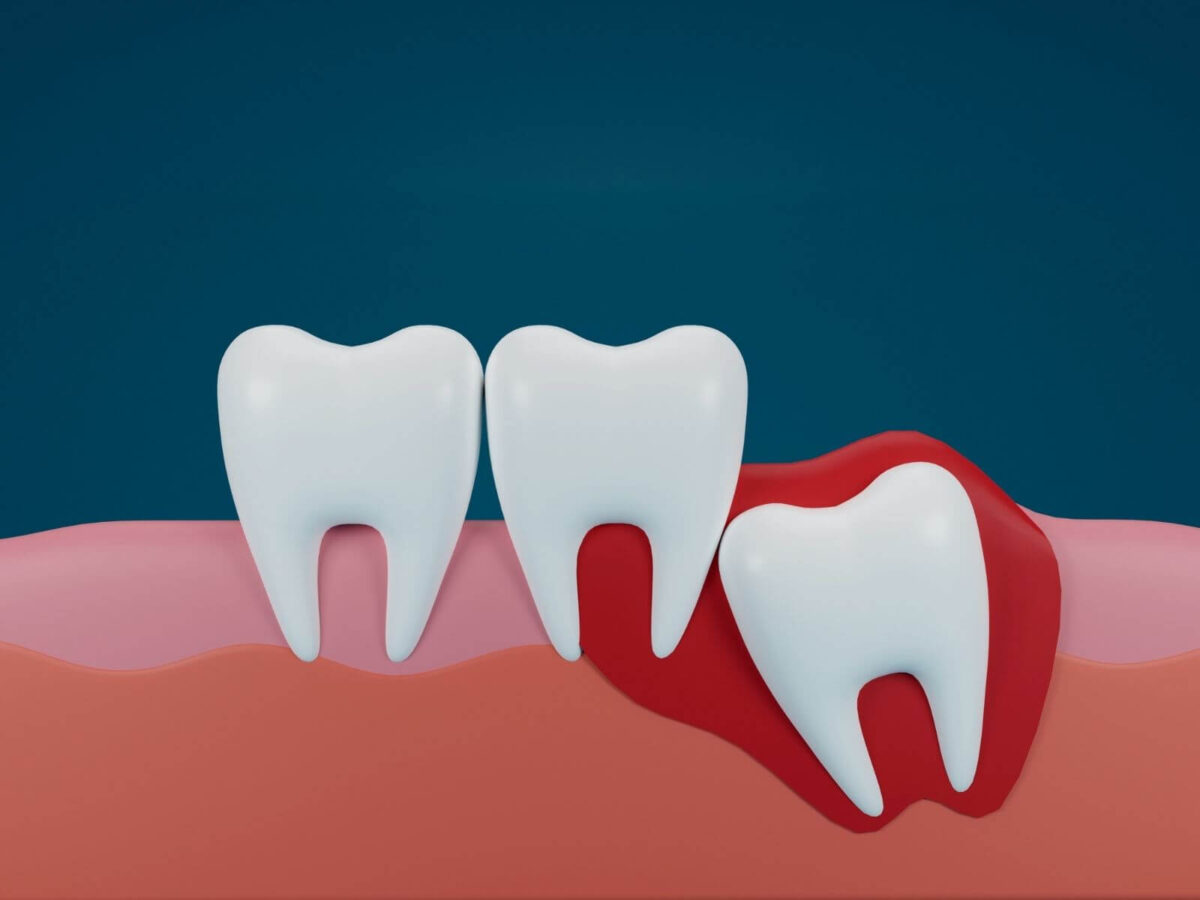
Can You Use a Straw After Wisdom Tooth Removal? When It’s Safe
The straw restriction sounds minor during wisdom tooth recovery instructions. Then later that night, it suddenly becomes the most annoying rule of all of them.
The question “Can you use a straw after wisdom tooth removal?” usually comes up during the first few recovery days. At some point, most people get tired of carefully sipping everything from a cup. Smoothies, cold coffee, and shakes start sounding easier, which is when the straw question shows up again.
The warning about straws gets repeated constantly after oral surgery appointments for a reason. According to the American Association of Oral and Maxillofacial Surgeons, suction inside the mouth may interfere with healing after tooth extractions.
Why The First Few Recovery Days Get Annoying Fast
The mouth feels strange after surgery. Drinking water feels messy for a while. The jaw stays stiff. Some people accidentally drool while trying to swallow medication because the lips and cheeks still feel partly numb during the first several hours. Then swelling starts building later in the day. Eating normally disappears pretty quickly after wisdom tooth surgery, too.
What The Concern About Suction Really Is
Once the teeth are removed, the extraction areas fill with blood clots. The clots protect the tissue while the gums begin healing over the sockets. Strong suction pressure inside the mouth can disturb the sockets before they stabilize properly.
That becomes the main concern around using straw after wisdom tooth removal. The lower extraction sites usually create more caution overall. They tend to stay sore longer and heal more slowly in a lot of cases.
Dry Socket Conversations Happen Constantly
Almost every wisdom tooth discussion eventually turns into a dry socket discussion. The pain usually feels different from normal soreness. It is sharper and throbbing. It even spreads toward the ear sometimes. A bad taste in the mouth can show up, too. The recovery may seem fine initially and then suddenly become worse several days later.
According to the Cleveland Clinic, dry socket develops when the protective blood clot becomes dislodged too early after extraction. That possibility alone makes people nervous after accidentally using a straw one time.
Why Cold Drinks Start Sounding Better Than Food
Soft foods lose their appeal pretty quickly. Soup feels manageable on the first day. Mashed potatoes work for a while, too. Then, suddenly, cold drinks become the only thing that sounds decent during recovery. Smoothies especially.
The annoying part is that almost everyone drinks them through straws normally, without thinking about it. After surgery, even something simple like that starts requiring extra effort. Smoothies suddenly feel awkward once a spoon replaces the straw.
Can You Use A Straw After Wisdom Tooth Removal During The First Week?
Most oral surgeons prefer patients avoid straws completely during the early healing period. Some offices recommend several days. Others stretch the restriction closer to a full week, especially after difficult lower wisdom tooth extractions.
The answer changes a little depending on swelling, bleeding, and how the sockets look afterward. The mouth often feels better before the extraction sites actually finish healing underneath. That part surprises people.
Why Lower Wisdom Teeth Usually Cause More Trouble
Lower extractions tend to feel heavier afterward. Jaw stiffness often stays around longer. Swelling along the cheeks and jawline can look more obvious as well. Talking too much feels tiring at the beginning, too.
The lower sockets also seem to become the center of most dry socket warnings after surgery. Upper wisdom teeth can heal pretty quietly sometimes in comparison.
The Soft Food Phase Starts Getting Old
People get tired of soft foods faster than expected. Yogurt and Soup seem too boring to eat. Then, tiny food particles start getting trapped near the extraction sites once eating becomes slightly more normal. Rice becomes irritating surprisingly quickly during recovery.
Questions around “when can I use a straw after wisdom tooth removal” usually start increasing around this stage because drinking from cups still feels clumsy for some people.
What Happens If You Unknowingly Use A Straw?
This happens pretty often during recovery. Most people forget about the straw rule at least once, usually halfway through the sip before realizing it. Questions like “Can you use a straw after wisdom tooth removal?” come up constantly because drinking normally starts feeling frustrating after a few days. One accidental sip does not automatically mean dry socket is going to happen afterward.
What matters more is the pain that suddenly starts getting worse a few days later instead of calming down gradually. Sharp throbbing around the extraction area, especially near the lower sockets, is usually worth calling the oral surgeon about.
Why Recovery Instructions Sound So Strict
Wisdom tooth instructions repeat the same warnings because the healing tissue stays vulnerable during the beginning. Smoking gets mentioned repeatedly. Crunchy foods too early. Aggressive rinsing. Hard exercise immediately after surgery.
Straws get grouped into that same category because suction changes pressure inside the mouth more than people realize initially. The recovery starts feeling emotionally longer once the swelling settles, and eating still remains limited.
Why Drinking From A Cup Feels So Annoying At First
Nobody really talks about this beforehand. Simple things feel awkward temporarily after oral surgery. Tilting a cup carefully. Trying not to hit the sore side of the mouth. Swallowing while the jaw barely opens comfortably.
Even taking pain medication with water feels clumsy during the first day sometimes. That frustration builds faster once the numbness fully disappears.
What The Extraction Sites Usually Look Like
The healing sockets can look a little strange during the first part of recovery. White or pale tissue near the extraction area is fairly common while the gums are healing. Food also starts getting trapped back there more easily once the swelling goes down and eating becomes less uncomfortable. Questions about “can you use a straw after wisdom tooth removal” usually start showing up around that stage, too.
A lot of people keep checking the area in the mirror during recovery, especially near the lower extraction sites. The healing process tends to look more dramatic than people expect at first.
FAQs
Are straws safe during wisdom tooth recovery?
Usually no. Dentists usually recommend avoiding straws during the first part of recovery.
Why is using a straw after wisdom tooth removal considered a problem?
The suction can put pressure on the extraction area. Dentists worry more about disturbing the healing blood clot.
When can I use a straw after wisdom tooth removal again?
A lot of people wait close to a week before trying one. Healing time can vary depending on the extraction and the person.
Does accidentally drinking through a straw always cause dry socket?
One sip does not always cause a dry socket. Severe pain afterward is usually the bigger thing to watch for.
Can you still drink smoothies after wisdom tooth removal?
Yes. Many people just use a spoon during the first few recovery days instead of a straw.
Conclusion
The restriction around “can you use a straw after wisdom tooth removal” feels small until recovery actually starts, and nearly every cold drink suddenly seems connected to a straw.
A lot of the concern around using straw after wisdom tooth removal comes back to protecting the healing blood clot during those first several days after surgery.
Waiting a little longer before returning to straws usually makes recovery less stressful overall, especially during the early healing stage when the extraction sites still feel tender and exposed.

