
Blog
Dental hygiene tips for healthy teeth & gums
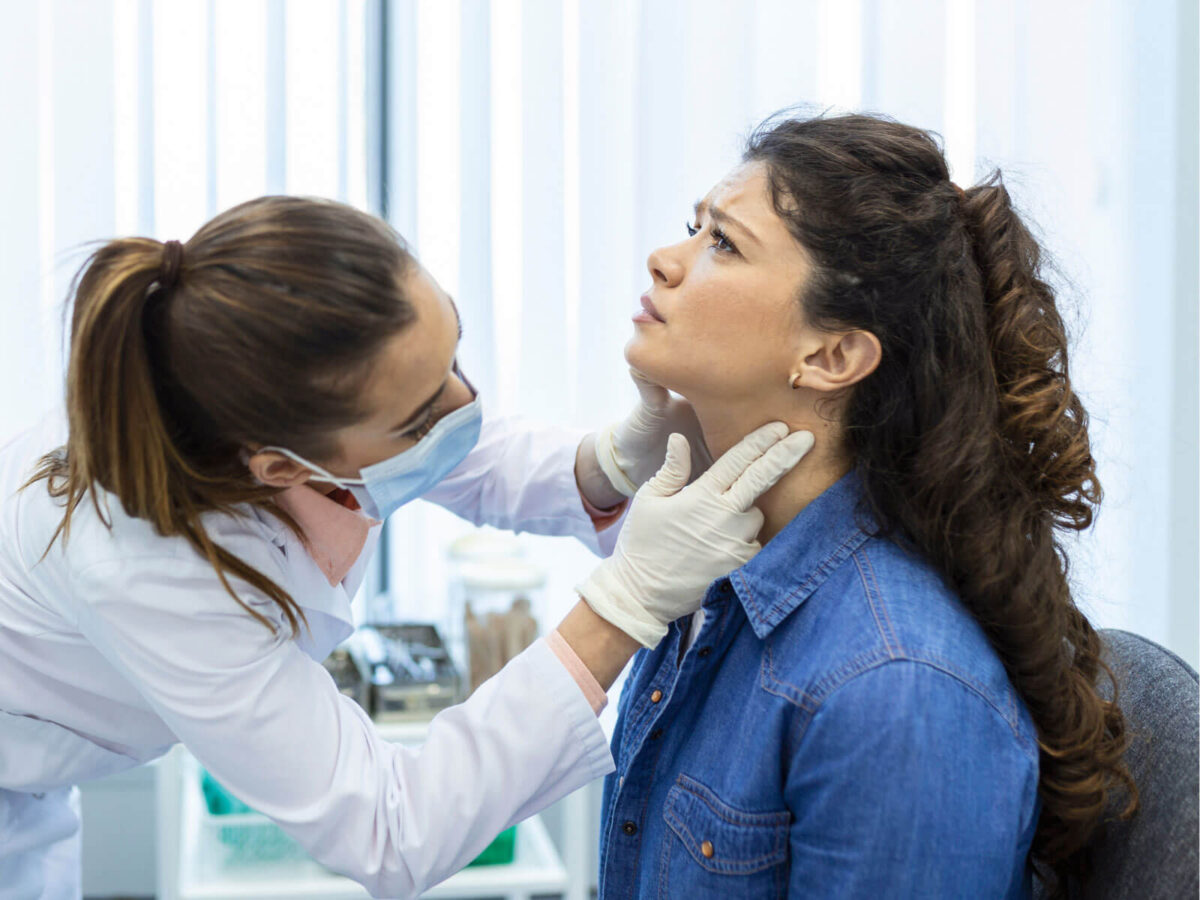
How Thyroid Disorders Can Affect Your Teeth and Gums
When I started reading about what hypothyroidism teeth are, I expected most of the information to come from endocrinology websites. That’s not where I ended up.
I’d follow a thread about thyroid hormones and find myself reading about dry mouth. Then gum health. Then changes inside the mouth that don’t usually come up in standard dental conversations. The research kept pulling me in directions I wasn’t expecting.
Teeth are not usually the first thing that comes to mind when thyroid disorders are discussed. But the overlap kept appearing. Not as a passing reference, but as something researchers were actively looking into. That’s what pushed me to keep reading, and eventually to put this together.
Why Does Dry Mouth Keep Appearing In Hypothyroidism Teeth Discussions
Dry mouth kept showing up while I was reading about hypothyroidism and teeth problems. Not always as the main focus, but consistently in the background.
The reason it matters is what saliva actually does. It neutralizes acids and keeps the oral environment stable. It is also clears out the bacteria. When saliva levels shift, conditions that lead to decay and irritation become easier to develop.
A review discussing oral findings in thyroid disorders includes dry mouth among the changes reported in some patients. It’s not a dramatic symptom on its own. But it has a quiet effect on everything else going on in the mouth.
What Is Happening With Gums And Thyroid Disorders
Gum health was not what I expected to find while reading about thyroid disorders. Even so, it appeared often enough that it was hard to overlook.
Some of the material focused on inflammation. The thyroid hormone has a role in inflammation control. That connection seems to be part of why gum tissue keeps appearing in the research.
Others looked more specifically at how reduced thyroid function might affect the supporting structures around the teeth — the bone, the ligaments, the tissue that holds everything in place.
A review of oral findings in thyroid disorders includes periodontal changes among the findings reported in some patients. The research isn’t settled. But gum health keeps appearing often enough that it’s hard to treat it as incidental.
Why Does Tooth Development Show Up In Research About Thyroid Disorders
Tooth development isn’t usually the first thing people associate with hypothyroidism teeth concerns. But delayed tooth eruption came up repeatedly in the research, particularly in studies involving children.
The reason it keeps appearing comes down to how broadly thyroid hormones are involved in growth and development. They play a role in cell maturation and bone development — processes that tooth eruption depends on. When thyroid function is disrupted, that timeline can shift.
What About Thyroid And Teeth Clenching
Thyroid and teeth clenching get searched for a lot, which is part of why I wanted to look into it properly. The connection isn’t direct in the way a cavity or a broken filling is. When I looked into it, the discussion moved through sleep quality, muscle activity, and bruxism fairly quickly.
A review of sleep bruxism includes endocrine conditions among the many factors researchers have explored when studying clenching and grinding behaviors. The thyroid doesn’t appear as a standalone cause. It shows up as part of a wider picture that also involves sleep disruption and other health factors.
That pattern came up throughout this topic. The further I looked, the more the conversation expanded beyond teeth.
How Can Hypothyroidism Teeth Concerns Extend Beyond Dry Mouth
Dry mouth rarely stayed in its own section for very long. I’d start reading about it, and the discussion would drift toward cavities, then toward broader oral comfort, then somewhere else entirely.
That pattern makes sense once you understand what saliva does. It’s involved in keeping the oral environment stable. That includes neutralizing acids, clearing bacteria, and making eating and speaking feel normal. When it’s reduced consistently, other things tend to follow.
The concern isn’t always tooth decay specifically. It’s mainly that a mouth operating with less saliva over a long period creates conditions where dental problems become easier to develop. That’s probably why hypothyroidism teeth discussions rarely stop at dry mouth.
How Thyroid Disorders Enter The Dental Conversation
Dentists aren’t diagnosing thyroid conditions during a routine cleaning. But they do spend a lot of time looking at tissues that reflect what’s happening elsewhere in the body.
Gum changes, reduced salivary flow, soft tissue irregularities. These are the kinds of things that get noticed during an exam. For someone dealing with hypothyroidism teeth concerns, or symptoms like thyroid and teeth clenching, those observations can become part of a conversation long before anyone has connected them to a thyroid condition.
The oral cavity tends to collect signals from a lot of different places. That’s part of why a thorough medical history matters at dental visits. And also the reason why some thyroid-related findings end up starting there.
What Happens To Supporting Structures Around The Teeth
The research on thyroid disorders and oral health doesn’t always stay focused on teeth directly. Some of it shifts toward the tissues and structures that support them. The gums, the bone, and the periodontal environment.
The further I read, the more technical it got. A lot of the research wasn’t coming from dental journals at all. It was coming from papers on bone metabolism and endocrine function that happened to include periodontal findings along the way.
Why Does The Conversation Keep Expanding Beyond The Teeth
At some point while researching hypothyroidism teeth, I stopped trying to keep the topics separate.
It starts with teeth. Then gums enter the picture. Then saliva. Then bone. Then, muscle activity and sleep quality when clenching come up. The topics rarely stay separate for long. One question often leads to another.
Not every person with a thyroid disorder experiences the same oral changes. There’s no single pattern, which is part of why the conversation stays broad. What came through clearly was that oral health in this context rarely comes down to one isolated symptom.
FAQs
Can hypothyroidism affect your teeth?
It can. Dry mouth, changes in tooth development, and gum-related findings have all come up in the research. Not every person with a thyroid condition experiences the same things, but the topic shows up in the literature more than most people would expect.
Is dry mouth common with thyroid disorders?
It came up more than almost anything else while I was researching this. It was rarely the center of the discussion, yet it kept appearing.
Is there a link between thyroid and grinding?
Not a direct one. Researchers have looked at endocrine conditions as part of a broader picture that includes sleep quality and bruxism. The thyroid doesn’t appear as a standalone cause — it shows up alongside other factors.
Do thyroid disorders matter during dental care?
Yes. It affects more than most people assume — saliva, tissue health, and how certain treatments might land. A dentist who knows about it is better placed to notice things that might otherwise get missed.
Conclusion
When I started researching hypothyroidism teeth, I expected a narrow topic. It didn’t stay that way.
Dry mouth kept appearing. Then gum health. Then tooth development, supporting tissues, relationship between thyroid and teeth clenching. Each thread connected to something else, and the conversation kept widening.
Most people do not link thyroid disorders with their teeth or gums. It’s not an obvious connection. But the research doesn’t treat it as a minor one either.
Do you have a thyroid condition and have been noticing changes involving general oral comfort? Bring it up at your next dental visit. A dentist who knows about it is better placed to connect the dots.

