
Blog
Dental hygiene tips for healthy teeth & gums
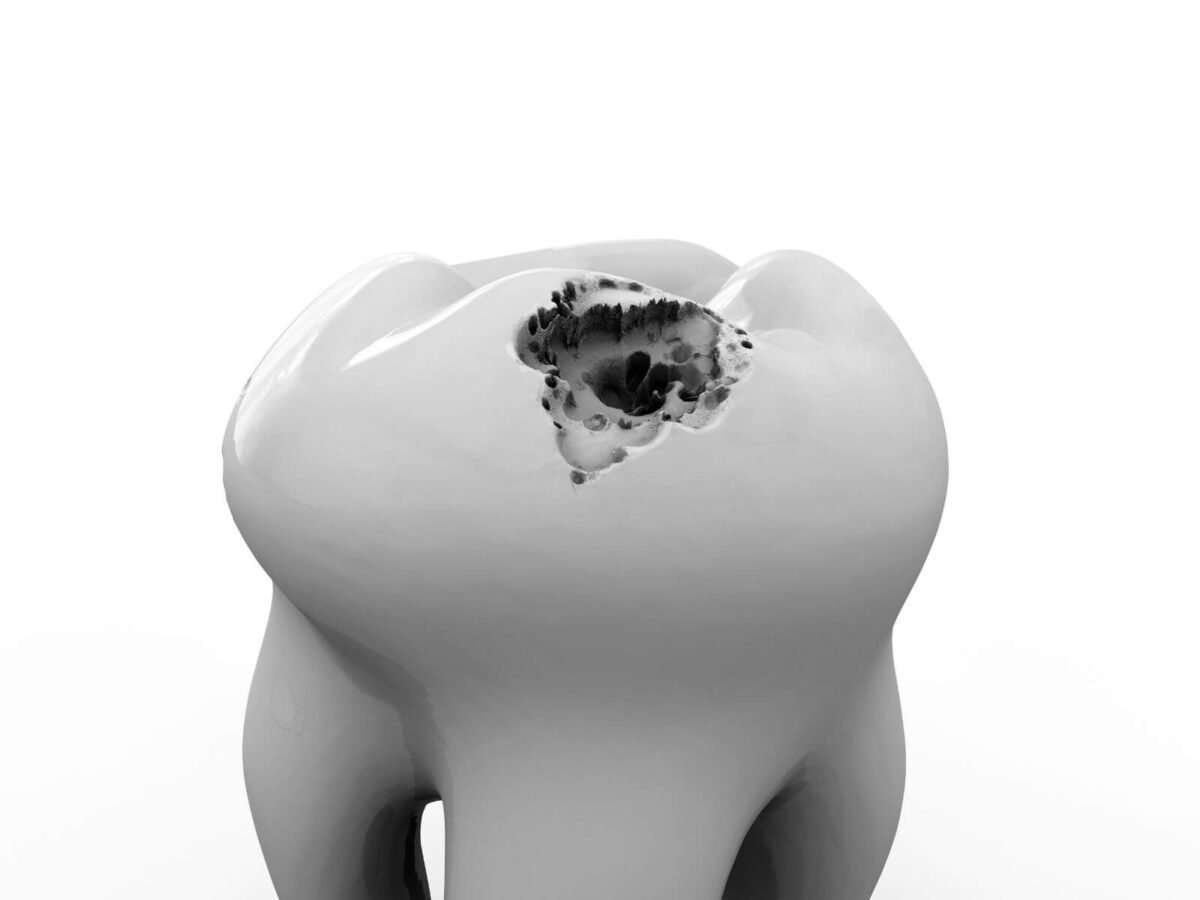
Black Dot on Tooth: Causes, What It Means, and How to Treat It
A small dark mark on a tooth catches attention pretty quickly once it becomes noticeable in the mirror. Especially if it was not there before. Some spots stay tiny for months. Others slowly spread or start looking deeper around the edges.
Searches for “black dot on tooth”, “black spots on teeth”, and “dark spot on tooth” usually happen after people spend several days checking the same area repeatedly under different bathroom lighting.
The difficult part is that not every dark spot means the same thing. Some are surface stains sitting inside grooves. Others involve decay underneath the enamel. A few turn out to be older filling material or changes near the tooth surface that simply picked up stain over time. The appearance alone does not always give a complete answer immediately.
According to the American Dental Association, tooth discoloration may come from staining, enamel changes, decay, or damage inside the tooth structure.
Why Small Dark Spots Get Noticed So Easily
Teeth are mostly light in color, so even a tiny dark point stands out. A black mark near the front teeth becomes visible quickly while speaking or smiling. Molars are different. Those dark grooves may stay unnoticed for quite a while until brushing or flossing catches the area from a different angle.
Bathroom lighting changes things, too. Some spots look darker in certain mirrors and almost disappear in others.
What A Black Dot On A Tooth Can Actually Be
A cavity is one possibility people think about first. Not every spot turns out to be decay, though. Staining inside deep grooves happens pretty often around molars. Older fillings may darken around the edges, too. Tiny enamel defects can collect pigment over time and start looking black or dark brown.
Then there are situations where the surface feels completely smooth, even with visible discoloration. That changes the conversation during dental exams.
Why Molars Develop Dark Grooves
Back teeth contain natural pits and grooves across the chewing surface. Those grooves trap stains very easily. Some stay shallow. Others run deeper into the enamel and collect darker discoloration over time.
A dark groove does not automatically mean the tooth is damaged underneath. Dentists usually check the texture carefully during exams. Softness matters. Sticky areas matter too. The visual appearance alone does not settle it every time.
When A Dark Spot Starts Looking More Like Decay
Cavities tend to change the tooth surface gradually. The area may start looking dull instead of shiny. Certain spots feel rough while flossing or brushing. Food catches around the same area repeatedly.
Larger cavities sometimes create visible holes or softer enamel near the center of the discoloration. Pain is not guaranteed early on either. Some teeth stay painless for quite a while.
Why Front Teeth Sometimes Show Black Marks Near The Gums
Spots near the gumline often come from surface staining and buildup instead of deep cavities. Certain black spots on teeth develop from smoking, plaque, tartar, or darker drinks sitting around the gums over time. The lower front teeth pick up that kind of buildup pretty often.
The stain may look black from a distance, even if the actual buildup appears brown closer up. Professional cleanings usually remove those areas more effectively than brushing at home.
What Happens With Old Fillings
Older silver fillings sometimes leave darker shadows around nearby enamel. Tiny edges around the restoration can also stain after years of use. Patients occasionally think the entire tooth is decaying when the darker color actually comes from older filling material underneath.
The tooth still needs evaluation either way. Cracks around fillings and recurrent decay can develop there, too.
Why Some Black Spots On Teeth Stay Small For Years
Some stained grooves stay the same for years without turning into cavities. Dentists often keep monitoring those areas during checkups instead of treating them right away. The groove shape, X-rays, and the feel of the enamel usually help with that decision. Certain black spots on teeth stay completely stable for a long time.
Molars pick up darker staining more easily than many other teeth. Especially along the chewing grooves.
What A Dark Spot On A Tooth Feels Like During Brushing
Some spots feel completely smooth. Others catch slightly against the toothbrush or floss. Roughness around the edges sometimes points toward enamel breakdown or plaque accumulation around the area.
The texture becomes important during exams. A dark spot that feels sticky or soft usually gets more attention than a hard, stained groove.
Can Tooth Injury Cause Dark Spots?
Yes. A tooth may slowly become darker after trauma. Damage to the nerve inside the tooth is often part of the reason. Front teeth show this more noticeably after sports injuries or falls.
The discoloration usually looks deeper inside the tooth rather than sitting directly on the surface. Gray shades show up pretty often in those situations.
Why Children Sometimes Develop Dark Spots On Teeth
Children get surface staining, too. Iron supplements occasionally leave darker discoloration near the teeth. Cavities in baby teeth can also appear dark brown or black once decay progresses deeper.
Baby molars trap food easily around grooves and contact points. Pediatric dentists check these areas pretty closely during exams.
What Dentists Usually Do For A Black Dot On Tooth
The treatment mostly depends on what the spot turns out to be. Some cases of black spots on teeth are only surface stains and improve after a cleaning or polishing. Small cavities are different. Those usually need fillings before the decay spreads deeper into the tooth. Some dark grooves simply get monitored during future visits. If the tooth requires more extensive treatment, a dental implant specialist in elgin can help determine whether an implant may be appropriate.
Dental X-rays become part of the process sometimes, especially if the discoloration sits between teeth or around older restorations.
According to the Cleveland Clinic, tooth discoloration and dark spots may require different treatment approaches depending on whether the issue involves stain, decay, or internal tooth damage.
Why Whitening Toothpaste Does Not Fix Every Dark Spot
Whitening products mainly affect surface staining. A deeper cavity inside the tooth will not disappear from whitening toothpaste alone. The same goes for discoloration coming from inside the tooth structure.
Some stains improve noticeably after cleaning. Others stay visible until restorative treatment changes the tooth surface itself. That becomes frustrating for people trying multiple whitening products before getting the area examined properly in order to get rid of that black dot on the tooth.
When A Dark Spot Should Be Checked Soon
Certain changes deserve faster attention. Pain while chewing. Sensitivity around the area. Visible holes. Swelling near the gums. A dark spot growing larger over several months. Those situations move beyond ordinary surface stain discussions pretty quickly. The risk may be higher if the tooth already has fillings or older dental treatment nearby.
FAQs
Why does a black dot on a tooth show up?
A tiny dark spot can happen for different reasons. Stains are common. So are cavities, tartar buildup, and old fillings that change color over time.
Are black spots on teeth always serious?
Not really. Some never become cavities at all.
Can a dark spot on a tooth fade after cleaning?
Surface stains sometimes lighten after a cleaning. Deeper spots inside the tooth usually do not change much.
Why do dark marks happen more on molars?
Molars have grooves that trap more plaque and staining. Because of that, staining happens there.
Should you ignore black spots on teeth?
No. Even small spots are worth mentioning during a dental checkup.
Conclusion
Not every black dot on a tooth means immediate decay, although some eventually turn into cavities over time. Certain spots stay as surface staining for years without changing much. Others slowly spread deeper into the enamel and become harder to notice until the damage underneath gets larger. The appearance by itself does not always make the situation obvious right away.
A dark spot on a tooth can look different depending on the lighting. That is why people often keep second-guessing it at home. If new black spots on teeth keep catching your attention, getting them checked usually makes things clearer.

