

Elgin

Categories
Dental care

Top Causes of Cavity: What You Need To Know To Protect Your Teeth

Cavities are a dental problem that just about everyone has heard of. They’re very common, affecting people of all ages. But what many don’t realize is that most cavities are completely preventable with the right care and awareness. As your trusted Elgin Dentist, TX, will tell you, cavities often form quietly, without pain or warning signs. By the time they’re noticeable, they may already be causing damage that requires more serious treatment.

Poor Oral Hygiene and Cavities

Honestly? If you’re skipping brushing or flossing—yeah, plaque’s gonna show up. It doesn’t take long. And that stuff? It’s loaded with bacteria. The kind that loves sugar. So every time you snack on something sweet, they go to work, turning that sugar into acid. That acid slowly wears down your enamel, and before you know it—boom. Cavity.

How to prevent it:

  • Brush twice daily with fluoride toothpaste
  • Floss once a day
  • Replace your toothbrush every 3–4 months.
  • Visit your Elgin Dental Office, TX, for cleanings every six months.

High Sugar and Carbohydrate Consumption

The repeated consumption of sugary snacks and starchy foods creates the most common form of cavities. These particular foods remain on your teeth allowing harmful bacteria to create acids which dissolve the enamel.

Smart choices to protect your teeth:

  • Limit sugary snacks and beverages
  • Choose water or milk over soda.
  • Eat fruits and vegetables to help clean your teeth.
  • Avoid frequent snacking between meals.

Dry Mouth

Saliva plays an important role by cleaning food particles while doing acid regulation alongside delivering minerals to maintain tooth enamel health. 

Lack of sufficient saliva, like in cases of dry mouth, leads to a rapid reduction in protective measures. Your risk for cavity development becomes dramatically higher at that moment. 

How to combat dry mouth:

  • Stay hydrated
  • Chew sugar-free gum to stimulate saliva.
  • Avoid alcohol-based mouthwashes
  • Talk to your Elgin Dentist, TX about treatments.

Not Visiting the Dentist Regularly

Skipping dental checkups allows plaque and tartar to build up and damage your teeth. Cavities often start small and don’t cause pain until they become serious.

Regular visits to your Elgin Dental Office TX allow your dentist to detect cavities early and provide professional cleanings that remove tartar you can’t eliminate at home.

Benefits of routine dental visits:

  • Early detection of decay and gum disease
  • Tartar removal for healthier teeth
  • Personalized advice based on your oral health

Deep Pits and Grooves in Teeth

Some people naturally possess deep holes in their molars which remain challenging to cleanse. Food remains trapped with bacteria in these specific areas thus forming spaces where cavities develop.

Dental sealants provide thin protective coatings for the chewing surfaces which help protect both children and teens from dental decay.

Ask your Elgin dentist about sealants if you:

  • Have cavity-prone teeth
  • Struggle with cleaning the back molars.
  • Want to add an extra layer of protection

Acidic Foods and Drinks

Continuous contact with acidic foods and drinks made from citrus materials as well as sodas and energy drinks, and products with vinegar, hurt the enamel. Even consuming healthy fruits such as oranges and tomatoes may lead to dental issues when eaten frequently. 

Protect your enamel by:

  • Drinking acidic beverages through a straw
  • Rinsing with water after having acidic items
  • Waiting 30 minutes before brushing to avoid damaging softened enamel

Teeth Grinding (Bruxism)

Grinding or clenching your teeth? Yeah, that can wear down your enamel over time. This happens particularly when a person sleeps. The dental condition known as bruxism raises the possibility of tooth cavity development.

Solutions for grinding:

  • Use a custom night guard provided by your Elgin Dentist TX
  • Manage stress with relaxation techniques
  • Monitor for symptoms like jaw pain or worn teeth

Genetic Factors

Your genetic background generates different susceptibilities toward developing cavities. Genetics determines several aspects that impact your tendency to develop cavities including enamel thinness and deep teeth structures along with minimal saliva flow.

What you can do:

  • Share your family dental history with your dentist
  • Schedule more frequent checkups if you’re high-risk
  • Consider fluoride treatments or sealants

Weak or Worn Enamel

Essentially the teeth use enamel as their protective shell because it resists decay while serving as a shield. The main concern arises because enamel deteriorates whenever people brush their teeth aggressively or consume acidic foods. And once it’s gone? Enamel doesn’t grow back.

How to protect enamel:

  • Use a soft-bristled toothbrush
  • Avoid brushing too hard
  • Choose enamel-strengthening toothpaste
  • Limit acidic foods and beverages

Medical Conditions and Medications

Medical issues, along with specific medications, create higher susceptibility to tooth cavities. Conditions like diabetes result in saliva flow modification, whereas prescribed drugs for allergies and anxiety, alongside high blood pressure medications, lead to dry mouth symptoms.

Talk to your dentist if you:

  • Take multiple medications
  • Have a chronic medical condition
  • Notice changes in your oral moisture or sensitivity

Early Signs of a Cavity

Regular visits to your dentist are one of the most important ways to get help, because cavities often don’t have symptoms early on. Being aware of early signs most of the time allows you to catch the issues early before they can grow.

Watch out for:

  • Tooth sensitivity to hot, cold, or sweets
  • Visible holes or pits in your teeth
  • Discoloration (brown or black spots)
  • Pain when chewing or biting

Experiencing these symptoms? Make an appointment with your Elgin Dental Office, TX.

Final Thoughts from Your Elgin Dentist TX

The Elgin Dental Office TX stands ready to help you gain charge over your oral wellness. Book an appointment at our Elgin Dental Office TX immediately if you have not visited the dentist in a long period of time or if you notice symptoms of decay. Make your appointment now to start developing a cavity-free future.
Categories
Dental care

The Truth About DIY Teeth-Straightening Methods

Doing things yourself can be fun, especially if it’s a home project or a quick repair. What about your teeth, though? This is where it starts getting tricky. Recently, many people have been trying to straighten their teeth at home, using things like rubber bands or trying their hands at the cheap aligners available online. All thanks to quick-view tutorials online. Sure, it looks like a quicker fix. But the truth is, it’s risky and can do more harm than good.

If the idea has ever crossed your mind, or you’ve seen friends trying it, it’s good to know what really happens when people try to move their teeth without help. A simple visit to an Elgin dentist, TX, could help you avoid a lot of damage, money, and regret later.

What is DIY Teeth Straightening Really About?

It’s pretty much what it sounds like: people trying to move their own teeth without a dentist involved. Some wrap bands around their teeth, hoping to close gaps. Others order low-cost aligners online and hope for the best.

A lot of the time, these so-called “tips” spread online like hacks or trends under the guise of being helpful, but they often skip over the potential risks. When it comes to Teeth Whitening Misconceptions, what’s left unsaid can do more harm than good.

Why People Give It a Shot

People love quick and cheap fixes. Braces and aligners are expensive, and no one wants to wait months for results. When similar products pop up on the internet, people end up buying them.
You’ll see influencers or social media posts saying it worked for them. But they don’t always show the full story. They leave out the part about pain, the dental problems, or the fact that they ended up in a real dental chair later anyway.

The DIY Teeth Straightening Dangers No One Talks About
Your teeth are connected to bone and nerves. You can’t just shift them around without knowing what you’re doing. That pressure? It affects more than the surface.

Here’s what can go wrong:

  • Your teeth might start to shift too fast and lose their support.
  • Bands or cheap plastic can dig into the tissue and cause bleeding or infections.
  • You can mess with the roots if the teeth move too quickly or in the wrong way.
  • Even if teeth look straight, they might no longer fit together when you chew.

These issues don’t always show up right away, which makes them easy to ignore until they become serious. Clinics like Elgin Dental Office TX have seen people come in after DIY methods went sideways.

Straight Teeth Aren’t Just About Looks

Some people think it’s just about getting a “nicer” smile. But straight teeth also make it easier to keep your mouth clean, avoid cavities, and chew without pain.

When teeth are out of place, they can cause jaw tension, uneven wear, and problems brushing certain areas. That’s why trained dentists look at the full picture, not just the visible part, before starting any kind of treatment.

What’s the Deal with Mail-Order Aligners?

You’ve probably seen ads: take your own impressions, send them off, and get aligners sent to your home. It sounds modern and simple.

But there’s a catch: these companies don’t take X-rays. They don’t check your bone or jaw health. And if your teeth don’t move the way they expected, there’s usually no one checking in.

Even if it starts okay, things can go wrong fast. Without someone tracking your progress, you might not know something’s off until it’s hard to fix.

Better and Safer Alternatives to DIY Teeth Straightening
The good news? You don’t need to risk your smile. There are safer ways to get the results you want.

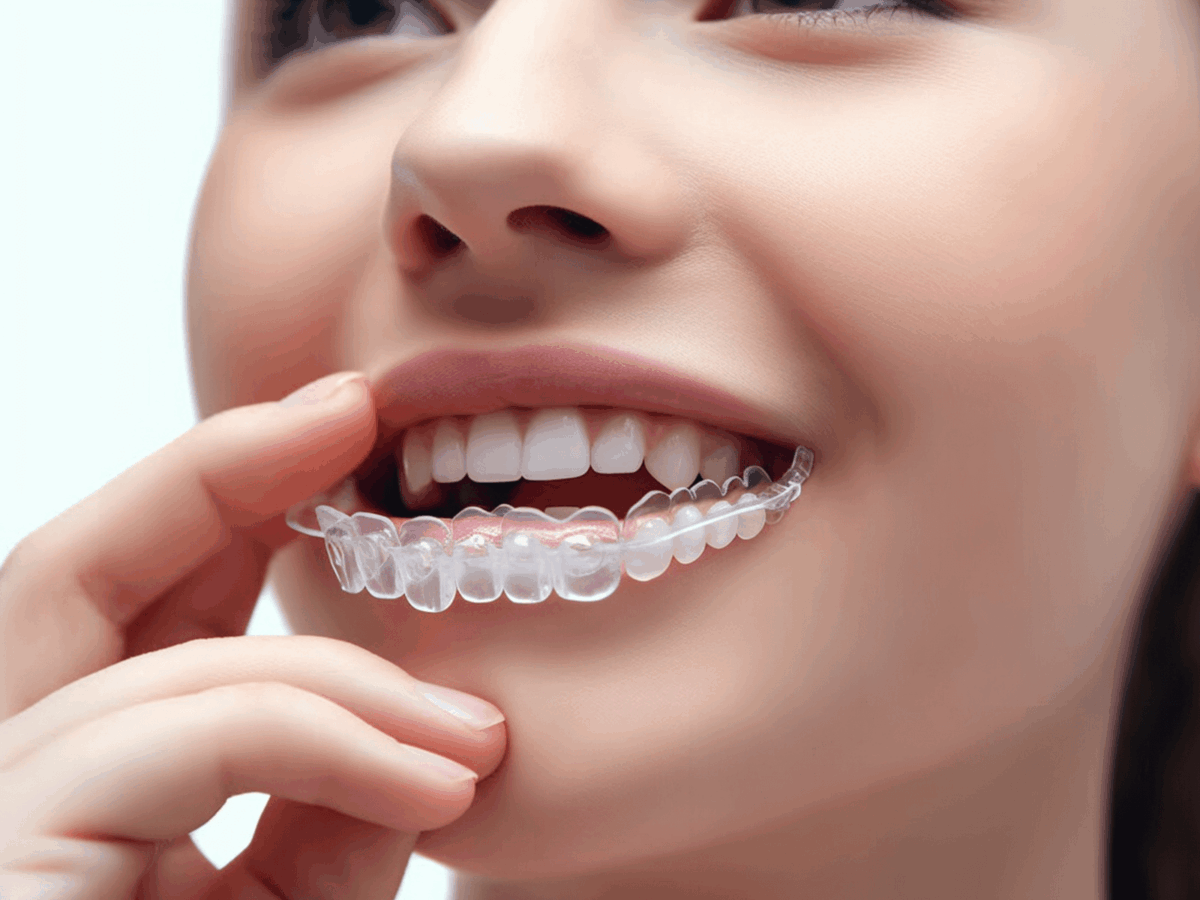
A dental office like Elgin Dental Office TX, can walk you through safe and better options. That means metal braces, clear aligners, or something else that fits your teeth and goals perfectly.

What a Real Dentist Does Differently

An experienced Elgin dentist, TX, won’t just look at your teeth. They’ll look at how your teeth connect, how your jaw moves, and whether your gums and bone can handle any changes.

You might get digital scans, X-rays, and a full exam. Then, they’ll come up with a plan just for you, one that keeps things moving safely and steadily.

They’ll also monitor progress and make adjustments if needed. This type of post-treatment care just isn’t possible when working with DIY.

Final Thoughts

Trying to straighten your teeth at home might sound easy, but it can lead to big problems. What seems like a shortcut could end in expensive repairs, painful side effects, or worse.

Your teeth aren’t something to guess with. If you want real results, it’s worth talking to someone who knows what they’re doing.

A licensed Elgin Dentist TX can help you find the best way to improve your smile without the risk. You don’t need hacks or trends. You need a plan that works and keeps your health first.

Leave the DIY for weekend projects. When it comes to your teeth, let the pros handle it.

Categories
Dental care

Fluorosis: What It Is, Causes & Treatment

Tooth enamel develops fluorosis when people do not consume fluoride at safe levels, although fluoride benefits teeth. The development stage of teeth during early childhood remains especially sensitive. To decrease the associated risks, you must discover all fluoride sources leading to excess consumption. This article shows how to identify and manage orthodontic defects and influenza fluoride’s protective potential against tooth decay.

What Is Dental Fluorosis?

Excessive fluoride exposure during their enamel development is what causes fluorosis in children. Changes in enamel structure emerge as the teeth develop light white marks or become severe brown spots. High fluoride concentrations in drinking water make dental fluorosis the most prevalent condition.

The condition of fluorosis appears harmless yet causes discolorations to teeth that lead to social discomfort for people. Most instances of fluorosis present in moderate stages because they escape recognition from the general public. Teeth surface damage becomes very noticeable when the condition progresses from mild to severe.

The medical community classifies fluorosis as harmless and solely masking an appearance issue. The enamel becomes unworkable as a protection mechanism when fluorosis develops into severe pores since it compromises its ability to guard against cavities and harmful influences. The bacterial attacks become more heavy as the dentin becomes open to exposure.

Dental Fluorosis Causes

The formation period of teeth determines the primary factors that cause dental Fluorosis, which results from consuming too much fluoride. The elemental fluoride appears in multiple components, such as drinking water and toothpaste, mouth rinses, and food supplements. The healing effect of fluoride in decreasing tooth decay goes beyond its recommended levels, which produces Fluorosis. Some common causes include:

Areas with elevated fluoride concentration in their drinking water products become hazardous for children’s dental health because they lead to Fluorosis.
Young children who swallow fluoridated toothpaste or mouth rinses through unintended swallowing will face a higher chance of fluoride overconsumption due to their excessive use of these dental products.

Excess fluoride supplements can harm people who already get fluoridated water in their usual drinking supply. Fluoride enters the body when someone consumes food or drinks with fluoridated water.

Symptoms of Fluorosis

  • Monitoring your daily fluoride intake helps prevent fluorosis better than any other strategy. Drinking water tests should focus on fluoride amounts that exceed recommended safe limits because fluoride naturally exists in water sources.
  • Many teeth across the mouth show coloring problems because of the issue.
  • The enamel gains more spaces between its particles, creating damage risk.
  • Spotting these signs early will improve how well you treat this condition.

People ask whether dental fluorosis appears in multiple forms. Let’s break it down.

Types of Dental Fluorosis

The extent of tooth discoloration classifies dental fluorosis. To treat each condition effectively, you must match the dental treatment to the extent to which your teeth have been affected.

  • Questionable Fluorosis: The teeth’s enamel develops faint white marks similar to normal enamel changes.
  • Very Mild Fluorosis: It appears as small transparent areas on less than 25% of the tooth, which look like thin, faint lines.
  • Mild fluorosis: It creates white stain areas beneath 50 percent of each tooth surface that can be detected but does not affect appearance significantly
  • Moderate Fluorosis: When fluorosis develops to the moderate stage, it turns teeth yellow or light brown, making minor surface flaws more visible.
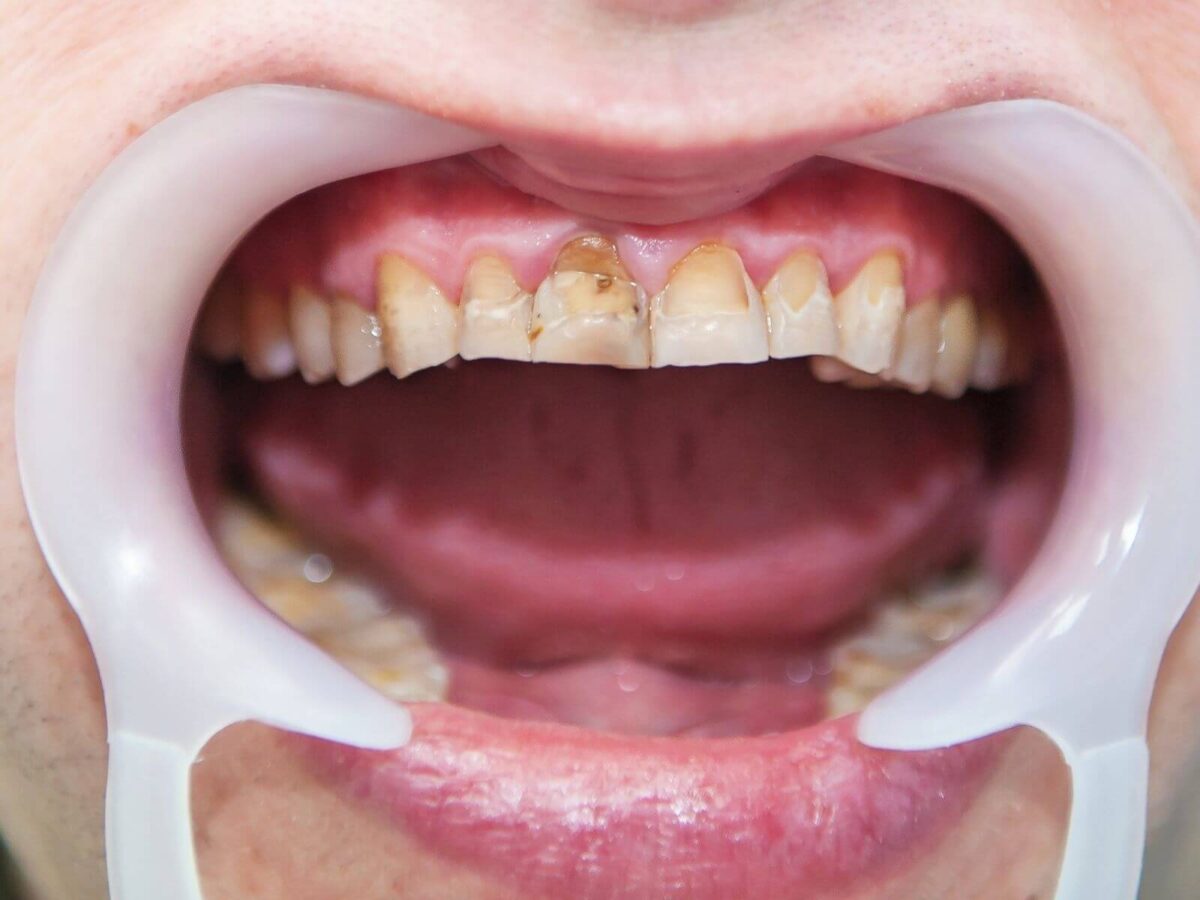
  • Severe Fluorosis: The most extreme Fluorosis causes dark brown marks on teeth with surface pits, weakening appearance and structure.

Dental Fluorosis Treatment Options

The appearance issues from dental Fluorosis bother patients more than any health impact does.
Different dental treatments exist to enhance the appearance of teeth damaged by Fluorosis conditions.

  • Teeth Whitening: Dental experts use teeth whitening methods to make mildly fluorosed teeth look lighter through stain removal. This remedy is not efficient enough for treating advanced Fluorosis conditions.
  • Microabrasion: By removing surface enamel through microabrasion, teeth stains appear lighter. This remedy addresses both mild and moderate Fluorosis cases sufficiently well.
    Binding: Your dentist uses a tooth-colored dental resin to mask tooth stains and beautify the front surface.
  • Veneers: Dental professionals make porcelain and composite veneers that match the front teeth and cover their surface. They match natural teeth efficiently and shield damaged areas resulting from Fluorosis. Veneers work best for patients who have mild to extreme staining.
  • Dental Crown: When tooth enamel becomes too weak in severe situations, dental crowns replace the damaged teeth and bring them back to full operation.
  • Enamel Microreconstruction: The advanced Procedure fills in lost enamel minerals to restore the tooth’s regular texture and external look when the damage is minor.
  • Composite Restorations: Experts place aesthetic fillings from composite materials in dentin pits while using them to fix tooth color to create stronger teeth and better smiles.

Preventing Dental Fluorosis

Taking action early stops dental Fluorosis from developing. Parents and caregivers need to follow specific actions to reduce their children’s chance of getting this dental condition.

Supervise children as they brush their teeth with only a pea-sized dot of fluoride toothpaste, then show them to spit out the paste after brushing.

Monitor water supply fluoride levels for your area. In high-fluoride regions, obtain a water filter that helps prevent fluoride overconsumption.

Discuss fluorosis intake options with your dentist or pediatrician before giving children fluoride supplements if they get enough fluoride elsewhere.
Motivate your child to practice dental care and schedule their dental appointments to find problems early.

Conclusion

Fluorosis produces visible problems in teeth when too much fluoride builds up during childhood tooth development. Studying dental fluorosis basics lets us control and stop this dental condition. Dental Fluorosis does not harm oral health; appropriate cosmetic treatments help patients look and feel better when smiling. Pay attention to fluoride use daily and continue dental checkups to keep your teeth healthy. Contact us at Elgin Dental to access our advanced dental services, including treatment of dental fluorosis. Schedule your consultation today.