
Elgin

Categories
Dental care

What You Should Eat After Wisdom Teeth Removal?

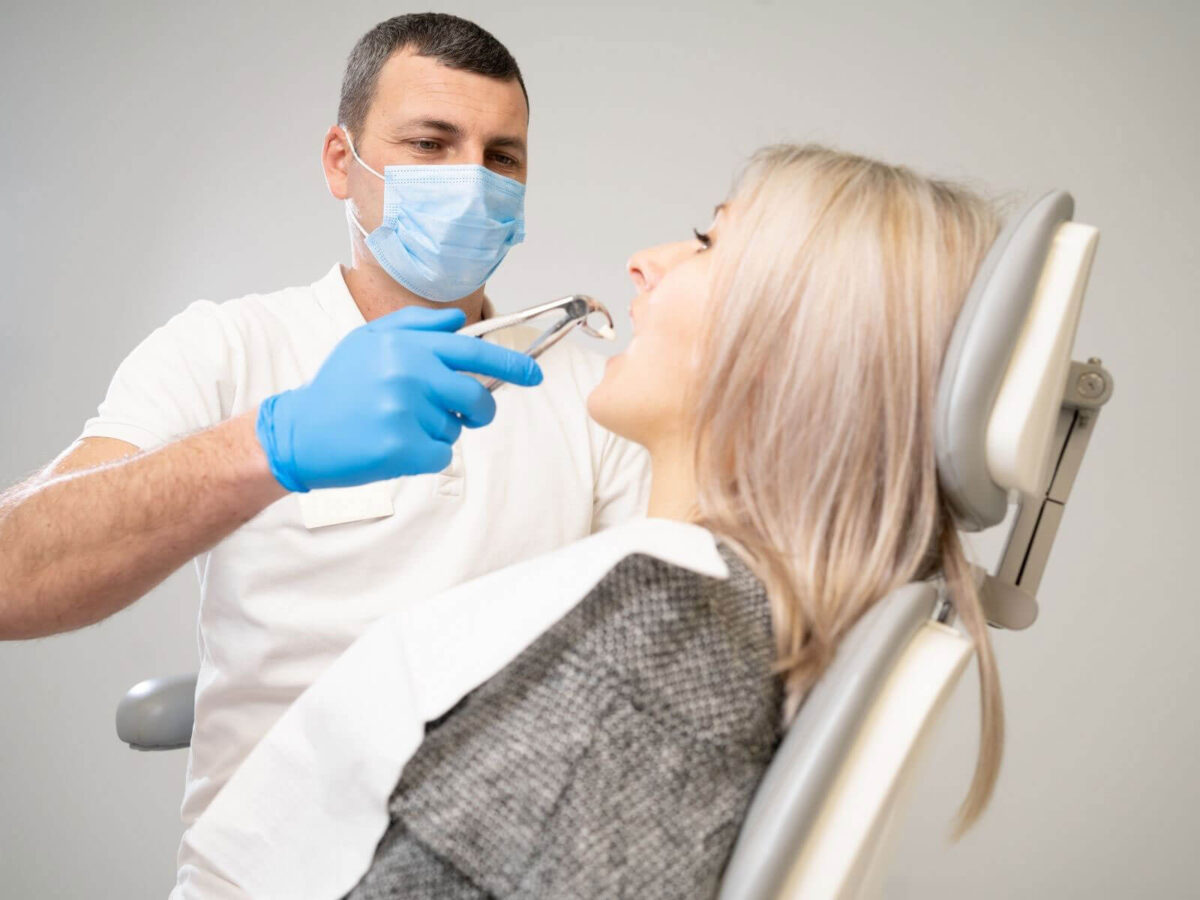
After wisdom teeth come out, the mouth slips into a brief healing phase where comfort matters more than habit. The muscles feel a bit worn, the gums are a little touchy, and the jaw moves like it’s thinking twice. In that time, food choices matter more than people expect. The question of what to eat after wisdom teeth removal becomes one of the first things that comes to mind because eating feels different for a few days.

Most people notice that the mouth sends clear signals right away. Chewing feels heavier. Warm food can feel slightly strong on the area. Cold food brings relief. The tongue moves carefully, and the jaw avoids pressure without being asked. These small reactions help shape a natural understanding of what foods to eat after wisdom teeth removal as the body adjusts to the early stages of healing.

The first days are about patience and choosing what feels easy. The goal is not to avoid food but to give the mouth what it can manage without irritation. When someone pays attention to these small cues, the answer to what to eat after getting wisdom teeth removed becomes much easier to navigate.

How the First Day Sets the Pace for Eating Comfortably

That first day tends to drag a little. The area stays sore, and the mouth is trying to make sense of everything that just changed. Even swallowing may feel slightly different. During this early stage, smoother textures tend to be the most comfortable. The body naturally leans toward options that require no chewing at all.

Cooler foods often feel especially soothing. They settle gently around the gums and do not put pressure on the jaw. This early experience teaches almost immediately what to eat after wisdom teeth removal without needing strict guidelines. The mouth’s reaction becomes the guide.

As the numbness goes and the tender spots calm down, people often notice they can handle slightly thicker foods again. It is not about pushing limits. It is about allowing the mouth to move at a pace that feels natural.

How the Mouth Reacts to Different Textures During Recovery

Texture plays a bigger role than most people realise. Even foods that seem soft can feel different once they reach the healing site. Something that melts easily feels comfortable, while something sticky may cling to areas that need to stay undisturbed.

The first signs of comfort help define what foods to eat after wisdom teeth removal more clearly. Smooth textures tend to move across the tongue with less effort. Liquids pass without asking the gums to work. Anything that crumbles or requires small bites often feels like too much in the first few days.

As the mouth heals, the gums become less reactive. People begin testing foods that offer slightly more substance, but still without much pressure. Every step in this process is quiet and shaped by how the mouth responds.

How Temperature Affects Healing Comfort After Removal

Temperature matters as much as texture. Very warm foods can create a throbbing feeling in the early stages. Cool or room-temperature items feel steadier and more calming. This difference helps explain what to eat after getting wisdom teeth removed in a simple way.

Cooling sensations bring comfort to swollen tissue. They do not irritate the healing site. Many people find that this becomes their preference until the sensitivity reduces. As the days pass, warm foods slowly feel easier, though the body tends to prefer moderate temperatures until healing is well underway.

How the Body Signals When It Is Ready for More Variety

Recovery tends to unfold gradually. A few people make progress quickly, and others take longer. The mouth guides the process. Struggling to chew usually means it’s still too early. Once the jaw relaxes and the soreness fades, foods with more texture become possible.

This stage helps refine what to eat after wisdom teeth removal as healing progresses. The person does not need a strict schedule. They only need to pay attention to comfort levels. If a food feels too heavy, it can wait. If it feels smooth and comfortable, it can stay on the menu. Moving carefully like this keeps the tender spot from getting bothered.

How Eating Slowly Helps

After removal, the mouth benefits from slower movements. Taking time with small bites prevents accidental pressure on the healing sites. It also allows the body to react before the next bite is taken.

Slowing down naturally shapes a clearer sense of what foods to eat after wisdom teeth removal each day. People start to notice what causes discomfort, what feels fine, and what actually brings relief. That awareness allows for gentle choices rather than strict rules. Eating slowly becomes easier, and normal routines come back without force.

How Drinking Enough Water Supports Recovery

Even when eating becomes awkward, drinking stays essential. Good hydration supports the healing tissues, keeps the mouth cleaner, and helps everything recover at a steady pace. Water is usually the easiest option since it doesn’t overwhelm the area with temperature changes.

Anyone unsure what to eat after getting wisdom teeth removed can always begin with hydration. Light, steady sips all day long prevent dryness and help the healing area stay at ease.

How the Body Adapts During Each Stage of Recovery

Healing shifts from person to person. Some can move to more varied foods in just a few days, while others stay slow and steady. The mouth moves at its own pace. It tightens, softens, shifts, and settles as healing moves forward.

This ongoing adaptation continues to clarify what foods to eat after wisdom teeth removal in a natural way. Early on, the mouth requests gentleness. Later, it allows slightly firmer textures. Eventually, it accepts normal food again without hesitation.

When the bite feels normal again and the tender spots calm, they can slowly work their favorite foods back into their routine. There is no exact timeline. The body decides the pace.

How People Gain Confidence With Food Again

Eating starts to feel easier once the early sensitivity fades. There’s a bit of quiet relief when people notice they can take slightly bigger bites without any trouble. The change happens slowly, almost unnoticed, as the gums settle into healing.

The reassurance allows the person to expand their choices, confirming a simple understanding of what to eat after wisdom teeth removal until the diet returns to normal. This stage is a sign that the tissue has rebuilt and that the jaw feels steady again.

Supporting Healing Through Calm, Comfortable Choices

Anyone healing after wisdom teeth removal can make things easier by listening to the body. The mouth usually knows its limits. Foods that slide easily tend to feel best in the beginning. Foods that require effort can wait until the tenderness fades.

Healing does not need to feel rushed. The person simply stays aware of what feels comfortable and makes choices that protect the healing site. With time, the mouth will return to its full range of movement.
Categories
Dental care

Dental Bonding or Veneers: Choosing the Best Smile Solution

A confident smile influences daily life more than many notice. When someone worries about chipped enamel, tiny spaces, or stains that will not fade, they start looking for a simple fix that feels natural. The choices often boil down to just two. Bonding or veneers. It’s the reason people compare dental bonding vs veneers while looking for a smoother smile and a little extra brightness up front.

Both treatments aim for a better smile, though each solution helps in a different type of case. One option can fix a tiny chip, and the other can makeover the whole smile. Here, everything is explained simply, so a person feels comfortable talking through choices with their dentist.

What Dental Bonding Actually Does

Bonding is a way for the dentist to add back what the tooth is missing. They place a tooth colored material, shape it with care, and set it so it holds strong. Then they smooth and polish until the tooth looks good again. It can fix a chip or a dark mark, or a little uneven edge that bothers someone every time they look in the mirror.

People like that it is quick and done in the same visit. It is often the first idea when someone thinks about veneers vs dental bonding, since the healthy tooth underneath stays the same, and the change feels small but helpful.

What Veneers Offer For A Visible Change

Sometimes a person sees their reflection and thinks, “I wish my teeth looked just a little different.” Veneers step in as that gentle upgrade, a thin layer over the front teeth that changes the look without changing the personality of the smile. Suddenly, the teeth feel brighter and even.

That is usually why people comparing dental veneers vs bonding end up choosing veneers when they want a bigger shift that still feels real and lasts longer.

When Small Changes Make A Big Difference

Some smiles really just need a little polish to feel right again. Maybe there is one small chip that catches the eye or a tiny gap that feels much bigger to the person who sees it every day in the mirror. When that happens, looking at dental bonding vs veneers becomes more about what feels simple and calm. Bonding can handle small flaws without reshaping much of the tooth, and people usually leave that same day already smiling a little easier.

When a person has never tried cosmetic treatment before, bonding offers a soft introduction. They get to see how a tiny fix can boost confidence at work or in photos, and then they can take their time deciding what comes next with dental bonding vs veneers.

How Durability Shapes The Decision

A new smile can feel exciting, but the way each treatment ages is not the same. Bonding looks really nice at the start, but over time, the resin might catch some stains or get a tiny bit worn. A quick visit now and then usually keeps things in shape without much fuss.

Most people notice that veneers stay smooth for a good while, even with snacks and coffee. When someone compares dental bonding vs. dental veneers, that kind of support often feels worth the choice.

Comfort And Sensitivity Considerations

Some patients worry about tooth pain during treatment. Bonding rarely causes irritation because the surface changes are minor. The tooth stays mostly untouched. That makes bonding comfortable for someone who wants the gentlest path to improvement.

A little reshaping helps the veneer feel like part of the real tooth, not something extra. The tooth may react at first with a small bit of sensitivity. But as soon as the smile comes together, that tiny reminder disappears, and the teeth feel normal again.

Comfort level matters. People with sensitive enamel or dental anxiety often explore bonding first before deciding on veneers later.

Stain Resistance And Appearance Over Time

Foods and drinks colour smiles gradually. Resin used in bonding absorbs pigment more than ceramic veneers do. That means regular polishing or selective changes are needed in the future. Bonding still looks beautiful at first, but may show the years more openly.

Ceramic veneers keep their shade longer. They hold colour through events, workdays, and life outdoors without much worry. When people picture a dramatic smile change, they often think of veneers because the transformation feels bold and stays bright.

This contrast becomes clear when comparing dental bonding vs veneers for someone who consumes a lot of coffee or tea. One treatment needs more maintenance, while the other keeps the appearance steady with fewer adjustments.

Cost And Practical Planning

Bonding costs less upfront because it uses fewer materials and less lab involvement. It fits tighter budgets and helps people achieve visible results without major investment.

Veneers cost more because each one is custom-made. Yet the lifespan can make the value clear over the years. Fewer replacements and fewer worry points give long-term peace of mind. Thinking through cost is not only about money today but also about how someone wants to feel about their smile years from now.

How Personal Style Affects Choice

Some patients want slight changes that keep their natural features visible. Others want a full refresh that feels like a new start. Bonding gives small changes and keeps the real shape in all ways. Veneers allow a bit more reshaping. They shape the smile into a more polished version of itself.

This personal preference influences the entire conversation. When reviewing dental bonding vs veneers, the right answer is the one that supports confidence every time the person looks in the mirror.

Easy Steps Before Choosing

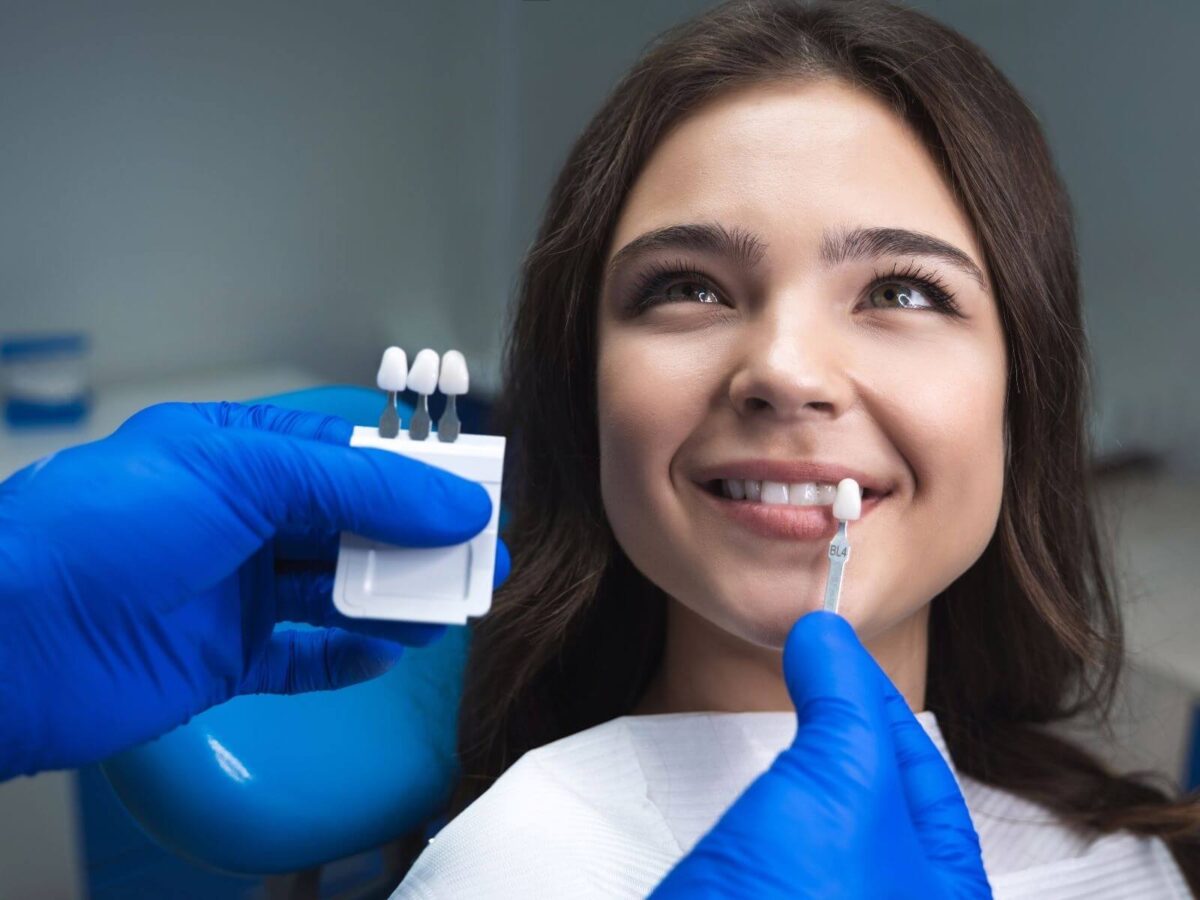
A thorough exam helps the dentist understand what the teeth need. Photos, shade matching, and small mock-ups help someone imagine the result. Many patients enjoy seeing how a small change shifts their expression. The dentist gives the plan so it fits health and appearance, not just one or the other.
Talking through expectations and time frames also matters. The office schedules treatment to avoid rushed decisions and support steady results.

Conclusion

Bonding works great when the issue is tiny, and someone wants a quick confidence lift without big changes. Veneers feel right for those looking for a long-term improvement that makes the whole smile feel refreshed. There is no “best” choice for every person. The best option fits with a person’s lifestyle, the way they look after their teeth, and how much transformation they feel excited about for their smile.

While thinking about dental bonding vs veneers, it helps to picture what feels natural day after day. A smile should feel easy and familiar, something to enjoy without checking on it or worrying about whether it still looks right.

You don’t have to make a big decision alone. A dentist who knows you can walk you through dental bonding vs veneers, answer what actually matters, and help you choose something that feels natural. A simple visit can bring clarity you may not find online.

Categories
Dental care

Professional Dental Cleaning: What You Need to Know

A routine cleaning does more than people expect. A trusted dentist in Elgin TX often hears patients say they should have booked sooner once they see the results. This simple visit reaches areas brushing misses, especially during tartar removal, and gives the gums a proper check. It also lets the dentist see small issues before they turn big. A steady routine at an Elgin dental office supports practical gum health maintenance and keeps care easy for families.

Why Professional Cleanings Do More Than You Think

Most home routines do a solid job, though some tight spaces still hang onto stubborn buildup. That soft film hardens slowly and begins to bother the gums. A professional cleaning clears that layer and creates a surface that everyday toothpaste can manage again. The appointment also lets the clinician check pocket depths and decide if extra steps make sense. This is not just polishing. When you keep up with tartar removal and basic gum health maintenance, small issues stay small.

How a Routine Cleaning Usually Goes

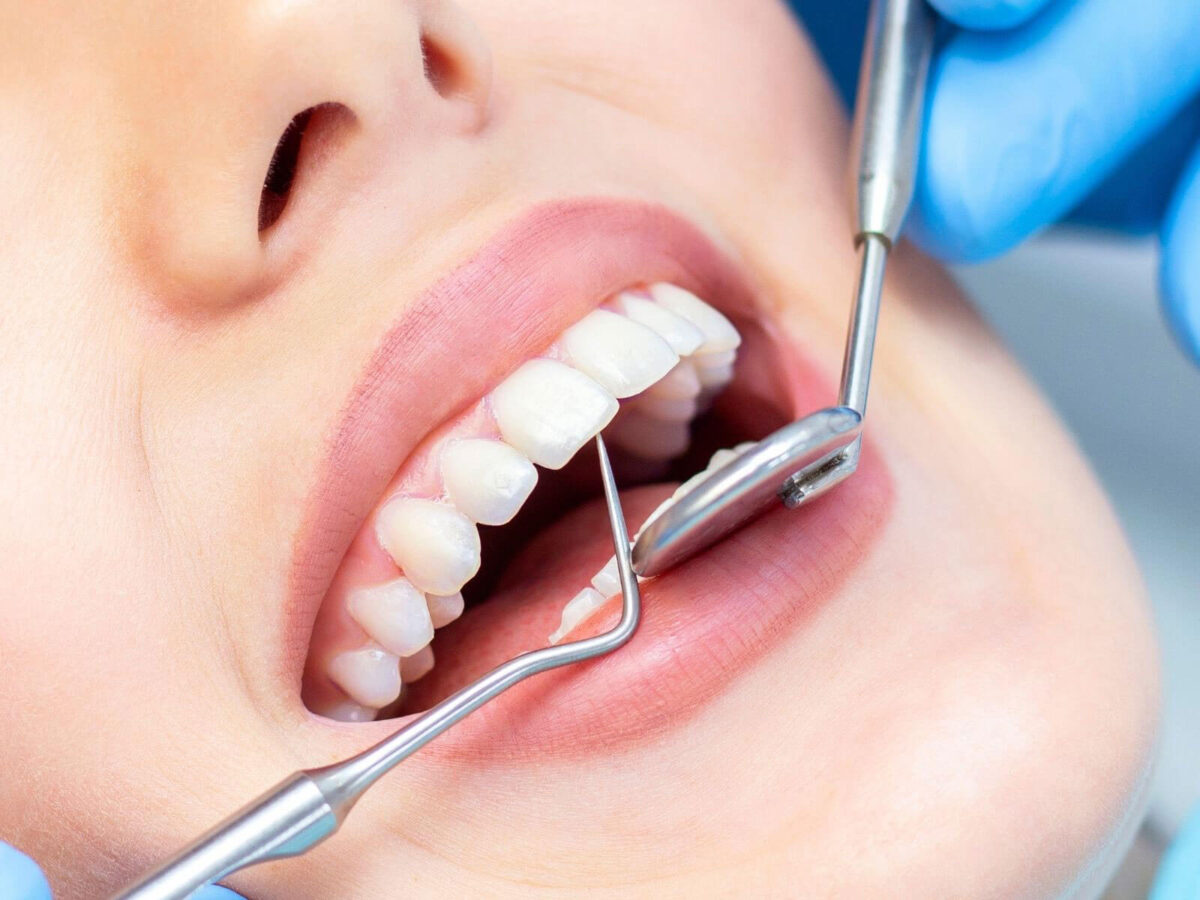
The appointment usually begins with a quick check of the gums and a brief chat about any concerns. After that, the clinician removes the hardened buildup from around and between the teeth with tools made for careful work. When the surfaces are cleaned, they are smoothed so plaque cannot cling as easily. A short polish comes next, and the visit ends with simple advice that helps keep things clean until the next checkup.

Tartar Removal And Why It Is Important

That sticky plaque most people get can harden into tartar before they even notice. When it does, the gums around it get annoyed, and the rough spots trap more bacteria than usual. A proper cleaning takes that layer off and brings the tooth back to a shape the gum likes. A clinician at an Elgin dental office usually explains how removing tartar early helps stop gum problems from moving forward and makes brushing at home more effective.

How The Clinician Checks Gum Health

A cleaning involves more than polishing. The clinician measures how snugly the gums fit around each tooth, because close attachment signals health. When pockets deepen, it may point to early gum issues. Keeping these measurements over several visits reveals a trend. That trend guides a Dentist in Elgin TX in choosing between regular cleaning and more focused care. Spotting problems early keeps treatment easier and the mouth steady.

Managing Sensitivity During And After Cleaning

It is common to brace for pain during a cleaning, yet most patients feel only light pressure. When an area feels tender, the clinician simply eases up or pauses for a breath. Once the visit is finished, teeth feel smoother, and sensitivity settles down quickly. Those who react easily often do well with a gentle toothpaste and a regular cleaning routine that keeps changes small.

How Basic Preventive Care Cuts Bigger Bills Later

Preventive visits save trouble later. A small filling from a dentist in Elgin TX costs less and heals faster than a major restoration. When cleanings catch early decay and calm gum irritation, emergencies become rare. Patients often feel the savings in money and stress. Fewer urgent trips also mean less time away from work or school. A steady routine at an Elgin dental office keeps care predictable.

When to Book Your Next Cleaning

For many patients, a six-month rhythm works well because their gums stay steady and their decay risk remains low. Others benefit from more frequent visits, especially when past gum disease, dry mouth or medical changes affect how the mouth behaves. A dentist in Elgin TX chooses the timing based on real needs. Small adjustments keep care focused and practical.

Polishing And Stain Removal Explained

Polishing leaves teeth feeling smoother and helps lift light stains from everyday drinks. It also clears small surface spots where plaque tends to settle. Polishing is not whitening. It does not change the natural shade of a tooth deeply. For a patient seeking a brighter shade, the clinician explains cosmetic steps available after ensuring the mouth is healthy. Polishing supports both comfort and confidence in everyday social settings.

What To Expect After The Visit

Most people resume normal eating and activities immediately. Some notice a slight increase in tooth sensitivity for a day or two, especially to cold. This fades quickly. The clinician provides simple instructions to ease any transient sensitivity and suggests products that maintain comfort. A follow-up visit or a shorter recall for high-risk patients keeps momentum and reduces the chance that the next appointment needs more extensive steps.

When Medical Conditions Change, The Cleaning Plan

Certain health factors affect oral care. Diabetes, autoimmune conditions and medicines that reduce saliva change how the mouth handles bacteria and how quickly deposits form. A Dentist in Elgin TX looks at your medical history first, then adjusts the cleaning pace and any fluoride or varnish steps when needed. Teamwork with a primary care provider helps when other body changes affect oral health directly.

Cleaning And The Lifespan Of Restorations

Crowns, fillings, and implant restorations need regular inspection. Calculus and plaque around margins can lead to decay or inflammation. During a cleaning, the clinician inspects these boundaries and suggests small repairs or adjustments as needed. Early action keeps a restoration serviceable and avoids replacement. A careful cleaning session protects both natural teeth and the dental work that supports daily function.

Insurance And Cost Notes

Preventive cleanings are often fully or mostly covered because they cut future expenses. Patients can check their policy details and schedule visits in a way that fits their plan’s allowances and timing. Clinics often help with insurance questions and provide clear estimates for additional steps beyond routine cleaning. This transparency reduces stress and lets patients prioritise the most important care without surprise fees.

Choosing A Trusted Local Provider

A trusted Elgin dental office shares findings in simple language and lays out a clear plan for care. Pick a clinic that checks pocket depths, shows images when useful, and helps set a recall pace you can keep. A clinician who listens and who offers practical home steps builds a long-term partnership that keeps dental care predictable and manageable.

The Takeaway

A professional cleaning does far more than brighten a smile. It lifts hardened buildup that brushing misses, checks how the gums are coping, and keeps small issues from growing quietly. When cleanings pair with steady home habits, the mouth stays healthier and easier to manage. Quick help also prevents surprises. A trusted dentist in Elgin TX and a friendly Elgin dental office help keep each visit calm, quick and easy to fit into normal routines, making long-term comfort simple.

To keep your teeth and gums healthy, set an expert cleaning with a trusted dentist in Elgin TX at an Elgin dental office. The team reviews health, performs tartar removal, checks gums and offers home steps. A short visit today helps keep your smile strong for years.