
Elgin

Categories
Dental care

Open Bite Vs. Overbite: What’s The Difference And Why It Matters

Most of us don’t really notice our bite. Not until something feels weird. Maybe your teeth don’t line up right. Or your smile seems off in pictures. Even chewing certain foods might suddenly feel like a challenge.

That’s when it starts to matter.

At Elgin Dental Office TX, we often meet patients who aren’t quite sure what’s going on with their teeth, just that something doesn’t feel right. A lot of times, the issue comes down to bite alignment. And two of the most typical bite issues? Open bites and overbites.
They might sound alike at first. But they’re two very different things.

Let’s break it down together.

What Is a Bite, Anyway?

Let’s clear something up first before we get into it. Your ‘bite’ is how your teeth line up. It’s how your top and bottom teeth come together when your mouth is shut. Ideally, they should fit like puzzle pieces—balanced and even.

But if that puzzle’s misaligned, it can create all sorts of problems.

Open Bite: When Your Teeth Don’t Meet

If your top and bottom anterior teeth don’t meet when your mouth is closed. That’s called an open bite. It usually leaves a visible gap between them. You can try biting down all the way, but the front just won’t close the gap. It might show up more when you smile, or when you’re trying to bite into something thin, like a sandwich or an apple.

Most open bites don’t hurt. But they can affect how you eat, speak, and even breathe. For kids, open bites often start with specific behavior. Thumb-sucking is a common one. Tongue-thrusting can also cause this if it persists after toddler years. Over time, that gap may feel like more than just a space. It can affect your confidence, posture, and overall health, too.

Overbite: When the Top Teeth Take Over

An overbite occurs when your upper teeth extend too far past the lower ones.

It’s normal to have a little overlap. In fact, a slight overbite is healthy. But when that overlap goes too far, covering too much of the bottom teeth, it becomes a problem.

You might notice more wear on your lower front teeth. You may even feel jaw discomfort or headaches you can’t really describe. And like any other misalignment, it can shift your speech or your smile.

This is a very common bite issue. It often runs in families.

Why Does Any of This Matter?

Here’s the thing—bite problems don’t always cause pain right away. That’s why so many people ignore them. But over time, they can lead to:

  • Uneven wear on your teeth
  • Jaw strain and discomfort
  • Speech issues or difficulty chewing
  • Higher risk of tooth damage or fractures
  • TMJ problems that lead to chronic tension

And let’s be honest—many people just don’t feel good about their smile when their bite feels “off.”

Signs Your Bite Needs a Second Look

Not sure whether you’re dealing with a bite issue? Here are a few little red flags:

  • Your teeth don’t close evenly when you bite
  • Food gets stuck in the same spots again and again
  • You avoid certain foods because chewing is tricky
  • You’ve caught yourself clenching or grinding
  • Your jaw pops or clicks more than usual

If any of that sounds familiar, it might be time to check in with your Elgin Dentist, TX.

How It’s Treated

Thankfully, both open bites and overbites can be corrected. And no—it doesn’t always mean metal braces.

In many cases, clear aligners are a great option. Invisible aligners are subtle and easy to remove. They can gradually shift teeth into a healthier position. For more complicated bite problems, braces or other orthodontic treatments may still be the most effective option.
But don’t let the word “orthodontics” scare you.

Fixing a bite is less about straightening for looks (though that’s a nice perk) and more about protecting your teeth for the long haul.

What Happens If You Ignore It?

Maybe you decide to leave your bite alone. But what happens if you do? Well, bite issues don’t stay the same forever. They often get worse. That minor popping can turn into full-blown jaw pain. Teeth may shift even further, making treatment harder down the line. You may even chip or crack teeth without realizing the real cause is your bite.

We’ve seen patients at Elgin Dental Office, TX come in years later saying, “I wish I’d done something sooner.” And they’re right—early treatment is easier, faster, and often cheaper.

Every Bite Is Personal

Here’s what we really want you to know: your bite is as unique as your fingerprint. Every smile is one of a kind. So, your treatment needs to be just as unique.

If you’ve been concerned about your teeth, consider this a gentle push. Get it looked at. Not because something’s wrong, but because it matters.

You should feel good every time you smile. And eating shouldn’t come with pain or frustration. You have the right to feel secure and at ease with your grin.

At Elgin Dental Office TX, we help people every day take that first step—no pressure, no judgment. Just real answers and the right kind of care.

Final Thought

Open bite or overbite—it might sound like just dental jargon, but these things have real effects on your life. Your bite affects how you talk and eat. It also impacts your confidence around others. It matters more than you probably realize.

Something might feel off with your teeth. If they don’t seem to line up right, that could be a problem. It’s worth getting it checked.
Sometimes, the first step to adjusting a bite is just starting the conversation.
Categories
Dental care

Foods That Strengthen Teeth While Wearing Braces

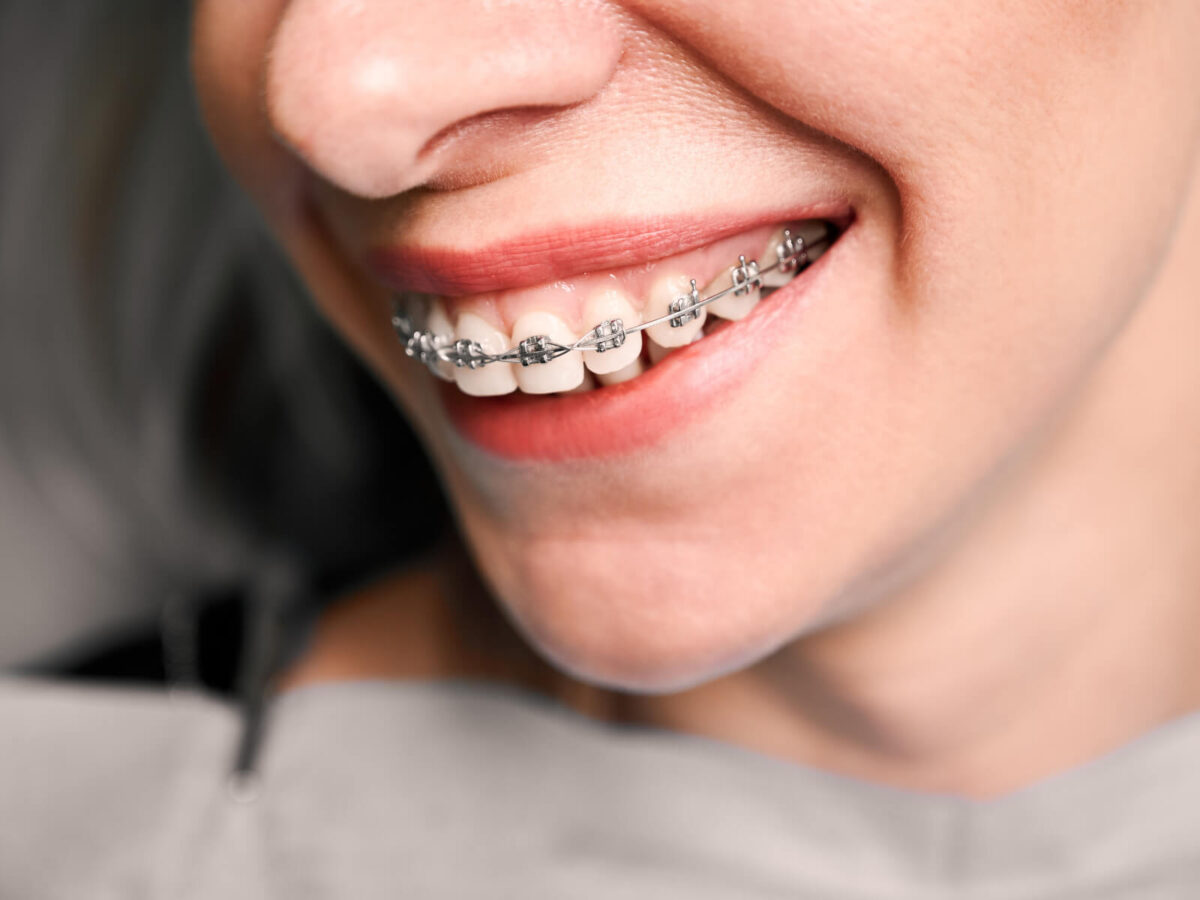
Starting out with braces can feel like a lot—your mouth’s sore, everything feels different, and now there’s a bunch of stuff you’re told not to eat. We get it. It’s a lot.

But here’s something that doesn’t get mentioned as much—it’s not only about avoiding certain foods. What you choose to eat matters too, because the right stuff can help keep your teeth strong, your gums healthy, and your braces doing their job.

At our Elgin Dentist TX office, we talk with patients every day who want to do this braces thing right, and food plays a bigger role than you might think.

Eating with Braces: More Than Just Avoiding Sticky Stuff

Sure, you’ve probably already sworn off popcorn and gum. But did anyone tell you that certain foods can actually help your teeth while you’re in braces?

Because here’s the truth—orthodontic treatment puts pressure on your teeth and jaws. So yeah, your body needs the right kind of fuel to keep things moving and your mouth feeling okay. Stuff like calcium, vitamin D, and protein can really help your teeth stay strong while they’re shifting into place.

So, What Should You Eat? Let’s Break It Down.

Here’s a list of the best foods for braces wearers that won’t wreck your hardware and will actually make your smile stronger from the inside out.

1. Yogurt (Plain Is Best)
Creamy, soft, and easy on the mouth, yogurt is a top pick. It’s loaded with calcium and protein. Just watch the sugar. Flavored yogurts are

sneaky.
Our go-to tip at the Elgin Dental Office, TX? Stir in some soft berries or a spoonful of nut butter for flavor without the sugar spike.

2. Eggs
Eggs are a lifesaver. Whether you like them scrambled, hard-boiled, or tossed into a quick omelet, eggs are an easy win. They’re packed with protein and soft enough to eat even when your teeth are feeling sore from a recent adjustment.

3. Steamed Veggies
Raw carrots and broccoli are no-fly zones when you have braces, but steaming changes everything. Toss some olive oil on roasted sweet potatoes or steam spinach for a vitamin-packed side dish.

4. Soft Fruits
Apples are tough to manage with braces unless you slice them really thin. Softer fruits like bananas, ripe pears, melons, or peaches are a safer bet—they’re way easier to chew and won’t put stress on your brackets.

5. Fish & Tender Chicken
Grilled salmon, baked tilapia, or shredded chicken breast are all braces-friendly proteins. These options are soft, rich in omega-3s, and way easier to chew than steak or jerky.

6. Smoothies
Smoothies are an easy choice when you’ve got braces. You don’t have to chew them, which really helps when your teeth are feeling sore after a tightening. Toss in a banana, a handful of spinach, some almond milk, maybe even a spoonful of peanut butter—it all works.

7. Oatmeal or Soft Grains
You might not think of oatmeal as a dental food, but it’s full of fiber and easy on your teeth. Quinoa and couscous are great too—just cook them well and avoid hard mix-ins.

What You Really Need to Avoid

Let’s be honest—some foods just don’t mix well with braces. One wrong bite of the wrong thing, and you could mess up the progress you’ve made.

  • Popcorn: Even the tiny kernels can snap wires or lodge in gum lines.
  • Hard candy or nuts: These are wire-breakers, plain and simple.
  • Gum & sticky sweets: Goodbye caramel, taffy, and gummies.
  • Crunchy raw veggies/fruits: Apples, carrots, corn on the cob—skip them or cook them soft.
  • Soda & sugary drinks: These wear down enamel and feed bacteria around the brackets.

When patients call us at the Elgin Dental Office, TX, with a broken bracket, it’s usually after eating something on this list.

How to Keep Meals Interesting (And Safe)

Let’s face it—soft foods can get boring fast if you’re not careful. Here are a few simple ideas to keep your meals fun without causing trouble:

  • Switch up your smoothie ingredients. Don’t be afraid to throw in avocado, chia seeds, or a little cocoa powder.
  • Go international. Try soft-cooked rice dishes like congee, dal, or risotto.
  • Make soup your go-to. Broth-based or creamy, soup is a cozy, tooth-friendly meal.
  • Use your slow cooker. It turns tougher meats and veggies into tender, melt-in-your-mouth meals.

What If Something Goes Wrong?

Let’s say you ignored the popcorn warning (hey, it happens) and now you’ve got a pokey wire or loose bracket. First off, don’t stress. Just call your Elgin Dentist, TX, and schedule a quick fix.
In the meantime, go for softer meals and avoid chewing on the side that’s hurting.

Smoothies, mashed potatoes, eggs, and soft fruits can get you through until your appointment.

Wrapping It Up: Eat Smart, Smile Strong

Braces aren’t only about getting your teeth straight—they’re part of the bigger picture when it comes to your overall dental health. Building a healthy smile with braces doesn’t happen overnight—it takes patience, good care, and the right food to back it all up. What you eat really does matter. Some foods do support your teeth and gums while you’re in treatment, but others can just make things harder or slow your progress.

Having braces isn’t just about avoiding the foods that can cause problems. It’s also about choosing stuff that actually helps your teeth stay strong. Eating soft, healthy meals gives your mouth a break and helps things heal the way they’re supposed to. If you stick with the good stuff and skip the obvious troublemakers, your treatment will go a whole lot smoother.

And hey—if you ever have a food question or need a repair, your local Elgin Dentist TX, is always here to help. You’re not in this alone.