
Elgin

Categories
Dental care

Types of Dental Crowns: Which One Is Right for You?

Dental crowns tend to come up after something has already happened to a tooth. A large cavity, a crack, a root canal. By the time the word crown is mentioned, most people are already a little tense. Then another layer gets added. Not just a crown, but a choice between materials. Porcelain or metal. Ceramic or something mixed. That’s usually when the question shifts from why to which.

Understanding the types of dental crowns isn’t about memorising materials. It’s about knowing why one option might make sense for one tooth and not for another. Teeth don’t all do the same job, and crowns aren’t all meant to do the same thing either.

Why There Are Different Types Of Dental Crowns

Teeth experience different kinds of stress depending on where they are in the mouth. Front teeth deal more with appearance. Back teeth deal with heavy chewing. Some teeth are visible every time you smile. Others are hidden but take a lot of pressure.

That difference is the reason there are different types of dental crowns in the first place. One material doesn’t handle every situation equally well. Dentists choose crowns based on strength needs, appearance, and how much natural tooth is left.

Porcelain Crowns And Why They’re Chosen

Porcelain crowns are usually chosen for the teeth that are in the front. They look the most like natural enamel. Light passes through them in a way that feels familiar rather than artificial.

When appearance matters most, porcelain usually comes up in the conversation about types of dental crown options. They blend well with surrounding teeth and don’t show metal at the gumline.
The tradeoff is strength. Porcelain lasts for a long time, but it isn’t always ideal for teeth that take heavy biting force.

Porcelain Fused To Metal Crowns And Their Middle Ground

Porcelain-fused-to-metal crowns weren’t about blending in completely. The priority was strength. The porcelain layer was added mainly so the metal underneath wouldn’t be the first thing people noticed.

They’ve been used for a long time. Not because they’re perfect, but because they generally work. They’re strong, they handle pressure well, and for many people, they look natural enough at first that they don’t think twice about them.

What tends to change isn’t the crown itself. It’s everything around it. Gums don’t stay exactly the same forever. When they recede, even slightly, the metal edge near the gumline can start to show. Some people notice it right away. Others don’t, until someone points it out.
That moment is usually when people start reconsidering. Not because the crown failed, but because the look shifted. That’s why this option quietly fell out of favour for some patients. But it’s still one of the different types of dental crowns used today.

All-Ceramic. All-Porcelain.

All-ceramic didn’t feel like an obvious choice in the beginning. Same with the all-porcelain crowns. But as materials evolved, the concern about strength faded little by little rather than all at once. Today’s ceramics can hold up well while still offering a more natural appearance than older options.

For people who prefer metal-free dental work, this option tends to feel like an easy choice. It also comes up often for patients who have sensitivities or simply don’t want metal in their mouth at all. There’s a comfort factor there, both physically and mentally.

When conversations turn to types of dental crowns, all-ceramic crowns usually enter the picture once appearance and biocompatibility start to matter more than raw strength alone.

Zirconia Crowns And Why Strength Matters

Zirconia crowns are usually associated with strength. They hold up well under everyday chewing and don’t react as easily to pressure. That resistance to fracturing is a big reason they’re often used in high-stress areas of the mouth.

Early versions were very strong but less natural-looking. Newer zirconia crowns balance strength with improved appearance.
For back teeth, especially, zirconia often becomes part of the different types of dental crown conversation because durability matters more than translucency.

Gold Crowns And Why They’re Still Used

Gold crowns can be unexpected. While some see them as outdated, they’re still chosen when needed. Gold is long-lasting and tends to be kind to opposing teeth. With time, it wears close to natural enamel, helping protect what it bites against. That balance is why it continues to be used in certain cases.

These crowns are often chosen for molars, where appearance isn’t a concern. They last a long time and rarely fracture. Even though they’re less common, gold remains one of the types of dental crowns that dentists trust for longevity.

Stainless Steel Crowns And Temporary Use

Stainless steel crowns are most often used as temporary crowns or for children’s teeth. They’re durable and affordable.

In adults, these tend to be used temporarily rather than as a permanent answer. They protect the tooth and buy time until the final crown is ready.

Because of that role, they still come up when people talk through different types of dental crowns, even if they’re not meant to last indefinitely.

Why One Crown Type Isn’t Automatically Better

People ask all the time which crown is best, but the real answer depends on the tooth. What works great on a back molar might not look right in the front. Some crowns are picked for strength, even if they’re not the prettiest. Others look great but aren’t built for heavy grinding. That trade-off is why dentists walk patients through types of dental crowns instead of giving one standard choice.

How Bite And Habits Affect The Choice

Not all teeth deal with the same amount of pressure. Grinding, clenching, and bite alignment can change that quite a bit. Teeth that carry more force tend to need materials that are built to last.

This is why dentists spend time asking how you chew and where pressure lands, not just how a crown will look once it’s in place. Function tends to come first in those conversations. That practical way of thinking often guides recommendations between different types of dental crowns.

Cost Differences And What They Reflect

Crown costs vary by material and complexity. Stronger or more aesthetic materials often cost more.

Cost usually reflects lab work, material strength, and fabrication process, not just appearance. While budget matters, it shouldn’t be the only factor in choosing among types of dental crown options.

Longevity And Maintenance Over Time

Every crown needs care. Daily cleaning still matters. So do regular dental visits. And if grinding is part of the equation, that usually needs to be addressed as well. Skipping any of that tends to catch up eventually.

Because different materials respond differently over time, lifespan becomes part of the decision. That’s why longevity is always part of the discussion around different types of dental crowns, not something left until later.

Why Dentist Recommendation Matters

Dentists base recommendations on tooth location, remaining structure, bite force, and long-term risk. It’s not about preference. It’s about matching the crown to the job the tooth needs to do.
That matching process is the real point of understanding the types of dental crowns.

Final Thoughts

Looking at types of dental crowns isn’t really about deciding which material is better overall. It’s about context. Each tooth is different. Each bite is different. And each mouth handles force in its own way.
The crown that works best is usually the one that supports the tooth without introducing new stress later on. That quiet compatibility tends to matter more than the material itself.

If you’ve been told you need a crown and aren’t certain which option really fits your situation? It helps to have your dentist walk through the different types of dental crowns suggested for you. A short talk can show why one material suits your bite more comfortably than another.
Categories
Dental care

Benefits of Regular Dental Checkups for Children and Teens

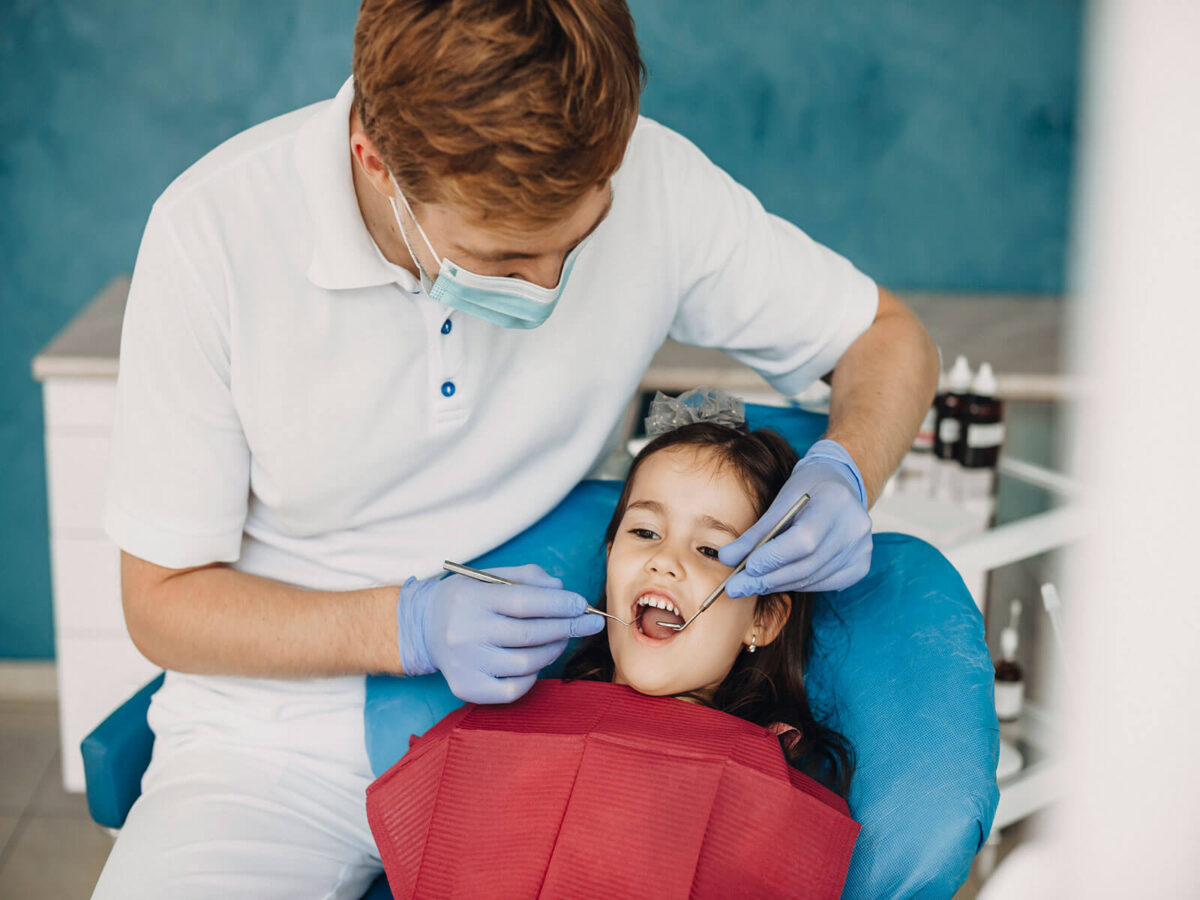
Most parents don’t question that checkups help, but the question “what are the benefits of dental checkups” still comes up, especially when schedules are busy, and kids seem fine. The benefits usually show up quietly. Problems get caught early. Routines form without much pressure. Over time, regular dental checkups mean less stress around dental care. Kids know what to expect, which helps a lot. This article looks at the real-life benefits of dental checkups for children and teens, without turning it into a lecture.

Catch Cavities Early — Less Drilling, Less Worry

Most cavities start small. No pain or warning. They’re often found during a quick exam, before they grow into something harder to manage. Treating a small cavity usually takes less time and less effort than fixing a bigger one. That simple difference is one of the clear benefits of dental checkups. For families juggling schedules, it usually means fewer missed school days and less time pulled away from work by urgent visits.

Professional Cleaning And Prevention That Actually Work

A cleaning removes what home care can miss. Plaque and tartar hide in tight spots. Fluoride and sealants add a layer of protection on new molars. Those brief steps add up. If a child keeps up with dental visits, tooth decay usually shows up less over time. That ongoing support is why many parents believe in regular dental checkups. Prevention costs less and leads to smoother days.

Watch Growth And Plan Braces Before They Surprise Anyone

Teens grow fast, and their teeth change along with them. Things shift. Spacing changes. Bite patterns can look different from one visit to the next. When checkups are regular, changes don’t come as a surprise. The dentist sees them building over time. Crowding and bite issues usually start small, and dealing with them early is often much easier than waiting. That early awareness can mean simpler orthodontic work down the road. It often saves money, too, and can shorten how long braces are needed. This is a clear example of how the benefits of regular dental checkups for kids show up during the teen years.

Spot Health Clues Beyond Cavities

The mouth shows signs of more than tooth trouble. Things like enamel wear from reflux or signs of grinding are often picked up during a visit. A short check can mean a referral to a doctor or a simple home change that makes a difference fast. That broader watch is one of the quieter benefits of dental checkups for families. The dentist often sees what a parent might miss.

Build Better Habits Without Nagging At Home

Routine matters more than reminders for kids. When dentist visits are regular, they feel familiar. Not stressful. Daily cleaning fits into that same pattern. During checkups, the advice is usually simple and practical. Short tips that parents can try without changing everything at once. Small swaps add up. One less sugary drink. One better brushing habit. Over time, those changes stick. That’s often where what are the benefits of dental checkups really show up.

Reduce Fear And Make The Chair Less Scary

Regular, calm visits make the office familiar. When a child sees the same friendly faces and the same steps, fear fades. That means fewer tears and quicker visits. Teens benefit too because good early experiences lower avoidance later. Normal visits make emergencies easier to handle since trust is already built. That emotional side is often the most valuable of the benefits of regular dental checkups.

Save Money And Time With Fewer Emergency Visits

Taking care of things early usually costs less than waiting for an emergency. Minor fixes are faster and far easier to plan for. A checkup can be booked around school and work without much disruption. Emergency visits don’t work that way. They often mean last-minute calls, missed hours, added stress, and higher bills than expected. For families juggling busy schedules, sticking with regular care is a quiet way to protect both time and money. That everyday balance is one of the real benefits of dental checkups for families.

Tailored Advice For Sports, Diet, And Braces

Every child brings something different to the chair. One plays contact sports and needs a properly fitted mouthguard. Another grinds their teeth or has habits that slowly wear enamel down. Some kids often need a fluoride plan that actually fits their routine. Advice tends to stick better when it’s shaped around the child right in front of the dentist, especially with teens. Long talks usually go in one ear and out the other. But a few clear, useful tips can actually land.

Small changes with acidic drinks or snacking are easier to follow and keep up with. That kind of personal guidance is one of the everyday benefits of dental checkups that families notice over time.

Support For Kids With Special Needs Or Medical Conditions

Some children need extra planning. Regular visits let the team learn how to make visits calm and safe. Shorter appointments, special aids, or coordination with doctors make a big difference. For families facing extra health concerns, these adjustments are a major benefit of steady checkups. They turn a hard visit into one that works.

Know The Milestones And Avoid Surprises

New molars, lost baby teeth, and wisdom tooth timing all matter. A dentist watching year to year can give clear timing and flag anything unusual. That steady view removes guesswork. When a parent knows what comes next, planning braces, space maintainers, or simple fixes becomes easier. This predictability is an underappreciated part of what are the benefits of dental checkups.

How To Get The Most From Each Visit

Checkups work best when they’re routine and expected. Not rushed. A short list of questions helps keep things focused. Sharing updates about health or medication matters more than people think. Many families also find it helpful to ask for one simple thing to work on at home before the next visit. When that information stays in the chart, care stays consistent. Taken together, these steps help the benefits of dental checkups continue between visits.

When A Child Might Need More Frequent Visits

Kids don’t all follow the same path. Some can stay on a standard schedule. Others need to be seen more often. Early decay, braces, or medical concerns can make closer follow-up helpful. Those extra visits give small problems less room to grow. Instead of reacting later, things are handled along the way. That kind of steady monitoring makes care easier in the long run and shows one of the practical benefits of dental checkups when routine visits aren’t quite enough.

Final Thought And A Gentle Next Step

The real benefits of regular dental checkups show up in small, steady ways. Small problems get handled early, and habits get stronger. Visits tend to feel less stressful. There are usually fewer cavities, better planning for braces, and a calmer chair experience overall. If six months have passed, it may be time to book. One quick visit can help protect smiles all year.

Categories
Dental care

Veneers vs Crowns: What’s the Difference?

A tooth gets damaged, and choices follow. Sometimes quickly. That is when veneers vs crowns comes up, often before much detail is shared. Both can improve how a tooth looks. Both offer protection. They are just meant for different kinds of problems, which is why the suggestion can feel unclear at first.

One works mostly on the visible surface. The other supports more of the tooth underneath. That difference affects strength, coverage, and how much natural tooth stays involved. Once that part is understood, the decision usually feels less confusing.

What A Veneer Is And What It Does

A veneer is a very thin layer placed over the front of a tooth. It covers what shows when you smile. Things like stains that do not respond to whitening or uneven edges are where veneers usually come in. The focus stays on what is visible. No more is changed than needed. Each veneer is shaped and coloured to match, so it fits in quietly with the surrounding teeth. Most of the original tooth stays in place underneath. Only a small amount of surface is adjusted so the veneer can sit properly.

Veneers are usually chosen when there is no more serious damage to fix. They are more about looks than mechanics. In many cases, fixing just the visible surface does the job. That simple change is often all it takes to feel at ease smiling again.

What A Crown Is And Why It Is Used

A crown sits over the entire visible part of a tooth, almost like a fitted cover. This choice usually comes up when a tooth is no longer strong on its own. Cracks, heavy decay, or old fillings can cause that. Teeth after a root canal often need the same support. A crown covers the tooth and supports it when you chew. It helps the tooth look right again and feel solid. When biting pressure is high, this kind of full coverage usually makes the tooth feel more secure.

Material Differences — What Each Is Made From

Veneers and crowns are often ceramic. The goal is a colour that looks natural. Porcelain is used a lot because it reflects light well and doesn’t dull easily. A metal base is used in certain crowns to add support. This is common for back teeth that handle strong chewing. Veneers do not usually need that and may use composite resin instead. That choice is usually made when speed or budget matters more.

Material affects more than just looks. It affects strength. Porcelain tends to look the same for longer. It does not stain as easily. Crowns with a metal base can stay strong for a long time. The downside is that the gum line may darken as they age. This is one of the small but important points in dental crowns vs veneers, especially for teeth that take more bite force.

How The Dentist Prepares The Tooth For Each

Veneer preparation removes a thin layer from the front surface. The goal is to make space for the shell so the tooth does not look bulky. The work is conservative compared with crowns. Crowns require more reshaping because the entire tooth surface is reduced to let the cap fit over.

Both procedures may use a temporary cover while the final piece is made. The lab work and bonding steps differ, but the focus remains the same: fit, colour, and comfort.

How They Look And How Natural They Feel

A well-made veneer usually blends in without much effort. On front teeth, it often feels natural right away. The tooth keeps its original shape. Because of that, the bite usually stays the same. Crowns are different. They reshape the tooth completely, which can feel odd for a short time. Most mouths adjust faster than expected.

How the tooth looks in the end depends a lot on the work behind it. Skill matters here. When the dentist and lab work well together, the result looks normal, not obvious. This point comes up many times with veneers vs crowns, mainly for front teeth, where small changes are easier to see.

How Long Does Each Last

Crowns are built for strength. They hold up well when the chewing force is high and tend to last longer in those spots. Veneers are different. They can last a long time too, but only when they are placed on teeth that are not under much stress. Both need upkeep.

Habits build up slowly. Clenching adds stress and can reduce the lifespan of dental work. So can chewing hard things or missing dental visits. Protection, like a night guard, helps some people avoid early damage. These factors matter when comparing dental crowns vs veneers, sometimes more than the material choice itself.

Cost Differences In Simple Terms

Costs vary by material, clinic, and region. Veneers are often cheaper per tooth than full ceramic crowns when only the front surface is involved. But a good quality porcelain veneer and finely done crowns may sit in similar price ranges. The full plan cost depends on how many teeth and what prep work is needed.

A clear estimate from a trusted clinic makes the numbers useful. Asking what is included prevents surprises.

When A Veneer Is Usually The Right Choice

Veneers fit when the tooth needs a cosmetic touch. Small chips, minor gaps, stubborn stains, and slight shape fixes are common reasons. When the tooth has strong walls and the bite is normal, a veneer preserves more of the natural tooth and gives a very natural look.

When A Crown Is Usually The Safer Choice

Crowns are usually chosen when strength matters more than minimal coverage. Large breaks, wide older fillings, or teeth that have already had root canal treatment often need that extra support. Back teeth, especially those used heavily for chewing, tend to last longer under crowns. The decision often leans toward durability instead of being conservative with tooth removal.

Care And Maintenance For Both Options

Care routines stay familiar. Gentle brushing works better than pressure. A soft brush is enough. Daily cleaning between teeth makes a real difference. Problems are easier to spot during regular checkups. Avoiding hard biting habits helps too, especially over time.

Grinding changes things. If that is an issue, asking about a night guard can help protect both the work and the natural teeth nearby. These everyday habits are part of the veneers vs crowns decision, even though they do not always get much attention.

Matching The Choice To Life And Budget

If appearance is the main goal and the tooth structure is strong, veneers often match the need. When strength matters most, a crown makes more sense. It supports the whole tooth. The best plan balances look, function, and budget. A careful exam and a clear talk with the dentist show the right path.

Final Thought And A Simple Next Step

While veneers vs crowns can both improve a tooth’s look and function, they are meant for different situations. The choice depends less on appearance and more on what remains of the tooth. Strength comes first. Looks follow after. Position matters too. Front teeth and back teeth carry very different loads.

Long-term goals also play a role, whether the focus is on looks, strength, or simply keeping the tooth stable. A short visit usually clears this up. X-rays, a quick exam, and a few direct questions help more than online searching. Asking for a simple talk and a clear estimate usually makes the decision feel calmer and more grounded.