Elgin

Categories
Dental care

Why Are They Called Wisdom Teeth?

What The Name “Wisdom Teeth” Actually Refers To

The name can feel a little unusual at first. Teeth are usually named for their position or purpose. Not something like wisdom. That is why people stop and ask, why are they called wisdom teeth.

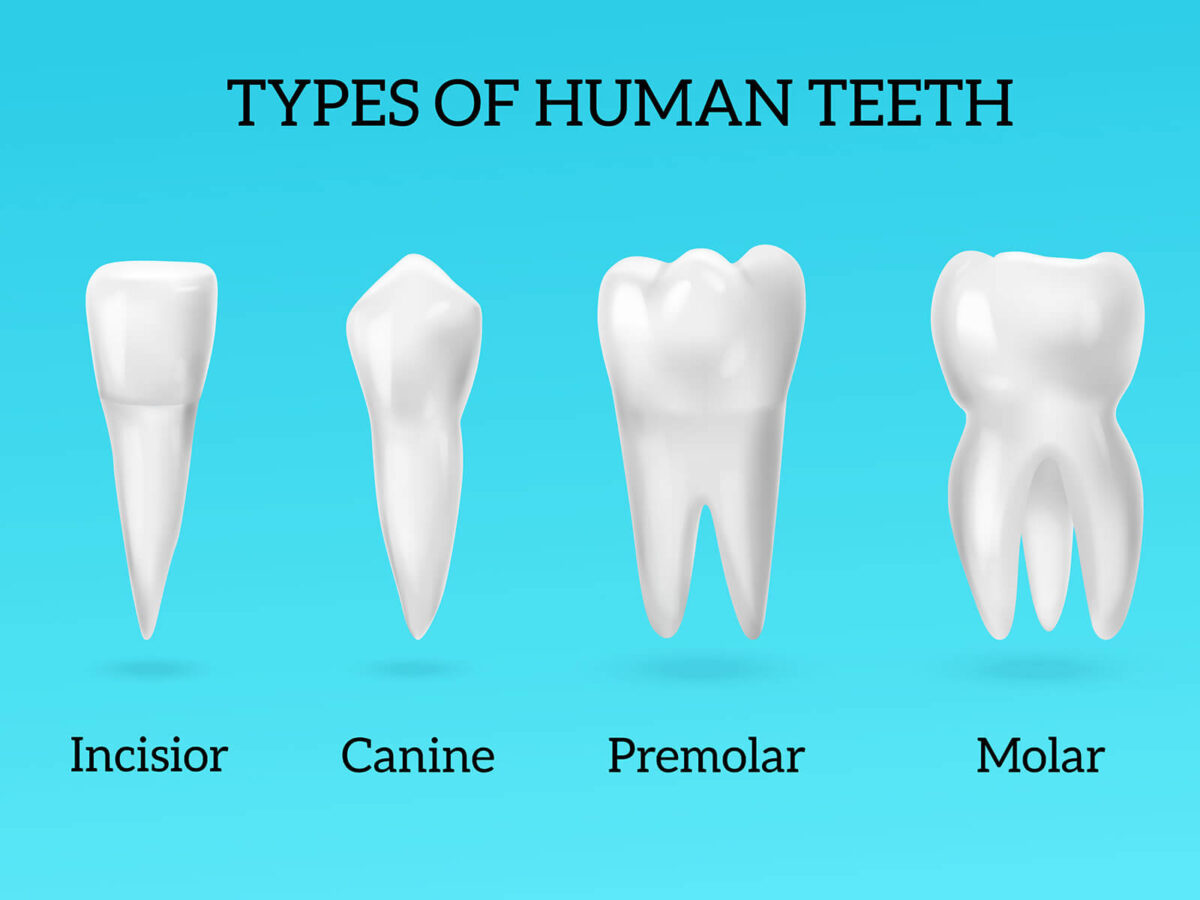
These are the third molars, and they do not come in early. They take their time. For most people, they show up in the late teens. Sometimes a bit later, into the early twenties. By then, life already feels different. You are not a child anymore.

That timing is really what shaped the name. Not the teeth themselves. Just the stage they show up in. People long ago linked that phase with growing up, and the name stayed. Even now, with everything we know about dental care, that part has not really changed.

You will usually see these teeth come in during early adulthood. The American Association of Oral and Maxillofacial Surgeons puts that somewhere around 17 to 25. That timing still explains the name better than anything else.

Why Timing Plays Such An Important Role In The Name

Most permanent teeth arrive early. By the age of twelve or thirteen, nearly all adult teeth have already come in. Wisdom teeth break that pattern. They arrive later. Sometimes much later. This delay is the main reason behind the name.

When people ask, “Why is it called the wisdom tooth?”, the answer often comes back to timing rather than function. These teeth are associated with a period of life when individuals are expected to have gained more experience.

The link is more symbolic. It reflects how people once understood growth and maturity, not just the physical side of it.

How People In The Past Saw Wisdom Teeth

The idea of linking wisdom to these teeth is not something new. Long ago, people saw that these molars came in later than the rest. That timing made them connect it with growing up. In certain traditions, it was taken as a sign that a person was no longer a child. That is where the spiritual meaning of wisdom teeth begins to come in.

It was not really the teeth that people focused on. It was what they seemed to mean. Since they came in later, they got linked to adulthood. A stage where you had to start figuring things out on your own. Even now, those ideas still stick around.

What Wisdom Teeth Have Been Thought To Mean

When people talk about the spiritual meaning of wisdom teeth, it usually comes back to growth. It is not just physical. It also feels personal. Some take it as a sign of growth. Others see it as part of change. It often comes at a time when people start understanding themselves a bit more. Because of that, it often gets linked to personal change. These ideas are not scientific, but they still play a role in how people think about “why are they called wisdom teeth”.

Why Modern Dentistry Uses A Different Perspective

In dentistry, wisdom teeth are simply the third molars that appear later than the rest. They are part of the normal growth of the mouth. Dentists focus more on how they develop, how they align, and whether they cause any problems. The name does not really change what they do. Still, people have kept using it for years.

It is still what people say in clinics and everyday conversations. This shows how language can carry older ideas forward, even when the scientific understanding behind it has moved on and changed over time.

How Evolution May Have Influenced Wisdom Teeth

There is another angle to consider. Human jaws have changed over time. Early humans had larger jaws. Back then, more teeth helped with tougher foods, and wisdom teeth fit right into that.

Over time, diets changed. Jaws became smaller. Space became limited. This is why many people experience crowding or impaction today.

According to research published by the National Library of Medicine, modern humans often have insufficient space for wisdom teeth due to evolutionary changes in jaw size.

This evolutionary shift does not explain “Why is it called the wisdom tooth”, but it does explain why these teeth often cause issues now.

Why Wisdom Teeth Do Not Always Grow The Same Way

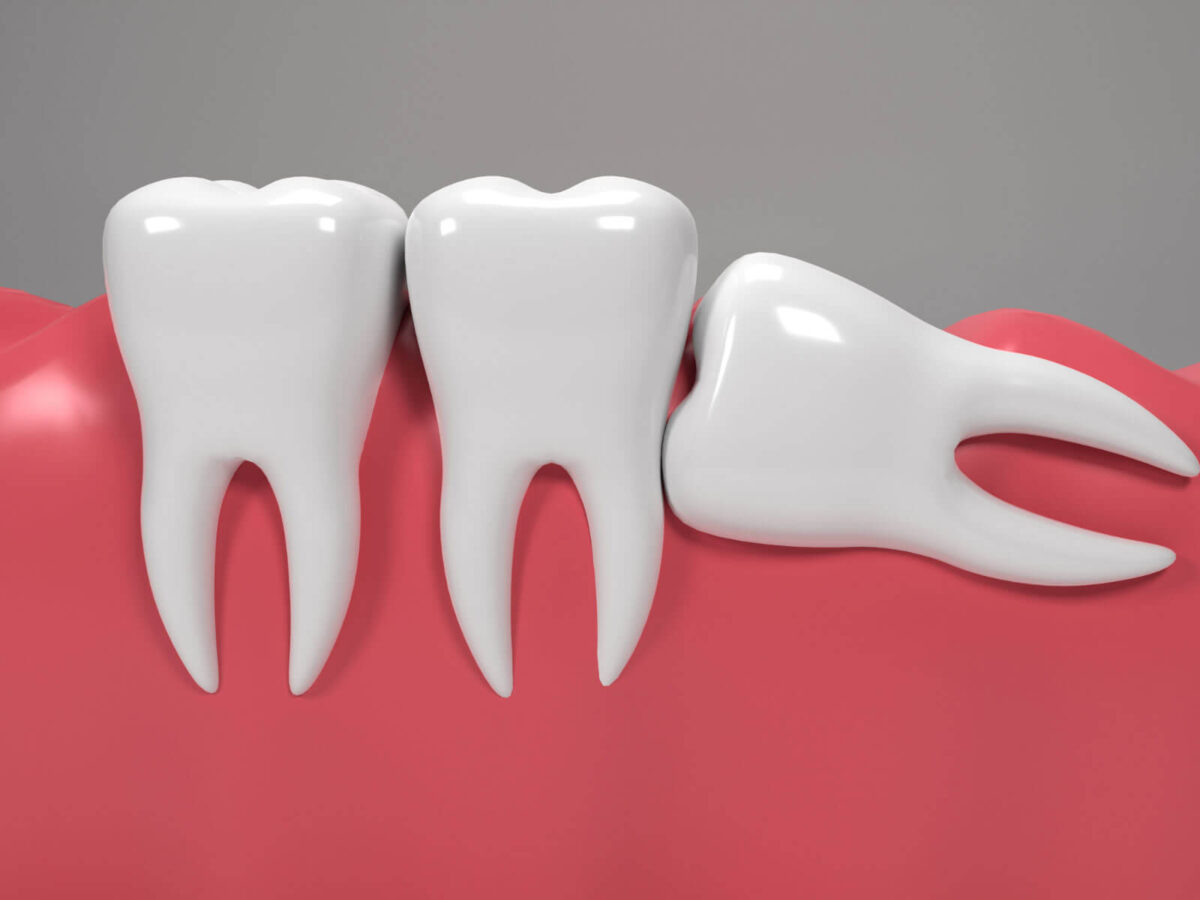
Not everyone has the same experience with wisdom teeth. You might get all four, or you might not. Even then, they do not always come in completely. They can stay trapped or grow in a different direction.

Because of this, they are not as essential as other teeth. They are part of development, but not always useful. The name, though, does not change. People continue to call them wisdom teeth regardless of how they grow.

What The Name Says About How People See It

The name “wisdom teeth” shows how people connect physical changes with life stages. A big reason is that the name is easy to understand. There is a meaning attached to it. Asking “Why are they called wisdom teeth?” shifts the focus away from biology and more toward how people interpret it.

It shows how humans tend to attach significance to natural processes. Growth is not just physical. It is also symbolic. It brings a bit more depth to something that could otherwise seem just clinical.

Why The Name Still Makes Sense

Many medical terms change as knowledge evolves. “Wisdom teeth” has remained consistent. The name is easy to understand, and that is a big reason it stuck. It connects to a stage of life that people know. Even as dentistry has advanced, the term still makes sense. It still describes when these teeth appear. That lasting relevance is why the question “Why is it called the wisdom tooth?” continues to come up.

How Views On Wisdom Teeth Have Changed

Today, wisdom teeth are mostly connected with dental visits and sometimes getting them removed. That is what comes to mind for most people now. It is a more practical way of looking at them. But that is not the full story. The older meaning has not completely disappeared. Some people still link these teeth with growing up or personal change. It may not be talked about as much, but the idea still remains.

Others simply see them as another part of dental development. The interpretation depends on perspective. This mix of views keeps the topic interesting. It blends science, history, and personal meaning.
Wisdom teeth removal is quite common. The American Association of Oral and Maxillofacial Surgeons has done its research on it. It has put the numbers at around 85 per cent.

FAQs

Why do these teeth have that name?

They tend to show up when a person is a bit older. That timing is what led people to connect them with maturity.

Is there a reason they are linked with “wisdom”?

The idea comes from age, not the tooth itself. By the time they appear, a person is expected to be more experienced, so the name stuck.

Do they have any deeper or symbolic meaning?

Some people see them as part of growing up or going through change. It is more of a cultural idea than anything scientific.

Are they still useful today?

Not always. In many cases, they do not have enough space. That can cause issues. Which is why they are often removed.

Conclusion

At first, the name “wisdom teeth” does not seem like much. But it comes from the time in life when these teeth appear, a stage people have often linked with maturity. When you think about “why are they called wisdom teeth”, it becomes clear how language and old beliefs still influence how we describe things today.

Something not feeling right with your wisdom teeth? Might be a good time to have your dentist take a look. They can easily explain what is going on and what you can do to take care of them.
Categories
Dental care

How Long Do Dental Crowns Last? Lifespan and Care Tips

A dental crown often solves a big problem simply. A tooth breaks. A large filling weakens the structure, or the tooth can become weaker after a root canal. Instead of removing it, the dentist may protect it with a crown.

That moment often brings relief for patients. The tooth has protection again, and the pain starts to disappear. But another question usually comes up sooner or later. How long do crowns last?
No crown lasts forever. Even so, it is common for one to last many years. Some patients keep the same crown for well over a decade without issues.

Several everyday things affect how long do crowns for teeth last, including the material used, daily habits, and how well the tooth is cared for.

According to the American Dental Association, crowns are commonly used to restore damaged teeth and can remain functional for many years when properly maintained.

Why Dental Crowns Are Placed in the First Place

In dental offices, the question “how long do crowns last?” comes up all the time. People naturally want to know how long the treatment will hold up. It helps to begin with the purpose of a crown. A crown sits over a tooth that needs protection and support. After placement, the tooth is protected and can usually chew normally.

Dentists use crowns in several situations. A large cavity can weaken the tooth so much that a filling alone is not enough. A crack can also make the tooth fragile. Sometimes the tooth can still be saved. Instead of removing it, the dentist places a crown on top. The crown protects the tooth and helps it function again.

How Long Do Crowns Usually Last

People often search online asking, “How long do crowns usually last?” The typical answer falls somewhere between ten and fifteen years. That number surprises some patients. Others are relieved it lasts that long.

The truth is that many crowns last even longer. Some remain in place for twenty years or more. Still, the lifespan depends on several small things that happen every day. Chewing habits. Oral hygiene. Grinding teeth at night.

All of those details influence how long crowns last in real life.

The Type of Crown Can Affect Its Lifespan

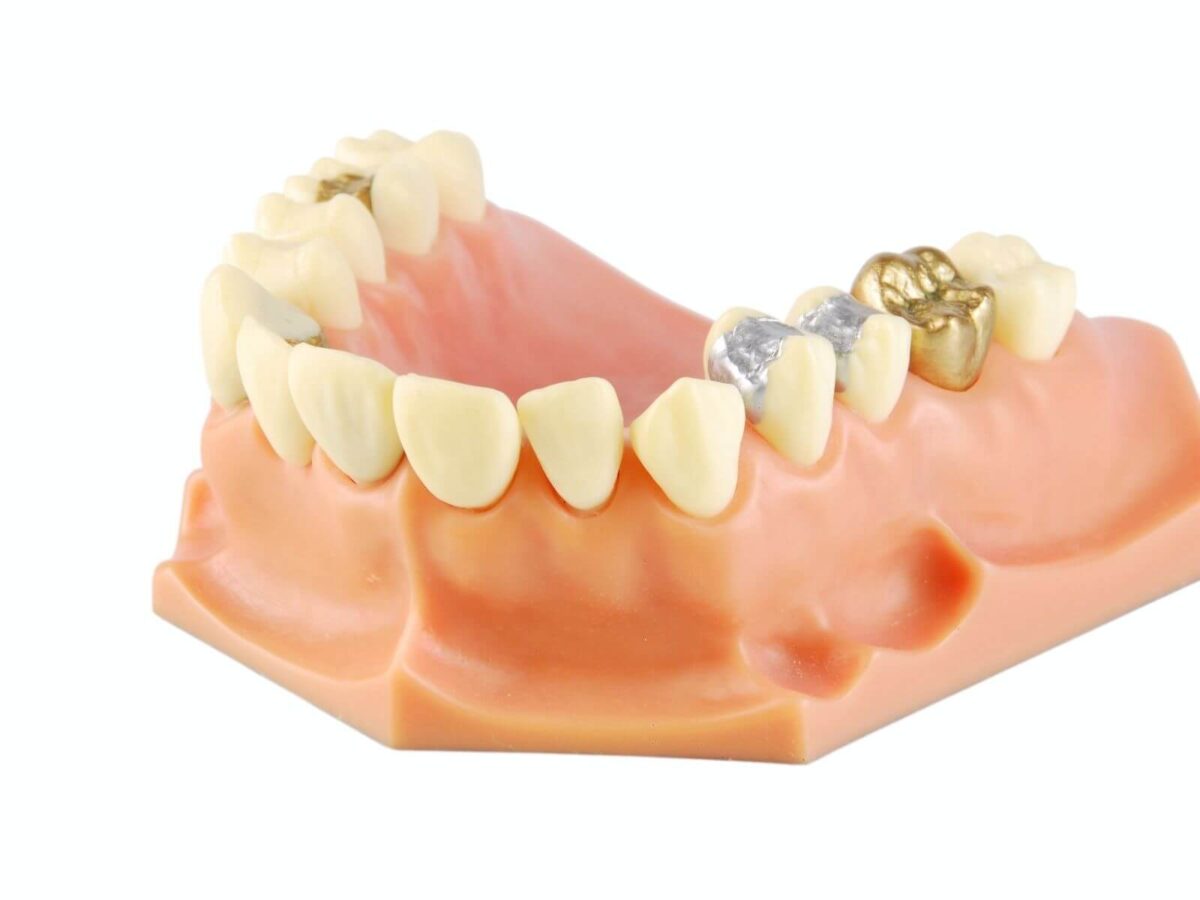
Crowns are not all made the same way. Dentists choose the material depending on the tooth and how it will be used. Porcelain is often chosen for front teeth. It matches the colour of natural enamel and usually looks quite natural when a person smiles.
Metal crowns are known for being very strong. Because of that, dentists often place them on back teeth where chewing pressure is higher.

Some crowns mix materials. One example is a porcelain crown fused to metal. The metal gives the crown strength, and the porcelain on top helps it look more natural.

Different materials can affect how long crowns for teeth last. Some hold up well against everyday chewing, while others may wear down sooner. This can make a difference in how long the crown remains in good shape.

Daily Habits Matter More Than People Expect

Numerous individuals think dental caps break due to their material. Frequently, lifestyle choices matter more. Biting forces occur whenever people dine. Hard treats, sugary bites, plus gnawing frozen cubes may add strain to those restorations.

Nighttime clenching sometimes reduces the durability of dental caps. Certain individuals remain unaware of that behavior. While clinicians discuss expected service length regarding a cap, they typically raise daily routines early. Safeguarding restorations really means caring for your natural smile pieces as well as the overall.

Oral Hygiene Still Matters With Crowns

A dental cap covers the top portion of a tooth, while living enamel beneath remains present. For this reason, rot may begin beside margins whenever buildup collects near the gums.

Try to brush teeth two times daily. It helps remove bacteria early. Flossing matters too since plaque gathers between teeth. Good dental care can affect how long do crowns usually last. A healthy tooth beneath the crown helps keep the crown secure.

Why Dental Visits Still Matter

A crown might feel completely fine from day to day. That does not mean it should be ignored. Dentists still like to check it during routine visits. These checkups allow them to notice small issues before they become obvious.

Sometimes the edges of the crown begin to wear down slightly. The cement that secures the crown to the tooth may slowly weaken with time. Finding these changes early can help improve how long do crowns last. Often, a simple repair or replacing the cement keeps the crown stable for much longer.

Signs a Crown May Need Attention

Most crowns work quietly for years. Still, certain signs can suggest the crown needs evaluation. Sensitivity when biting is one example. A crown that feels loose is another. Occasionally, a crown may chip or crack. This is more common with porcelain materials when exposed to strong biting forces.

Noticing these kinds of signs is usually a reason to visit the dentist. During the appointment, the crown can be checked to see whether anything needs attention. Handling the issue early helps keep the tooth safe and can affect how long do crowns for teeth last.

When a Crown Starts to Wear Out

Sooner or later, most dental caps have to be replaced. This usually happens because of normal wear, not because something failed. Over the years, biting and chewing slowly affect dental materials. The bonding that keeps the cap attached may also weaken with time.

At that point, the dentist removes the old cap. The tooth beneath it is then examined to be sure it is still strong. Once the tooth is checked and looks fine, a new crown is placed to keep it safe.

Habits That Help Crowns Last Longer

Good habits help crowns last longer. Cleaning along the gums removes bacteria near the crown. Flossing also protects the tooth underneath. Grinding at night may require a night guard. Avoid biting ice or using teeth to open things. Small habits can affect how long crowns usually last.

FAQs

How long do crowns last on average?

Many dental caps stay in place for roughly ten to fifteen years. Some remain usable much longer.

How long do they last with proper care?

Healthy daily cleaning and regular checkups can help a crown remain in good condition for fifteen years or beyond.

What if someone grinds their teeth?

Teeth grinding can wear a crown down faster. A night guard can reduce that pressure.

When do dental crowns usually need to be changed?

Many crowns remain in place for around ten years. Some last even longer.

Conclusion

Dental crowns help keep weakened teeth safe. They help keep the tooth strong and allow normal biting without removing it. When someone wonders how long crowns last, the result often relates to everyday routines and oral care.

Healthy supporting teeth help crowns remain stable for longer. Regular cleaning and dental checkups both help with that. These habits can change how long do crowns usually last in the long run. With the right care, a crown may protect the tooth for years.

Some people already have a crown. Others may need one in the future. Either way, dental checkups still matter. A short dental visit allows the dentist to check how the crown is performing. That small step can affect how long do crowns for teeth last.

Categories
Dental care

Cavity vs Stain: How to Tell the Difference

Why a Small Dark Spot Creates So Much Uncertainty

Most people notice a mark on a tooth unexpectedly. It might appear while brushing or when light hits the tooth differently in the mirror. The reaction is usually immediate concern. Is it decay? Or just staining?

The confusion around cavity vs stain happens because teeth rarely change color for only one reason. A dark area doesn’t automatically mean damage, yet ignoring it completely can feel risky too. What makes things difficult is that both situations often begin quietly. There’s usually no pain, no sudden change. Just uncertainty. That uncertainty is what brings the question up in the first place.

Why Teeth Change Colour Over Time

Most teeth seem unchanged for long periods, even while daily eating habits quietly affect their color. Drinks like coffee and spicy foods can leave marks little by little. Because this happens gradually, staining is often noticed much later than expected.

For many people, this color change results from accumulated exposure rather than weakening of the tooth. Understanding this helps when comparing tooth stain vs cavity situations. A stain usually alters appearance only, while the tooth structure may remain intact. Even so, visual changes alone cannot always confirm what lies underneath.

Why Cavities Don’t Always Look Dramatic

Tooth decay often progresses more quietly than expected. At first, cavities may not show big dark spots. Some begin as soft white areas where minerals slowly leave the enamel surface. At this stage, the tooth may still appear mostly unchanged. Brown or black discoloration usually develops later as the condition advances.

The difference between cavity versus stain is not always easy to understand when appearance is the only clue. A darker mark may look concerning even when it turns out to be harmless staining, while early decay may attract little attention at first.

Tooth decay tends to develop slowly as acids affect teeth again and again over time, an idea discussed within oral health resources from the National Institute of Dental and Craniofacial Research.
Because these changes develop slowly, visual differences may remain unclear in the beginning.

Why Location Often Matters More Than Colour

Dentists often pay closer attention to where a mark appears rather than how dark it looks. Stains commonly form on surfaces exposed to drinks or smoking habits. Front teeth and outer surfaces tend to show discoloration more easily.

Some decay starts in tight spaces between teeth or along natural grooves. These locations are not always visible without careful inspection or dental imaging.

Understanding location helps clarify many cavity vs stain concerns before treatment is ever discussed. Context matters more than shade alone.

When the Tooth Starts Feeling Different

People sometimes notice subtle changes before realizing why. Food may catch slightly in one area. Floss might feel tighter than usual. Sensitivity can appear, though not always.

A stain generally doesn’t change how the tooth feels. A cavity may gradually alter texture as enamel weakens. Running the tongue across the surface can occasionally reveal roughness. Still, this isn’t a reliable test. Many stained grooves feel uneven even when healthy. That overlap keeps the comparison between tooth stain vs cavity unclear without examination.

Why Cleaning Sometimes Changes the Picture

A professional cleaning frequently clears up concerns people have been thinking about for some time. Once plaque and surface deposits are cleaned away, teeth may appear brighter than expected. In many cases, stains fade or disappear entirely after polishing. What once looked concerning may turn out to be surface discoloration that had simply accumulated over months or years. At other times, however, a darker area remains even after cleaning is complete. When that happens, dentists usually take a closer look to understand the cause.

Because of this, cleaning plays an important role in understanding cavity versus stain rather than serving appearance alone. Removing buildup allows the true condition of the tooth to become easier to assess. Differences that were unclear before often become more visible once the surface is clean.

Why Some Stains Stay Harmless for Years

A stain does not always lead to decay. Certain spots gather pigment repeatedly while the tooth structure stays intact. Molars often contain deep grooves where color settles easily, even in otherwise healthy teeth. These marks may remain unchanged for long periods and cause no symptoms at all.

Because of this, monitoring may matter more than acting immediately. Dentists often look back at earlier examinations to see whether the area has changed. If the appearance stays consistent, staining is usually suspected instead of decay. Watching the area over time can sometimes be the best response.

When Waiting Is Not Ideal

Many stains remain purely cosmetic and may not require treatment at all. Cavities, however, tend to behave differently once decay begins. Early damage can still be small and manageable, sometimes requiring only minimal intervention when identified in time. When attention is delayed until discomfort develops, the affected area may continue progressing deeper into the tooth structure.

The American Dental Association continues to stress early detection because smaller issues usually involve less complicated care.
Understanding cavity vs stain differences early often reduces the likelihood of more involved treatment later.

Why X-Rays Are Sometimes Necessary

Some of the most common cavities form between teeth where they cannot be seen directly. X-rays reveal changes beneath enamel long before visible holes appear. Patients are sometimes surprised when imaging identifies decay near areas that looked normal.

This doesn’t mean visual inspection failed. It simply reflects how decay develops internally. Combining visual examination with imaging allows dentists to resolve many cavity versus stain uncertainties.

Why Diet and Habits Influence Both

The same habits that lead to staining may also affect decay risk. Coffee can gradually darken enamel, while repeated sugar exposure supports bacterial buildup. Smoking often adds to discoloration and may slow recovery inside the mouth.

When these patterns overlap, stains may show up in areas that are slightly more vulnerable. Dentists often choose to recheck such spots during later visits. Comparing them over time makes small differences easier to recognize.

When It’s Best to Have a Spot Checked

A dark mark that changes size, begins trapping food, or becomes sensitive deserves evaluation. Many patients hesitate because nothing hurts. Unfortunately, discomfort often appears late in cavity development.

A quick examination usually provides reassurance. Either the mark is cosmetic, or it can be addressed early. Clarifying the difference between tooth stain vs cavity removes uncertainty and allows informed decisions.

FAQs

Can stains turn into cavities?

Not directly, but areas that trap stain may also trap bacteria.

Do cavities always hurt?

No. Early decay is often painless.

Can whitening remove cavities?

No. Whitening affects colour only.

Should every dark spot be treated?

Not always. Some only require monitoring.

Conclusion

Understanding cavity vs stain helps reduce unnecessary worry while encouraging timely care when needed. Stains affect appearance. Cavities affect the structure. Because both may look similar, a professional evaluation often provides the clearest answer.

Recognizing the difference between cavity versus stain allows treatment decisions to remain simple rather than reactive. Many concerns turn out to be cosmetic, while others benefit from early attention. When uncertainty exists, checking sooner usually brings clarity — and peace of mind.

Categories
Dental care

Can Cavities Really Cause Bad Breath?

Bad breath has a subtle way of getting into your head. At first, it can be subtle. Maybe your mouth just feels unusually dry in the morning. Maybe someone offers mints, and you suddenly question your last meal. You replay the day. You clean your teeth properly. You even check your breath more than once. And still, you’re not sure it’s actually gone. It just doesn’t feel completely normal.

That’s usually when the question becomes more serious. Not just “Did I forget to floss?” but do cavities cause bad breath? It sounds logical. Cavities are decay. Decay has a smell. But the connection isn’t always explained clearly, and that’s where confusion creeps in. The answer isn’t dramatic. It’s biological.

Why Does Breath Start To Smell?

A lot of the time, bad breath traces back to bacteria that are already there. That alone isn’t unusual. Issues develop when those bacteria act on food that hasn’t been cleaned away and produce sulfur compounds. That’s where the odour comes from.

When people wonder about the cause of bad breath, the explanation often involves the accumulation. Now consider how a cavity creates another place for bacteria to remain.

Where Cavities Fit Into the Picture

A cavity doesn’t appear instantly. It begins as bacteria produce acid that slowly damages the enamel. Eventually, that damage turns into a small hole.

That hole may start tiny. You might not feel it yet. It may not even be visible unless you look closely.

But structurally, something important changes. A cavity creates a rough, sheltered space where food particles can collect more easily. And unlike smooth enamel, that space isn’t simple to clean thoroughly with brushing alone.

So when someone wonders, can cavities cause bad breath, the mechanism becomes clearer. A cavity can act like a pocket. Food gets stuck. Bacteria feed on it. Sulfur compounds form. Odour follows. It’s not instant. It’s gradual. But it’s consistent.

Why the Smell Doesn’t Always Go Away

This is usually the part that confuses people. You brush every day. You rinse. You try to stay consistent, yet the smell doesn’t fully go away. When a cavity is still small, brushing may clear out most of what’s stuck there. But as decay gets deeper, the surface of the tooth isn’t as smooth anymore. Tiny rough spots and hidden spaces can form. Food can settle into those areas, and regular brushing doesn’t always reach that far. Once trapped, bacteria keep working on it instead of leaving it alone.

There have been studies examining what actually drives persistent mouth odour. The Journal of Clinical Periodontology has discussed how sulfur-producing bacteria play a central role. [Source] While gum disease is often discussed in that context, tooth decay also increases bacterial load in the mouth.

The question: “Do cavities cause bad breath?” comes up often. And in many cases, the answer is yes. Persistent odour that isn’t tied to diet can point in that direction.

When Decay Becomes More Serious

Sometimes bad breath isn’t occasional or mild. The breath can become more intense and harder to overlook, sometimes with a persistent bad taste. When decay isn’t treated, it can spread inward. If it reaches the inner tissue, an infection may follow. In certain cases, an abscess forms near the root. That kind of infection often changes the odor of your breath.

Infection introduces additional bacteria and tissue breakdown, which can intensify smell.

At that point, the question “Can cavities cause bad breath?” is no longer theoretical. The connection becomes more obvious, and more urgent.

But Cavities Aren’t the Only Cause

There are other explanations to keep in mind. If your mouth feels dry often, that alone can lead to a stronger odour. Saliva usually helps rinse away bacteria. Less saliva means bacteria aren’t cleared away as easily. On top of that, certain medicines, sinus conditions, and gum trouble can contribute.

So yes, decay can play a role. But bad breath doesn’t always trace back to a cavity. That’s why persistent odour deserves evaluation rather than assumption.

Why Some Cavities Smell Worse Than Others

Not all decay behaves the same way. A small cavity on a smooth surface may not trap much debris. But a cavity on a back molar, especially within deep grooves, can collect food more easily.

If the decay creates a visible opening, food may become lodged inside repeatedly. That repeated buildup supports bacterial growth. Over time, that localised bacterial activity can influence overall breath.

Some patients report that they notice odour more on one side of the mouth. That can sometimes correlate with the location of untreated decay. It’s subtle, but patterns often exist.

What Changes After Treatment?

Here’s something reassuring. When a cavity is cleaned and restored with a filling, the irregular space disappears. The smooth surface is restored. Food no longer collects in that area. Many patients notice that the persistent odour improves after the decay is treated.

Breath won’t always change overnight, but removing a cavity does eliminate a space where bacteria can sit undisturbed. When that buildup is taken away, odour often becomes less persistent. It’s not magic. It’s just removing the source.

If the question do cavities cause bad breath has been lingering for you, and treatment hasn’t happened yet, it might be time to look into it. Fixing the cavity could help more than expected.

Prevention Matters More Than Guessing

There isn’t anything fancy about preventing odour tied to cavities. It mostly comes down to staying consistent. Brush in the morning and at night. Floss so food doesn’t linger between teeth. And let your dentist check for early decay before it has time to spread.

According to the CDC, untreated cavities affect about 1 in 5 adults aged 20 to 44. [Source] Many of those cases develop quietly before noticeable symptoms appear. Addressing decay early reduces both structural damage and bacterial buildup. And fewer bacteria often mean fresher breath.

FAQs

1. Do cavities cause bad breath even without pain?

Yes. Cavities can trap food and bacteria before they become painful.

2. Can cavities cause bad breath that brushing doesn’t fix?

If debris is lodged inside a cavity, surface brushing may not remove it completely.

3. What usually causes bad breath?

In many cases, it’s bacteria sitting in plaque.

4. Will treating a cavity improve breath odour?

In many cases, restoring the tooth removes bacterial hiding spots and reduces odour.

Conclusion

So, do cavities cause bad breath?
They absolutely can. Not in every situation, and not immediately, but decay creates spaces where bacteria thrive. And bacteria are the main cause of bad breath in most cases.

If odour persists despite brushing and flossing, it may be less about mouthwash and more about what’s happening inside a tooth.

The good news is that cavities are treatable. And when the source of bacterial buildup is removed, breath often improves along with overall oral health. If decay is part of the issue, taking care of it can help more than you expect. Treating the cavity may improve breathing and prevent further damage. Persistent odour is often a reason to look a little closer.

Categories
Dental care

Different Types of Bad Breath Smells and Their Causes

Bad breath affects more people than they want to admit. It isn’t always easy to explain either. Many believe there’s one clear reason, one quick answer, but that’s rarely how things actually work. There are different types of bad breath smells, and each one can suggest a different issue. Some begin with problems inside the mouth. Others don’t start there at all, which is why it can feel confusing.
Many people live with bad breath quietly, even if they never bring it up without drawing attention or asking for help.

Why Bad Breath Happens?

Bad breath starts in the mouth. Bacteria live there naturally. They feed on food particles, plaque, and dead cells left in the mouth. As they do that, gases are released. Those gases are what finally cause the odour.

Saliva plays a big role here. According to clinical research published in dental journals, reduced saliva flow significantly increases odour-causing bacteria levels. This is why morning breath is so common.

Sometimes the cause isn’t only oral. Sinuses, digestion, and even certain medications can change how breath smells.

Types Of Bad Breath Smells Linked To Food

Food-related odours tend to stand out as some of the strongest types of bad breath smells. They usually aren’t permanent, but they can be stubborn. Garlic and onions are well known for this. Coffee plays a part too. It doesn’t smell strong on its own, but it dries out the mouth and changes the way the mouth behaves afterwards. When saliva drops, bacteria that cause odour get more time to sit there and slowly build up.

Studies on volatile sulfur compounds explain why some smells from foods last longer than expected. Even brushing may not remove the smell completely. It may last for hours since the compounds pass through the bloodstream and exit through the lungs. Over time, with fluids and basic oral care, it fades.

Sulfur Or Rotten-Egg Breath Smells

A sulfur-like smell is one of the most common bad breath odour types. It is often compared to the smell of rotten eggs and tends to stand out quickly. This usually happens when bacteria in the mouth produce sulfur compounds over time.

Research indicates that more than 80% of chronic bad breath cases originate from oral bacteria. [Source] The tongue and gumline are common problem areas. Poor tongue cleaning is a frequent issue. Gum disease also contributes. As gum pockets deepen, bacteria find places to settle that brushing on its own doesn’t reach very well.

Sweet Or Fruity Breath Smells

Breath that smells sweet can catch people off guard. At first, it may not smell unpleasant. Because of that, it doesn’t always raise concern immediately. People ignore it and move on. Still, it can point to something inside the body being off.

Medical studies have shown that a fruity smell on the breath can happen when the body depends on fat for energy rather than glucose. When this switch happens, changes in breath can show up before anything else does.

This is sometimes seen with very low-carb diets. In other situations, sweet breath may be connected to blood sugar regulation. When the smell is noticeable or persistent, it should not be ignored.

When Breath Smells Like Metal

A metallic smell on the breath usually worries people right away. The taste feels sharp or bitter. Something feels off. One common cause is bleeding from the gums, even when it’s very small. It doesn’t take much to notice a change. Even a little blood can cause that metallic smell to show up. Gum inflammation often plays a role.
Some medications can also cause this smell by affecting saliva or taste. Sinus infections can contribute in certain cases.

Sour Or Acidic Breath Smells

Sour breath often points to acid-related issues. The smell can feel sharp, unpleasant, and different from other types of bad breath. It usually isn’t subtle. People see it more after meals or when they lie down.

Studies show gastric reflux affects close to 20% of adults in Western countries. Because it’s so common, many people report oral symptoms, including sour breath.
This type of odour may come and go, but it often worsens after eating or at night. If reflux is the real cause, brushing alone usually isn’t enough to solve it.

Musty Or Mouldy Breath Smells

A musty smell can sometimes come from sinus problems. It doesn’t always start in the mouth. When mucus builds up and just sits there, bacteria have more time to grow and spread.

Studies on chronic sinusitis show post nasal drip is often involved in ongoing bad breath. It tends to be worse when the nose feels blocked.

People with this type of smell often notice other things too. Throat clearing. Pressure in the face. A heavy feeling around the sinuses.

Dry Mouth And Stronger Breath Odours

Dry mouth is a major trigger for bad breath. Without enough saliva, bacteria grow more quickly, and odour becomes easier to notice.
Clinical surveys show that dry mouth affects up to 30% of adults, especially those taking certain medications. This is why breath odour can worsen throughout the day.

Drinking water and encouraging saliva flow often helps reduce this kind of smell.

How Oral Hygiene Changes Breath Smells

When oral care slips, bacteria start gathering up. It’s not always obvious at first. Plaque forms over time. Food debris gets stuck in small spaces. Gums can swell without causing pain. Over time, these things start working together, and the odour becomes more noticeable.

Dental studies consistently show that people who floss every day report lower levels of chronic bad breath than those who don’t.

Flossing helps because it removes debris from areas that brushing can’t really reach. Regular dental cleanings also play a role. They clear away buildup that’s been sitting there for a while, and for many people, this leads to a noticeable change in breath.

When Bad Breath Points To Dental Problems

If bad breath doesn’t improve even with good hygiene, something deeper may be causing it.

Advanced gum disease is strongly associated with severe odor. According to periodontal research, untreated periodontitis affects nearly 42% of adults and is a major cause of chronic halitosis.

Treating the dental condition often improves breathing significantly.

FAQs

Does bad breath automatically mean poor hygiene?

Research shows it’s not always that simple. Medical conditions and sinus issues can affect breathing, too.

Does mouthwash fix bad breath?

Studies say it helps for some time, but it doesn’t always deal with the real cause.

Does bad breath come from the stomach?

Evidence shows most cases start in the mouth, though digestion can contribute.

Conclusion

There are many types of bad breath smells, and they don’t all point to the same problem. Each one has its own possible causes. Some are tied to food. Sometimes the cause is as simple as dry mouth or gum issues. Medical conditions can also be involved. When breath smells like metal, it usually feels worse than it actually is at first.

If bad breath shows up now and then, small habit changes often help. If it keeps sticking around, that’s different. In those cases, it deserves attention. Understanding different bad breath odor types makes it easier to know when to handle it at home and when to seek professional advice.

Categories
Dental care

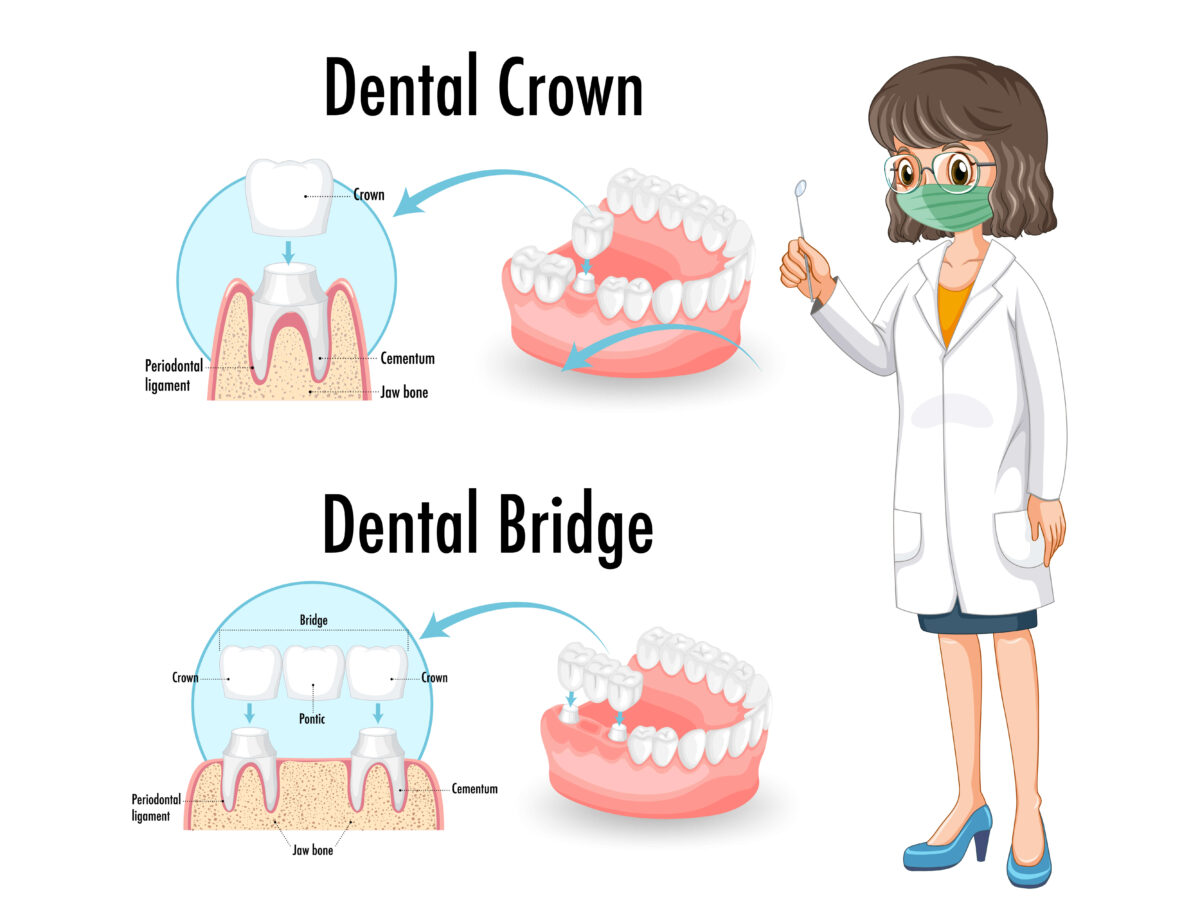
Types of Dental Crowns: Which One Is Right for You?

Dental crowns tend to come up after something has already happened to a tooth. A large cavity, a crack, a root canal. By the time the word crown is mentioned, most people are already a little tense. Then another layer gets added. Not just a crown, but a choice between materials. Porcelain or metal. Ceramic or something mixed. That’s usually when the question shifts from why to which.

Understanding the types of dental crowns isn’t about memorising materials. It’s about knowing why one option might make sense for one tooth and not for another. Teeth don’t all do the same job, and crowns aren’t all meant to do the same thing either.

Why There Are Different Types Of Dental Crowns

Teeth experience different kinds of stress depending on where they are in the mouth. Front teeth deal more with appearance. Back teeth deal with heavy chewing. Some teeth are visible every time you smile. Others are hidden but take a lot of pressure.

That difference is the reason there are different types of dental crowns in the first place. One material doesn’t handle every situation equally well. Dentists choose crowns based on strength needs, appearance, and how much natural tooth is left.

Porcelain Crowns And Why They’re Chosen

Porcelain crowns are usually chosen for the teeth that are in the front. They look the most like natural enamel. Light passes through them in a way that feels familiar rather than artificial.

When appearance matters most, porcelain usually comes up in the conversation about types of dental crown options. They blend well with surrounding teeth and don’t show metal at the gumline.
The tradeoff is strength. Porcelain lasts for a long time, but it isn’t always ideal for teeth that take heavy biting force.

Porcelain Fused To Metal Crowns And Their Middle Ground

Porcelain-fused-to-metal crowns weren’t about blending in completely. The priority was strength. The porcelain layer was added mainly so the metal underneath wouldn’t be the first thing people noticed.

They’ve been used for a long time. Not because they’re perfect, but because they generally work. They’re strong, they handle pressure well, and for many people, they look natural enough at first that they don’t think twice about them.

What tends to change isn’t the crown itself. It’s everything around it. Gums don’t stay exactly the same forever. When they recede, even slightly, the metal edge near the gumline can start to show. Some people notice it right away. Others don’t, until someone points it out.
That moment is usually when people start reconsidering. Not because the crown failed, but because the look shifted. That’s why this option quietly fell out of favour for some patients. But it’s still one of the different types of dental crowns used today.

All-Ceramic. All-Porcelain.

All-ceramic didn’t feel like an obvious choice in the beginning. Same with the all-porcelain crowns. But as materials evolved, the concern about strength faded little by little rather than all at once. Today’s ceramics can hold up well while still offering a more natural appearance than older options.

For people who prefer metal-free dental work, this option tends to feel like an easy choice. It also comes up often for patients who have sensitivities or simply don’t want metal in their mouth at all. There’s a comfort factor there, both physically and mentally.

When conversations turn to types of dental crowns, all-ceramic crowns usually enter the picture once appearance and biocompatibility start to matter more than raw strength alone.

Zirconia Crowns And Why Strength Matters

Zirconia crowns are usually associated with strength. They hold up well under everyday chewing and don’t react as easily to pressure. That resistance to fracturing is a big reason they’re often used in high-stress areas of the mouth.

Early versions were very strong but less natural-looking. Newer zirconia crowns balance strength with improved appearance.
For back teeth, especially, zirconia often becomes part of the different types of dental crown conversation because durability matters more than translucency.

Gold Crowns And Why They’re Still Used

Gold crowns can be unexpected. While some see them as outdated, they’re still chosen when needed. Gold is long-lasting and tends to be kind to opposing teeth. With time, it wears close to natural enamel, helping protect what it bites against. That balance is why it continues to be used in certain cases.

These crowns are often chosen for molars, where appearance isn’t a concern. They last a long time and rarely fracture. Even though they’re less common, gold remains one of the types of dental crowns that dentists trust for longevity.

Stainless Steel Crowns And Temporary Use

Stainless steel crowns are most often used as temporary crowns or for children’s teeth. They’re durable and affordable.

In adults, these tend to be used temporarily rather than as a permanent answer. They protect the tooth and buy time until the final crown is ready.

Because of that role, they still come up when people talk through different types of dental crowns, even if they’re not meant to last indefinitely.

Why One Crown Type Isn’t Automatically Better

People ask all the time which crown is best, but the real answer depends on the tooth. What works great on a back molar might not look right in the front. Some crowns are picked for strength, even if they’re not the prettiest. Others look great but aren’t built for heavy grinding. That trade-off is why dentists walk patients through types of dental crowns instead of giving one standard choice.

How Bite And Habits Affect The Choice

Not all teeth deal with the same amount of pressure. Grinding, clenching, and bite alignment can change that quite a bit. Teeth that carry more force tend to need materials that are built to last.

This is why dentists spend time asking how you chew and where pressure lands, not just how a crown will look once it’s in place. Function tends to come first in those conversations. That practical way of thinking often guides recommendations between different types of dental crowns.

Cost Differences And What They Reflect

Crown costs vary by material and complexity. Stronger or more aesthetic materials often cost more.

Cost usually reflects lab work, material strength, and fabrication process, not just appearance. While budget matters, it shouldn’t be the only factor in choosing among types of dental crown options.

Longevity And Maintenance Over Time

Every crown needs care. Daily cleaning still matters. So do regular dental visits. And if grinding is part of the equation, that usually needs to be addressed as well. Skipping any of that tends to catch up eventually.

Because different materials respond differently over time, lifespan becomes part of the decision. That’s why longevity is always part of the discussion around different types of dental crowns, not something left until later.

Why Dentist Recommendation Matters

Dentists base recommendations on tooth location, remaining structure, bite force, and long-term risk. It’s not about preference. It’s about matching the crown to the job the tooth needs to do.
That matching process is the real point of understanding the types of dental crowns.

Final Thoughts

Looking at types of dental crowns isn’t really about deciding which material is better overall. It’s about context. Each tooth is different. Each bite is different. And each mouth handles force in its own way.
The crown that works best is usually the one that supports the tooth without introducing new stress later on. That quiet compatibility tends to matter more than the material itself.

If you’ve been told you need a crown and aren’t certain which option really fits your situation? It helps to have your dentist walk through the different types of dental crowns suggested for you. A short talk can show why one material suits your bite more comfortably than another.

Categories
Dental care

Benefits of Regular Dental Checkups for Children and Teens

Most parents don’t question that checkups help, but the question “what are the benefits of dental checkups” still comes up, especially when schedules are busy, and kids seem fine. The benefits usually show up quietly. Problems get caught early. Routines form without much pressure. Over time, regular dental checkups mean less stress around dental care. Kids know what to expect, which helps a lot. This article looks at the real-life benefits of dental checkups for children and teens, without turning it into a lecture.

Catch Cavities Early — Less Drilling, Less Worry

Most cavities start small. No pain or warning. They’re often found during a quick exam, before they grow into something harder to manage. Treating a small cavity usually takes less time and less effort than fixing a bigger one. That simple difference is one of the clear benefits of dental checkups. For families juggling schedules, it usually means fewer missed school days and less time pulled away from work by urgent visits.

Professional Cleaning And Prevention That Actually Work

A cleaning removes what home care can miss. Plaque and tartar hide in tight spots. Fluoride and sealants add a layer of protection on new molars. Those brief steps add up. If a child keeps up with dental visits, tooth decay usually shows up less over time. That ongoing support is why many parents believe in regular dental checkups. Prevention costs less and leads to smoother days.

Watch Growth And Plan Braces Before They Surprise Anyone

Teens grow fast, and their teeth change along with them. Things shift. Spacing changes. Bite patterns can look different from one visit to the next. When checkups are regular, changes don’t come as a surprise. The dentist sees them building over time. Crowding and bite issues usually start small, and dealing with them early is often much easier than waiting. That early awareness can mean simpler orthodontic work down the road. It often saves money, too, and can shorten how long braces are needed. This is a clear example of how the benefits of regular dental checkups for kids show up during the teen years.

Spot Health Clues Beyond Cavities

The mouth shows signs of more than tooth trouble. Things like enamel wear from reflux or signs of grinding are often picked up during a visit. A short check can mean a referral to a doctor or a simple home change that makes a difference fast. That broader watch is one of the quieter benefits of dental checkups for families. The dentist often sees what a parent might miss.

Build Better Habits Without Nagging At Home

Routine matters more than reminders for kids. When dentist visits are regular, they feel familiar. Not stressful. Daily cleaning fits into that same pattern. During checkups, the advice is usually simple and practical. Short tips that parents can try without changing everything at once. Small swaps add up. One less sugary drink. One better brushing habit. Over time, those changes stick. That’s often where what are the benefits of dental checkups really show up.

Reduce Fear And Make The Chair Less Scary

Regular, calm visits make the office familiar. When a child sees the same friendly faces and the same steps, fear fades. That means fewer tears and quicker visits. Teens benefit too because good early experiences lower avoidance later. Normal visits make emergencies easier to handle since trust is already built. That emotional side is often the most valuable of the benefits of regular dental checkups.

Save Money And Time With Fewer Emergency Visits

Taking care of things early usually costs less than waiting for an emergency. Minor fixes are faster and far easier to plan for. A checkup can be booked around school and work without much disruption. Emergency visits don’t work that way. They often mean last-minute calls, missed hours, added stress, and higher bills than expected. For families juggling busy schedules, sticking with regular care is a quiet way to protect both time and money. That everyday balance is one of the real benefits of dental checkups for families.

Tailored Advice For Sports, Diet, And Braces

Every child brings something different to the chair. One plays contact sports and needs a properly fitted mouthguard. Another grinds their teeth or has habits that slowly wear enamel down. Some kids often need a fluoride plan that actually fits their routine. Advice tends to stick better when it’s shaped around the child right in front of the dentist, especially with teens. Long talks usually go in one ear and out the other. But a few clear, useful tips can actually land.

Small changes with acidic drinks or snacking are easier to follow and keep up with. That kind of personal guidance is one of the everyday benefits of dental checkups that families notice over time.

Support For Kids With Special Needs Or Medical Conditions

Some children need extra planning. Regular visits let the team learn how to make visits calm and safe. Shorter appointments, special aids, or coordination with doctors make a big difference. For families facing extra health concerns, these adjustments are a major benefit of steady checkups. They turn a hard visit into one that works.

Know The Milestones And Avoid Surprises

New molars, lost baby teeth, and wisdom tooth timing all matter. A dentist watching year to year can give clear timing and flag anything unusual. That steady view removes guesswork. When a parent knows what comes next, planning braces, space maintainers, or simple fixes becomes easier. This predictability is an underappreciated part of what are the benefits of dental checkups.

How To Get The Most From Each Visit

Checkups work best when they’re routine and expected. Not rushed. A short list of questions helps keep things focused. Sharing updates about health or medication matters more than people think. Many families also find it helpful to ask for one simple thing to work on at home before the next visit. When that information stays in the chart, care stays consistent. Taken together, these steps help the benefits of dental checkups continue between visits.

When A Child Might Need More Frequent Visits

Kids don’t all follow the same path. Some can stay on a standard schedule. Others need to be seen more often. Early decay, braces, or medical concerns can make closer follow-up helpful. Those extra visits give small problems less room to grow. Instead of reacting later, things are handled along the way. That kind of steady monitoring makes care easier in the long run and shows one of the practical benefits of dental checkups when routine visits aren’t quite enough.

Final Thought And A Gentle Next Step

The real benefits of regular dental checkups show up in small, steady ways. Small problems get handled early, and habits get stronger. Visits tend to feel less stressful. There are usually fewer cavities, better planning for braces, and a calmer chair experience overall. If six months have passed, it may be time to book. One quick visit can help protect smiles all year.

Categories
Dental care

Veneers vs Crowns: What’s the Difference?

A tooth gets damaged, and choices follow. Sometimes quickly. That is when veneers vs crowns comes up, often before much detail is shared. Both can improve how a tooth looks. Both offer protection. They are just meant for different kinds of problems, which is why the suggestion can feel unclear at first.

One works mostly on the visible surface. The other supports more of the tooth underneath. That difference affects strength, coverage, and how much natural tooth stays involved. Once that part is understood, the decision usually feels less confusing.

What A Veneer Is And What It Does

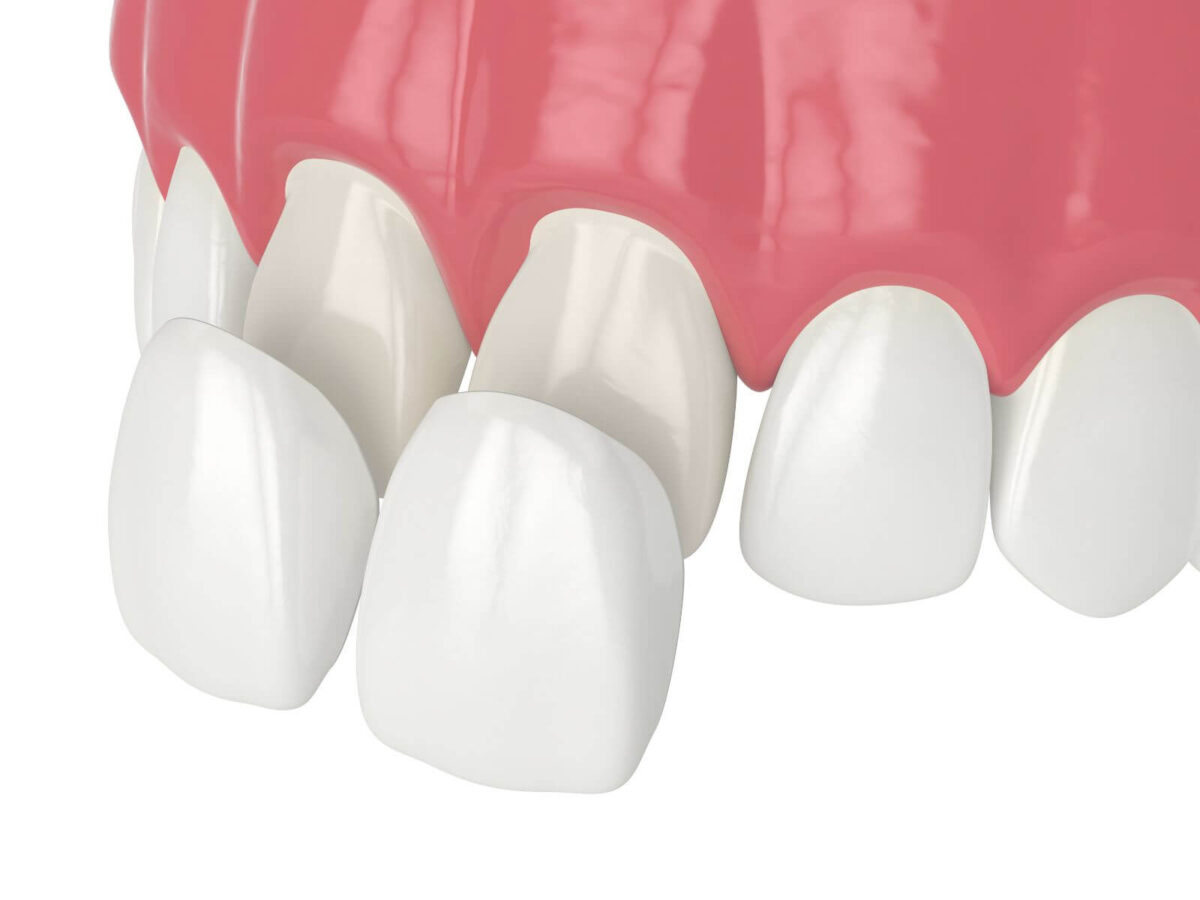
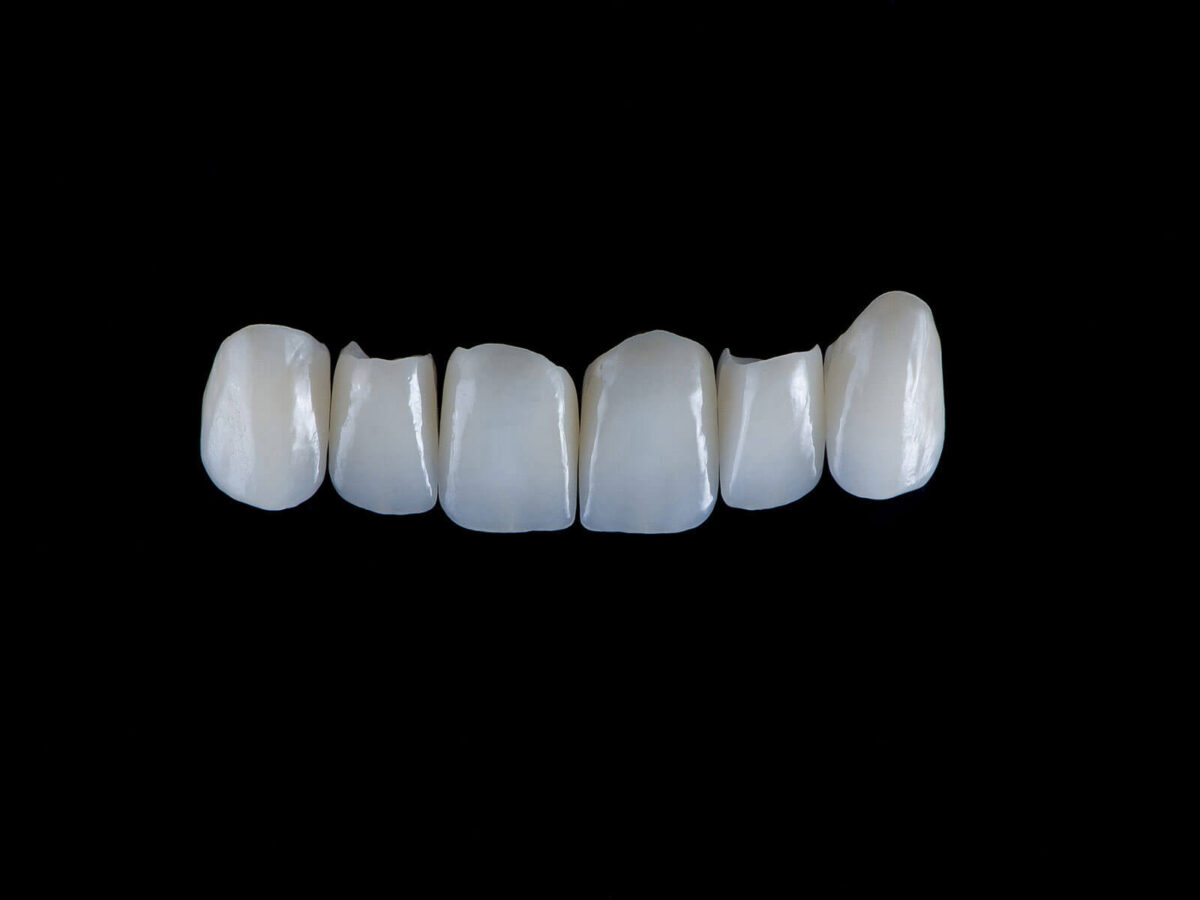
A veneer is a very thin layer placed over the front of a tooth. It covers what shows when you smile. Things like stains that do not respond to whitening or uneven edges are where veneers usually come in. The focus stays on what is visible. No more is changed than needed. Each veneer is shaped and coloured to match, so it fits in quietly with the surrounding teeth. Most of the original tooth stays in place underneath. Only a small amount of surface is adjusted so the veneer can sit properly.

Veneers are usually chosen when there is no more serious damage to fix. They are more about looks than mechanics. In many cases, fixing just the visible surface does the job. That simple change is often all it takes to feel at ease smiling again.

What A Crown Is And Why It Is Used

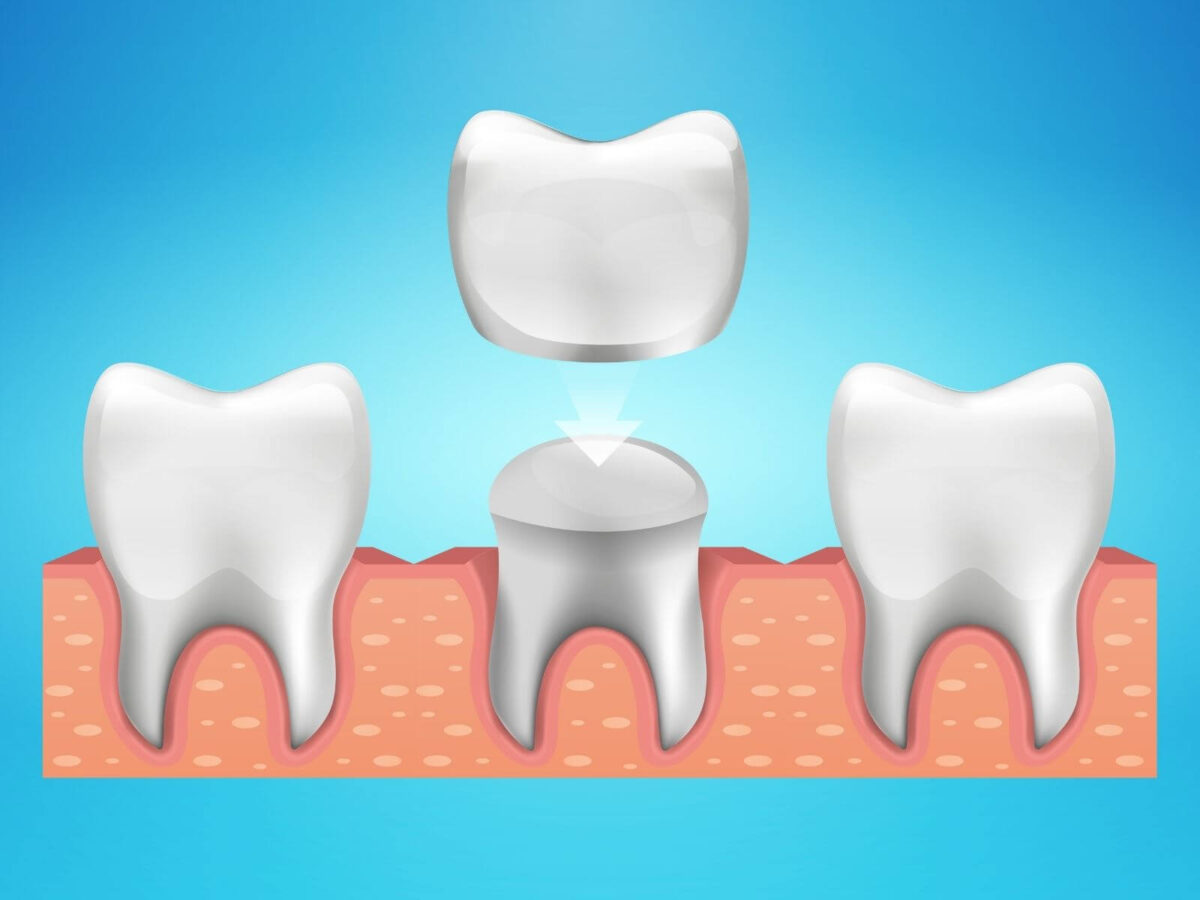
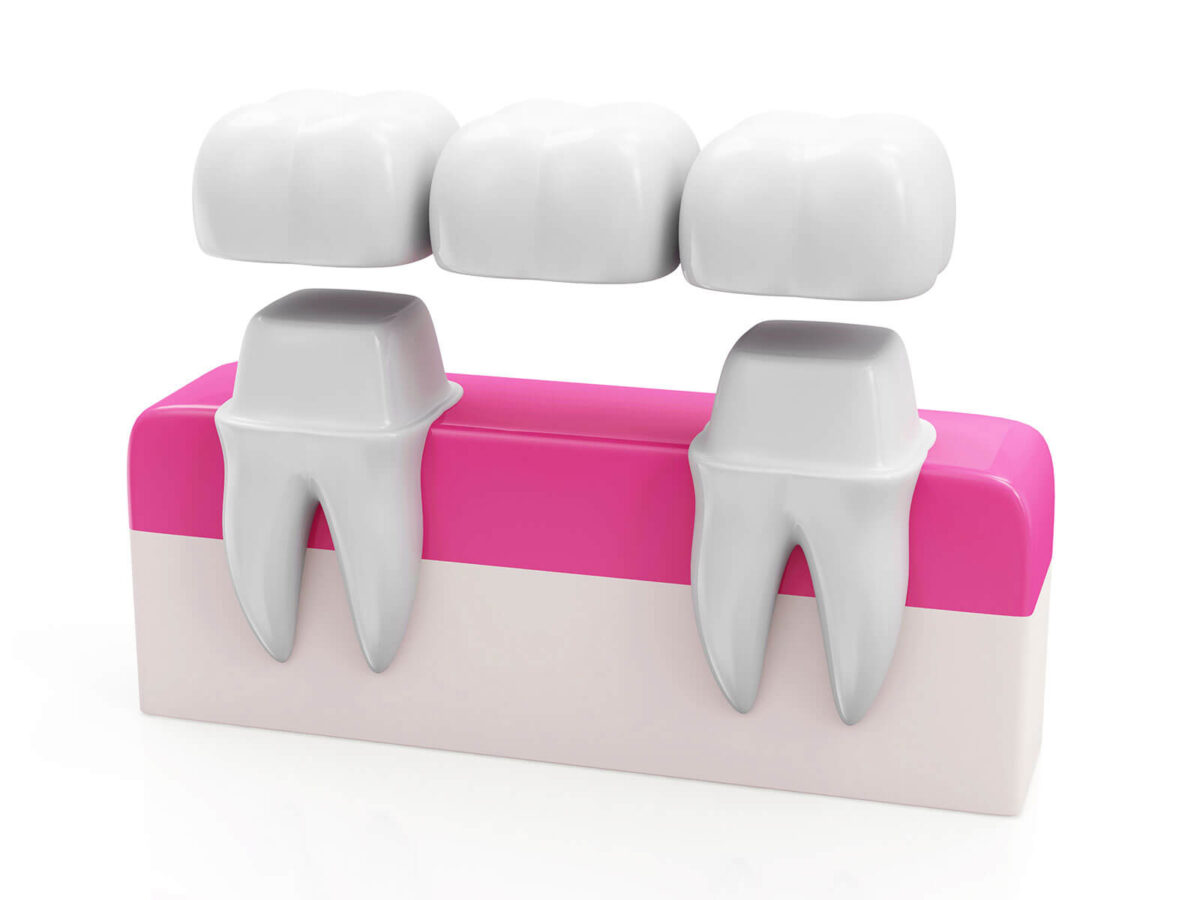
A crown sits over the entire visible part of a tooth, almost like a fitted cover. This choice usually comes up when a tooth is no longer strong on its own. Cracks, heavy decay, or old fillings can cause that. Teeth after a root canal often need the same support. A crown covers the tooth and supports it when you chew. It helps the tooth look right again and feel solid. When biting pressure is high, this kind of full coverage usually makes the tooth feel more secure.

Material Differences — What Each Is Made From

Veneers and crowns are often ceramic. The goal is a colour that looks natural. Porcelain is used a lot because it reflects light well and doesn’t dull easily. A metal base is used in certain crowns to add support. This is common for back teeth that handle strong chewing. Veneers do not usually need that and may use composite resin instead. That choice is usually made when speed or budget matters more.

Material affects more than just looks. It affects strength. Porcelain tends to look the same for longer. It does not stain as easily. Crowns with a metal base can stay strong for a long time. The downside is that the gum line may darken as they age. This is one of the small but important points in dental crowns vs veneers, especially for teeth that take more bite force.

How The Dentist Prepares The Tooth For Each

Veneer preparation removes a thin layer from the front surface. The goal is to make space for the shell so the tooth does not look bulky. The work is conservative compared with crowns. Crowns require more reshaping because the entire tooth surface is reduced to let the cap fit over.

Both procedures may use a temporary cover while the final piece is made. The lab work and bonding steps differ, but the focus remains the same: fit, colour, and comfort.

How They Look And How Natural They Feel

A well-made veneer usually blends in without much effort. On front teeth, it often feels natural right away. The tooth keeps its original shape. Because of that, the bite usually stays the same. Crowns are different. They reshape the tooth completely, which can feel odd for a short time. Most mouths adjust faster than expected.

How the tooth looks in the end depends a lot on the work behind it. Skill matters here. When the dentist and lab work well together, the result looks normal, not obvious. This point comes up many times with veneers vs crowns, mainly for front teeth, where small changes are easier to see.

How Long Does Each Last

Crowns are built for strength. They hold up well when the chewing force is high and tend to last longer in those spots. Veneers are different. They can last a long time too, but only when they are placed on teeth that are not under much stress. Both need upkeep.

Habits build up slowly. Clenching adds stress and can reduce the lifespan of dental work. So can chewing hard things or missing dental visits. Protection, like a night guard, helps some people avoid early damage. These factors matter when comparing dental crowns vs veneers, sometimes more than the material choice itself.

Cost Differences In Simple Terms

Costs vary by material, clinic, and region. Veneers are often cheaper per tooth than full ceramic crowns when only the front surface is involved. But a good quality porcelain veneer and finely done crowns may sit in similar price ranges. The full plan cost depends on how many teeth and what prep work is needed.

A clear estimate from a trusted clinic makes the numbers useful. Asking what is included prevents surprises.

When A Veneer Is Usually The Right Choice

Veneers fit when the tooth needs a cosmetic touch. Small chips, minor gaps, stubborn stains, and slight shape fixes are common reasons. When the tooth has strong walls and the bite is normal, a veneer preserves more of the natural tooth and gives a very natural look.

When A Crown Is Usually The Safer Choice

Crowns are usually chosen when strength matters more than minimal coverage. Large breaks, wide older fillings, or teeth that have already had root canal treatment often need that extra support. Back teeth, especially those used heavily for chewing, tend to last longer under crowns. The decision often leans toward durability instead of being conservative with tooth removal.

Care And Maintenance For Both Options

Care routines stay familiar. Gentle brushing works better than pressure. A soft brush is enough. Daily cleaning between teeth makes a real difference. Problems are easier to spot during regular checkups. Avoiding hard biting habits helps too, especially over time.

Grinding changes things. If that is an issue, asking about a night guard can help protect both the work and the natural teeth nearby. These everyday habits are part of the veneers vs crowns decision, even though they do not always get much attention.

Matching The Choice To Life And Budget

If appearance is the main goal and the tooth structure is strong, veneers often match the need. When strength matters most, a crown makes more sense. It supports the whole tooth. The best plan balances look, function, and budget. A careful exam and a clear talk with the dentist show the right path.

Final Thought And A Simple Next Step

While veneers vs crowns can both improve a tooth’s look and function, they are meant for different situations. The choice depends less on appearance and more on what remains of the tooth. Strength comes first. Looks follow after. Position matters too. Front teeth and back teeth carry very different loads.

Long-term goals also play a role, whether the focus is on looks, strength, or simply keeping the tooth stable. A short visit usually clears this up. X-rays, a quick exam, and a few direct questions help more than online searching. Asking for a simple talk and a clear estimate usually makes the decision feel calmer and more grounded.

Categories
Dental care

What You Should Eat After Wisdom Teeth Removal?

After wisdom teeth come out, the mouth slips into a brief healing phase where comfort matters more than habit. The muscles feel a bit worn, the gums are a little touchy, and the jaw moves like it’s thinking twice. In that time, food choices matter more than people expect. The question of what to eat after wisdom teeth removal becomes one of the first things that comes to mind because eating feels different for a few days.

Most people notice that the mouth sends clear signals right away. Chewing feels heavier. Warm food can feel slightly strong on the area. Cold food brings relief. The tongue moves carefully, and the jaw avoids pressure without being asked. These small reactions help shape a natural understanding of what foods to eat after wisdom teeth removal as the body adjusts to the early stages of healing.

The first days are about patience and choosing what feels easy. The goal is not to avoid food but to give the mouth what it can manage without irritation. When someone pays attention to these small cues, the answer to what to eat after getting wisdom teeth removed becomes much easier to navigate.

How the First Day Sets the Pace for Eating Comfortably

That first day tends to drag a little. The area stays sore, and the mouth is trying to make sense of everything that just changed. Even swallowing may feel slightly different. During this early stage, smoother textures tend to be the most comfortable. The body naturally leans toward options that require no chewing at all.

Cooler foods often feel especially soothing. They settle gently around the gums and do not put pressure on the jaw. This early experience teaches almost immediately what to eat after wisdom teeth removal without needing strict guidelines. The mouth’s reaction becomes the guide.

As the numbness goes and the tender spots calm down, people often notice they can handle slightly thicker foods again. It is not about pushing limits. It is about allowing the mouth to move at a pace that feels natural.

How the Mouth Reacts to Different Textures During Recovery

Texture plays a bigger role than most people realise. Even foods that seem soft can feel different once they reach the healing site. Something that melts easily feels comfortable, while something sticky may cling to areas that need to stay undisturbed.

The first signs of comfort help define what foods to eat after wisdom teeth removal more clearly. Smooth textures tend to move across the tongue with less effort. Liquids pass without asking the gums to work. Anything that crumbles or requires small bites often feels like too much in the first few days.

As the mouth heals, the gums become less reactive. People begin testing foods that offer slightly more substance, but still without much pressure. Every step in this process is quiet and shaped by how the mouth responds.

How Temperature Affects Healing Comfort After Removal

Temperature matters as much as texture. Very warm foods can create a throbbing feeling in the early stages. Cool or room-temperature items feel steadier and more calming. This difference helps explain what to eat after getting wisdom teeth removed in a simple way.

Cooling sensations bring comfort to swollen tissue. They do not irritate the healing site. Many people find that this becomes their preference until the sensitivity reduces. As the days pass, warm foods slowly feel easier, though the body tends to prefer moderate temperatures until healing is well underway.

How the Body Signals When It Is Ready for More Variety

Recovery tends to unfold gradually. A few people make progress quickly, and others take longer. The mouth guides the process. Struggling to chew usually means it’s still too early. Once the jaw relaxes and the soreness fades, foods with more texture become possible.

This stage helps refine what to eat after wisdom teeth removal as healing progresses. The person does not need a strict schedule. They only need to pay attention to comfort levels. If a food feels too heavy, it can wait. If it feels smooth and comfortable, it can stay on the menu. Moving carefully like this keeps the tender spot from getting bothered.

How Eating Slowly Helps

After removal, the mouth benefits from slower movements. Taking time with small bites prevents accidental pressure on the healing sites. It also allows the body to react before the next bite is taken.

Slowing down naturally shapes a clearer sense of what foods to eat after wisdom teeth removal each day. People start to notice what causes discomfort, what feels fine, and what actually brings relief. That awareness allows for gentle choices rather than strict rules. Eating slowly becomes easier, and normal routines come back without force.

How Drinking Enough Water Supports Recovery

Even when eating becomes awkward, drinking stays essential. Good hydration supports the healing tissues, keeps the mouth cleaner, and helps everything recover at a steady pace. Water is usually the easiest option since it doesn’t overwhelm the area with temperature changes.

Anyone unsure what to eat after getting wisdom teeth removed can always begin with hydration. Light, steady sips all day long prevent dryness and help the healing area stay at ease.

How the Body Adapts During Each Stage of Recovery

Healing shifts from person to person. Some can move to more varied foods in just a few days, while others stay slow and steady. The mouth moves at its own pace. It tightens, softens, shifts, and settles as healing moves forward.

This ongoing adaptation continues to clarify what foods to eat after wisdom teeth removal in a natural way. Early on, the mouth requests gentleness. Later, it allows slightly firmer textures. Eventually, it accepts normal food again without hesitation.

When the bite feels normal again and the tender spots calm, they can slowly work their favorite foods back into their routine. There is no exact timeline. The body decides the pace.

How People Gain Confidence With Food Again

Eating starts to feel easier once the early sensitivity fades. There’s a bit of quiet relief when people notice they can take slightly bigger bites without any trouble. The change happens slowly, almost unnoticed, as the gums settle into healing.

The reassurance allows the person to expand their choices, confirming a simple understanding of what to eat after wisdom teeth removal until the diet returns to normal. This stage is a sign that the tissue has rebuilt and that the jaw feels steady again.

Supporting Healing Through Calm, Comfortable Choices

Anyone healing after wisdom teeth removal can make things easier by listening to the body. The mouth usually knows its limits. Foods that slide easily tend to feel best in the beginning. Foods that require effort can wait until the tenderness fades.

Healing does not need to feel rushed. The person simply stays aware of what feels comfortable and makes choices that protect the healing site. With time, the mouth will return to its full range of movement.

Categories
Dental care

Dental Bonding or Veneers: Choosing the Best Smile Solution

A confident smile influences daily life more than many notice. When someone worries about chipped enamel, tiny spaces, or stains that will not fade, they start looking for a simple fix that feels natural. The choices often boil down to just two. Bonding or veneers. It’s the reason people compare dental bonding vs veneers while looking for a smoother smile and a little extra brightness up front.

Both treatments aim for a better smile, though each solution helps in a different type of case. One option can fix a tiny chip, and the other can makeover the whole smile. Here, everything is explained simply, so a person feels comfortable talking through choices with their dentist.

What Dental Bonding Actually Does

Bonding is a way for the dentist to add back what the tooth is missing. They place a tooth colored material, shape it with care, and set it so it holds strong. Then they smooth and polish until the tooth looks good again. It can fix a chip or a dark mark, or a little uneven edge that bothers someone every time they look in the mirror.

People like that it is quick and done in the same visit. It is often the first idea when someone thinks about veneers vs dental bonding, since the healthy tooth underneath stays the same, and the change feels small but helpful.

What Veneers Offer For A Visible Change

Sometimes a person sees their reflection and thinks, “I wish my teeth looked just a little different.” Veneers step in as that gentle upgrade, a thin layer over the front teeth that changes the look without changing the personality of the smile. Suddenly, the teeth feel brighter and even.

That is usually why people comparing dental veneers vs bonding end up choosing veneers when they want a bigger shift that still feels real and lasts longer.

When Small Changes Make A Big Difference

Some smiles really just need a little polish to feel right again. Maybe there is one small chip that catches the eye or a tiny gap that feels much bigger to the person who sees it every day in the mirror. When that happens, looking at dental bonding vs veneers becomes more about what feels simple and calm. Bonding can handle small flaws without reshaping much of the tooth, and people usually leave that same day already smiling a little easier.

When a person has never tried cosmetic treatment before, bonding offers a soft introduction. They get to see how a tiny fix can boost confidence at work or in photos, and then they can take their time deciding what comes next with dental bonding vs veneers.

How Durability Shapes The Decision

A new smile can feel exciting, but the way each treatment ages is not the same. Bonding looks really nice at the start, but over time, the resin might catch some stains or get a tiny bit worn. A quick visit now and then usually keeps things in shape without much fuss.

Most people notice that veneers stay smooth for a good while, even with snacks and coffee. When someone compares dental bonding vs. dental veneers, that kind of support often feels worth the choice.

Comfort And Sensitivity Considerations

Some patients worry about tooth pain during treatment. Bonding rarely causes irritation because the surface changes are minor. The tooth stays mostly untouched. That makes bonding comfortable for someone who wants the gentlest path to improvement.

A little reshaping helps the veneer feel like part of the real tooth, not something extra. The tooth may react at first with a small bit of sensitivity. But as soon as the smile comes together, that tiny reminder disappears, and the teeth feel normal again.

Comfort level matters. People with sensitive enamel or dental anxiety often explore bonding first before deciding on veneers later.

Stain Resistance And Appearance Over Time

Foods and drinks colour smiles gradually. Resin used in bonding absorbs pigment more than ceramic veneers do. That means regular polishing or selective changes are needed in the future. Bonding still looks beautiful at first, but may show the years more openly.

Ceramic veneers keep their shade longer. They hold colour through events, workdays, and life outdoors without much worry. When people picture a dramatic smile change, they often think of veneers because the transformation feels bold and stays bright.

This contrast becomes clear when comparing dental bonding vs veneers for someone who consumes a lot of coffee or tea. One treatment needs more maintenance, while the other keeps the appearance steady with fewer adjustments.

Cost And Practical Planning

Bonding costs less upfront because it uses fewer materials and less lab involvement. It fits tighter budgets and helps people achieve visible results without major investment.

Veneers cost more because each one is custom-made. Yet the lifespan can make the value clear over the years. Fewer replacements and fewer worry points give long-term peace of mind. Thinking through cost is not only about money today but also about how someone wants to feel about their smile years from now.

How Personal Style Affects Choice

Some patients want slight changes that keep their natural features visible. Others want a full refresh that feels like a new start. Bonding gives small changes and keeps the real shape in all ways. Veneers allow a bit more reshaping. They shape the smile into a more polished version of itself.

This personal preference influences the entire conversation. When reviewing dental bonding vs veneers, the right answer is the one that supports confidence every time the person looks in the mirror.

Easy Steps Before Choosing

A thorough exam helps the dentist understand what the teeth need. Photos, shade matching, and small mock-ups help someone imagine the result. Many patients enjoy seeing how a small change shifts their expression. The dentist gives the plan so it fits health and appearance, not just one or the other.
Talking through expectations and time frames also matters. The office schedules treatment to avoid rushed decisions and support steady results.

Conclusion

Bonding works great when the issue is tiny, and someone wants a quick confidence lift without big changes. Veneers feel right for those looking for a long-term improvement that makes the whole smile feel refreshed. There is no “best” choice for every person. The best option fits with a person’s lifestyle, the way they look after their teeth, and how much transformation they feel excited about for their smile.

While thinking about dental bonding vs veneers, it helps to picture what feels natural day after day. A smile should feel easy and familiar, something to enjoy without checking on it or worrying about whether it still looks right.

You don’t have to make a big decision alone. A dentist who knows you can walk you through dental bonding vs veneers, answer what actually matters, and help you choose something that feels natural. A simple visit can bring clarity you may not find online.

Categories
Dental care

Professional Dental Cleaning: What You Need to Know

A routine cleaning does more than people expect. A trusted dentist in Elgin TX often hears patients say they should have booked sooner once they see the results. This simple visit reaches areas brushing misses, especially during tartar removal, and gives the gums a proper check. It also lets the dentist see small issues before they turn big. A steady routine at an Elgin dental office supports practical gum health maintenance and keeps care easy for families.

Why Professional Cleanings Do More Than You Think

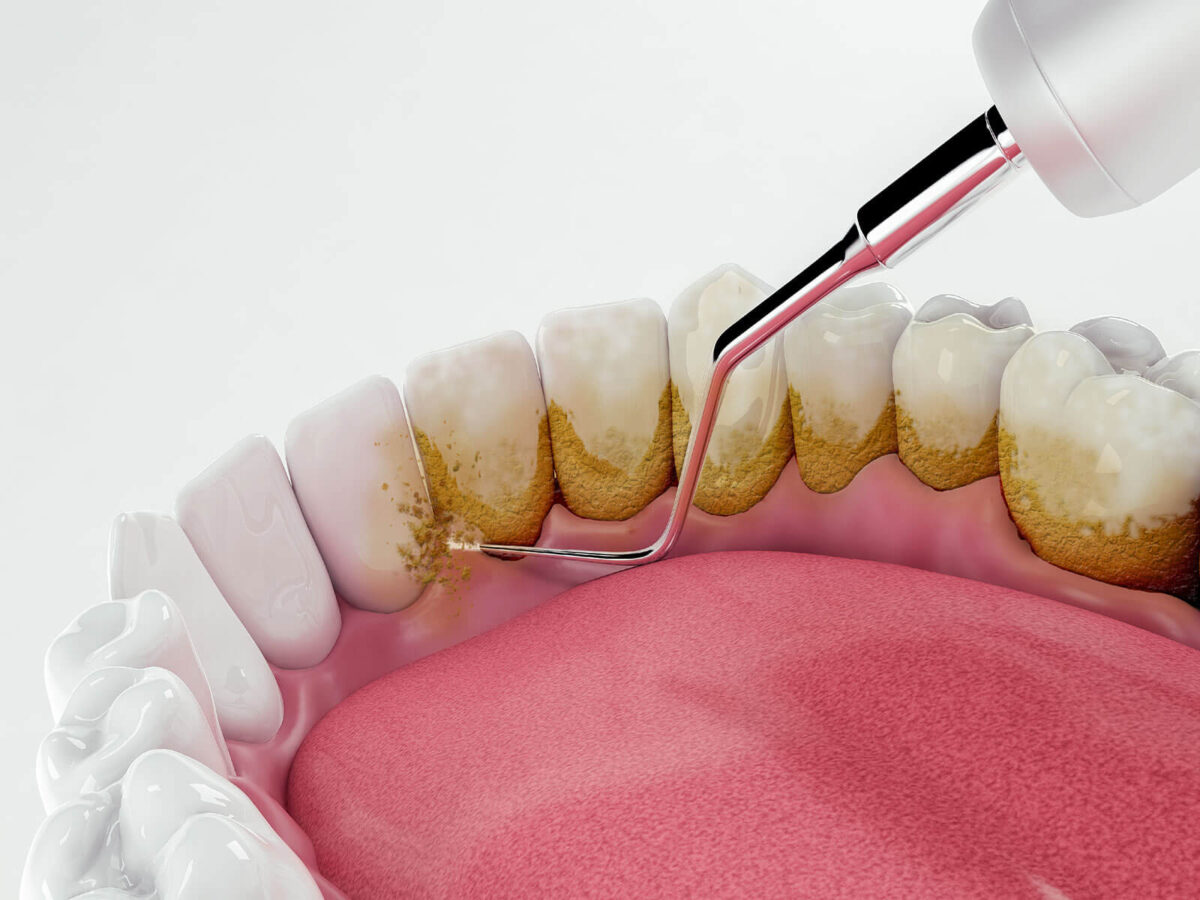
Most home routines do a solid job, though some tight spaces still hang onto stubborn buildup. That soft film hardens slowly and begins to bother the gums. A professional cleaning clears that layer and creates a surface that everyday toothpaste can manage again. The appointment also lets the clinician check pocket depths and decide if extra steps make sense. This is not just polishing. When you keep up with tartar removal and basic gum health maintenance, small issues stay small.

How a Routine Cleaning Usually Goes

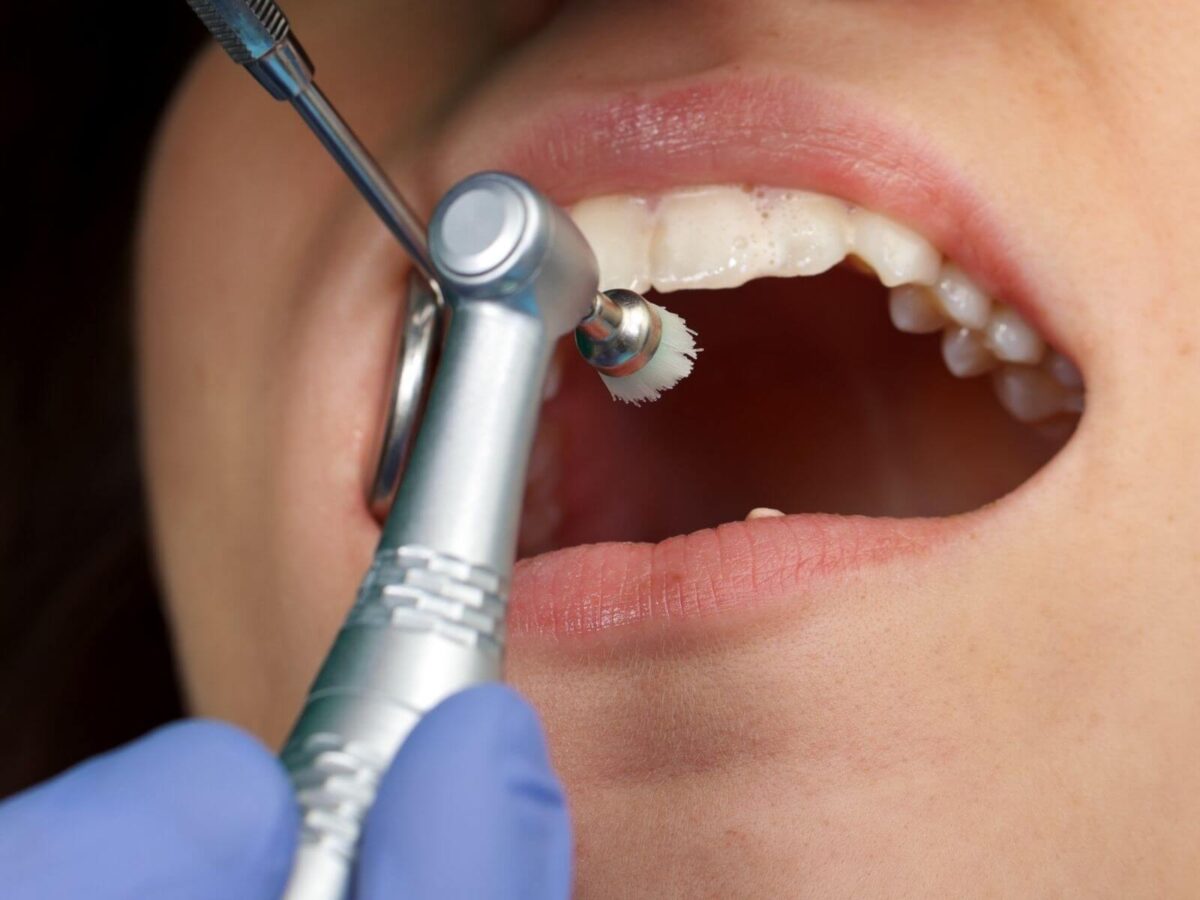
The appointment usually begins with a quick check of the gums and a brief chat about any concerns. After that, the clinician removes the hardened buildup from around and between the teeth with tools made for careful work. When the surfaces are cleaned, they are smoothed so plaque cannot cling as easily. A short polish comes next, and the visit ends with simple advice that helps keep things clean until the next checkup.

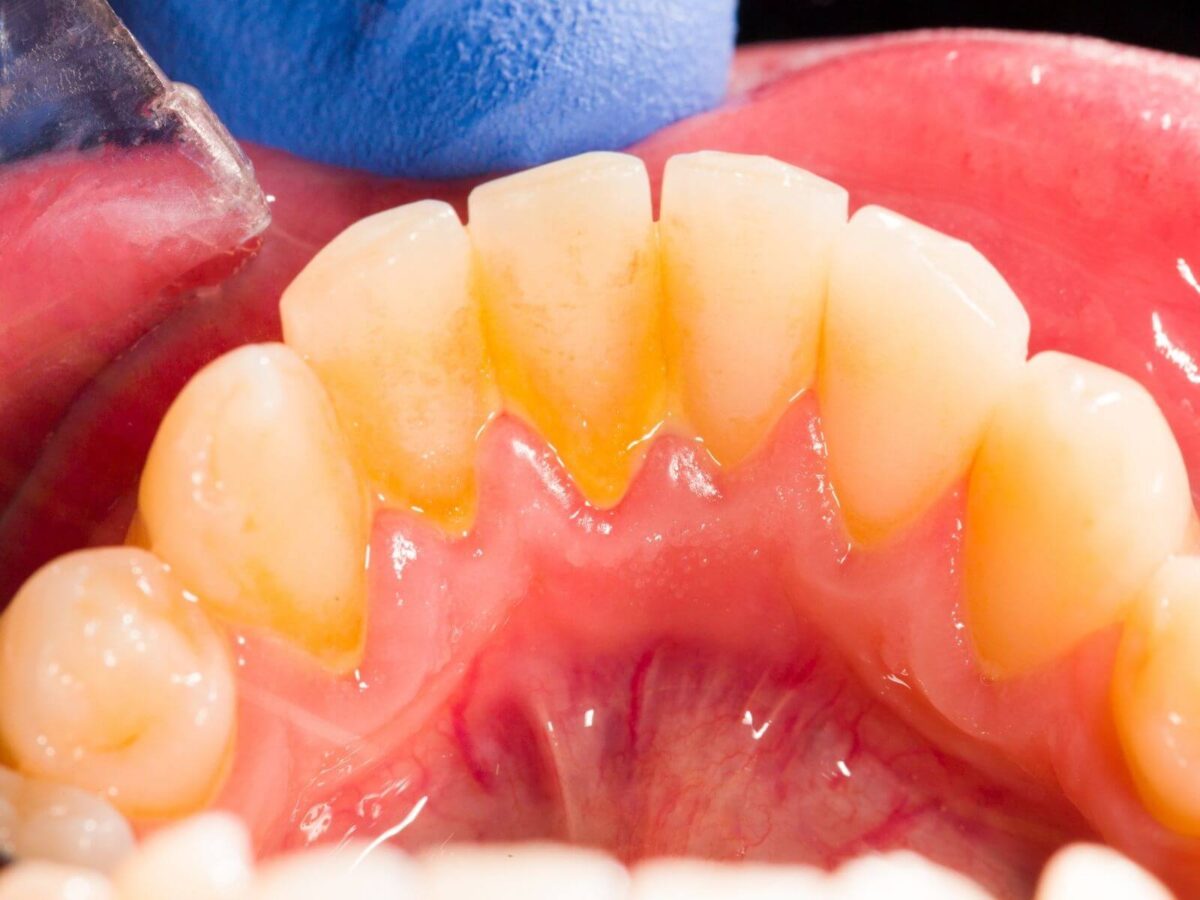
Tartar Removal And Why It Is Important

That sticky plaque most people get can harden into tartar before they even notice. When it does, the gums around it get annoyed, and the rough spots trap more bacteria than usual. A proper cleaning takes that layer off and brings the tooth back to a shape the gum likes. A clinician at an Elgin dental office usually explains how removing tartar early helps stop gum problems from moving forward and makes brushing at home more effective.

How The Clinician Checks Gum Health

A cleaning involves more than polishing. The clinician measures how snugly the gums fit around each tooth, because close attachment signals health. When pockets deepen, it may point to early gum issues. Keeping these measurements over several visits reveals a trend. That trend guides a Dentist in Elgin TX in choosing between regular cleaning and more focused care. Spotting problems early keeps treatment easier and the mouth steady.

Managing Sensitivity During And After Cleaning

It is common to brace for pain during a cleaning, yet most patients feel only light pressure. When an area feels tender, the clinician simply eases up or pauses for a breath. Once the visit is finished, teeth feel smoother, and sensitivity settles down quickly. Those who react easily often do well with a gentle toothpaste and a regular cleaning routine that keeps changes small.

How Basic Preventive Care Cuts Bigger Bills Later

Preventive visits save trouble later. A small filling from a dentist in Elgin TX costs less and heals faster than a major restoration. When cleanings catch early decay and calm gum irritation, emergencies become rare. Patients often feel the savings in money and stress. Fewer urgent trips also mean less time away from work or school. A steady routine at an Elgin dental office keeps care predictable.

When to Book Your Next Cleaning

For many patients, a six-month rhythm works well because their gums stay steady and their decay risk remains low. Others benefit from more frequent visits, especially when past gum disease, dry mouth or medical changes affect how the mouth behaves. A dentist in Elgin TX chooses the timing based on real needs. Small adjustments keep care focused and practical.

Polishing And Stain Removal Explained

Polishing leaves teeth feeling smoother and helps lift light stains from everyday drinks. It also clears small surface spots where plaque tends to settle. Polishing is not whitening. It does not change the natural shade of a tooth deeply. For a patient seeking a brighter shade, the clinician explains cosmetic steps available after ensuring the mouth is healthy. Polishing supports both comfort and confidence in everyday social settings.

What To Expect After The Visit

Most people resume normal eating and activities immediately. Some notice a slight increase in tooth sensitivity for a day or two, especially to cold. This fades quickly. The clinician provides simple instructions to ease any transient sensitivity and suggests products that maintain comfort. A follow-up visit or a shorter recall for high-risk patients keeps momentum and reduces the chance that the next appointment needs more extensive steps.

When Medical Conditions Change, The Cleaning Plan

Certain health factors affect oral care. Diabetes, autoimmune conditions and medicines that reduce saliva change how the mouth handles bacteria and how quickly deposits form. A Dentist in Elgin TX looks at your medical history first, then adjusts the cleaning pace and any fluoride or varnish steps when needed. Teamwork with a primary care provider helps when other body changes affect oral health directly.

Cleaning And The Lifespan Of Restorations

Crowns, fillings, and implant restorations need regular inspection. Calculus and plaque around margins can lead to decay or inflammation. During a cleaning, the clinician inspects these boundaries and suggests small repairs or adjustments as needed. Early action keeps a restoration serviceable and avoids replacement. A careful cleaning session protects both natural teeth and the dental work that supports daily function.

Insurance And Cost Notes

Preventive cleanings are often fully or mostly covered because they cut future expenses. Patients can check their policy details and schedule visits in a way that fits their plan’s allowances and timing. Clinics often help with insurance questions and provide clear estimates for additional steps beyond routine cleaning. This transparency reduces stress and lets patients prioritise the most important care without surprise fees.

Choosing A Trusted Local Provider

A trusted Elgin dental office shares findings in simple language and lays out a clear plan for care. Pick a clinic that checks pocket depths, shows images when useful, and helps set a recall pace you can keep. A clinician who listens and who offers practical home steps builds a long-term partnership that keeps dental care predictable and manageable.

The Takeaway

A professional cleaning does far more than brighten a smile. It lifts hardened buildup that brushing misses, checks how the gums are coping, and keeps small issues from growing quietly. When cleanings pair with steady home habits, the mouth stays healthier and easier to manage. Quick help also prevents surprises. A trusted dentist in Elgin TX and a friendly Elgin dental office help keep each visit calm, quick and easy to fit into normal routines, making long-term comfort simple.

To keep your teeth and gums healthy, set an expert cleaning with a trusted dentist in Elgin TX at an Elgin dental office. The team reviews health, performs tartar removal, checks gums and offers home steps. A short visit today helps keep your smile strong for years.

Categories
Dental care

How A Balanced Diet Supports Your Oral Health

A handful of daily food choices can quietly shape the mouth. A family dentist Elgin hears the same question often: Can what we eat really help teeth? It can. Daily food choices touch enamel, saliva, and gum health. Simple patterns, carried on day after day, create the real long-term changes. This guide shares practical healthy teeth diet tips that fit everyday routines and support steady nutrition and oral health. It keeps dental care in Elgin TX, simple enough to follow without feeling restrictive.

Talk About Food

Because teeth meet everything that enters the mouth first, enamel and gums feel the impact right away. Food can help strengthen them or feed bacteria, depending on the routine. A family dentist Elgin looks for that balance. Some meals help; others slowly create wear. With steady dental care in Elgin TX, those habits are spotted early, keeping problems small and easier to manage.

Minerals And Vitamins That Matter Most

Enamel stays healthy when minerals are around. Calcium and phosphate build it up, vitamin D helps the body move them where they’re needed, and protein and vitamin C support gum tissue. It does not take fancy meals to get these. Dairy, greens, eggs, beans, and fish work fine. When they’re part of normal eating, enamel repairs itself more easily and gums recover faster, matching simple healthy teeth diet tips without changing much.

Saliva Is A Quiet Protector

Saliva handles more than most people ever think about. It softens acids, moves food bits away, and brings minerals back to the teeth.

Drinking plenty keeps saliva moving, and skipping medicines that cause dryness lets the mouth recover. On hot days around Elgin, even a small water bottle makes a difference. When saliva flows well, acid doesn’t linger, and the mouth finally gets time to settle, something a family dentist Elgin often reminds families about.

Sugar

People often fixate on sugar totals. That matters, but timing is often worse. Sipping a sweet drink across an afternoon keeps acid levels high for hours. A single dessert after a meal is easier for saliva to handle. A practical rule from clinics is to reduce how often the mouth is exposed to sugar rather than only how much sugar appears. That shift alone lowers cavity risk significantly.

Everyday Foods That Help Teeth

Some foods help quietly without much fuss. Crunchy fruits and vegetables lightly brush the teeth as you chew and get saliva moving. Cheese and milk add calcium and help soften acid. Nuts bring minerals without quick sugar, and unsweetened tea has compounds that slow certain bacteria. Working these foods into everyday meals supports steady nutrition and oral health and keeps enamel stronger over time.

Acids And Starches

Citrus foods can briefly soften enamel. Starchy snacks quickly turn into sugars for bacteria. You can still enjoy them, something a family dentist Elgin often reminds patients. A drink of water after citrus or pairing it with cheese helps reduce the effect. Small changes like these fit naturally with simple healthy teeth diet tips and protect enamel in the long run.

Why Overall Health Matters

What happens in the mouth often reflects what’s happening in the rest of the body. Diabetes can slow healing and make infections easier to start, and changes in weight or metabolism can show up in the gums as swelling. That’s why diet comes up during visits. When meals improve, and activity picks up, inflammation usually settles, and everyday nutrition and oral health start to line up better.

Simple Meal Timing That Helps Teeth Recover

Spacing out eating gives saliva room to settle the acids and rebuild enamel. Three meals and a simple planned snack usually fit most routines. Water between meals helps, and having cheese or a vegetable after something sweet brings the acidity down quickly. Little timing changes like these reduce long-term enamel wear.

Practical Swaps

Easy swaps beat strict diets. Water instead of soda or fruit and cheese instead of chips are changes that last. Many clinicians prefer choosing just one new habit at a time. Once it settles in, the benefits show up without pressure, something a family dentist Elgin often reminds families.

Habit Building That Lasts

Kids form tastes and routines quickly. Making fruit and dairy the normal snacks and avoiding bedtime sugary drinks protects developing enamel. A family dentist Elgin suggests simple defaults that families can keep. Tiny, consistent habits protect adult teeth as they arrive and cut down on future work.

Practical Food Adjustments

As people age, chewing and saliva flow may shift a bit. Soft foods can stay nutritious, especially cooked vegetables, eggs, tender fish, and beans. These choices keep meals comfortable and still support minerals the mouth needs. Small daily changes help teeth hold up and steady nutrition and oral health.

When Supplements Help

Vitamin D supplements can step in when someone isn’t getting enough from food. A clinic may check for low levels if symptoms appear. Whole foods do the real work in the long run. Supplements only step in to help and should not take the place of steady nutrition and oral health.

Signals That Diet May Be Part Of The Problem

More sensitivity, extra cavities, or gums that keep bleeding are worth mentioning. A short food log for a couple of days gives the clinician useful clues and makes the guidance more realistic. That small habit keeps problems manageable, something a family dentist Elgin often encourages.

Local Practical Tips For Elgin Families

Elgin days move quickly. Carry a water bottle, add a bit of cheese to lunch boxes, and pick one planned snack for after school. Clinics here often shape their hours around school schedules, making prevention easier to keep up with. These small touches keep dental care in Elgin TX, practical. They also give families a rhythm that feels natural, not forced.

Measuring Progress Over Time

The improvements are quiet. You see fewer fillings, calmer gums, and visits that feel steadier. A family dentist Elgin watches these patterns and makes small adjustments along the way. It’s all about keeping things stable over the long run, not sudden results that fade.

The Takeaway

A balanced diet can support the mouth in simple, practical steps. Aim for minerals and protein, stay hydrated so saliva stays active, and reduce how often sugar reaches the teeth. Add one manageable swap at a time and keep up with your routine visits. A family dentist Elgin can turn those easy habits into a plan that protects your smile for the long run.

Call To Action

For down-to-earth, healthy teeth diet tips and a plan that fits your family, contact a trusted family dentist Elgin. The team will check habits, suggest practical changes, and set a care rhythm that keeps dental care in Elgin TX steady and manageable.

Categories
Dental care

Clear Aligners Vs. Braces: Which Is Right For You?

When you choose to finally straighten your teeth, it feels like a small restart. Something gentle but completely new. There are practical choices and small emotional ones. There is how fast someone wants results, how visible they want the treatment to be, and how their life fits braces or clear aligners. A local dentist in Elgin TX will help patients weigh the details instead of pushing a single option. That kind of talk leaves people feeling informed, not rushed.

And people bring real life into the decision. Work schedules, travel, public speaking, and kids at home: all of that matters when choosing a plan. Elgin Orthodontics offers both routes, and both have real strengths. This guide walks through the differences plainly, so readers can picture what life looks like with each choice.

A Quick Look At What Each Option Is

Braces have been used for decades. Metal brackets and wires attach to teeth and are adjusted over time to guide teeth into better places. They correct complex problems, including rotations, severe crowding, and jaw alignment issues. They are reliable and precise, and orthodontists know how to use them in almost any situation.

Clear aligners, including modern Invisalign treatment, work differently. A series of nearly invisible trays fit over the teeth and shift them a little at a time. The trays are removable for meals and for brushing. Many people like that the trays are subtle. Elgin orthodontics practices usually offer both options, and the best choice depends on the person sitting in the chair.

How Do The Wear And Daily Life Compare

Braces are fixed. Once they go on, they stay on until the orthodontist removes them. That can be a benefit because there is no temptation to skip wearing them. They are always working. Care routines change a bit. Brushing around brackets needs patience. Flossing works with special threaders or water tools. Meals sometimes change. Hard or sticky treats might seem harmless, but they can twist wires or loosen brackets.

Clear aligners are removable. That is the biggest daily difference. People take them out to eat and to brush. They can keep the normal bite of a crunchy apple or enjoy popcorn without extra worry. That convenience is a major plus. It also asks for responsibility. If someone forgets to put aligners back in, progress slows. Most systems suggest wearing trays for about twenty-two hours a day. That steady habit is what moves teeth.

Visibility And Confidence During Treatment

Appearance matters in real life. For someone self-conscious about metal in their mouth, clear aligners often feel freeing. They are discreet and rarely noticed at a glance. That can make social interactions easier, especially for older teens and adults in public roles.

Braces are more visible, but they have changed a lot. Ceramic brackets blend with teeth. Colored elastics give a playful look for younger patients. Many people think of braces as a short stage they go through to get a lasting change. A thoughtful dentist in Elgin TX helps set realistic expectations, so no one is surprised by how they look while teeth move.

Comfort And Common Adjustments

Brackets and wires can cause soreness after an adjustment and sometimes rub the cheeks. Orthodontists usually hand out wax and simple tips to ease irritation. Most people adapt in a few days.

Braces provide steady pressure, which helps with very precise movements. That precision is why braces are still recommended for many complex cases seen in Elgin orthodontics.

With clear aligners, the discomfort often comes when starting a new set of trays. The pressure is noticeable at first, but usually milder and shorter-lived than soreness after a wire change. Trays are smooth plastic and rarely irritate cheeks the way brackets can. For many, this is a real comfort advantage. Some patients prefer that when they travel or speak publicly.

Treatment Length And Predictability

People often wonder how long each option takes. The truth is, every smile is different. For small adjustments, clear aligners can usually get results a bit faster. When it’s not a simple fix, braces usually do better. They move teeth in a steady, controlled way. The orthodontist sees your X-rays and models, using their judgment to figure out the best path forward.

Sometimes, doctors mix methods. Some start with braces for certain movements and finish with clear trays for detailed work. That hybrid plan uses strengths from both tools. It shows that treatment is flexible and tailored.

Oral Hygiene And Maintenance

Keeping teeth clean matters no matter the treatment. Plaque clings easily to brackets and wires when you have braces. Good brushing and extra flossing help keep teeth clean. Some go to the hygienist a bit more often, just to be sure. A little extra effort makes the end result shine.

Clear aligners simplify cleaning because trays come out. Brushing and flossing stay much like before treatment. The aligners themselves need care, too. A quick rinse and gentle brushing keep them clean and free of odours. When worn as directed, the trays move teeth steadily without changing daily care much.

Who Is A Better Candidate For Each

Braces are usually suggested for younger patients or for those with more complicated bite issues. They can shift teeth in ways that trays sometimes can’t. Severe crowding and large bite discrepancies often need the control that fixed appliances provide. In those cases, a dentist in Elgin TX, or an orthodontic specialist will often advise braces for the predictable result they offer.

For a lot of adults and teens, clear aligners are the go-to choice. They’re subtle, easy to remove, and handle mild to moderate crowding well. They also work nicely when teeth move a little after past treatment. They’re not perfect for everything, but they meet most needs. And the technology just keeps improving.

Cost Considerations

Cost depends on case complexity. Historically, braces were less expensive, but as clear aligner technology has advanced, prices have become comparable. Insurance sometimes covers part of the treatment, sometimes none of it. Many Elgin orthodontic offices offer payment plans and financing to spread costs. Talking openly about budget and options early helps families plan better.

The Takeaway

Clear aligners and braces both get the job done. Braces deliver predictable control for complicated issues. Clear aligners, including modern Invisalign treatment, give discretion and convenience for those who can follow wear guidelines. Choosing between them is personal and practical. Consulting with a local Elgin orthodontics provider makes the choice fit the life of the person who will wear the appliance.

Call To Action

If someone is weighing braces or clear aligners, schedule a consultation with a trusted dentist in Elgin TX. The local team will outline personalised options, explain likely timelines, review costs, and help pick the right path so the final smile fits both life and goals. Reach out and ask for examples of local cases. Hearing a couple of stories from neighbours often helps make the decision feel real.

Categories
Dental care

How Stress and Anxiety Impact Oral Health

You know how stress finds strange ways to show itself? For some, it’s tight shoulders. For others, it’s poor sleep. And for a lot of people, it shows right inside their mouth.

At first, you hardly notice. Then one morning, your jaw feels a little tense. Or your gums bleed a little when you brush. Some folks come in saying their mouth just feels “off.” And when you visit Elgin Dentist TX, the real reason turns out to be stress.

The body doesn’t split the mind from the mouth. When worry or stress shows up, your teeth and jaw take some of it on. They keep that tension tucked away until it starts to hurt.

When Stress Reaches Your Mouth

When your mind is under pressure, your body changes without asking you. Hormones like cortisol rise. Your heart beats faster. Your breathing changes. The same stress chemicals slow down how your body heals and fights germs. That’s why your gums can bleed or swell even when you keep up your brushing.

Your Elgin Dentist TX often sees people who take great care of their teeth but still develop irritation when life gets heavy. It’s not about bad habits. Your body’s simply tired from doing too much at once.

When Stress Hits the Jaw

One of the quiet ways stress shows is through the jaw. It tightens, sometimes all day, sometimes through the night. You don’t catch it right away, not until it starts to ache.

Dentists call that habit bruxism. It wears down enamel bit by bit, flattens teeth, and can shift the way they meet when you bite. Your Elgin Dental Office TX sees people with tension headaches who thought it was their neck or back, when it’s really their jaw muscles holding stress.

A night guard can only do so much. What helps most is noticing when it happens. Once you do, take a breath and let the jaw rest. That small act keeps pressure off your teeth.

Stress and Your Gums

Your gums are sensitive to stress, too. When the immune system slows down, gum tissue becomes more reactive. It can swell or bleed with just a little plaque. Even people with perfect hygiene can develop inflammation after weeks of anxiety. It’s the body’s way of saying, “I’m tired.”

Your Elgin Dentist TX can treat it easily when it’s caught early. But the real fix often comes from outside the clinic: sleeping better, drinking more water, or just giving yourself some rest.

Dry Mouth and Everything That Follows

When your body feels stressed, saliva production drops. That’s why you get a dry mouth during tense moments or long hours. Saliva washes bacteria away and keeps things steady. When it slows, acid starts to build and plaque hangs on, giving decay a chance to grow.

At Elgin Dental Office TX, dentists usually suggest simple things like sipping water often, chewing gum, and keeping your mouth moist. A dry mouth isn’t just uncomfortable. It’s the first step in a chain reaction that leads to Stress Related Dental Problems later.

Stress and Your Eating Habits

Stress messes with appetite. Some people go hours without food. Others reach for snacks all day, usually chips or soda. Add that to a dry mouth, and your enamel stays under constant attack. That’s when we start seeing cavities along the gumline or tooth sensitivity that won’t go away.

Your Elgin Dentist TX suggests simple routines like eating with awareness, drinking water after snacks, and waiting before brushing after acidic foods. If stress eating sneaks in, that’s okay. Just rinse your mouth and move forward. Tiny moments of care add up over time.

Mouth Sores and Sensitivity

Ever had one of those tiny ulcers appear out of nowhere? The ones that sting every time you talk or eat? Stress can trigger them. When your immune system drops, the tissues in your mouth get irritated easily. The same goes for sensitivity.

At Elgin Dental Office TX, dentists usually give patients gentle mouth rinses or numbing gels to ease things up. They also remind them that rest is medicine too. A few nights of proper sleep can heal what creams and pills can’t.

The Sleep Connection

Stress and sleep are closely tied. Too little sleep raises stress, and that stress can show up as grinding while you sleep. You usually don’t notice it until your jaw aches in the morning. Some even crack fillings or chip teeth from it.

Your Elgin Dentist TX can fit a night guard that cushions your bite and keeps enamel safe. It won’t erase stress, but it lets your body catch up while you focus on calming your mind. Good sleep fixes more than tired eyes. It helps your mouth heal too.

How Stress Slows Healing

When stress takes over, your body stops thinking long term and focuses on getting by. Healing becomes a lower priority. That’s why small gum cuts or mouth irritations linger longer than usual. It’s not your fault. It’s simply your immune system being stretched thin.

Your Elgin Dentist TX sees this all the time, especially in people balancing too much like jobs, family, and deadlines. The mouth reflects that lifestyle. You heal slower. There’s more bleeding, more swelling. Once the stress lifts, though, the mouth begins to recover. It’s just your body taking a breath.

Breaking the Cycle

Stress takes time to ease. Still, small things help. Stop for a breath, have some water, or chew gum. It tells your body you’re paying attention.

When you visit Elgin Dental Office TX, let them know how you’re feeling, not just physically, but mentally too. Your dental plan can adapt. Maybe you need softer cleanings or just shorter visits while things settle down.

When Your Mouth Speaks Up

Your mouth often speaks before you do. Sore gums, tight jaws, and cracked enamel are all messages, not just problems. Ignoring them doesn’t help. Catching them early saves you pain and money later.

Your Elgin Dentist TX always reminds patients: oral health isn’t just brushing and flossing. It’s everything that happens around it, like your habits, your rest, your emotions. When life feels heavy, your mouth will let you know. Listen to it kindly.

The Takeaway

Stress and anxiety don’t stop at your thoughts. They show up in your mouth too, as clenching, swelling, or dryness. Once you notice it happening, you can start to protect yourself.

Visit your Elgin Dental Office TX regularly. Let your dentist know what’s going on in your life. They can see changes you might not feel yet. Together, you can keep your smile healthy while you find your calm again.

Noticing tension in your jaw or changes in your gums? Come see your Elgin Dentist TX, soon. At Elgin Dental Office TX, we help patients manage Stress Related Dental Problems with gentle care, guidance, and a listening ear. Life gets stressful, but your smile doesn’t have to.

Categories
Dental care

How To Keep Your Teeth Bright After Cleaning or Whitening

After a whitening or dental cleaning, you can’t help but feel good. Teeth smooth, gums refreshed, smile shining like it belongs in an ad. You grin at mirrors, maybe snap a selfie or two. It’s a little lift, but it carries through, affecting how confident you feel all day long.

Truth is, the shine doesn’t stick around for long. Life happens.

Coffee in the morning, tea in the afternoon, red wine at dinner, even a favourite curry, they all slowly steal that brightness. That’s where aftercare for teeth whitening comes in. With the right habits and visits to Elgin Dentist TX, you can keep that just-whitened look lasting much longer.

No need for strange gadgets or endless steps. Just keep up some simple habits, and your teeth hang on to that brightness much longer than expected.

Why Teeth Can Lose Their Glow

Right after a professional cleaning, stains can return before you know it. Coffee and tea stand out, but sodas and sauces build up over time. And remember to think about the enamel. Acidic foods, sugary treats, and everyday habits can soften it just enough that stains find their way in.

Your Elgin Dentist TX will tell you: checkups matter. They do more than just clean. They protect enamel. They care for gums and keep your smile strong and healthy.

Brushing and Flossing: The Real MVPs

We all hear that brushing twice daily is important. The trick is brushing the right way. Brushing in gentle circles helps most.

Cleaning too hard can wear down enamel. It can also make stains stick. Flossing matters just as much and should be done every day.

Those tight spaces between teeth? That’s where stubborn stains hide. Not flossing is like leaving a secret room in your home untouched; dust piles up, and you only notice once it’s a real mess.

At your Elgin Dental Office TX, they can show you how to floss without hurting your gums. And trust me, once you get it, it’s super easy to make it a daily habit.

Food and Small Tweaks

Here’s a secret: you don’t have to give up coffee or soda. Just rinse with water afterwards. Try sipping drinks that stain through a straw. Little changes like this really add up and help keep your smile bright over time.

It’s not just drinks that cause stains. Sauces and acidic foods wear on enamel, too. Rinsing your mouth after eating makes a big difference for enamel. Don’t brush immediately afterwards. It can damage your enamel. Your Elgin Dentist TX can give a list of safe foods and tips to enjoy the treats you love without wrecking your whitening results.

Touch-Ups are Normal

Professional whitening isn’t permanent. Teeth naturally pick up colour again. Some people like yearly touch-ups. Others prefer at-home trays prescribed by their dentist. It’s about keeping the brightness without overdoing it.

Overdoing whitening can irritate gums and teeth, so your Elgin Dentist, TX, will make sure you get the balance right. Touch-ups aren’t cheating. They’re smart care.

Don’t Rely on Home Products

Whitening toothpaste and rinses are everywhere. Some do help with small surface stains. Others? It’s mostly hype. Trust your dentist’s advice instead.

Think of these as a quick polish for your teeth. They won’t take the place of a dentist’s cleaning or whitening. Still, they keep your smile feeling fresh between visits. Your Elgin Dental Office TX, can point you to products that actually work.

Everyday Choices That Count

Smoking stains teeth fast. Even occasional smoking can undo whitening work. And don’t forget chewing habits. Sauces, berries, and soy meals can stain teeth quickly. Wash up after meals or drink as it helps more than you think.

Little steps count more than most people realise. Keep cleaning every day, show up for cleanings, and stick with simple care. All those little things build up, giving you a healthier smile that stays strong.

Sensitivity After Whitening

A little sensitivity after whitening is pretty common. Usually, the sensitivity eases within a few days. A soft brush and sensitive toothpaste can help. Also, avoid too hot or too cold drinks for a bit.
Your Elgin Dentist, TX might also suggest fluoride rinses or gels. They calm sensitivity and protect enamel, letting your teeth adjust without losing brightness.

Checkups Keep the Shine

Routine visits go beyond simple cleanings. They help spot plaque and tartar before it builds, catch hidden stains early, and let your dentist keep track of your whitening progress over time.

At your Elgin Dental Office TX, your dentist can compare photos over time and suggest touch-ups or treatments before discoloration becomes noticeable. It’s a small investment that keeps your smile looking top-notch.

Confidence Matters

Your smile is more than appearance; it’s the reason you feel truly confident. A smile impacts your mood. It influences how you talk with others and how people notice you. Small stains might shake confidence. Cleaning and daily care keep your teeth bright and strong.

Look after your teeth and follow aftercare tips. Make regular checkups a habit. These steps help maintain confidence and overall self-care. You look better, feel better, and maintain habits that support your smile.

When You Need Professional Help

Some stains go deeper. Genetics, certain medications, or even trauma can cause stains that regular at-home care won’t fix. That’s when a professional whitening session is worth it.

Avoid so-called miracle kits. Used incorrectly, they harm enamel and gums. Your Elgin Dentist, TX, gives proven treatments and expert advice to help your results last while keeping your smile safe and healthy.

Teeth-Friendly Foods

Crunchy fruits clean as you chew; dairy strengthens enamel with calcium. Switching sugary snacks with these foods keeps your smile bright and healthy.

Your Elgin Dental Office, TX, can give a simple plan to combine these foods with your daily routine for maximum effect.

Travel and Lifestyle

Travelling shouldn’t mess with your dental habits. Pack a brush, some floss, and water. Coffee, tea, and soda can stain quickly away from home. Rinse after, or brush when possible.

It’s not only about brushing and flossing. Drinking water, moving your body, and even lowering stress help too. Strong gums and enamel hang onto whitening results much longer.

Little Wins Every Day

Swish with water, give it time before brushing after acidic foods, and keep your brushing gentle. If these small habits are followed daily, they stack up. Over weeks and months, consistency is what keeps your smile bright.

Conclusion

A bright smile isn’t from one session alone. It depends on habits, routine, and good care. Aftercare for teeth whitening and checkups with your Elgin Dentist, TX, all combine to keep your teeth shining strong.

White teeth fade without the needed care. At Elgin Dental Office TX, we guide your habits, provide touch-up treatments, and maintain results for the long run. Our team protects enamel and boosts confidence. Call now to book and keep your smile glowing long after whitening.

Categories
Dental care

What Makes Invisible Braces For Adults A Popular Option?

Adults often think braces are only for kids. That ship sailed, they say. But more grown-ups are realizing they can still straighten their teeth quietly, without the metal smile. That’s why invisible braces for adults have become a big thing.

If you’ve walked into an Elgin Dental Office TX, recently you’ve probably seen posters or heard stories. It’s not just teenagers anymore. It’s moms, dads, professionals, and people who simply waited. They’re all choosing clear aligners.

Why Adults Want Straighter Teeth

Let’s be honest. Some people skipped braces as kids. Maybe cost was an issue. Maybe teeth didn’t seem bad back then. But misalignment doesn’t disappear. In some cases, it even worsens with age.

So now, as adults, people notice crowded teeth in photos. Or they bite down unevenly. They feel jaw tension. And suddenly, fixing it matters more. That’s where a trusted Elgin Dentist TX comes in with options.

What Invisible Braces Really Are

“Invisible braces” usually mean clear aligners. They’re thin plastic trays, custom-fitted to your teeth. Each set shifts things slightly until the smile lines up.

Unlike metal braces, there are no wires or brackets. That’s why people call them invisible. You can talk, smile, and even laugh, and most people won’t notice. For grown-ups, that subtlety matters a lot.

Why Adults Avoid Metal Braces

Think about it. A 35-year-old is walking into work with shiny brackets and colorful bands. It feels out of place. Adults often shy away because braces are associated with teenage years.

An Elgin Dentist TX knows that image plays a huge role. Adults want results without the spotlight. Invisible braces fit that bill.

Comfort In Daily Life

Metal braces can irritate cheeks and gums. Food sticks everywhere. Adults don’t have time for all that hassle. Clear aligners feel smoother. They slide on and off, and most people adapt within days.

Patients at an Elgin Dental Office TX, often say the same thing: comfort makes them stick with it. If braces hurt too much, compliance drops. But invisible braces for adults are easier to wear consistently.

Eating Without Worry

Traditional braces come with a long “do not eat” list. Popcorn, caramel, and crunchy chips are all risky. Adults don’t want that stress.

Clear aligners come out before meals. That freedom is a game-changer. Dinner with friends doesn’t feel like a dental obstacle course. You eat, brush, pop them back in, and move on.

Confidence At Work And Social Events

This part can’t be ignored. Adults juggle meetings, dates, networking, and even presentations. A big smile covered in wires can feel distracting.

Invisible braces blend in. They allow you to straighten teeth without feeling like everyone’s staring. An Elgin Dentist TX will tell you that confidence during treatment is just as important as the result after.

Time Commitment

Traditional braces often mean longer treatment, sometimes two or more years. Clear aligners usually move teeth faster if worn properly.

Adults appreciate timelines. A parent balancing kids and work doesn’t want endless appointments. Invisible braces for adults tend to have fewer emergency visits, too, since no wires break. That convenience is huge.

Health Benefits Beyond Looks

Straight teeth make cleaning simpler. The result is fewer cavities and noticeably fresher breath. Adults know dental costs rise steadily with age.

So while invisible braces improve appearance, they also protect long-term oral health. An Elgin Dentist TX often frames it this way: it’s not just cosmetic. It’s preventive care.

Lifestyle Flexibility

Traveling for work? Going to a wedding? Clear aligners slip out for short breaks. That flexibility is something metal braces can’t match.

Sure, dentists don’t want patients removing them too much. But having the option gives peace of mind. It’s another reason clear aligners for adults win people over.

The Role Of Technology

Technology changed everything here. Digital scans, 3D printing, and advanced software map the treatment before it starts. Patients can see their future smile before wearing the first tray.

This preview motivates adults. It makes the process feel real. An Elgin Dental Office TX with modern tech shows how personalized the journey can be.

Are They Really Invisible?

Not entirely. Up close, someone might notice the edges of the tray. But compared to braces, they’re nearly invisible.

Most adults say no one comments unless they point it out. That’s enough to make them feel secure in daily life.

Cost And Value

Money matters. Clear aligners may cost more than braces in some cases. But adults often view it as an investment. Straight teeth boost confidence, careers, and relationships.

Insurance sometimes covers part of it. Payment plans spread out the rest. An Elgin Dentist TX, usually helps patients weigh costs against lifestyle benefits.

Discipline Is Required

Here’s the catch. Aligners only work if worn 20–22 hours daily. Forgetting them slows progress. That responsibility falls on the patient.

Adults usually do well because they’re motivated. But some admit they slip up. That’s why dentists check progress closely and remind patients.

What About Stains And Speech?

Aligners pick up stains if you drink coffee or wine while still wearing them. That’s why most people remove them before drinking anything but water.

Some patients notice a slight lisp at first. It usually fades within a week. These little changes feel normal over time.

Emotional Impact

Adults often describe invisible braces as freeing. They feel in control, finally fixing something that bothered them for years.

It’s not just a dental upgrade; it’s emotional. Smiles affect self-image a lot. Patients at an Elgin Dental Office TX often share how, even halfway through treatment, they already smile more.

Invisible Braces Vs. Veneers

Sometimes adults ask if veneers are a faster solution. Veneers can change appearance quickly, but they don’t correct the bite. They also require shaving enamel.

Clear aligners, on the other hand, move natural teeth into healthy positions. An Elgin Dentist TX helps patients decide which path suits them best.

How to Tell If This Fits You

Not every adult qualifies. Severe cases may still need traditional braces. That’s why consultations matter. A visit to an Elgin Dental Office TX includes X-rays and digital scans. From there, the dentist outlines realistic goals.

Final Thoughts

So, what makes invisible braces for adults popular? They give results without the metal look, they fit adult lifestyles, and they boost confidence during the process.

Some adults think, “I’ve lived with crooked teeth this long, why fix them?” But problems like gum recession only get worse. Invisible braces are more than vanity. They prevent damage. With the help of a trusted Elgin Dentist TX, the journey is smoother than most expect. The choice isn’t just about straighter teeth. It’s about comfort, about staying healthy, and about being proud of your smile.

If you believed it was too late, it really isn’t. Adults walk into an Elgin Dental Office TX every day and walk out with a plan. Clear aligners for adults aren’t just popular. They’re practical. And for many, they’re life-changing.

Categories
Dental care

Top Benefits of Choosing Invisalign Over Traditional Braces

When you hear “braces,” you probably picture wires and brackets, maybe even memories of middle school. That used to be the standard way to straighten teeth. Now, there are other choices. Patients today want results without giving up comfort, looks, or daily convenience. That’s where Invisalign steps in.

At a Grangerland Dental Office TX, more families are asking about clear aligners because they fit into real life. It’s not only about straighter teeth with Invisalign. Patients also like that they can eat and speak more comfortably compared to wearing braces.

Your Grangerland Dentist TX can show you why Invisalign has become the go-to choice for so many. Here are the real benefits you should know.

Invisalign Looks Natural

What people usually notice first is how subtle Invisalign looks. The trays are clear, almost hidden, so you can get through the day without drawing attention. Teens like that at school, and adults like it just as much in meetings or when the camera comes out.

Braces are obvious. Invisalign blends in. Patients often say they feel more confident smiling during treatment because the aligners don’t take center stage. It feels natural. And confidence goes a long way.

Comfort That Feels Different

If you ask people who’ve worn braces, you’ll hear about sore cheeks, wires poking, or those tightening visits that nobody looked forward to. Invisalign feels very different. The trays are smooth plastic, molded to fit your teeth, so there’s no sharp metal cutting into your mouth.

You still feel gentle pressure as your teeth shift, but it’s steady and controlled. Many patients describe it as more comfortable compared to the sudden tightening that comes with braces. And when you swap trays every couple of weeks, the progress feels smoother.

Your Grangerland Dentist TX knows comfort is more than a luxury. If treatment feels easier, patients are more likely to stay on track. That’s where Invisalign shines.

Eat Without Worry

One of the frustrations with braces is food restrictions. Popcorn, nuts, sticky candy, crunchy apples: all off-limits. With Invisalign, you remove the aligners before eating. That means no “food list” to memorize.

Want to enjoy corn on the cob at a family cookout? Go ahead. Craving pretzels at the ball game? No problem. You can eat what you love and pop the trays back in after brushing.

That kind of freedom makes life easier. And let’s be honest, it keeps treatment from feeling like a constant compromise.

Simple Cleaning Routine

Dental care with braces takes effort. You need special floss threaders, tiny brushes, and patience. Food gets stuck in wires, and plaque builds up if you’re not careful. With Invisalign, it’s as simple as ever. Remove the trays, brush and floss like normal, rinse the aligners, and put them back in.

This simple post-dental cleaning care routine helps prevent gum problems and cavities during treatment. For kids and busy adults alike, it’s a relief not to fight with brackets every night.

A Grangerland Dental Office TX will always remind patients that keeping teeth healthy during treatment is just as important as the final result. Invisalign makes that part easier.

Fewer Office Visits

Traditional braces require frequent adjustments. Every few weeks, you’re back in the chair for tightening. Invisalign is more flexible. You get a set of trays and change them at home every one to two weeks.

Of course, check-ups with your Grangerland Dentist TX are still needed, but they’re less frequent and shorter. Families today are already running between work, school, and kids’ activities. Even skipping one appointment can make life easier. It means parents aren’t rushing across town, and that time can turn into an evening at home, instead of running from one thing to the next.

Modern Technology and Predictable Results

One reason patients feel confident choosing Invisalign is the technology behind it. Your dentist takes digital scans, and software maps out how your teeth will move over time. Before you even start, you can see a preview of your new smile.

That’s something braces don’t really offer. With brackets and wires, results feel less certain. With Invisalign, the plan is easy to see, and the path is exciting. Patients at a Grangerland Dental Office TX often say seeing their future smile upfront keeps them excited to stick with treatment.

Supports Better Oral Health

Straighter teeth make daily cleaning simpler. Which, in turn, lowers risks of gum disease and cavities. But during treatment, Invisalign has another advantage: it doesn’t trap food or plaque the way braces do.

You can remove aligners to brush and floss thoroughly. That means gums stay healthier, and enamel stays strong. Your Grangerland Dentist TX knows a straighter smile should also be a healthier one. Invisalign helps patients achieve both at the same time.

Everyday Convenience

Life doesn’t pause for dental treatment. School events, sports, work presentations, date nights, they all go on. Invisalign fits right in. Need to remove the trays for a photo or special event? You can.

Patients love this flexibility. It’s not just about comfort. It’s about not feeling limited. No emergency trips to fix a broken bracket, no wires cutting your cheek before an interview. Just a treatment that adapts to your schedule.

Invisalign comfort and convenience are why more families are choosing it at the Grangerland Dental Office TX.

Long-Term Benefits That Last

The thing about Invisalign is that the changes don’t stop the day you finish. Your teeth stay straighter, and that takes some stress off your jaw. It also helps keep certain teeth from wearing down too fast. Even chewing feels easier for a lot of people, and they’ll say their bite finally feels like it should.

And then there’s the confidence part. You catch yourself smiling more, maybe laughing without covering your mouth. Talking feels smoother, too. Honestly, those little everyday changes matter just as much as the straight teeth, and that’s what makes the whole process feel worth it.

Why Patients in Grangerland Choose Invisalign

Every smile is different. Some complex cases may still need braces. But for many patients, Invisalign is the right choice. Local families trust their Grangerland Dentist TX, to explain both choices and guide them toward the best fit.

At a Grangerland Dental Office TX, care isn’t just about straightening teeth. It’s about making sure treatment supports lifestyle, comfort, and long-term health. Invisalign matches all of those needs.

Conclusion

Braces still do the job, but Invisalign changed the game. Clear trays give results without wires, and they’re easy to wear and remove.

If you’ve been thinking about orthodontic care, this is the time to explore Invisalign. Schedule a visit with a trusted Grangerland Dental Office TX. With a Grangerland Dentist TX, you can talk through the steps, get answers to your questions, and see how Invisalign could improve your smile.

Don’t wait to start feeling more confident. Discover the real benefits of Invisalign today and see why so many patients are choosing clear aligners over traditional braces.

Categories
Dental care

Gingivitis vs. Periodontitis: What’s the Difference?

You brush one morning and notice a hint of blood in the foam. Then it happens again that night. Your gums are a bit swollen. They feel tender, but not enough to make you stop. Most people ignore it and move on. That’s what makes gum disease so tricky.

Gum disease rarely shouts. It sneaks in quietly. Almost like it’s testing the waters, seeing if you’ll catch it before it goes further. It whispers. It starts quietly, subtly, almost easy to ignore.

A lot of folks think they just need a new toothbrush. Or maybe floss a bit more. At first, it barely seems worth thinking about. But gum problems rarely fix themselves. By the time they finally come in, it’s no longer a mild irritation.

The gums have started to pull away, pockets may have formed, and infection can reach the bone. At that point, it’s no longer gingivitis; it’s periodontitis. And periodontitis is serious. It’s a whole different conversation, with more involved treatments and long-term care.

The Early Stage: Gingivitis

Gingivitis is like a red flag your mouth waves before things get serious. It’s inflammation. The gums get irritated because plaque has been hanging around too long. That sticky film isn’t harmless — it’s full of bacteria.

If you’ve ever skipped flossing for a few days, you might notice swelling or tenderness. That’s gingivitis tapping you on the shoulder. The good news? It’s reversible. With proper care — brushing, flossing, and professional cleaning, gums can bounce back.

But here’s the catch. You can’t always feel gingivitis. Sometimes there’s no pain. Just slight redness or bleeding when you floss. That’s why it’s important to keep up with regular visits to your Elgin Dental Office, TX. We spot the signs before you do.

Periodontitis: When Things Go Deeper

If gingivitis is the warning light, periodontitis is the engine problem. By now, the bacteria have worked their way down below the gumline. They start damaging the bone that holds your teeth in place.

Patients often notice their gums pulling away. Spaces appear between teeth. Breath gets persistently bad. And once bone loss starts, you can’t “brush it back.” Treatment shifts from simple cleaning to more advanced therapies.

The scary part? You can have periodontitis without severe pain until it’s advanced. By this point, the bacteria have slipped down below the gumline.

Why Does The Shift happen?

It’s not always about how well you brush. For some people, gum disease runs in the family. Smoking is another big factor. Diabetes can make your gums weaker and more prone to trouble. Once tartar builds up? It makes a rough spot where bacteria settle in and stick.

Picture it like this: Gingivitis stays on the surface. Plaque and tartar just irritate your gums. But periodontitis is structural damage. The infection affects the support system — bone, ligaments, the whole foundation.

How Your Dentist Tells Them Apart

When you come in for a check-up, we don’t just look at your teeth. We measure the depth of the space between your teeth and gums. Healthy gums have shallow pockets. Gingivitis might make them a bit deeper, but with periodontitis, those pockets increase. That’s a sign the bone underneath is shrinking away.

We might also take X-rays. That’s where bone loss shows clearly. And yes, even if your teeth look fine in the mirror, the X-ray can tell a very different story.

Treatments: Fixing and Preventing Damage

For gingivitis, the fix is straightforward — remove the plaque and tartar, teach better home care, and follow up. In a couple of weeks, gums usually tighten back up and stop bleeding.

Periodontitis is a longer road. Sometimes the dentist has to do a really deep cleaning under the gums. They might give you antibiotics and ask you to come in more often. If things are really bad, surgery or a gum graft could be needed to get it under control.
The goal is to stop the progression. Because once the bone is gone, we can’t grow it back naturally. That’s why catching gum disease stages early is everything.

What You Can Do at Home

Here’s the part where most patients expect a magic tip. But at the end of the day, it all comes down to what you do every day.

  • Brush twice a day with fluoride toothpaste.
  • Floss once daily, no skipping weekends.
  • Only rinse with an antibacterial mouthwash if your dentist says it’s necessary.
  • If you smoke, stopping could be the best thing you do for your gums.

Little habits, done every day, help your gums more than any fancy gadget ever could.

Why Parents Should Pay Attention, Too

We’ve seen gum issues pop up in teens more than you might think. Braces don’t help, as they make cleaning tricky. Plaque gets stuck around those brackets fast. The kid might not even feel pain, so they figure it’s nothing. That’s why parents need to watch for little things. Red gums. Puffy spots. A tiny bleed while brushing.

Start healthy habits early. A few extra seconds brushing around braces really helps. Flossing too. And don’t skip dentist visits. They spot trouble before it gets worse. Do it now, and you might save them from bigger problems later.

A Quick Word on Prevention Costs

Some people put off check-ups to save money. But here’s the math: Treating gingivitis might cost the price of a cleaning. Treating advanced periodontitis? That’s deep cleanings, possible surgery, and maybe even tooth replacement. The price, in money and comfort, is much higher.

What Happens If You Ignore It?

Teeth don’t loosen overnight. It’s a slow shift. The gums recede, roots show, and your teeth get super sensitive. Eating something as simple as a sandwich can sting. Eventually, teeth lose their grip altogether.

And gum disease doesn’t stay confined to your mouth. Studies link it to heart problems, diabetes complications, and even premature birth in pregnant women. The mouth is connected to the rest of your body more than most realize.

The Bottom Line

If your gums are starting to show signs of trouble, don’t wait around. That little bleed when you brush or floss? It’s your mouth waving a red flag. Catch it early, and you can stop things from getting worse. Gingivitis, the early stage, can usually be turned around with some care. Once it turns into periodontitis, though, there’s no going back. You can only keep it under control.

Regular visits to your Elgin Dental Office, TX make a real difference. Pair that with brushing and flossing at home every day, and you’re giving your teeth a real shot at lasting a lifetime. Skip it, and dentures could become a reality sooner than you think.
Even small changes in your gums are worth paying attention to. They’re trying to tell you something. Catch it early and take care of it—your teeth will thank you later.

Categories
Dental care

6 Ways To Protect Your Child’s Smile During Sports Activities

Kids love sports. They run. They jump. They laugh. But while they’re out there winning games or just having fun, one thing often gets overlooked. Their teeth.

At Elgin Dental Office TX, we’ve seen too many young athletes walk in with chipped or knocked-out teeth. All because of accidents that didn’t have to happen. Sports are meant to build confidence. Not damage a smile.

Here’s how to keep your kid’s teeth safe while they play:

1. Always Use a Mouthguard for Children

This one’s at the top for a reason. A good mouthguard is like a helmet for your kid’s teeth. Store-bought ones might seem easier, but they often don’t fit well. They fall out. They make it hard to talk. Some even trigger gagging. Most kids only wear mouthguards if they actually feel good in them. That’s where custom mouthguards come in.

We at Elgin Dentist TX make guards shaped perfectly for your child’s mouth. They stay in place. They don’t bother breathing or speaking. And most importantly, they actually protect. It only takes one elbow to the jaw to lose a front tooth. That small piece of plastic? It can prevent the damage.

2. Visit a Pediatric Dentist in Elgin Before the Season

Before school sports begin, most kids get physicals. They check bones, vision, and muscles. Why not check the teeth? A visit to your Pediatric Dentist in Elgin helps uncover dental issues before games start. We look for loose fillings, growing cavities, or any weak enamel.

Your child might look fine, but their teeth may say otherwise. We’ll also check if their current mouthguard still fits. Kids grow fast. What fit last year might not work now. This check-up isn’t long. But it could prevent a dental emergency during the playoffs.

3. Talk Openly About Dental Safety for Kids

Let’s face it. Some kids think mouthguards look “uncool.” Others just won’t wear one. That’s alright. No need to push it. Start a conversation. Show videos of pro athletes wearing mouthguards. Show them cool colors or logos they can choose. Let them feel part of the decision.

When they understand that a guard could save their smile, they’ll care more. And when they pick the color themselves? They’ll actually want to wear it.

4. Clean and Store the Mouthguard Correctly

This gets missed often. Once practice ends, that mouthguard usually gets thrown straight into the bag. That’s the fastest way to breed bacteria.

Give it a rinse after each use, and once a week, wash it with mild soap and cool water. Never use hot water. That warps the shape. Always dry it before placing it in a ventilated case. And wash the case too. Germs love dark, damp places.

Swap out their mouthguard every season or sooner if it’s looking worn or cracked. Even the best guard is useless if it’s cracked, dirty, or deformed.

5. Check Their Smile After Every Game

Even if they didn’t get hit in the face, give their mouth a quick once-over. Look closely. Any small chips? Swelling? A little bleeding? Does the mouthguard look chewed or worn? Kids won’t always say something hurts. But the signs will show. Don’t wait for pain. Catch it early.

If anything looks off, schedule a visit to Elgin Dental Office, TX. We’ll check it out fast.

6. Encourage Activities That Build Balance

Many dental injuries come from falls. Tripping. Losing balance. Missteps on the field. That’s where coordination matters. Try adding activities like beginner yoga or martial arts to their routine. These improve posture and awareness. They help with reflexes, too.

Even quick practice twice a week helps your child move more confidently and stay safer during the game. You’re not just preventing injuries. You’re giving them better body control overall.

So Your Kid Took a Hit. Now What?

Things can still go off track, even if you’re careful. Don’t worry. You’ve got this. If a tooth breaks, have your child rinse their mouth with warm water. Save the broken piece. If a tooth gets knocked out, don’t touch the root. Hold it by the top (crown). You can drop it in cold milk or just wrap it in a clean, wet cloth.

Call your Pediatric Dentist Elgin immediately. Time matters. The sooner we see them, the better the chances of saving the tooth. At Elgin Dental Office TX, we keep time open every week for dental emergencies.

Nutrition Matters More Than You Think

It’s not just about gear and guards. What your kid eats matters, especially if they’re running around playing sports. It shows in their smile.

Skip the sticky granola bars and sugary drinks after the game. They coat teeth and feed bacteria. Instead, pack apple slices. Cheese sticks. Crunchy veggies.

Encourage water over sports drinks. If they need electrolytes, limit how often they sip. What your child eats can help keep their teeth strong from the inside out. You’re not just feeding their body. You’re protecting their smile, too.

Involve Coaches and Other Parents

Your child may wear a mouthguard. But are the other kids on the team? Injuries often happen during team collisions. A teammate’s elbow can be just as risky. Talk to the coach. Ask if mouthguards are required. Offer to speak to the group. Share your concerns and experiences.

You’d be surprised how many parents feel the same, but don’t say it. Create a safety culture around the sport. One team, one goal: protect every smile.

Show Them How It’s Done

Kids usually pick up on what you do more than what you say. They learn by watching. If you tell them to brush but skip it yourself, they’ll catch on. Be open about your own dental visits. If you use a mouthguard for adult sports, let them see.

When you treat oral health as important, they will too. Sometimes, a little example goes further than a lecture ever could.

Final Words from Elgin Dentist TX

We know it takes effort. We know you’re busy. But dental injuries hurt a lot. They’re not cheap to fix either. And most of them? They’re preventable. A proper mouthguard and some simple habits can help your child stay safe while having fun out there.

Let them run, fall, and rise again, with a strong, healthy smile. We at Elgin Dental Office TX are always here to help protect it.

Categories
Dental care

Tooth-Colored Fillings for Kids: Why They’re the Better Choice

Let’s be honest. No parent wants to hear the words: “Your child has a cavity.” That’s the last thing you expect during a checkup. Especially if you’ve stayed on top of brushing. Flossing regularly. Cutting back on sweets. All the things parents constantly think about. But even with all that? Cavities still sneak in. It happens. Even when you’re trying your best. And when it does? Most parents instantly start thinking about what happens next.

The Filling Conversation

Usually, this is where the panic starts. Parents ask, “Wait, we have to fill it? It’s just a baby tooth, right? Isn’t it going to fall out soon?” We get that all the time at our Pediatric Dentist Elgin office. And yes, it’s true. Baby teeth do fall out. Just not as early as most people assume. Some of those little molars stick around until your child is almost a teenager. That’s a long stretch for a cavity to keep getting worse.

Do Kids Really Need Fillings?

Short answer? Yes. Usually, they do. If you leave a cavity alone, it can spread. Sometimes that turns into pain. Other times, it leads to an infection, which can actually mess with the adult tooth underneath.

We’ve even seen cases where the permanent tooth comes in damaged because of a bad baby tooth infection. So, fixing cavities early is better. It’s easier for your child. And honestly, it avoids a whole bunch of drama later.

What About Silver Fillings? Are Those Still a Thing?

Not really. Not for most kids anymore. Back in the day, silver fillings (they’re called amalgam) were normal. Pretty much every kid who got a cavity in the 90s or early 2000s walked around with little gray spots in their teeth.

But now? Most of the time, we use tooth-colored fillings for kids. They’re made of composite resin. That’s a fancy way of saying they blend right in. Same color as your child’s natural tooth. So when they smile, nobody’s going to see a weird metal patch.

Do These Fillings Stick Around for Years?

Yes. They last pretty well. Especially if your child isn’t chewing on ice or biting fingernails all day. Or using their teeth to open snack bags. (You’d be surprised how often kids do that.) But even if something happens? They’re easy to fix. That’s the nice thing about pediatric dental fillings these days.

How Does the Filling Actually Work?

It’s easier than you think. Most of the time, it’s one quick visit. Here’s how it goes:

  • First, the dentist numbs the tooth. (If it’s a tiny cavity, they might not even need to.)
  • Next, they gently clean out the decay.
  • Just enough to get rid of what’s damaged.
  • After cleaning, they place the composite, the tooth-colored filling.
  • They shape it to match your natural tooth.
  • Then, a small blue light is used to harden it in place.

That’s it. Kids walk out with their tooth fixed, and most of the time, they’re still talking about the stickers they got at the end.

Does It Hurt?

No. Not usually. Most kids don’t even flinch. Some say it feels like getting their teeth tickled. Others don’t feel much of anything because of the numbing gel.

At our Elgin Dentist, TX office, we always talk to kids about it first. No surprises. No scary stuff. The whole point is to make it dull. The less dramatic it feels, the better.

Why Pick Tooth-Colored Fillings?

Well, first, they look better. When your child laughs, talks, or smiles, you won’t see any difference. No silver, no gray, nothing shiny. Just regular teeth. But it’s not just about looks. Tooth-colored fillings actually bond to the tooth. That helps rebuild the area where the cavity was. It adds strength to the tooth. This lowers the chance of it breaking later. Metal fillings shift with heat or cold. This material stays steady in all temperatures. That means less sensitivity. And over time, it just feels more natural in your mouth.

What If It’s Just a Baby Tooth?

This is the big question parents ask. “But if it’s going to fall out, why fix it?” Since some baby teeth don’t come out when they should. The front teeth do, sure. But the back ones? Some kids still have those at 12. If a baby molar has a cavity, leaving it untreated can mean:

  • More pain later
  • Infections
  • Adult teeth come in crooked 

So yes, we usually fix those cavities. It’s easier to do a small filling now than deal with a root canal or an extraction later.

Can You Prevent More Cavities?

Of course. Nobody wants to come back for fillings every six months. Here’s what actually works:

  • Brush twice a day with fluoride toothpaste.
  • Floss at night (yes, even for kids. Parents usually have to help with this).
  • Skip the sticky snacks, or at least rinse after.
  • Drink water, especially between meals.
  • Regular checkups at your Pediatric Dentist in Elgin.

Also, ask about sealants. Sealants are like little shields that go over the back teeth to help block cavities before they start. They’re super quick to apply and way cheaper than fillings.

The Bottom Line?

Cavities happen. Even to kids who brush. Even to kids who don’t eat tons of sugar. It’s not about feeling guilty. It’s about fixing the problem before it gets worse. And with tooth-colored fillings for kids, nobody will even notice. Your child gets to keep their natural smile. No silver spots. No weird looks in school photos. Just healthy teeth that still look like theirs.

If you’ve got questions, that’s normal. At our Elgin Dentist TX office, we’re happy to explain all of this in person, too. Because at the end of the day? The goal is simple: Healthy teeth. And no stress about cavities.

Categories
Dental care

How Long Does A Dental Implant Take To Heal?

Considering a dental implant? Or maybe you’ve already had it done. Now you’re probably thinking, “Alright, so when does this actually start to feel normal?” Fair question. Totally get it. It’s not like getting a filling. And it’s not a quick cleaning either. Implants take time.

More than most people expect. But that’s part of the process. Your mouth just needs time to heal. They don’t just sit there and heal overnight. Your body has work to do. And everyone adjusts at their own pace.

But don’t worry, we’re breaking it down. What’s normal. What to expect. What might slow it down. And when things finally start to feel like your real teeth again.

Your Elgin Dentist TX is here to walk you through it.

First Things First—Why Does It Take So Long?

A dental implant isn’t just a fake tooth stuck in your mouth. It’s a small titanium rod placed right into your jawbone. That bone has to grow around it. Lock it in. Make it part of you. That process? It’s called osseointegration. And it doesn’t happen overnight.

It’s the reason implants stay put for life. But it’s also why dental implant healing time takes patience. It’s not about rushing. It’s all about giving your mouth time to build a solid base.

Okay, So What’s the Healing Timeline Really Like?

For most people, here’s how it goes. The first day or two after surgery? Maybe three? That’s when you’ll feel it the most.

  • You’ll feel sore
  • There may be swelling
  • Soft foods only
  • Avoid that area when brushing

First 1–2 weeks:

  • Stitches dissolve (if they were used)
  • Gums start to close and tighten
  • Pain fades
  • You can start eating more normally

Weeks 3–6:

  • Gums keep healing
  • Inside the bone, osseointegration is starting
  • You probably won’t feel much anymore

Weeks 6–12 and beyond:

  • Your bone is still working
  • This part is silent but critical
  • Your dentist may wait 3–6 months total before placing the final crown

That’s usually how long healing takes after an implant. For some people, it’s quicker. For others, it takes a bit longer. Your dentist will watch how things are progressing and guide you along.

Does It Hurt the Whole Time?

Not at all. Most people say the actual soreness only lasts a few days. Maybe a little longer if multiple implants were placed. You’ll get pain meds or be told to take over-the-counter relief. Icing helps too.
After the first week? You’re mostly just getting used to something new being in your mouth. It’s more awkward than painful. And by the second or third week? You mostly forget it’s even there.

What Can Slow Down the Healing?

Great question. Because yes, a few things can make it take longer:
Smoking. Big one. It cuts off blood flow. That’s the point where infections tend to show up more.

Poor oral hygiene. You’ve got to keep the area clean, gently.
Medical conditions. Diabetes or immune problems can make healing take longer.

Not following aftercare instructions.

Your Elgin Dental Office TX will give you a list. Follow it like it’s a recipe. You don’t need to be perfect. But if you take care of the implant site, your body will do its job faster.

Can I Eat Normally?

Not right away. For the first few days, you’ll want to stick with soft foods:

  • Mashed potatoes
  • Smoothies
  • Soups (not piping hot)
  • Scrambled eggs

Chew on the other side. No crunchy stuff. No nuts or chips. Definitely no popcorn. Most people return to regular eating after about a week. But still, avoid anything too hard or sticky near the implant site until your dentist gives the okay.

Again, it’s temporary. You’ll be eating steak and apples again soon.

When Can I Get My Permanent Tooth?

This is the part most people get excited about. Your Elgin Dentist TX will place a temporary crown or healing cap in many cases. But that’s just a placeholder.

The real crown, the one that looks like your natural tooth, usually comes after 3–6 months, once the implant has fused fully with your bone. Because if you rush it, the implant could fail.

And no one wants to start all over. Think of it this way: Wait a little now, and you get solid chewing for a long time.

What If Everything Just Feels… Normal?

Actually, that’s a good sign. By the time your implant’s fully healed, it should feel like nothing. No pain. No weird pressure. No sharp edges. Just a strong post sitting quietly under your gum, waiting to do its job. You may not even remember which one’s the implant. That’s how natural it should feel.

Your dentist will still check it during your regular visits. Just to make sure everything’s staying healthy and in place.

When’s the Right Time to Call Your Dentist?

Most healing goes smoothly. But here’s when you should check in with your Elgin Dental Office TX:

  • Persistent pain beyond 7–10 days
  • Swelling that’s getting worse, not better
  • Bleeding that doesn’t stop
  • A loose or wobbly implant
  • Fever or signs of infection

Don’t wait it out. Catching small issues early means simple solutions. Implants are a long-term game. You’ve got to start taking care of them from day one.

Conclusion

So, what’s the healing time for a dental implant? It often takes a few months, start to finish. But most of the discomfort? Gone in days.

The rest is just quiet progress happening beneath the surface. And once it’s healed? You’re getting a new tooth that looks and feels real. So take your time. Trust your body. And trust your Elgin Dentist TX to guide you through it.

Because the wait? Totally worth it. And that confident, comfortable smile you’ve been waiting for? Closer than you think.

Categories
Dental care

What Are The 6 Ways To Ensure Your Veneers Look Natural And Flawless?

Ever seen someone flash a smile and thought, “Wow, those teeth are definitely fake”? Chances are, they didn’t get the kind of veneers we’re about to talk about. Honestly, veneers don’t need to look fake or super white. In fact, if done right, no one should even notice you have them. They should just think you were born lucky.

At Elgin Dentist TX, one of the things patients ask most is, “Will they look natural?” It’s a fair concern. You want your smile to shine, not scream, right? So here are six real tips to help make sure your veneers blend perfectly with the rest of your face, and look like yours, not someone else’s.

1. Pick the Right Shade for Your Smile

The whitest shade isn’t always the best shade. A lot of people go in thinking they want that ultra-bright Hollywood white. But when it doesn’t match your skin tone or natural enamel, it just looks fake. Often, choosing a shade just a bit whiter than your natural teeth looks way better. The key is balance. Not blinding brightness.

At Elgin Dental Office TX, we spend time helping patients find the perfect tone. We hold up samples, check them in different lighting, and get honest feedback. What looks good in a picture might not feel right in the mirror. That’s why testing shades before anything gets bonded is a must. And trust us. Going “too white” is harder to undo than people think.

2. Pay Attention to the Shape

Veneers aren’t the same for everyone. They have different shapes, and honestly, the shape can matter just as much as the color does. Too square can look unnatural. Too round can look small or even a bit childlike. What looks great on one person might not really work for you the same way. Your natural teeth have little details that make them look “real.” Like slight curves, tiny ridges, or how they follow the shape of your lips.

At Elgin Dentist TX, we study those features closely before designing anything. We even take facial symmetry into account. Because a good veneer should work with your whole face. Not against it.

3. Think About the Finish—Glossy or Matte?

Here’s something most people don’t know: teeth aren’t super shiny. They have a slight glow, but not that high-gloss plastic look.If veneers are polished too much, they can catch light oddly and really stand out. A smoother, softer finish usually feels more natural. It’s the small details that really bring everything together.

When you visit Elgin Dental Office TX, we always talk about surface texture. You get to decide what kind of sheen feels best to you. Some want a bit of sparkle, others prefer a subtle look. Either way, it’s better to match your natural enamel’s texture. Because light reflection plays a huge role in how real your veneers look.

4. Don’t Overdo the Size

Bigger is not always better. Especially when it comes to your teeth. Some veneers end up too long or wide, and that throws everything off. Your smile looks bulky, your lips sit differently, and it just feels off. Even tiny changes in millimeters make a huge visual difference. So the goal isn’t “bigger teeth”, It’s better harmony.

We measure your current teeth, gums, and bite during your design consult at Elgin Dentist TX. Then we mock up a size that works with how you talk, chew, and smile. The wrong size affects your comfort just as much as appearance. And nothing looks more natural than a smile that feels natural too. You want veneers that blend, not take over your face.

5. Match Just Enough With Your Natural Teeth

Unless you’re getting veneers on every single tooth, matching matters. Let’s say you’re only covering the front four teeth. You don’t want those looking like they belong to someone else entirely. The veneers and your real teeth need to work together, not compete. Even the edges, translucency, and light reflection should feel seamless.

At Elgin Dental Office TX, we always suggest doing a smile preview. We place temporary versions so you can actually see how things line up. Sometimes we adjust the color a little or smooth the edges so everything lines up just right. It helps things feel more natural and makes sure you’re really happy before we make it permanent. When your veneers match your real teeth well, that’s when your whole smile comes together and feels like you.

6. Choose a Dentist Who Understands Faces—Not Just Teeth

You wouldn’t trust just anyone to cut your hair, right? So don’t trust just anyone to change your smile either. Veneers are more than a dental procedure. They are facial design. A skilled dentist pays attention to more than just your teeth. They look at your entire face. Your lips, jawline, eyes, and even how you talk all play a part.
At Elgin Dentist TX, we focus on what works best for you each time. We’ve worked with patients of all ages, face shapes, and smile goals. It’s not about chasing ‘perfect teeth.’ It’s about building the perfect smile for you. And that starts by listening more than talking.

Final Thoughts From Elgin Dentist TX

You don’t want people asking, “Where did you get your veneers?” You want them saying, “Wow, your smile looks amazing.” Big difference, right? Natural-looking veneers come down to design, not just material.

And at Elgin Dental Office TX, that’s where we focus most of our time. Every person is different, and every smile has a story. Before you decide on anything permanent, slow down. Ask every question you have. Test out the samples. And be sure the final look still feels like you, just a little brighter.

Categories
Dental care

Understanding The Risks of a Chipped Dental Veneer

A Tiny Chip That Can Lead to Bigger Problems

You run your tongue over your front tooth and feel it. A tiny edge that wasn’t there before. You look in the mirror and spot a small chip. It might not hurt or seem serious right now, but your Elgin Dentist TX would tell you not to ignore it.

It starts small. Just a tiny chip. Easy to miss. But over time, that little crack can turn into something bigger. Veneers can brighten your smile, no doubt. They help your teeth look straighter and cleaner. They also help you feel good about your smile. But they’re not made to last forever. If one chips, it’s not just about looks anymore. That damage can spread. Fast. Wait too long, and fixing it later might be harder than you thought.

Why Veneers Chip in the First Place

Veneers are made to be strong, but they’re not invincible. You might chip one by biting on something hard. Chewing on ice, hard candy, or even a pen can cause damage. Sometimes it happens from grinding your teeth at night. Or maybe you’ve accidentally used your teeth to open something.

Even if it doesn’t chip right away, the pressure adds up. And it’s not just bad habits either. Sometimes veneers chip because the bite wasn’t right. If your teeth don’t meet properly, veneers take more pressure. Over time, that can break them down more quickly.

That’s one reason regular checkups at your Elgin Dental Office, TX matter. They catch those problems before they turn into big ones.

Chipped Veneers Come With Risks You Can’t See

Not all veneer damage is obvious right away. You might not see the chip until it grows, or maybe your tooth just starts feeling a little “off.” Sometimes there’s a rough spot you notice while eating. And sometimes, you feel it with your tongue but see nothing. That doesn’t mean everything is fine.

A small crack or chip can let bacteria in. And once it does, the tooth under your veneer is at risk. Decay, infections, or gum inflammation could follow. And that makes the problem much harder to fix.

Chipped veneers also get weaker with time. The longer you wait, the greater the risk of it cracking completely.

It Might Also Start to Hurt

A chipped veneer can bother your tongue or inner lip. The edge might be sharp or feel rough. You might start biting your cheek more often. Or you might simply feel uneasy while eating or speaking. Sometimes, even sipping something cold becomes unpleasant. That’s usually when people finally visit a dentist. But by that point, the damage might have grown.

A small repair could have turned into a full replacement. So it’s best not to wait until it hurts. If you act fast, the fix is usually easy and quick. Your Elgin Dentist, TX, might only need to polish or bond it. That’s way easier than removing and replacing the entire veneer.

Problems Don’t Just Stay Put

When something’s off in your mouth, it affects other areas too. Your bite might shift to avoid the chipped spot. This puts uneven pressure on your other teeth. And before you know it, they start wearing down too. You may even feel jaw pain or tension headaches. All from one small chip you thought was nothing.

And veneers don’t repair themselves. Once they chip or crack, they stay that way. So the longer you wait, the more damage builds. It may cost more later and take more time to fix. That’s why your Elgin Dental Office TX, recommends seeing someone right away. You’ll protect your smile and dodge a bigger bill.

Don’t Try DIY Fixes

Some people try to smooth a chipped veneer themselves at home. Others might try glue or dental cement from a drugstore. Please don’t do this. You could damage the dental veneer even more. Worse, you might hurt the natural tooth underneath. And it makes things harder for your dentist later.

Professional repairs are always safer. A dentist can check how deep the damage goes. Sometimes, the chip just needs a little smoothing. Other times, bonding material can be added. In more serious cases, the veneer needs replacing. But your Elgin Dentist, TX will know the best option.

What Will the Dentist Actually Do?

The first thing is a close examination of the veneer. They’ll look for cracks or signs of stress around it. If it’s a clean chip, a polish might be enough. They might add bonding material to reshape the area. This keeps it smooth and prevents further cracking. And it usually blends in so well that no one notices.

If the damage is worse, they may replace it. That means removing the old veneer carefully. Then they take a mold for a new one. You’ll get a temporary veneer while the new one is made. Then they bond the new one in place. It’s painless and keeps your smile looking great.

Tips to Prevent Chips in the Future

Veneers can last a long time with the right habits.

  • Don’t bite into super hard foods..
  • Don’t use your teeth to open stuff.
  • Put on a night guard if you grind your teeth.
  • Get regular checkups.
  • Brush softly

These small changes go a long way. And if you notice anything odd, call your Elgin Dental Office TX, as soon as possible.

Conclusion

Even a tiny chip in your veneer can turn into something bigger. Fixing it early helps you avoid more trouble, pain, or extra spending.

If you ever notice a chip, don’t wait it out. Call your Elgin Dentist, TX, and get it looked at. Your smile truly deserves that kind of care. Don’t wait for the chip to grow or spread. Fixing it early always makes things much easier for you.

Categories
Dental care

Preventive Dentistry: The Secret to Long-Term Oral Health

Wondering what keeps your smile healthy? It’s not about fancy treatments or expensive dental work. The truth is way simpler. And it won’t cost you a fortune. It’s all about good preventive care. Stuff like regular checkups, cleanings, and everyday habits. Those little things add up over time. Taking care of your teeth before trouble starts—that’s the real secret to a bright, healthy smile for years.

Your Elgin Dentist TX, probably talks about it a lot. And for good reason. Preventive care helps keep your teeth and gums healthy from the start. It’s not just about fixing problems after they pop up. It’s about catching problems early—before they start.

Let’s get into what that really means and why it matters more than most people think.

It Starts with the Basics

Preventive dentistry? Yeah, it sounds all fancy, but honestly, it’s just the usual stuff. Brushing your teeth, flossing a bit, going in for cleanings, and checking in with your dentist now and then. It’s pretty simple. The hard part? Having discipline and keeping up with the habit. At this point, things begin to work in your favor. It helps keep bigger problems from sneaking up on you later.

When you take care of your teeth every day and show up for your routine dental checkup, you avoid a whole bunch of future problems—cavities, gum disease, bad breath, even tooth loss.

So yeah, it’s simple. But it’s powerful.

The Power of a Simple Cleaning

It’s not only to improve how your teeth look after having your teeth cleaned by a professional. It’s more than just surface deep. Regardless of how many times you clean your teeth. Some plaque sneaks past. It usually hides in those tricky spots, like way in the back or right along the gums. And if you don’t get it soon enough, it turns into tartar—stuff you can’t just brush away.

You can’t get rid of tartar just by brushing at home. That’s why those regular cleanings matter—they catch the stuff before it turns into a bigger problem.

That’s why your Elgin Dental Office TX recommends coming in twice a year. Cleanings help clear out the stuff you can’t see or reach, keeping your gums healthy and your teeth strong.

X-Rays Catch the Stuff You Can’t Feel

One of the trickiest things about dental problems is that they often don’t cause pain right away. You might have a tiny cavity starting or even an infection developing—and not feel a thing. That’s exactly why dental X-rays are so helpful. They let your dentist peek beneath the surface and catch issues before they turn into something painful or serious.

With regular X-rays during your routine dental checkup, your dentist can spot trouble early. And when you catch something early, the fix is usually quick, simple, and way less expensive.

Fluoride and Sealants: Extra Armor for Your Teeth

Fluoride works as a sort of protective cover for your teeth. It helps strengthen the enamel. That makes it tougher and better at fighting off cavities. Fluoride treatments don’t take long and don’t hurt at all. While they’re often suggested for kids, adults can benefit too. Especially if you find yourself getting cavities more than you’d like. That extra protection can make a noticeable difference over time.

And then there are sealants. These are coverings that can be put on the grooves of your molars by your Elgin Dentist TX. They block food and bacteria from settling in and starting to decay. 

Preventive Care Saves You Money

Let’s be real—dental work can get expensive.

But preventive care? That’s the stuff that keeps you out of the dentist’s chair for major procedures.

A simple cleaning costs way less than a crown or a root canal. A fluoride treatment is cheaper than a filling. Regular checkups catch problems early—before they get complicated.

Caring for your teeth improves your smile and, more than that, it saves your wallet too.

It’s Not Just About Teeth—It’s About Health

This part surprises a lot of people.

Your mouth and body? They’re connected. Way more than you might think. When your mouth health is not good, it may cause issues such as heart disease and diabetes. It can trigger breathing issues and even pregnancy troubles. Looking after your teeth benefits your entire body.

When your mouth is healthy, it’s easier to keep the rest of you healthy, too. Your Elgin Dental Office TX isn’t just checking your teeth—they’re keeping an eye on your whole-body wellness.

Building Healthy Habits at Home

What you do between appointments matters.

Brush twice a day. Floss daily. Use a fluoride toothpaste. Skip the soda and drink plain water whenever you get the chance.. All of this adds up.

Not sure about brushing or products? Ask your dentist. A quick chat during your checkup can make a huge difference.

It’s Never Too Late to Start

Maybe you haven’t been great about dental visits. Maybe you’ve skipped a few years. It happens. Still, you should not wait to start today.

Preventive care isn’t just for kids or people with perfect teeth. It’s for everyone. Your Elgin Dentist TX will help you get back on track, without judgment. They’ve seen it all before. What matters is that you’re ready to move forward.

Final Thoughts: Prevention Over Treatment, Every Time

There’s no big secret here.

Want to keep your teeth healthy for life? Show up. Get your cleanings. Ask questions. Small problems should be addressed before they grow bigger.

That’s how you protect your smile long-term. That’s what preventive dental care is all about.

And with a team like the one at your Elgin Dental Office TX, staying ahead of dental problems gets a whole lot easier.

You’ve only got one smile. Take care of it.

Categories
Dental care

Open Bite Vs. Overbite: What’s The Difference And Why It Matters

Most of us don’t really notice our bite. Not until something feels weird. Maybe your teeth don’t line up right. Or your smile seems off in pictures. Even chewing certain foods might suddenly feel like a challenge.

That’s when it starts to matter.

At Elgin Dental Office TX, we often meet patients who aren’t quite sure what’s going on with their teeth, just that something doesn’t feel right. A lot of times, the issue comes down to bite alignment. And two of the most typical bite issues? Open bites and overbites.
They might sound alike at first. But they’re two very different things.

Let’s break it down together.

What Is a Bite, Anyway?

Let’s clear something up first before we get into it. Your ‘bite’ is how your teeth line up. It’s how your top and bottom teeth come together when your mouth is shut. Ideally, they should fit like puzzle pieces—balanced and even.

But if that puzzle’s misaligned, it can create all sorts of problems.

Open Bite: When Your Teeth Don’t Meet

If your top and bottom anterior teeth don’t meet when your mouth is closed. That’s called an open bite. It usually leaves a visible gap between them. You can try biting down all the way, but the front just won’t close the gap. It might show up more when you smile, or when you’re trying to bite into something thin, like a sandwich or an apple.

Most open bites don’t hurt. But they can affect how you eat, speak, and even breathe. For kids, open bites often start with specific behavior. Thumb-sucking is a common one. Tongue-thrusting can also cause this if it persists after toddler years. Over time, that gap may feel like more than just a space. It can affect your confidence, posture, and overall health, too.

Overbite: When the Top Teeth Take Over

An overbite occurs when your upper teeth extend too far past the lower ones.

It’s normal to have a little overlap. In fact, a slight overbite is healthy. But when that overlap goes too far, covering too much of the bottom teeth, it becomes a problem.

You might notice more wear on your lower front teeth. You may even feel jaw discomfort or headaches you can’t really describe. And like any other misalignment, it can shift your speech or your smile.

This is a very common bite issue. It often runs in families.

Why Does Any of This Matter?

Here’s the thing—bite problems don’t always cause pain right away. That’s why so many people ignore them. But over time, they can lead to:

  • Uneven wear on your teeth
  • Jaw strain and discomfort
  • Speech issues or difficulty chewing
  • Higher risk of tooth damage or fractures
  • TMJ problems that lead to chronic tension

And let’s be honest—many people just don’t feel good about their smile when their bite feels “off.”

Signs Your Bite Needs a Second Look

Not sure whether you’re dealing with a bite issue? Here are a few little red flags:

  • Your teeth don’t close evenly when you bite
  • Food gets stuck in the same spots again and again
  • You avoid certain foods because chewing is tricky
  • You’ve caught yourself clenching or grinding
  • Your jaw pops or clicks more than usual

If any of that sounds familiar, it might be time to check in with your Elgin Dentist, TX.

How It’s Treated

Thankfully, both open bites and overbites can be corrected. And no—it doesn’t always mean metal braces.

In many cases, clear aligners are a great option. Invisible aligners are subtle and easy to remove. They can gradually shift teeth into a healthier position. For more complicated bite problems, braces or other orthodontic treatments may still be the most effective option.
But don’t let the word “orthodontics” scare you.

Fixing a bite is less about straightening for looks (though that’s a nice perk) and more about protecting your teeth for the long haul.

What Happens If You Ignore It?

Maybe you decide to leave your bite alone. But what happens if you do? Well, bite issues don’t stay the same forever. They often get worse. That minor popping can turn into full-blown jaw pain. Teeth may shift even further, making treatment harder down the line. You may even chip or crack teeth without realizing the real cause is your bite.

We’ve seen patients at Elgin Dental Office, TX come in years later saying, “I wish I’d done something sooner.” And they’re right—early treatment is easier, faster, and often cheaper.

Every Bite Is Personal

Here’s what we really want you to know: your bite is as unique as your fingerprint. Every smile is one of a kind. So, your treatment needs to be just as unique.

If you’ve been concerned about your teeth, consider this a gentle push. Get it looked at. Not because something’s wrong, but because it matters.

You should feel good every time you smile. And eating shouldn’t come with pain or frustration. You have the right to feel secure and at ease with your grin.

At Elgin Dental Office TX, we help people every day take that first step—no pressure, no judgment. Just real answers and the right kind of care.

Final Thought

Open bite or overbite—it might sound like just dental jargon, but these things have real effects on your life. Your bite affects how you talk and eat. It also impacts your confidence around others. It matters more than you probably realize.

Something might feel off with your teeth. If they don’t seem to line up right, that could be a problem. It’s worth getting it checked.
Sometimes, the first step to adjusting a bite is just starting the conversation.

Categories
Dental care

Foods That Strengthen Teeth While Wearing Braces

Starting out with braces can feel like a lot—your mouth’s sore, everything feels different, and now there’s a bunch of stuff you’re told not to eat. We get it. It’s a lot.

But here’s something that doesn’t get mentioned as much—it’s not only about avoiding certain foods. What you choose to eat matters too, because the right stuff can help keep your teeth strong, your gums healthy, and your braces doing their job.

At our Elgin Dentist TX office, we talk with patients every day who want to do this braces thing right, and food plays a bigger role than you might think.

Eating with Braces: More Than Just Avoiding Sticky Stuff

Sure, you’ve probably already sworn off popcorn and gum. But did anyone tell you that certain foods can actually help your teeth while you’re in braces?

Because here’s the truth—orthodontic treatment puts pressure on your teeth and jaws. So yeah, your body needs the right kind of fuel to keep things moving and your mouth feeling okay. Stuff like calcium, vitamin D, and protein can really help your teeth stay strong while they’re shifting into place.

So, What Should You Eat? Let’s Break It Down.

Here’s a list of the best foods for braces wearers that won’t wreck your hardware and will actually make your smile stronger from the inside out.

1. Yogurt (Plain Is Best)
Creamy, soft, and easy on the mouth, yogurt is a top pick. It’s loaded with calcium and protein. Just watch the sugar. Flavored yogurts are

sneaky.
Our go-to tip at the Elgin Dental Office, TX? Stir in some soft berries or a spoonful of nut butter for flavor without the sugar spike.

2. Eggs
Eggs are a lifesaver. Whether you like them scrambled, hard-boiled, or tossed into a quick omelet, eggs are an easy win. They’re packed with protein and soft enough to eat even when your teeth are feeling sore from a recent adjustment.

3. Steamed Veggies
Raw carrots and broccoli are no-fly zones when you have braces, but steaming changes everything. Toss some olive oil on roasted sweet potatoes or steam spinach for a vitamin-packed side dish.

4. Soft Fruits
Apples are tough to manage with braces unless you slice them really thin. Softer fruits like bananas, ripe pears, melons, or peaches are a safer bet—they’re way easier to chew and won’t put stress on your brackets.

5. Fish & Tender Chicken
Grilled salmon, baked tilapia, or shredded chicken breast are all braces-friendly proteins. These options are soft, rich in omega-3s, and way easier to chew than steak or jerky.

6. Smoothies
Smoothies are an easy choice when you’ve got braces. You don’t have to chew them, which really helps when your teeth are feeling sore after a tightening. Toss in a banana, a handful of spinach, some almond milk, maybe even a spoonful of peanut butter—it all works.

7. Oatmeal or Soft Grains
You might not think of oatmeal as a dental food, but it’s full of fiber and easy on your teeth. Quinoa and couscous are great too—just cook them well and avoid hard mix-ins.

What You Really Need to Avoid

Let’s be honest—some foods just don’t mix well with braces. One wrong bite of the wrong thing, and you could mess up the progress you’ve made.

  • Popcorn: Even the tiny kernels can snap wires or lodge in gum lines.
  • Hard candy or nuts: These are wire-breakers, plain and simple.
  • Gum & sticky sweets: Goodbye caramel, taffy, and gummies.
  • Crunchy raw veggies/fruits: Apples, carrots, corn on the cob—skip them or cook them soft.
  • Soda & sugary drinks: These wear down enamel and feed bacteria around the brackets.

When patients call us at the Elgin Dental Office, TX, with a broken bracket, it’s usually after eating something on this list.

How to Keep Meals Interesting (And Safe)

Let’s face it—soft foods can get boring fast if you’re not careful. Here are a few simple ideas to keep your meals fun without causing trouble:

  • Switch up your smoothie ingredients. Don’t be afraid to throw in avocado, chia seeds, or a little cocoa powder.
  • Go international. Try soft-cooked rice dishes like congee, dal, or risotto.
  • Make soup your go-to. Broth-based or creamy, soup is a cozy, tooth-friendly meal.
  • Use your slow cooker. It turns tougher meats and veggies into tender, melt-in-your-mouth meals.

What If Something Goes Wrong?

Let’s say you ignored the popcorn warning (hey, it happens) and now you’ve got a pokey wire or loose bracket. First off, don’t stress. Just call your Elgin Dentist, TX, and schedule a quick fix.
In the meantime, go for softer meals and avoid chewing on the side that’s hurting.

Smoothies, mashed potatoes, eggs, and soft fruits can get you through until your appointment.

Wrapping It Up: Eat Smart, Smile Strong

Braces aren’t only about getting your teeth straight—they’re part of the bigger picture when it comes to your overall dental health. Building a healthy smile with braces doesn’t happen overnight—it takes patience, good care, and the right food to back it all up. What you eat really does matter. Some foods do support your teeth and gums while you’re in treatment, but others can just make things harder or slow your progress.

Having braces isn’t just about avoiding the foods that can cause problems. It’s also about choosing stuff that actually helps your teeth stay strong. Eating soft, healthy meals gives your mouth a break and helps things heal the way they’re supposed to. If you stick with the good stuff and skip the obvious troublemakers, your treatment will go a whole lot smoother.

And hey—if you ever have a food question or need a repair, your local Elgin Dentist TX, is always here to help. You’re not in this alone.

Categories
Dental care

Top Causes of Cavity: What You Need To Know To Protect Your Teeth

Cavities are a dental problem that just about everyone has heard of. They’re very common, affecting people of all ages. But what many don’t realize is that most cavities are completely preventable with the right care and awareness. As your trusted Elgin Dentist, TX, will tell you, cavities often form quietly, without pain or warning signs. By the time they’re noticeable, they may already be causing damage that requires more serious treatment.

Poor Oral Hygiene and Cavities

Honestly? If you’re skipping brushing or flossing—yeah, plaque’s gonna show up. It doesn’t take long. And that stuff? It’s loaded with bacteria. The kind that loves sugar. So every time you snack on something sweet, they go to work, turning that sugar into acid. That acid slowly wears down your enamel, and before you know it—boom. Cavity.

How to prevent it:

  • Brush twice daily with fluoride toothpaste
  • Floss once a day
  • Replace your toothbrush every 3–4 months.
  • Visit your Elgin Dental Office, TX, for cleanings every six months.

High Sugar and Carbohydrate Consumption

The repeated consumption of sugary snacks and starchy foods creates the most common form of cavities. These particular foods remain on your teeth allowing harmful bacteria to create acids which dissolve the enamel.

Smart choices to protect your teeth:

  • Limit sugary snacks and beverages
  • Choose water or milk over soda.
  • Eat fruits and vegetables to help clean your teeth.
  • Avoid frequent snacking between meals.

Dry Mouth

Saliva plays an important role by cleaning food particles while doing acid regulation alongside delivering minerals to maintain tooth enamel health. 

Lack of sufficient saliva, like in cases of dry mouth, leads to a rapid reduction in protective measures. Your risk for cavity development becomes dramatically higher at that moment. 

How to combat dry mouth:

  • Stay hydrated
  • Chew sugar-free gum to stimulate saliva.
  • Avoid alcohol-based mouthwashes
  • Talk to your Elgin Dentist, TX about treatments.

Not Visiting the Dentist Regularly

Skipping dental checkups allows plaque and tartar to build up and damage your teeth. Cavities often start small and don’t cause pain until they become serious.

Regular visits to your Elgin Dental Office TX allow your dentist to detect cavities early and provide professional cleanings that remove tartar you can’t eliminate at home.

Benefits of routine dental visits:

  • Early detection of decay and gum disease
  • Tartar removal for healthier teeth
  • Personalized advice based on your oral health

Deep Pits and Grooves in Teeth

Some people naturally possess deep holes in their molars which remain challenging to cleanse. Food remains trapped with bacteria in these specific areas thus forming spaces where cavities develop.

Dental sealants provide thin protective coatings for the chewing surfaces which help protect both children and teens from dental decay.

Ask your Elgin dentist about sealants if you:

  • Have cavity-prone teeth
  • Struggle with cleaning the back molars.
  • Want to add an extra layer of protection

Acidic Foods and Drinks

Continuous contact with acidic foods and drinks made from citrus materials as well as sodas and energy drinks, and products with vinegar, hurt the enamel. Even consuming healthy fruits such as oranges and tomatoes may lead to dental issues when eaten frequently. 

Protect your enamel by:

  • Drinking acidic beverages through a straw
  • Rinsing with water after having acidic items
  • Waiting 30 minutes before brushing to avoid damaging softened enamel

Teeth Grinding (Bruxism)

Grinding or clenching your teeth? Yeah, that can wear down your enamel over time. This happens particularly when a person sleeps. The dental condition known as bruxism raises the possibility of tooth cavity development.

Solutions for grinding:

  • Use a custom night guard provided by your Elgin Dentist TX
  • Manage stress with relaxation techniques
  • Monitor for symptoms like jaw pain or worn teeth

Genetic Factors

Your genetic background generates different susceptibilities toward developing cavities. Genetics determines several aspects that impact your tendency to develop cavities including enamel thinness and deep teeth structures along with minimal saliva flow.

What you can do:

  • Share your family dental history with your dentist
  • Schedule more frequent checkups if you’re high-risk
  • Consider fluoride treatments or sealants

Weak or Worn Enamel

Essentially the teeth use enamel as their protective shell because it resists decay while serving as a shield. The main concern arises because enamel deteriorates whenever people brush their teeth aggressively or consume acidic foods. And once it’s gone? Enamel doesn’t grow back.

How to protect enamel:

  • Use a soft-bristled toothbrush
  • Avoid brushing too hard
  • Choose enamel-strengthening toothpaste
  • Limit acidic foods and beverages

Medical Conditions and Medications

Medical issues, along with specific medications, create higher susceptibility to tooth cavities. Conditions like diabetes result in saliva flow modification, whereas prescribed drugs for allergies and anxiety, alongside high blood pressure medications, lead to dry mouth symptoms.

Talk to your dentist if you:

  • Take multiple medications
  • Have a chronic medical condition
  • Notice changes in your oral moisture or sensitivity

Early Signs of a Cavity

Regular visits to your dentist are one of the most important ways to get help, because cavities often don’t have symptoms early on. Being aware of early signs most of the time allows you to catch the issues early before they can grow.

Watch out for:

  • Tooth sensitivity to hot, cold, or sweets
  • Visible holes or pits in your teeth
  • Discoloration (brown or black spots)
  • Pain when chewing or biting

Experiencing these symptoms? Make an appointment with your Elgin Dental Office, TX.

Final Thoughts from Your Elgin Dentist TX

The Elgin Dental Office TX stands ready to help you gain charge over your oral wellness. Book an appointment at our Elgin Dental Office TX immediately if you have not visited the dentist in a long period of time or if you notice symptoms of decay. Make your appointment now to start developing a cavity-free future.

Categories
Dental care

The Truth About DIY Teeth-Straightening Methods

Doing things yourself can be fun, especially if it’s a home project or a quick repair. What about your teeth, though? This is where it starts getting tricky. Recently, many people have been trying to straighten their teeth at home, using things like rubber bands or trying their hands at the cheap aligners available online. All thanks to quick-view tutorials online. Sure, it looks like a quicker fix. But the truth is, it’s risky and can do more harm than good.

If the idea has ever crossed your mind, or you’ve seen friends trying it, it’s good to know what really happens when people try to move their teeth without help. A simple visit to an Elgin dentist, TX, could help you avoid a lot of damage, money, and regret later.

What is DIY Teeth Straightening Really About?

It’s pretty much what it sounds like: people trying to move their own teeth without a dentist involved. Some wrap bands around their teeth, hoping to close gaps. Others order low-cost aligners online and hope for the best.

A lot of the time, these so-called “tips” spread online like hacks or trends under the guise of being helpful, but they often skip over the potential risks. When it comes to Teeth Whitening Misconceptions, what’s left unsaid can do more harm than good.

Why People Give It a Shot

People love quick and cheap fixes. Braces and aligners are expensive, and no one wants to wait months for results. When similar products pop up on the internet, people end up buying them.
You’ll see influencers or social media posts saying it worked for them. But they don’t always show the full story. They leave out the part about pain, the dental problems, or the fact that they ended up in a real dental chair later anyway.

The DIY Teeth Straightening Dangers No One Talks About
Your teeth are connected to bone and nerves. You can’t just shift them around without knowing what you’re doing. That pressure? It affects more than the surface.

Here’s what can go wrong:

  • Your teeth might start to shift too fast and lose their support.
  • Bands or cheap plastic can dig into the tissue and cause bleeding or infections.
  • You can mess with the roots if the teeth move too quickly or in the wrong way.
  • Even if teeth look straight, they might no longer fit together when you chew.

These issues don’t always show up right away, which makes them easy to ignore until they become serious. Clinics like Elgin Dental Office TX have seen people come in after DIY methods went sideways.

Straight Teeth Aren’t Just About Looks

Some people think it’s just about getting a “nicer” smile. But straight teeth also make it easier to keep your mouth clean, avoid cavities, and chew without pain.

When teeth are out of place, they can cause jaw tension, uneven wear, and problems brushing certain areas. That’s why trained dentists look at the full picture, not just the visible part, before starting any kind of treatment.

What’s the Deal with Mail-Order Aligners?

You’ve probably seen ads: take your own impressions, send them off, and get aligners sent to your home. It sounds modern and simple.

But there’s a catch: these companies don’t take X-rays. They don’t check your bone or jaw health. And if your teeth don’t move the way they expected, there’s usually no one checking in.

Even if it starts okay, things can go wrong fast. Without someone tracking your progress, you might not know something’s off until it’s hard to fix.

Better and Safer Alternatives to DIY Teeth Straightening
The good news? You don’t need to risk your smile. There are safer ways to get the results you want.

A dental office like Elgin Dental Office TX, can walk you through safe and better options. That means metal braces, clear aligners, or something else that fits your teeth and goals perfectly.

What a Real Dentist Does Differently

An experienced Elgin dentist, TX, won’t just look at your teeth. They’ll look at how your teeth connect, how your jaw moves, and whether your gums and bone can handle any changes.

You might get digital scans, X-rays, and a full exam. Then, they’ll come up with a plan just for you, one that keeps things moving safely and steadily.

They’ll also monitor progress and make adjustments if needed. This type of post-treatment care just isn’t possible when working with DIY.

Final Thoughts

Trying to straighten your teeth at home might sound easy, but it can lead to big problems. What seems like a shortcut could end in expensive repairs, painful side effects, or worse.

Your teeth aren’t something to guess with. If you want real results, it’s worth talking to someone who knows what they’re doing.

A licensed Elgin Dentist TX can help you find the best way to improve your smile without the risk. You don’t need hacks or trends. You need a plan that works and keeps your health first.

Leave the DIY for weekend projects. When it comes to your teeth, let the pros handle it.

Categories
Dental care

Fluorosis: What It Is, Causes & Treatment

Tooth enamel develops fluorosis when people do not consume fluoride at safe levels, although fluoride benefits teeth. The development stage of teeth during early childhood remains especially sensitive. To decrease the associated risks, you must discover all fluoride sources leading to excess consumption. This article shows how to identify and manage orthodontic defects and influenza fluoride’s protective potential against tooth decay.

What Is Dental Fluorosis?

Excessive fluoride exposure during their enamel development is what causes fluorosis in children. Changes in enamel structure emerge as the teeth develop light white marks or become severe brown spots. High fluoride concentrations in drinking water make dental fluorosis the most prevalent condition.

The condition of fluorosis appears harmless yet causes discolorations to teeth that lead to social discomfort for people. Most instances of fluorosis present in moderate stages because they escape recognition from the general public. Teeth surface damage becomes very noticeable when the condition progresses from mild to severe.

The medical community classifies fluorosis as harmless and solely masking an appearance issue. The enamel becomes unworkable as a protection mechanism when fluorosis develops into severe pores since it compromises its ability to guard against cavities and harmful influences. The bacterial attacks become more heavy as the dentin becomes open to exposure.

Dental Fluorosis Causes

The formation period of teeth determines the primary factors that cause dental Fluorosis, which results from consuming too much fluoride. The elemental fluoride appears in multiple components, such as drinking water and toothpaste, mouth rinses, and food supplements. The healing effect of fluoride in decreasing tooth decay goes beyond its recommended levels, which produces Fluorosis. Some common causes include:

Areas with elevated fluoride concentration in their drinking water products become hazardous for children’s dental health because they lead to Fluorosis.
Young children who swallow fluoridated toothpaste or mouth rinses through unintended swallowing will face a higher chance of fluoride overconsumption due to their excessive use of these dental products.

Excess fluoride supplements can harm people who already get fluoridated water in their usual drinking supply. Fluoride enters the body when someone consumes food or drinks with fluoridated water.

Symptoms of Fluorosis

  • Monitoring your daily fluoride intake helps prevent fluorosis better than any other strategy. Drinking water tests should focus on fluoride amounts that exceed recommended safe limits because fluoride naturally exists in water sources.
  • Many teeth across the mouth show coloring problems because of the issue.
  • The enamel gains more spaces between its particles, creating damage risk.
  • Spotting these signs early will improve how well you treat this condition.

People ask whether dental fluorosis appears in multiple forms. Let’s break it down.

Types of Dental Fluorosis

The extent of tooth discoloration classifies dental fluorosis. To treat each condition effectively, you must match the dental treatment to the extent to which your teeth have been affected.

  • Questionable Fluorosis: The teeth’s enamel develops faint white marks similar to normal enamel changes.
  • Very Mild Fluorosis: It appears as small transparent areas on less than 25% of the tooth, which look like thin, faint lines.
  • Mild fluorosis: It creates white stain areas beneath 50 percent of each tooth surface that can be detected but does not affect appearance significantly
  • Moderate Fluorosis: When fluorosis develops to the moderate stage, it turns teeth yellow or light brown, making minor surface flaws more visible.
  • Severe Fluorosis: The most extreme Fluorosis causes dark brown marks on teeth with surface pits, weakening appearance and structure.

Dental Fluorosis Treatment Options

The appearance issues from dental Fluorosis bother patients more than any health impact does.
Different dental treatments exist to enhance the appearance of teeth damaged by Fluorosis conditions.

  • Teeth Whitening: Dental experts use teeth whitening methods to make mildly fluorosed teeth look lighter through stain removal. This remedy is not efficient enough for treating advanced Fluorosis conditions.
  • Microabrasion: By removing surface enamel through microabrasion, teeth stains appear lighter. This remedy addresses both mild and moderate Fluorosis cases sufficiently well.
    Binding: Your dentist uses a tooth-colored dental resin to mask tooth stains and beautify the front surface.
  • Veneers: Dental professionals make porcelain and composite veneers that match the front teeth and cover their surface. They match natural teeth efficiently and shield damaged areas resulting from Fluorosis. Veneers work best for patients who have mild to extreme staining.
  • Dental Crown: When tooth enamel becomes too weak in severe situations, dental crowns replace the damaged teeth and bring them back to full operation.
  • Enamel Microreconstruction: The advanced Procedure fills in lost enamel minerals to restore the tooth’s regular texture and external look when the damage is minor.
  • Composite Restorations: Experts place aesthetic fillings from composite materials in dentin pits while using them to fix tooth color to create stronger teeth and better smiles.

Preventing Dental Fluorosis

Taking action early stops dental Fluorosis from developing. Parents and caregivers need to follow specific actions to reduce their children’s chance of getting this dental condition.

Supervise children as they brush their teeth with only a pea-sized dot of fluoride toothpaste, then show them to spit out the paste after brushing.

Monitor water supply fluoride levels for your area. In high-fluoride regions, obtain a water filter that helps prevent fluoride overconsumption.

Discuss fluorosis intake options with your dentist or pediatrician before giving children fluoride supplements if they get enough fluoride elsewhere.
Motivate your child to practice dental care and schedule their dental appointments to find problems early.

Conclusion

Fluorosis produces visible problems in teeth when too much fluoride builds up during childhood tooth development. Studying dental fluorosis basics lets us control and stop this dental condition. Dental Fluorosis does not harm oral health; appropriate cosmetic treatments help patients look and feel better when smiling. Pay attention to fluoride use daily and continue dental checkups to keep your teeth healthy. Contact us at Elgin Dental to access our advanced dental services, including treatment of dental fluorosis. Schedule your consultation today.

Categories
Dental care

5 Common Dental Emergencies That Require An Immediate Dental Visit

Have you ever been rushed to the hospital due to a dental emergency? It might seem like a scary situation. But how well you handle such circumstances can make them less scary.

People often do not know how to act during an emergency. They either start calling random people for suggestions or scrolling through the internet where there is no reliable solution. But where can you find a trustworthy solution? Yes, you are right, dentist. You must understand which situations are emergencies and which are not.

This article is a guide for you about dental emergencies. You can learn how to deal with dental emergencies. You can also explore some tips to manage pain at home while rushing through the hospital. Some emergencies can be resolved at home, while most require immediate medical intervention.

Dental Emergencies

A dental emergency is a situation that requires professional intervention. If one experiences symptoms of an emergency, one might need a dental exam. These include excruciating pain or discomfort in their mouth or hurt around the mouth or face. Most people who do not feel pain might need a checkup to ensure their dental health is alright.

People who have hurt their face or mouth or observe bleeding need emergency attention. You might have a broken, chipped or cracked tooth. In some extreme cases, your facial bone might have broken. However, sometimes, a minor slip might not affect oral health. This is why the first step after any situation is to call your dentist.

You must have your dentist’s emergency contact information. This way, you can consult your problem and ask for suggestions. You can also share symptoms and ask if you visit an urgent care facility. Sometimes, you might panic after a fall, but your dentist might recommend at-home care only. You must understand that not all dental problems are dental emergencies.

Types Of Dental Emergencies

Once you consult a dentist about your emergency situation, you also will find out a lot about dental emergencies. Here are some emergencies you might experience. These require immediate care and exams. Let us explore and learn more about these.

Severe Toothache
Extreme pain and discomfort in the mouth are nerve-wracking. You can ignore slight pain or even manage mediocre pain, but ignoring extreme pain can lead to complex problems. You must consult your dentist about pain management.

You can rinse your mouth using warm salt water in the meantime. Over-the-counter pain medications might also help reduce discomfort. But, visiting your dentist for a permanent solution for your pain is essential.

Chipped Tooth
A broken and chipped tooth is also a common dental problem. It is mostly caused by falls or slips in children. You must collect all parts of your teeth from your dentist. Sometimes, when a child bites a hard object, it can also lead to chipping. Your dentist can prevent further damage if you act immediately. It will also help them restore tooth functionality quickly.

Knocked Tooth
The knocked tooth is the most urgent dental emergency. This is because there are a lot of bleeds that must be stopped. Also, acting quickly ensures the tooth can be reimplanted. You need to keep the fallen tooth in water. You mustn’t rub off or scratch its surface.

If possible, you can place the tooth back into the socket. If not, then place it in milk or saline solution. If you get to your dentist within 30 minutes, it increases the chance of tooth reimplantation.

Lost Crown or Filling
A crown is a protective layer for your teeth. Losing a crown or dental filling can expose nerves and sensitive tissue to germs. This exposure can lead to pain and even infection if not treated promptly. It’s important to visit your dentist immediately to have the crown or filling replaced and prevent further damage to the tooth.

You must avoid chewing on the exposed nerve side. You must maintain oral hygiene to protect your teeth. You can use dental cement as a temporary solution. It can help you cover the exposed nerves for the time being.

Abscessed Tooth
A severely infected tooth is also a problem for your oral health. If ignored, it can damage other surrounding teeth. It occurs due to several reasons. These include untreated cavities, gum diseases or trauma. You need immediate medical attention to resolve your infection before it causes further damage.

You should also look for signs that might affect your oral health. These include:

  • Extreme sensitivity to hot or cold foods
  • Throbbing toothache
  • Swollen gums
  • A bad taste in your mouth
  • Discomfort while chewing

Tips To Follow

  • Brushing your teeth twice daily
  • Even if you need immediate medical attention, you must not panic. Clear thinking will always help you make informed decisions.
  • Ensure you have your dentist’s emergency contact details to consult them during any severe circumstances.
  • Flossing helps prevent tooth emergencies caused by dental problems.
  • Get regular dental checkups from your dentist. It lets them diagnose developing issues.
  • If you have a toothache, rinse your mouth with a warm saline solution.
  • Use a non-alcohol-based mouthwash after every meal. It improves overall oral hygiene.
  • Players should buy mouthguards as sports mouth protection from their dentist. It shields their teeth while playing.
  • Chew soft foods only to prevent tooth damage. Refrain from ice chips and hard candies.

Conclusion

An unstoppable bleeding, chipped tooth, or consistent throbbing pain are dental emergencies. Any oral problem that you cannot control or manage needs medical intervention. It is better to try some over-the-counter medications to manage some symptoms. If you have a knocked-out tooth, visiting an emergency room near you is better.

The faster you act, the better your chances of achieving oral functionality. You can consult our Elgin Dentist, TX, experts for dental emergencies. You can learn more about tips to prevent such emergencies. And also how to deal with them in detail. You will also find out when to see an expert and when to avoid during a dental emergency.

Categories
Dental care

Managing Post-Root Canal Pain: Tips For A Smooth Recovery

Cavities are quite common for both adults and children. Most people try to ignore it until it is too late. It often leads to damaged pulp that increases the risk of infection spreading to neighboring teeth. Your dentist will recommend a root canal procedure when a cavity is too large to fill. It is quite expensive but a must to protect your oral health.

This article will help you learn why a root canal is essential. You will also explore post-procedure care tips. With these tips, you can simplify your recovery process. You can also avoid the risk of infections and get healthier quickly. Let us dive into the details to learn more about root canals and tips for their treatment.

Root Canal Procedure

There is a soft tissue present beneath the hard layer of your tooth. This is the pulp where blood vessels, nerves, and connective tissue are present. When you ignore your cavities for too long, they might infect this soft tissue. It becomes essential to remove the infected portion of the pulp to restore oral hygiene.

A root canal procedure includes the removal of the pulp. It also cleans the neighboring areas to avoid infection. It is painless and quite effective than other cavity treatments. The appearance and efficiency of the tooth are retained quite quickly after the root canal procedure. 

If one ignores the cavities after this point, tooth extraction becomes the only option. You can observe the signs that indicate you might need a root canal procedure. Extreme sensitivity while eating hot or cold foods is one of the signs. Also, you must follow some guidelines after the procedure. These will help you manage the pain and heal the wounds faster. 

Pain management

Discomfort and even some pain if common after a procedure. A root canal involves the use of anesthesia, this makes the patient experience mild pain as soon as it starts to wear off. You can consult the dentist to recommend some over-the-counter medications. You can also wait for a few days as the discomfort reduces considerably after the procedure. 

Food Restrictions

You must avoid certain food items for a few weeks after the procedure. You should also avoid hard, crunchy, or sticky foods to avoid pressure on the procedure area. You also must not chew from the side where the root canal procedure was performed. You must stick to soft food options such as yogurt, smoothies, and soups. It is also recommended that you avoid extremely hot or cold food. This could dislodge the temporary fillings and irritate the tooth. This will also slow down the healing process for the treatment. 

Improve Oral Care

The best way to help with the healing process is to practice oral hygiene. You must ensure that your oral care is maintained after the root canal procedure. This helps you avoid the spread of infection or irritation. You should stick to a soft toothbrush, and gentle strokes are recommended. You must continue your brushing and flossing routine to keep the area clean. However, being a bit gentle can help you improve your oral care without causing any discomfort. 

Follow Up With Dental Experts 

You must always follow the guidelines of the experts. The endodontist will suggest some tips that you must remember. You also need to revisit the clinic after a few days to get your wound checked. The professionals can check and identify if any other problems are there. They can also provide permanent restorations and protect teeth from fracture or contamination. With follow-up visits, you can heal your wound quicker and avoid the risk of infection spreading to a much larger extent. These steps play a crucial role in improving root canal treatment longevity, ensuring your treated tooth remains healthy and functional for years to come.

Look For Signs Of Infection or Swelling

People often tend to forget that even if the procedure is done, you must stay conscious of the after-procedure care. Most patients often get infections due to a lack of proper oral care after a successful root canal. It is better to look for signs to avoid such situations.

You must ensure your oral care is maintained. You must inform your endodontist about r signs of discomfort such as swelling, and redness. You can also use cold compresses and ice packs to reduce swelling. 

A Healthy Lifestyle

Other than the tips mentioned above, there is something more you can do. You must have a balanced diet, stay properly hydrated, and take care of your overall oral health. You might follow a routine for proper oral care for a few weeks, but you might forget about it as soon as you return to your normal routine. 

You must include certain measures regularly to improve your oral health. With stress management and general oral care, you can heal much quicker and get back to normal activities much more smoothly. 

Conclusion

Cavities are always a challenging problem. You need to act quickly in order to save your natural teeth. If you ignore the signs, you might have a tooth extraction. Early cavities can be filled and managed easily. But if has infected your pulp you need to visit an endodontist. Now, only a root canal procedure can save your natural teeth.

You can visit experts at Elgin Dentist TX, to consult your oral problems. You can get your cavities checked and consult aftercare tips for root canal procedures. With effective tips, you can enjoy a smooth recovery post-root canal procedure.

Categories
Dental care

Types of Dental Fillings And Who Needs Them?

Dental cavities can happen to anyone. Cavities are such a drag, right? It could be from not taking care of your teeth or just some really unfortunate luck. Good news! Dental fillings can help repair broken teeth and prevent decay from worsening.

You did know that there are different types of fillings, though. Let’s investigate the several choices along with Elgin Dentist TX and discover which one suits you the best.

Define Dental Fillings

Dentists employ dental fillings—materials—to mend cracked and damaged teeth or cover cavities. They stop more decay or damage and assist in restoring your teeth’s form, strength, and function. The location of the cavity, degree of decay, and your budget will all affect the kind of filling you need.

Different Types of Dental Fillings

Different dental fillings are used for different people based on their needs. Their types depend on the dental filling materials. Let’s have a look at the common types:

1. Amalgam Fillings (Silver Fillings)

For almost a hundred years, amalgam fillings have been in use. Designed from a combination of metals, including silver, mercury, tin, and copper, they are strong and resilient. Anyone looking for a great deal can absolutely go for anyone with cavities in their molars or back teeth—where durability counts more than appearances.

Pros:

  • Long-lasting—can last ten to fifteen years or more
  • Reasonably priced
  • Strong and wear-resistant

Cons:

  • Not perfect for front teeth, noticeably silver color
  • Includes mercury (although regarded as harmless; some people would rather avoid it)

2. Composite Fillings (Tooth-Colored Fillings)

Made from a mixture of plastic and glass, composite fillings blend beautifully with natural teeth, making them a popular choice. Those who wish for a natural appearance and have cavities in obvious places—like front teeth can use them. Elgin Dentist TX suggests that patients seeking another free-from-mercury option can also use them.

Pros:

  • Matches the color of natural teeth
  • Bonds directly to the tooth for additional strength
  • Less drilling is required compared to amalgam fillings

Cons:

  • It is less strong than amalgam
  • Needs replacement every five to ten years
  • Somewhat more costly than silver fillings

3. Ceramic Fillings (Porcelain Fillings)

The natural look and durability of ceramic or porcelain fillings are well known. People who prioritize aesthetics, have more cavities, and want a long-term solution prefer these fillings. They endure longer and sting better than composite fillings.

Pros:

  • Matches lovely real teeth
  • Quite strong (can run more than 15 years)
  • Objectively resistant to staining

Cons:

  • Priceless than composite and amalgam fillings
  • Calls several visits to the dentist

4. Gold Fillings

Made of gold alloy, these fillings—also known as inlays or onlays—are among the most durable choices available. Those who give durability top priority over looks and are ready to make long-term investments love this solution. Patients who grind their teeth also use these fillings.

Pros:

  • Remarkably strong (can run 20+ years)
  • Not corrodes
  • Soft on surrounding teeth

Cons:

  • Very costly
  • Demands several visits
  • It’s quite obvious because of their gold color

5. Glass Ionomer Fillings

Made from acrylic and a type of glass releasing fluoride, glass ionomer fillings help to stop more deterioration. They can be used for children (as a temporary filler). Those with minor cavities but are prone to frequent cavities and deterioration can use these fillings.

Pros:

  • Releases fluoride, which strengthens teeth’s defense
  • Bonds tightly to teeth
  • Good for minor cavities and kids

Cons:

  • Less strong than other fillings
  • It’s more likely to be worn out
  • Minimal visual attractiveness

How to Select the Correct Filling?

According to the Elgin Dentist TX, the ideal dental filling relies on various elements, which are:

  • Composite or ceramic fillings are best in clearly visible areas.
  • For back teeth, amalgam or gold fillings are better due to their strength.
  • If you wish something to last, gold or ceramic fillings are the greatest options.
  • Amalgam fillings are the most reasonably priced; ceramic and gold fillings are more costly.
  • If you desire a natural look, composite and ceramic fillings integrate well with teeth.

Maintenance of Your Dental Fillings

Whatever filling you decide upon, good maintenance is crucial to keep them:

  • Daily brushing and flossing will help to prevent fresh cavities.
  • Steer clear of too-sweet foods that hasten deterioration.
  • See your Elgin Dentist TX routinely for cleanings and check-ups.
  • Avoid biting on things like ice or hard candy.

Conclusion

Dental fillings are a simple but effective method for addressing teeth compromised by decay. There are different types; hence, according to your likes, needs, and financial position, you should choose the right one.

See an Elgin Dentist TX for professional guidance if you are not sure which filling would be ideal for you. Do you require a dental visit? Make an appointment right now to keep your smile free of cavities and in a healthy state.

Categories
Dental care

Wisdom Tooth Decay: Causes, Symptoms, And Treatment Options

Cavities become more painful if they occur in an unreachable tooth.

You might find decay on any one of your teeth. Indeed, your wisdom teeth could also develop decay or cavities. Your third molars are far more likely than the others to create cavities. The problem is widespread in impacted wisdom teeth that cannot be effectively extracted.

Here, we shall discuss the reasons behind wisdom tooth decay and the signs when teeth become troublesome. Elgin Dentist TX will also help us understand some of the treatment options for wisdom tooth decay.

Wisdom Teeth Cavities: Their Causes

Here is a list of the leading causes of wisdom tooth decay; let’s check it out.

  • Poor brushing and flossing let germs and plaque build and cause cavities.
  • Sweet or acidic foods and drinks can degrade enamel and cause cavities.
  • Partially erupted wisdom teeth cause cavities by letting food residue and bacteria gather in pockets.
  • Wisdom teeth at the rear of the mouth complicate cleaning and raise cavity risk because of their location and position.
  • Crowded or misplaced wisdom teeth are hard to clean and increase cavity risk.
  • Wisdom teeth in the back of the mouth limit toothbrush access, increasing plaque and cavity risk.
  • Some drugs or medical disorders that lower salivary flow can interfere with the mouth’s natural ability to remineralise enamel, raising the sensitivity to cavities.

Symptoms of Wisdom Tooth Decay

Do you have wisdom tooth decay? How do you know?

Wisdom tooth decay usually occurs in five stages, and as the phases pass, it causes progressive degradation. These are the stages of the illness and the possible symptoms you could experience in each one.

  • Demineralisation: A white spot on your tooth is the first indication of possible dental decay. Still, it is not always clear-cut and may be challenging to see with unaided vision.
  • Enamel Breakdown: At this stage, the white spot often starts to turn brown. Your teeth become sensitive to hot and cold substances. If you eat sweet foods, it could cause significant pain.
  • Dentin Deterioration: During this period, you are more prone to excessive teeth sensitivity to cold and hot beverages. Moreover, the development and spread of cavities might cause poor breath. It also causes an unpleasant taste in your mouth.
  • Pulp Damage: It is a more advanced and alarming stage of the disease, most likely to produce swelling around the impacted wisdom tooth, pain, and discomfort.
  • Abscess Development: A wisdom tooth abscess is a severe dental issue that causes severe toothache, gum swelling, and pain. Your jaw and face may also experience swelling and pain. Usually, the matter calls for quick medical intervention.

Elgin Dentist TX suggests quick treatment for wisdom teeth decay, which should be a top concern to stop more damage.

Treatments for a Wisdom Tooth Cavity

See a dentist if you believe there could be a cavity in your wisdom tooth. Following are some typical wisdom tooth treatment choices:

  • Dental Fillings: If your doctor finds a cavity early on, he suggests you get a dental filling to fix the tooth. It entails removing and stuffing the damaged component with composite glue or amalgam.
  • Root Canal: Teeth decomposing can affect the pulp, nerves, and blood vessels within the tooth. Root canals can remove diseased tissue and save wisdom teeth.
  • Tooth Extraction: Sometimes, a tooth with a huge hole or trapped in the gums should be extracted. This simple operation can prevent further difficulties in chewing and talking.
  • Oral Antibiotics: If an infection exists, your Elgin Dentist TX may prescribe antibiotics. However, further dental work will be required since antibiotics alone won’t address the underlying issue.

Preventive Care of Wisdom Tooth Cavities

For the best dental condition, wisdom tooth issues, including cavities, must be avoided. These are some pointers suggested by Elgin Dentist TX, for preventing wisdom tooth cavities.

  • Brush your teeth two times a day and floss often. Look for the wisdom teeth at the rear of your mouth.
  • Frequent dentist visits help to find problems early on. Your dentist can monitor the development of wisdom teeth. They can also provide proactive recommendations.
  • A diet low in sugar is recommended. More consumption of fruits and vegetables can help protect against cavities.
  • Stay away from tobacco. Tobacco products, as well as smoking, raise the risk of gum disease and cavities.

Conclusion

So, what is the best course of action for wisdom tooth cavities? Well, that primarily relies on your current state of health. Once you have found the symptoms and causes, see a qualified and reliable Elgin Dentist in TX.

We will walk you through the operation and provide the finest approach for addressing wisdom tooth cavities. We guarantee less discomfort and the most significant oral hygiene support so you can enjoy a brilliant and healthy smile with the best care and preventive actions.

Categories
Dental care

How Straight Teeth Can Improve Sleep And Overall Wellness

Cleaning teeth becomes easy when they are straight because proper dental hygiene becomes simpler, decreasing the risks of dental infections and tooth decay.
Your teeth alignment enhances your smile confidence level so you feel comfortable smiling freely, thus enhancing your social contacts.

The dental expenses for people with misaligned teeth are higher than those for individuals with straight teeth. Reluctant teeth management increases susceptibility to gum recession, TMJ pain, teeth grinding, gum disease, bad breath, and several other conditions.

Ongoing orthodontic dental problems require patients to visit the dentist for fillings and other treatments, such as replacing missing teeth and managing periodontal diseases more frequently for oral health restoration.

Through its complete healthcare approach, orthodontics enhances physical health while improving patients’ standard of living. The continuous delivery of orthodontic treatment leads to major benefits that enhance both physical and mental wellness, while improving breathlessness and sleep quality, digestive operation, and emotional well-being.

Orthodontic services provide a specific health and wellness solution to transform your life. Treatment support will be available to you at every step, regardless of your need for sleep apnea care, breathing assistance, or constructing a stronger, healthier smile.

Orthodontics delivers superior mouth function to basic braces or Invisalign since it modifies how patients sleep and process their food. This article examines the unanticipated sleep quality effects of orthodontic treatments regarding breathing patterns and wellness impact, and it suggests scheduling dental appointments throughout treatment duration.

Jaw composition, together with tooth alignment, separates airways in substantial ways. Malpositioned teeth and jaws enable the tongue and soft oral tissues to block the air passage during sleep and generate obstructive sleep apnea symptoms.

Orthodontic treatments successfully modify structural problems through jaw adjustments and tooth positioning, reducing the airways’ blockage.

Straightening your teeth allows you to achieve cosmetic improvements, greater sleep quality, and daily energy.

Orthodontic treatment will address your sleep apnea origins to improve nighttime rest quality, daytime alertness, and general health conditions.

Temporomandibular Joint (TMJ) Disorders

TMJ disorders develop because of improperly aligned teeth and tooth surfaces that do not match properly. Jaw joint pain and discomfort occur from these disorders and worsen as sleep time progresses. The discomfort from TMJ disorders hampers both sleeping onset and retention during nighttime.

What Are the Wellness Benefits of Orthodontic Care?

Keeping Cavities Away

Having irregular teeth makes daily toothbrushing significantly harder for everyone who has experienced such dental arrangement problems. The formation of bacteria becomes possible along the tooth and gum edges, leading to tooth decay. The consequence of teeth being properly aligned is that brushing every tooth from both sides is simple, thus preventing cavities. Straightening teeth makes brushing simpler, decreasing the possibility of tooth decay formation.

Less Chance of Infections

Bacteria-infected teeth can generate a severe problem known as infection. When a tooth infection occurs, it potentially results in tooth displacement, which leads to bone degeneration. Such infections can spread to different mouth parts before reaching the neck and head regions.

Stay Away from Gum Disease

Since crooked teeth are hard to clean correctly, plaque and tartar easily develop. People may develop gum disease following the formation of plaque and tartar. The movement and weakening of teeth can happen when patients have gum disease. The condition can impact the heart system’s performance. A person with straighter teeth will face a reduced risk of gum disease.

Improved Digestion

People with misaligned teeth struggle to chew their food due to improper tooth alignment. The shape and size of food pieces become larger, creating difficulties during swallowing due to poor digestion when teeth are straight. Food becomes smaller bits through a person’s actions, which enhances digestion.

Less Jaw Pain and Headaches

Many people face headaches as one of the recurring experiences in their daily lives. The ailment develops because of several different origins. One common origin of this problem is when people have bite dysfunctions and crooked teeth.

Strained jaw muscles, together with mouth soreness, become a result of this situation. A person who does not have straight teeth faces an increased risk of developing headaches and experiencing migraines along with vertigo. The procedure of straightening teeth provides a solution to this issue.

Enhanced Oral Hygiene

Prompt tooth cleaning becomes possible through dental flossing and brushing due to the alignment of teeth. Merging misaligned teeth creates spaces where bacteria and food particles can multiply, leading to tooth decay.

Lower Risk of Tooth Damage

The teeth have significant biting and chewing abilities. Still, if the teeth fail to maintain their natural positions, the force distribution becomes inefficient, which may cause damage to the teeth and enamel destruction.

Why are Straight Teeth Necessary?

Straight teeth look aesthetically appealing. The alignment of your teeth maintains beauty as one of its many essential benefits. Other motivating factors include.

Food consumption becomes easier through balanced bites because all teeth function harmoniously together to sustain ideal oral functions.

Misalignment of teeth leads to accelerated teeth degradation because certain teeth face unequal forces when chewing. Proper teeth alignment leads to uniform force distribution when people chew and grind their food.
Cleaning teeth improves when they are straight because proper dental hygiene becomes simpler, decreasing the risks of dental infections and tooth decay.

Your teeth alignment enhances your smile confidence level so you feel comfortable smiling freely, thus enhancing your social contacts.

Teeth grinding stands among the main factors that produce TMJ-related pain. The proper alignment of teeth helps eliminate bite problems, which reduces joint force pressure on your jaw muscles.

Conclusion

Orthodontics provides a complete healthcare mechanism that improves physical health and overall quality of life. Continuous orthodontic treatment generates substantial positive effects that benefit both physical and mental health and enhance breathing, sleep quality, digestive functions, and mental health. Elgin Dentist TX builds orthodontic solutions based on individual patient requirements and treatment objectives.

Our practice supports the strategy of teamwork when reaching successful orthodontic treatment results. Dental cleaning and examination sessions are fundamental requirements for your orthodontic treatment. The verification procedures combined with teeth and gum examinations prevent complications while maintaining healthy body systems and treatment success.

We, at Elgin Dentist TX, are ready to bring unique health and wellness transformation to your life. We will support you through every phase of your treatment regardless of whether you require help with sleep apnea treatment, breathing troubles, or want to build a healthier and more confident smile.

Categories
Dental care

Understanding The Importance of Night Guards For Teeth Grinding

Dental appliances such as Nightguards protect your teeth from sleep apnea and grinding. These conditions affect your oral health and also affect your sleep quality. You can use night guards as an oral protection tool to protect your oral well-being. Your dentist can help you identify oral conditions that require night guards for protection.

This article will help you explore the benefits of night guard. You can also learn about damage caused by teeth grinding and sleep apnea and understand ways to protect yourself. You can improve your oral health with practical tips to prevent such conditions.

How does Teeth Grinding Affect Your Mouth?

Teeth grinding is quite damaging for your teeth. It is called bruxism and can make your teeth worse. They also cause chips, cracks, and damage to your teeth and increase tooth sensitivity significantly. The grinding of teeth can affect your tooth enamel and cause potential fractures as well.

The constant clenching puts your teeth under a lot of pressure. This strains your jaw muscle and causes discomfort. If left untreated, you can observe jaw muscle discomfort, limited jaw movement, and facial pain. It also causes severe headaches without proper treatment.

In severe cases, you can also face tooth loss due to loosened teeth. Grinding damaged supporting bone structure, making teeth loose. It compromises your existing dental work and affects normal oral function, making talking and chewing food difficult.

What Does Your Mouth Guard Do?

Dentists recommend this protection tool for various purposes. Most contact sports players use mouthguards to protect them from accidental damage while playing. These tools also help you if you have the following conditions:

  • Snoring
  • Obstructive sleep apnea
  • TMJ disorder
  • Grind your teeth.

Usually, store-bought nightguards are not as durable as custom-made ones. You should consult your dentist to determine which type of nightguards will suit you the best based on your use case. Children and teens might need to replace their night guards more often than adults as their teeth and mouths grow.

Nightguards For Oral Protection

Mouth guards used at night for oral protection due to sleeping habits are called nightguards. Your dentist might recommend you one after they observe signs of damage due to sleep apnea or grinding. Dentists can also give you a custom-fitted night guard to provide you with extra protection and comfort. Let us explore how night guards are useful for oral protection and prevent sleep apnea.

Prevents Tooth Damage
Your teeth grinding habits cause worn-out enamel, cracked, broken, and tooth sensitivity. Your dentist can help you repair existing damage and provide a custom-made nightguard. It improves your oral health and prevents them from fracture and wear or tear.

Help with Morning Headaches
People with a habit of jaw clenching often have severe morning headaches. With nightguards, you can reduce these headaches and help your jaw feel relaxed. It is a drug-free alternative for morning headaches and can reduce your jaw pressure. With nightguards, you can enjoy a side-effect-free treatment to relieve your jaw pain.

Benefits To Use A NightGuard

Protects Your Teeth
Nightguards protect your teeth from chipping and cracking. They also reduce the chances of potential oral fracture. They prevent teeth friction and stop them from grinding against each other.

Better Sleep Quality
These also prevent symptoms of sleep apnea and provide a relaxing sleep. They minimize disturbances caused by teeth grinding to provide a better sleep quality.

Less Jaw Pain and Headaches
Nightguards also reduce jaw pain and headaches caused by teeth clenching.

Reduced Snoring
These ensure that you have a sufficient and open airway while you sleep. This prevents snoring and obstructive sleep apnea. You can have a sound sleep and less snoring if you use a nightguard.

Protects Dental Restorations
Without multiple teeth putting pressure on each other, your dental restorations are well-protected. Your crowns, veneers, and bridges are damaged due to teeth grinding, and a nightguard is an effective solution to prevent this damage.

Conclusion

Mouth guards are useful tools for dental protection. Most athletes use these regularly to protect themselves against accidental damage. However, for someone with a habit of grinding their teeth in sleep, this can be a lifesaver. Mouth guards are used at night to prevent signs of sleep apnea. These night guards protect teeth against wear, tear, and potential fractures.

Your dentist can provide a readymade nightguard or a custom-fit one to provide you with better quality sleep. This clenching habit is also damaging to your dental restorations. You can contact experts at Elgin Dentist TX to consult your sleep apnea signs. You can also find a well-fitted nightguard for yourself and improve your oral health and your sleep quality effectively.

Categories
Dental care

Restoring Your Smile: Top Restorative Dental Services To Consider

Are you trying to hide your smile from group photos? Most people with unstructured teeth or uneven smiles want to hide their smiles by keeping their lips shut. They try to avoid conversations or avoid public speaking in general. While this might save them from embarrassment in a few instances, this cannot go on forever.

A permanent solution to transform your smile can boost confidence in your personality. You can talk, smile, and enjoy conversations without being hesitant. Restorative dentistry has transformative procedures to convert your unstructured, discolored teeth into healthy smiles.

This article will explain why your smile is essential for your personality. You can learn effective strategies to rebuild your smile and restore oral functions. Let us explore restorative dentistry in depth to understand its use case in detail.

Restore Smiles With Common Procedures

  • Fillings: Dental fillings are useful for tooth decay or cavities. These are dental fillers that help you use teeth after tooth decay. A composite or amalgam filling is filled into your empty tooth pocket to provide strength and support while chewing.
  • Crowns: People with weak or broken teeth need to restore their size and shape of teeth. Dental crowns are caps that can cover and protect the tooth. It enhances aesthetics and strength.
  • Bridges: Most people with missing teeth avoid smiling out of embarrassment. A dental bridge connects two teeth using fixed prosthetics. It can help with speech impairment or chewing issues. It improves appearance and oral function without invasive procedures.
  • Dental Implants: They can be an excellent solution for you if you have one or two missing teeth. They are permanently attached to your jaw and screwed in it. It involves surgical placement that can last over a decade with proper hygiene.
  • Dentures: People with more than a few missing teeth need a more stable solution than a dental bridge. They can use partial or complete dentures to support their oral function. This improves their smile aesthetics and has minimal side effects.
  • Root Canals: A root canal procedure is useful if your tooth pulp gets infected. It can help you with inflamed and infected gums and help you save your tooth. It also provides pain management and can restore oral functionality to a certain extent.

Restorative Dentistry and its Services

Restorative dentistry is a type of diagnosis and management of dental problems to minimize risks and increase oral function. Its secondary concern involves aesthetics and smile restoration. It is better to consult a cosmetic dentist to enhance your smile if you do not have a dental issue associated with your smile.

This dentistry involves procedures that help your teeth achieve strength, function, shape, and aesthetics for your smile.

How Restorative Dentist Improves Your Smile?

  • Restores Function: Missing teeth make it difficult to chew or talk effectively. It also makes oral hygiene a challenge. A restorative dentist can restore oral function and strengthen your weak teeth. You can improve your quality of life and repair your damaged teeth properly.
  • Oral Health: Your oral health is an essential part of your body. Restorative dental care can help you improve gum or oral diseases. You can easily identify them quicker and prevent severe complications in the future.
  • Boosts Self-Confidence: Your smile is a massive part of your personality. A smiling face displays confidence, and this is possible with restorative dentistry. Once your oral problems are fixed, you can smile confidently and improve your overall personality.
  • Prevents Potential Damage: Crowns and fillings protect your teeth from future damage. You can also provide support to your weaker teeth using a dental crown. You can prevent many similar dental problems in the future using restorative dentistry procedures.
  • Enhances Aesthetics: The most natural-looking results for an aesthetically pleasing smile are possible with restorative procedures. You can enjoy a seamless blended smile that looks and works naturally. You can enjoy a good-as-new smile and smile without hesitation.

When Do You Need Restorative Procedures?

People need to restore their smiles due to a variety of reasons. Most have difficulty chewing and talking or have weaker teeth that make it difficult to bite food. A restorative procedure can help you with multiple problems with one solution. There are various procedures that can help you with your specific dental issue and restore function effectively.

  • If you have any of these problems, consult your dentist for a
  • restorative procedure:
  • Broken or fractured teeth
  • Decayed teeth
  • Crooked teeth
  • Tooth loss
  • Discolored teeth
  • Overcrowding and gaps between teeth
  • Cavities
  • Gum disease

People with many other serious symptoms need restorative care. They often ignore these or look for pain remedies to manage symptoms. Some common signs are chipped or cracked teeth or tooth sensitivity. You should consult an expert restorative dentist to get a proper diagnosis if you have the following signs:

  • Grey or darker lines along a gumline
  • White patches on the tooth
  • Dark red, inflamed, sensitive, or bleeding gums
  • Excessive worn teeth
  • Sore, achy, or tight-feeling jaws

Smile Confidently with Restorative Care

Your smile reflects confidence in your personality. People who are hesitant to smile fail to connect with other individuals and continue a deep conversation. It affects people personally and professionally on all fronts. It is essential to restore oral function and flaunt your smile.

Restorative care can improve your ability to eat or talk. It also provides you with a pain-free and aesthetic experience with an effective oral care routine. You can resolve multiple oral problems with one or two restorative procedures. You can transform your lifestyle and explore the world with confidence.

You can contact Elgin Dentist TX to learn more about restorative dental procedures. You can also get expertise and guidance about better oral care and hygiene. With effective tips, you can improve and rebuild your smile and boost your oral function.

Categories
Dental care

How Dental Sealants Protect Your Teeth From Cavities

Dental caries are among the most prevalent diseases around the globe. The American Dental Association says that 91% of adult Americans aged 20 and older have had at least one cavity in their lifetime.

Some dental hygiene pointers include training in proper hygiene via brushing and flossing daily, fending off sugary products, and having regular checkups with a dentist. These are the best ways to guard against cavities. Based on your needs, your dentist provides dental sealants, adding extra protection against tooth decay.

Why Are Cavities A Problem?

The biggest problem with cavities is that it is a given that the teeth will continue to decay until an oral health professional intervenes. If not treated, cavities let in worse infections that penetrate the deeper areas of your teeth or extend to more areas of your teeth and mouth. Its causes and effects include jawbone infections, blood infections, gum diseases, and tooth loss. Cavities are also painful and can cause problems with sensation and motor function of the teeth.

What Are Dental Sealants?

In particular, dental sealants are thin plastics that paint on the teeth in liquid forms applied at the dentist. They put a sort of liquid sealant on the teeth so that it bonds and effectively covers the surface of the teeth.

Historically, sealants could be applied only on the permanent molars in the posterior, and the AAPD has endorsed the application of sealant on the other teeth, including the baby teeth and other permanent teeth besides the molars. The dental sealant is easy and fast, leads to no discomfort, and is often applied when the child is on a check-up and cleaning if necessary.

Who Can Use Dental Sealants?

A person of any age can have tooth decay and cavities affecting the teeth. Therefore, this dental procedure is appropriate for individuals of all ages. Also, children are highly susceptible to oral cavity diseases.

Dental sealants may be applied to children as young as six and adults with healthy teeth that have not developed cavities or require fillings. Once their permanent molars and premolars appear, children should know that sealants are essential and get them.

One can discover their advantages after grasping the basic concepts of dental sealants.

Dental Sealants Shield the Teeth

In most cases, sealants are recommended to cover the molars because the particles of food and bacteria that gather on the teeth create plaque. The posterior teeth, mainly molars and premolars, have complicated grooves and increase the risk of decay because they are not easily cleaned. Consequently, more or less, cavities develop in the molar region of the teeth. The bacteria which lead to decay are then found in the grooves of the chewing surfaces of those teeth.

Fluorides form a seal and a protective coating on the tooth enamel, preventing food particles and bacteria accumulation. Dental sealants are not health-enhancing and are not meant to replace other preventive measures, such as the application of fluoride gel and general public oral hygiene. In most cases, they are smooth, affordable, and attractive means of preventing the teeth from requiring fillings.

Applying Dental Sealants

Dental sealants are prepared from a particular plastic material in a liquid state, put on the teeth, and then hardened. To begin with, the dentist will effectively remove and polish the molars. Using a brush, they will apply the sealant to the teeth that have been targeted. It has the outstanding feature of being a shade similar to the natural teeth color after applying the sealant.

Usually, the sealant is painted on the teeth and to the dentist’s specifications. The sealant can either be set naturally or can be subjected to a special kind of light depending on which type of sealant is used. The light hardens the sealant over the teeth, making a thin, hard, resistant, and protective layer clear on the teeth. Dental sealants are painless and are applied during one visit. The procedure for putting in dental sealants involves the following.

How Long Do Sealants Last?

Sealants’ lifespans can vary significantly based on a child’s oral hygiene practices. While some children might only need sealants replaced once during the lifetime of their primary teeth, others may require multiple replacements.

The dentist will recommend using a sealant on the permanent molars as soon as he or she sees them. By so doing, once there is no tooth decay, the teeth will be protected similarly. Sealants should not be applied to a tooth that has a filling done on it.

Benefits of Dental Sealants

Prevents Cavity, Plaque Accumulation, and Bacteria
The filling is a bit of a protective barrier that avoids the establishment of plaque plus bacteria. Dental sealants also guard the teeth from cavities and infections.

Reduces Deep Grooves
With their broader fissures and pits, Molars are more prone to trapping food particles than other teeth. While toothpaste can reach these grooves, toothbrushes may not entirely remove the lodged debris. This food debris causes the formation of both plaque and bacteria, but dental sealants can create a protective layer to help hinder tooth decay.

Quick and Painless Process
In contrast to protocols commonly instituted when performing other dental operations, dental sealants do not cause pain. In addition, they are easy and fast procedures that usually require 1-2 cleanings and the application of teeth sealants.

Budget-Friendly
Sealants are one of the most cost-efficient procedures in the dental field. As it is for cavity prevention, it would save the money required to treat cavities. We can conclude that dental sealants are significantly cheaper than dental restorations.

Long Lasting and Durable
Sealants are nonpermanent and can last several years once applied until the patient requires a new application. They can also effectively protect the teeth for at least 5-10 years. This duration might exceed if oral hygiene is practiced and hard food is avoided. Thus, with equal care, this dental procedure is as long-wearing as possible.

As much as possible, the dental sealants last indefinitely but may need replacement, ideally between three to three and half years.

In as much as this takes only a few minutes on each tooth, kids get, on average, two to five years of coverage against the common cavities found in children. Even in the best-case scenarios, the effectiveness of sealants can be observed even after a decade.

Conclusion

As long as you maintain correct brushing and flossing, it is a fine idea to get a dental sealant done to prevent a cavity. Though skinny and verging on having a defensive outlook over your teeth, they are an excellent shield against tooth decay in its early stages and in cases where your tooth has begun to decay slightly.

If you have concerns about developing dental caries, experience frequent tooth decay, or are a parent concerned about your child developing cavities, dental sealants can offer you or your child peace of mind with the added benefit of a healthy mouth.
Contact Elgin Dentist for all your needs.

Categories
Dental care

How To Avoid Cavities In Babies And Toddlers

Cavities in babies are quite common. Baby teeth are more easily infected with cavities than permanent teeth. This is why most parents are cautious about their child’s oral health. The best way to avoid cavities or gum diseases is to follow an oral hygiene routine daily. Parents should also work towards children’s diet to improve oral well-being.

This article provides details about the causes and preventive measures for cavities. You can also visit Elgin Dentist TX to explore more about prevention strategies for cavities in children. You will also learn what you can do as a parent to prevent oral conditions for your child. Let us explore cavities in babies more.

What are the Causes of Cavities?

The cavities are primarily caused by food items children consume. Poor oral hygiene in children also plays a vital role in cavity formation. This makes baby teeth more likely to get cavities as acid harms the enamel easily.

The food’s acid remains in the mouth for 20 minutes whenever a child eats or drinks. One must rinse one’s mouth after every meal to eliminate this acid. This acid makes bacteria convert sugar into plaque. Saliva in the mouth can also help in washing away the acid.

Usually, the upper front teeth are damaged by cavities. If you observe white spots on teeth, it can be the first symptom of cavities. This later turns into brown holes. More sugar consumption and lack of oral hygiene eventually lead to cavities in the child’s mouth.

Preventive Measure For Cavities

Preventive steps to avoid cavities and other gum conditions can help you and your children. One can live a healthy and cavity-free life with better oral care hygiene. There are preventive strategies that help one to decide what to eat and what to avoid. Here are some tips one can follow to avoid cavities and keep oral health better:

Brushing
Brushing your teeth is a common practice to keep your mouth clean. But it becomes more essential when your kids start having baby teeth. Infants or toddlers cannot brush their teeth themselves and need parents’ help. Also, baby teeth are more prone to cavities than advanced teeth.

Floss
Flossing teeth is also essential to keep dental gaps clean and hygienic. Children often ignore flossing before bedtime. This leads to cavities, foul breath, and plaque deposits on the tooth surface.

Avoid Sugary Snacks
Candies, chocolates, and all sugar-based snacks are most popular among children. However, consuming too much sugar can result in cavities. Sugar-based snacks attract most germs and bacteria into your mouth, and if not cleaned properly, can lead to cavities.

Avoid Juice and Carbonated drinks.
Parents want their children to consume healthy food options, but packaged juice and carbonated drinks must be avoided. The American Academy of Pediatrics recommends only four ounces of juice for children when diluted with water.

Limit Nighttime feeding
Feeding milk or formula just before bedtime should be avoided. One should introduce rinsing the mouth and cleaning the mouth after the day’s last meal. Feeding milk just before sleep can lead to the buildup of germs in the mouth.

Drink More Water
Drinking more water is essential to keep your oral health great. You should teach your kids to rinse their mouths after every meal.

Schedule Dental Examination
Regular dental exams are essential to make your child aware of dentists and introduce them. This will prevent them from avoiding dental exams if they get comfortable with their dentist. This dental exam will also help you diagnose your child’s mouth well and identify any conditions. It is essential to take your child twice a year for dental checkups.

Use Fluoride Supplements
People who consume without fluorinated water must use fluoride toothpaste or other supplements. These fluoride-based supplements can be a useful addition to your oral routine to improve your oral health.

Final Thoughts

Most toddlers cannot be blamed for poor oral health. This is why cavities are caused if they do not follow oral care properly. Limiting excess sugar content can help them adopt a hygienic oral care routine. Baby teeth have thinner enamel lining and require more care and attention than permanent teeth.

One must also keep in mind that cavities are easily treatable conditions. You should follow the necessary steps to prevent it, but if your child has cavities, you should visit Elgin Dentist, TX, to treat it. With the proper guidance and support, your child will adopt an effective oral hygiene routine and become responsible.

Categories
Dental care

How Bacterial Plaque Causes Gum Disease And Tooth Decay

It would possibly marvel you to study that it is estimated that your mouth is host to over 300 distinctive forms of bacteria. Indeed, it’s far normal for them to be there. However, some of that bacteria is responsible for tooth decay or gum ailment.

However, this isn’t always proper because even small portions of microorganisms can motivate your gums to become indignant if the particles can build up and form a layer of plaque. In addition, it could cause bleeding gums or gum swelling, which ends from gingivitis or periodontitis, and lack of teeth.

Tooth Decay And Bacterial Plaque: What is the Connection?

How exactly does this plaque contribute to tooth decay? Sugars in the food and the beverages you take are broken down by bacteria in plaque into acid.

If the plaque has an opportunity to build upon the teeth, the bacteria multiply and release a great deal of this acid, which begins to erode the outer surface of the teeth or tooth enamel. This marks the start of tooth decay.

Most acid production happens after you have eaten your food, especially during the day. That means plaque build-up starts within a few minutes every time you eat a meal or snack.

Bacterial Plaque

According to the American Dental Association, if bacterial plaque remains on the tooth for a prolonged duration, it begins to use the meals and drinks you devour to produce acid. The reality that plaque has sticky traits continues the acid at the tooth’s surface long enough to penetrate past the tooth layer.

As mentioned by the National Institute of Health, seventy percent of the acid stays in the mouth after meals, and it only takes 20 minutes for the teeth to be exposed to plaque formation each time you take a meal.

What Causes Bacterial Plaque?

You have millions of germs inside your mouth; one of the worst is plaque formation. These small bacterial communities feed on sugars you take in your diet; hence, they grow when fed. Brushing the teeth twice daily and flossing could usually ensure that bacterial accumulation is dealt with before forming a layer on the teeth.

But plaque can quickly snowball if you don’t do this properly often enough or if your diet is very high in sugar. Other causes of plaque include smoking or chewing tobacco, radiation therapy in the past, or the presence of a condition known as xerostomia, which is a dry mouth.

Tartar Buildup and Gum Disease

Bacterial acids that erode the outer layer of teeth can also shield the bone and gums that support your teeth from infection. When you fail to smooth off all bacterial films in your tooth, they calcify to form tartar.

Gingivitis, the first level of gum sickness, might also present symptoms along with redness, swelling, and bleeding of the gums because of plaque deposits alongside the gum line and surrounding enamel.

If plaque and tartar are not removed from the gum line and underneath them, bacterial pollutants can affect the bone and ligaments protecting the enamel in place and cause periodontitis, the later segment of gum diseases.

Weak Tooth Enamel

Cracks at the gum line and unsupported crowns are at greater risk of bacterial acids to your mouth, weakening the enamel teeth and leading to decay. To boost and defend your enamel, use fluoride-formulated toothpaste often. Also, consult your dentist about fluoride options, including mouth rinses, supplements, or fluoride- more suitable water- to reinforce your tooth and keep the most desirable oral fitness.

How to Care for Your Teeth?

Toothbrushing

Neglecting private oral care can cause gum disorders, so the right brushing conduct is vital. Plaque and tartar gather quickly if no longer brushed away, so brushing your enamel with a gentle-bristled toothbrush at least two times daily is important. You should take special care of the gum line, wherein tartar often forms.

Additionally, update your toothbrush often, as tired or frayed brushes are much less effective at cleaning and may be a breeding floor for mold and microorganisms, contributing to oral fitness issues.

Flossing

Flossing is suggested as soon as a day since your toothbrush can not easily handle all of the food and germs caught between the gums.

Since plaque accumulates in these areas and turns into tartar, flossing helps avoid plaque growth that causes tooth decay or gum disease. Flossing should be done before going to bed as the mouth has fewer germs during this time, but it is also advisable if one prefers flossing in the morning.

Professional Cleaning

A toothbrush cannot take off plaque that turns into tartar. So, other cleanings by your dentist or dental hygienist are needed to remove the build-up of plaque and tartar on your teeth or under your gum line before they cause gums to become diseased.

The prevention visits mean that your dentist can diagnose and treat any existing cavity or gum issue during the early stages when cavities and severe gum diseases have not yet started to develop.

Bacterial plaque is the villain when it comes to dental disease. But don’t let plaque triumph over you or let this thing fully control your life. Avoid the typical offenders and learn how to kick bacterial plaque to the curb with the help of preventative actions that should be taken daily.

Conclusion

Despite our best efforts, some areas in our mouth can always be untouched, and discoloration or black spots can be unaddressed. Regular visits to a professional dentist like Elgin Dentist TX are essential to ensure thorough cleaning and early detection of any issues. Dental care should not be a one-time effort but a consistent practice to establish healthy habits and maintain good oral health throughout their lives.

Categories
Dental care

The Surprising Health Benefits of Aesthetic Dentistry

Aesthetic dentistry is often associated with creating beautiful smiles, but its benefits extend far beyond improving appearances. These procedures can enhance your overall health and well-being, addressing functional issues and boosting confidence. If you’re considering aesthetic dental treatments, consult with a trusted professional like Elgin Dentist TX to learn about the life-changing health advantages of these services.

What Is Aesthetic Dentistry?

Aesthetic dentistry, also known as cosmetic dentistry, focuses on improving the appearance of teeth, gums, and overall smile. From teeth whitening to veneers and full smile makeovers, these treatments aim to enhance your smile’s visual appeal. However, many of these procedures also offer functional benefits that improve oral and general health.

The Connection Between Aesthetic Dentistry and Overall Health

Your oral health is a window to your overall health· Issues like gum disease and tooth decay can lead to systemic problems such as heart disease and diabetes. Aesthetic dentistry addresses these concerns, fostering better oral hygiene habits and promoting overall wellness.

Surprising Health Benefits of Aesthetic Dentistry

1. Improved Oral Hygiene

Aesthetic dentistry often involves aligning teeth, filling gaps, or correcting misaligned bites. Aligned teeth are significantly easier to clean, minimizing the chances of plaque accumulation, tooth decay, and gum disease. When individuals take steps to enhance their smiles, they often feel more motivated to uphold consistent oral hygiene practices, such as regular brushing, flossing, and routine dental visits.

By consulting with Elgin Dentist TX, you can explore options like braces, Invisalign, or veneers to align your teeth and simplify your oral hygiene routine.

2. Enhanced Nutrition

Missing or damaged teeth can make it difficult to chew food properly, leading to poor digestion and a limited diet. Replacing missing teeth with dental implants or improving damaged teeth with crowns can restore proper chewing function. This allows you to enjoy a wider variety of nutritious foods, supporting better overall health.

Elgin Dentist TX can provide personalized solutions to improve your bite and ensure you receive the nutrients your body needs.

3. Prevention of Jaw Pain and Headaches

Misaligned teeth or improper bites can strain your jaw muscles, leading to temporomandibular joint (TMJ) disorders, chronic headaches, and facial pain. Treatments like braces or occlusal adjustments in aesthetic dentistry can correct these issues, alleviating discomfort and improving quality of life.

4. Boosted Mental Health and Confidence

Your smile is a powerful tool for social interaction and self-expression. Discolored, chipped, or missing teeth can lead to embarrassment or social anxiety. Aesthetic dental procedures such as teeth whitening, veneers, or implants restore your smile’s appearance, boosting your self-esteem and mental well-being.

Patients at Elgin Dentist TX often share stories of how their enhanced smiles improved their confidence in both personal and professional settings.

5. Reduced Risk of Systemic Diseases

Gum disease, linked to poor oral hygiene, has been connected to systemic health problems like heart disease, diabetes, and respiratory conditions. Aesthetic dentistry indirectly reduces these risks by encouraging better oral care. Straightening teeth, removing decay, or replacing damaged teeth creates a healthier environment in your mouth.

6. Speech Improvement

Missing or misaligned teeth can affect speech clarity, causing lisps or slurred words. Procedures like implants, braces, or veneers not only restore oral function but also enhance speech, allowing for better communication and confidence in everyday interactions.

At Elgin Dentist TX, addressing speech concerns is part of their commitment to holistic patient care.

7. Long-Term Cost Savings

Investing in aesthetic dentistry can save money, in the long run, Correcting oral issues early can prevent the need for more extensive, costly treatments later. For example, aligning teeth can prevent excessive wear, which might otherwise lead to expensive restorative work down the line.

Common Aesthetic Dentistry Procedures and Their Benefits

1. Teeth Whitening:

  • Brightens your smile.
  • Removes stains caused by food, drinks, and smoking.

2. Dental Veneers:

  • Covers imperfections like chips, cracks, and discoloration·
  • Strengthens teeth while improving their appearance.

3. Invisalign or Braces:

  • Straightens teeth for easier cleaning and better function.
  • Reduces risk of tooth decay and gum disease.

4. Dental Implants:

  • Replaces missing teeth with durable, natural-looking solutions.
  • Preserves jawbone structure and prevents bone loss.

5. Crowns and Bridges:

  • Restores damaged teeth and replaces missing ones.
  • Improves chewing and speaking capabilities.

Why Choose Elgin Dentist TX for Aesthetic Dentistry?

When seeking a dentist for aesthetic procedures, expertise, and personalized care are crucial. Elgin Dentist TX stands out for several reasons:

  • Experienced Professionals: Skilled in advanced aesthetic and restorative techniques.
  • State-of-the-Art Facilities: Cutting-edge equipment ensures precise, effective treatments.
  • Patient-Centric Approach: Customized solutions tailored to your unique needs.

Whether you’re looking to brighten your smile or address functional issues, Elgin Dentist TX is dedicated to helping you achieve your goals·

Caring for Your Enhanced Smile

Maintaining the results of aesthetic dental treatments requires ongoing care· Here are some tips:

  • Practice Good Oral Hygiene: Brush twice daily, floss regularly, and use mouthwash.
  • Avoid Staining Foods and Drinks: Limit coffee, tea, and red wine to preserve teeth-whitening results.
  • Visit Your Dentist Regularly: Regular checkups with Elgin Dentist TX ensure your smile stays healthy and radiant.
  • Wear Protective Gear: Use a mouthguard if you play sports or grind your teeth.

Conclusion

Aesthetic dentistry is more than a cosmetic upgrade—it’s a path to better health, confidence, and quality of life. From improving oral hygiene to preventing systemic diseases, these procedures offer numerous surprising benefits,

If you’re ready to transform your smile and experience these advantages, schedule a consultation with Elgin Dentist TX today. Let your journey to a healthier, more confident smile begin!

Categories
Dental care

The Process of Getting A Dental Implant After A Tooth Extraction

If you’ve recently had a tooth extracted, replacing it is likely at the forefront of your concerns. Not only does the gap left behind affect the aesthetics of your smile, but it can also lead to chewing difficulties. While several options address missing teeth, dental implants stand out as the most durable and natural-looking solution. They closely replicate the appearance and function of real teeth, making it seem as if the missing tooth was never gone in the first place.

But how soon after a tooth extraction can you get a dental implant? Let’s explore this important question. Keep reading to learn more!

Benefits Of Dental Implants

Although dental implants are frequently thought of as the best option for replacing missing teeth, there are other options as well. In some cases, extracted teeth may not require replacement, particularly if they are back molars that do not significantly impact chewing or aesthetics. However, other options like partial dentures or dental bridges may be considered when tooth replacement is necessary.

Alternatively, if you decide to use a partial denture, your jawbone will most probably worsen. This is particularly so when they become loose and start moving up and down on the bone ridge below the gum line. In several cases, getting a dental implant to fill a gap in the teeth is beneficial, especially for patients who:

  • Experience dental shifting and need more stability
  • Are missing multiple neighboring teeth
  • Are at risk of bone loss
  • Need a long-lasting solution for tooth loss
  • Cannot wear dentures
  • They are healthy and have a jawbone that heals properly.

Waiting for Your Mouth to Heal

Tooth extraction can be categorized as maxillofacial surgery or, more specifically, major oral surgery.

If a patient has a tooth that needs to be extracted and is planning on getting a dental implant, he or she will have to wait at least 10 weeks before the implant can be inserted. This waiting period is important because the mouth may take some time to heal after the tooth extraction surgery.

Admittedly, there is no enterprise around that does not always have some exceptions. Sometimes, patients can get their dental implants put in as soon as their tooth is removed. You may need to wait until your mouth is healed before you have dental implants, or some dental implants can be placed at the same time as the extraction, depending on many factors, such as the effects on your general health, the position of the teeth, and infection.

How Much Should I Wait For A Dental Implant After A Tooth Extraction?

The timing of dental implant placement after tooth extraction varies depending on several factors, including the health of your gums, the condition of your jawbone, and any underlying dental issues. Based on these variables, dentists typically recommend one of three primary approaches to dental implant surgery:

1. Immediate Implant Placement
If your gums are healthy and your jawbone is sturdy, you may be able to get the dental implant immediately after the tooth extraction. Nonetheless, immediate post-extraction implant placement is impossible for all patients since single-rooted implants are appropriate only for incisor, canine, and premolar areas.

2. Delayed Implant Placement
For some patients, dental implant placement may need to be delayed by two weeks to three months after extraction. This option allows the extraction site to heal, reducing the risk of infection or inflammation and minimizing bone loss. During this healing period, the surrounding bone and gum tissues regenerate, creating a more stable foundation for the implant. Delayed implant placement is often recommended when the extraction area shows minor complications or the patient’s oral health requires additional care.

3. Late Implant Placement
Late implantation is implanting an implant after tooth removal is done. Sometimes, additional operations that have to be made simultaneously as extraction are needed to enhance the bone mass and provide conditions for implantation, for instance, bone grafting or sinus augmentation. Usually, it will take about three to six months to create a new bone. Although this approach takes longer, it provides a sturdy and durable foundation for the implant, ensuring long-term success.

Why Timing Matters

The timing of your dental implant implantation is crucial since it directly affects its success and longevity. Installing it immediately could be convenient, but only if the placement suits implant stability. Delays and late implantation allow for full healing, ensuring optimal performance by blending the implant into the jawbone.

Talk to Your Dentist Today About Dental Implants

Speaking with your dentist about dental implants is a crucial next step if you have just had a tooth extracted or are considering getting one. They can tell you how long it will take to get your new tooth – and why getting dental implants in Elgin Dentist, TX, is such a big deal!

Dental implants are a long-term treatment that enhances self-esteem and quality of life by restoring the look and functionality of teeth. Make an appointment for a consultation right now to discuss your options and start on the path to a more complete, healthier smile.

Categories
Dental care

The Difference Between Urgent Vs. Non-Urgent Dental Care

Know the difference between urgent and non-urgent dental care to decide when to seek immediate care and when to make a regular visit. Here’s all you need to know about each type to choose the correct one for your teeth. Elgin Dentist TX helps us to curate this useful information.

What is Urgent Dental Care?

Dental emergencies require immediate treatment to prevent future inconvenience, relieve extreme pain, or halt bleeding. These cases generally involve trauma, infection, or urgent oral difficulties that warrant an immediate appointment with a professional dentist.

Common Dental Urgencies

  • An infection causes a sudden or acute toothache. Painkillers may help, but emergency dental care is necessary to prevent further problems.
  • If a broken or chipped tooth causes discomfort or affects your appearance, it’s urgent. Dentists can stabilize, prevent infection, and restore teeth.
  • A lost tooth, whether from an accident or trauma, requires prompt care. Put the tooth back in its socket or preserve it in milk and see a dentist promptly.
  • Any severe infection causes pus to build, producing swelling and pain. Care must be given immediately to prevent infection.
  • Trauma that causes bleeding should be treated immediately, especially if it is persistent or caused by a blow to the face or mouth.

What is Non-Urgent Dental Care?

Preventive or primary dental care can be scheduled during office hours. These checkups are necessary for oral health but not urgent.

Common Non-Urgent Dental Issues

  • Dental cleanings and checkups prevent cavities, gum disease, and other oral health issues.
  • Cavities should be treated immediately; however, if they’re not painful, their treatment can be delayed.
  • Scheduled orthodontic treatments like braces adjustments and retainer fittings can wait.
  • Minor heat or cold sensitivity may not be serious, but examine if it persists.
  • Painless chips can wait until a normal checkup.

Key Differences Between Urgent and Non-Urgent Dental Care by Elgin Dentist TX

Urgent dental care is needed immediately to prevent pain, infection, or other consequences, while non-urgent care can be scheduled in advance. Their key differences are:

Criteria Urgent Dental Care Non-Urgent Dental Care
Pain Level Intense pain or discomfort Mild or no pain
Immediate Risk High – infection, bleeding, or worsening of symptoms Low–routine care to prevent future issues
Examples of Problems Bleeding, abscess, tooth loss Cleaning, fillings, chipping
Action Required Immediate dental attention Scheduled appointment
Cost Implication Higher due to the emergency nature Standard or covered by regular insurance

Should I Get Help Now or Wait for a Regular Appointment?

Elgin Dentist TX recommends urgent care for severe pain or rapidly worsening symptoms. Most non-urgent situations can wait until your next checkup. Some specific tips to help you decide:

  • Assess the Pain: Pain may suggest tooth infection or decay. If over-the-counter medication will relieve the pain, it’s probably not urgent. Call Elgin Dentist TX immediately if it’s uncomfortable or worsening.
  • Assess Complication Risk: Urgent care is needed for swelling, bleeding, and infection. If there is no pain, schedule a standard visit for a minor problem. In case of discomfort, see your dentist. The condition may be stable enough to wait for a normal appointment.
  • Assess Cosmetic Impact: If you have a noticeable broken or chipped tooth, immediate care may help restore it quickly. If the tooth is painful, seek urgent attention. Dentists stabilize teeth and prevent additional damage.
  • Assess Your Oral Health: Severe or unexplained bleeding may indicate infection or injury and require immediate treatment. Talk to your dentist about mild gum disease issues during your next visit.

Benefits of Understanding Urgent and Non-Urgent Dental Care

  • Less Anxiety: Knowing what’s urgent and what can wait helps you choose a dentist appointment, reducing stress.
  • Save money: Urgent dental care is more expensive. Non-urgent issues can be handled in advance to avoid costly emergency care.
  • Healthier Results: Urgent concerns are treated immediately to avoid complications. Regular dental care prevents future issues.

Dental Emergency Tips

For urgent dental issues, perform these steps:

  • Many dental offices offer emergencies. Call them to discuss your symptoms and get guidance.
  • For temporary bacteria reduction, rinse your mouth with salt water if you suspect an infection or abscess.
  • If a tooth falls out, put it back in its socket or preserve it in milk until the dentist arrives.
  • Apply a cold compress to injuries or inflammation until medical attention arrives.

Conclusion

Knowing the difference between urgent and non-urgent dental care will help you make informed dental health decisions. Urgent conditions like acute pain, infection, or trauma must be treated immediately to avoid complications.

On the other hand, non-urgent care includes routine checkups and smaller issues that can be arranged. Knowing whether to seek urgent treatment vs a regular visit can save you time, money, and stress.

Taking care of non-urgent issues helps reduce urgent ones. If you’re unsure about your symptoms, talk to Elgin Dentist TX—they can recommend the best treatment. For further information, you can contact dental experts and get a better idea of urgent and non-urgent dental care.

Categories
Dental care

Food And Drink That Can Cause Bad Breath

No one wants a bad breath. Unfortunately, because of certain foods, almost everyone gets it at some point. Yes, you can always swish some mouthwash around to try to get rid of the smell, but that doesn’t always work.

It doesn’t make sense never to have these 10 foods and beverages that can give you bad breath, but if you have a date coming up, it might be best to avoid them. Let’s check out the list prepared by Elgin Family Dentist.

Top 10 Food Causing Bad Breath

We discussed this with Elgin Family Dentist, who helped us curate these ten bad breath causes.

1. Garlic
One of the most well-known foods that give people a bad breath is garlic. Most of the time, the stronger the garlic, the worse your breath smells. The substances that contain sulfur are thought to be the cause of this. The aftertaste of garlic can linger on your breath for quite a while if you consume a dish heavy in garlic.

2. Citrus fruits
The Elgin Family Dentist suggests eating citrus fruits as part of a balanced diet. However, certain acidic foods might create foul breath! People who have acid reflux should pay extra attention to this because the extra acid can make the back of their throat smell bad. Mouthwash can help with this.

3. Onions
Onions are used in so many foods, like soups, pasta, stews, and more. They can also make your breath smell bad. Acids found in onions contain sulfur, which is why they make your breath smell bad. If you want to avoid getting bad breath after eating onions, swish your mouth with a good mouthwash.

4. Canned Tuna
Tuna from a can is a quick and tasty way to eat lunch or dinner. But keep in mind that you might have bad breath afterward! For this reason, the smell of decayed fish is bad when it gets to your mouth, and the fish may have already started to decompose. Another reason why fish might leave a bad taste in your mouth is that it has a lot of amino acids.

5. Coffee
Everyone has smelled someone with coffee breath at some point. It smells better than freshly made coffee, though. Instead, it smells old and rotten because of the sulfur found in it. Hence, remember to brush your teeth and tongue well after your good morning coffee. Also, wash your mouth out after!

6. Liquor
For those who have experienced a big night of drinking, you know that the next day your mouth will feel bad. Bad breath is another thing you have to deal with after that. Acid reflux can occur after consuming alcohol. The fact that alcohol inhibits saliva production is another factor that contributes to dry mouth and bad breath.

7. Tomatoes
Bacteria love acidic foods, which is why tomatoes can make your breath smell bad. So, whether you eat them in a salad or a pasta sauce, you might notice that they smell a little amusing afterward. Drinking water can help you avoid germs.

8. Spicy Food
You might really enjoy that hot, spicy dish you’ve learned to make or the delicious enchiladas at your favorite place. But keep in mind that hot foods can make your breath smell bad. Chemicals in spicy foods change the way you smell all over as they move through your body.

9. Milk Products
Dairy products have a lot of protein, which can make your breath smell bad if you don’t brush your teeth after eating them. When you chew these things, they break down into amino acids that contain sulfur. These acids can make your breath smell bad.

10. Low-carb Diets
Fat and protein make up a lot of low-carb diets, so people who follow them may burn fat for fuel. But this can cause your body to make too many ketones, which can give you ketone breath, which smells like acetone, rotten apples, or something sweet and fruity.

Conclusion

Even though some things can make your breath smell bad, dry mouth, smoking, and some medical conditions can also cause this problem. Being careful with your mouth will help you avoid bad taste.

Regularly brush and floss your teeth, use mouthwash, and visit the dentist for checkups and cleanings. Elgin Family Dentist can help you get rid of bad breath. If you are in Texas, call them right away to see their magic and forget about everything else.

Categories
Dental care

Dos And Don’ts After Getting A Dental Crown: A Complete Guide

Do you intend to get dental crowns done, but what comes next once the procedure is made? Dental crowns are vital to restoring the function and aesthetics of teeth, but caring for them is crucial. If you have a dental crown, you must adhere to certain basic measures that are approved and those that aren’t approved after the process.

What are Dental Crowns?

They are one of the most popular restorative treatments to restore broken or decayed teeth and to improve the shape, color, and size of the teeth. A dental crown refers to a tooth-shaped cap cemented on a damaged tooth’s remaining structure to help restore its shape, size, strength, and appearance.

Ceramic, porcelain, resin, or metal alloys can be used to fabricate crowns. The type of material that is used in the manufacturing of a dental prosthesis depends on the location of the mouth, cost, and preference.

Before a dental crown is placed, the dentist will anesthetize the surrounding area of the tooth that needs the crown and then further reduce its size to accommodate the crown. An impression of your reshaped tooth will then be made, which will be used to have your crown made by a professional in a lab from very good material.

After that, your dentist will cement the crown using a cement that can bond to the tooth structure well, permanently onto your prepared tooth. With good oral hygiene practices, including proper brushing and flossing and visiting your dentist for checkups every six months after getting dental, porcelain crowns placed on the bite, you can keep them looking like new for years!

Benefits of Getting Dental Crowns

The benefits of getting dental crowns include the following:

  • They can be used to reshape a tooth, rebuild a worn-down tooth, or even fill a cavity.
  • It can eliminate pain or discomfort in teeth or gums.
  • A bridge can be strengthened using dental crowns
  • They can last for a long time
  • Teeth crowns improve chewing

Dos: What to Do With Your Dental Crown

1. Maintain Good Oral Hygiene
Dental crowns, like your biological teeth, should be brushed and flossed daily to avoid plaque and germ buildup. When brushing your crown, it is advised to use a soft-bristled toothbrush, while using a nonabrasive toothpaste should suffice as well.
Floss Carefully: When flossing around your crown, remove the floss; do not pull it up and down. This increases the chances of the floss becoming trapped with the crown, forcing its removal.

2. Visit Your Dentist Regularly
Through checkups, you allow your dentist to assess the general health of your crown and other teeth. Our doctors can look for any abrasion or scratch and ensure that your crown stays on your head tight.

However, regular cleaning is a job that professional cleaners should do to maintain the health of the crown. Your dentist or dental hygienist does professional cleaning and can eliminate the hard deposits of plaque and tartar in places not easily accessible by a toothbrush.

3. Be Mindful of What You Eat
Even though your dental crown is so strong, do not bite on hard things like ice cubes, nuts, or suck candies because this can make the crown breakpoint. Don’t eat sticky foods like caramel because they pull on the crown.

4. Wear a Nightguard If You Grind Your Teeth
If you are a teeth grinder or a teeth-clenching person, then you should know that the use of a mouth protector or night guard is very suitable since it reduces the amount of pressure exerted over the crown during sleep.

Don’ts: What Not to Do with Your Dental Crown

1. Don’t Ignore Sensitivity
Once the crown is set, you will likely have some heightened sensibility. However, if this should increase, you should consult your dentist. Long-term sensitivity would suggest a problem with the crown or the tooth underneath it.

2. Don’t Use Your Teeth as Tools
Applying force to packaging, nails, and tags with your teeth will harm the dental crown resting in your mouth. These tasks should, therefore, always be done with the right tools for the crown and natural teeth’ sake.

3. Cavity is a Common Problem
To maintain the longevity of your crown, you must go for a check-up now and then. Missed appointments are always disastrous as new problems, which were not well-developed at the time of the appointment, are problematic; hence, their potential resolution would result in a much bigger crisis.

Care Instructions After Having a Dental Crown

To improve the life of dental crowns and promote dental health, there are aftercare measures that clients need to take. Here are some tips to keep in mind:

  • Practice good oral hygiene: swish around your mouth with fluoride toothpaste at least two times daily and floss once daily. Swish an over-the-counter mouthwash once a day to decrease the growth of bacteria.
  • Avoid hard or sticky foods: It may be said that chewing on hard candies, ice, popcorn kernels, or similar foods may harm the crown or even knock it off the teeth.
  • Don’t use your teeth as tools: Do not bring your teeth to bear to open bottles or tear plastic covers, as this may harm the crown.
  • Wear a mouthguard while playing sports: For those individuals engaged in contact sports such as football, basketball, or boxing, wearing a clean, personalized mouthguard will help to reduce the impact of sports activities on both your natural teeth and those replaced through dental crowning.
  • Visit your dentist regularly: Scheduling appropriate dental check-ups is useful to evaluate any problems at an early stage lest they reach a catastrophic point where the crown also has to be replaced.

Through the post-treatment guidelines on dental crowns highlighted above, we can extend their lifespan without replacing them later.

Final Thoughts

crowns are a great option for several dental issues. These are advantageous to people with defective or eroded teeth because they have form and function advantages.
To guarantee that a dental crown lasts for many years, it is crucial to adhere to the dos and don’ts after receiving one.

Avoid smoking, chewing on hard things, grinding your teeth, and eating sticky meals. However, as advised by your dentist at Elgin Family Dental, you should brush and floss regularly.

Categories
Dental care

How Long Will I Need To Wear My Clear Aligners?

Clear aligners, such as Invisalign, have become a popular alternative to traditional braces for people who discreetly straighten their teeth· They offer comfort and flexibility and are nearly invisible, making them an attractive option for teens and adults. However, one of the most common questions asked by patients is: “How long will I need to wear my clear aligners?”

In this blog post, we’ll explore the factors determining the length of your clear aligner treatment, what you can expect during the process, and how to ensure you get the best results· If you’re considering starting your treatment at Elgin Dental Office TX, or another dental provider, this information will help you understand what to expect on your clear aligner journey·

1· What Are Clear Aligners?

Clear aligners are custom-made trays that fit snugly over your teeth to gradually shift them into the desired position· They are typically made of transparent, BPA-free plastic, which makes them barely noticeable when worn. Unlike traditional braces, clear aligners can be removed for eating, drinking, brushing, and flossing, offering greater flexibility·

Treatment with clear aligners involves wearing a series of trays that are replaced every one to two weeks· Each new set of aligners is slightly adjusted to continue moving your teeth into alignment.

2· Average Treatment Duration

The average duration of clear aligner treatment depends on several factors, including the complexity of your case and how diligently you wear the aligners. For most people, the total treatment time can range between 6 to 18 months· However, mild cases may be completed in as little as 3 to 6 months, while more complex cases may take up to 24 months or more.

At Elgin Dental Office TX, the dentist will evaluate your teeth and bite during your initial consultation and provide you with an estimated treatment timeline·

3· Factors That Affect Treatment Length

Several factors can influence how long you’ll need to wear your clear aligners:

a · The Severity of Your Dental Issues

The complexity of your dental problems is the most significant factor in determining treatment duration. If you have minor issues, such as mild crowding or small gaps between teeth, your treatment could be completed relatively quickly· On the other hand, more severe problems, such as major crowding, significant spacing issues, or bite misalignment (overbite, underbite, etc·), may require a longer treatment period.

b· Compliance with Wearing Aligners

One of the key factors in determining how long you’ll need to wear your aligners is how consistently you wear them· For clear aligners to work effectively, they need to be worn for 20 to 22 hours per day· Failure to wear your aligners as prescribed can delay your treatment, extend the time needed to achieve your desired results, and even compromise the effectiveness of the treatment·
Patients at Elgin Dental Office TX will be guided on properly wearing and caring for their aligners to ensure the best outcomes.

c· Age and Bone Density

Younger patients, particularly teens, may experience faster results with clear aligners because their teeth and jaws are still developing, making it easier for teeth to shift· Conversely, adults may have denser bone structures, which could slow down the process slightly· That said, clear aligners can be highly effective for both teens and adults, but age-related differences in bone density may play a role in treatment duration.

d· Following the Treatment Plan

Every patient will receive a custom treatment plan from their dentist or orthodontist, including the specific number of aligners and the schedule for switching to a new set· Adhering to this plan is crucial for keeping your treatment on track· Skipping checkups or failing to switch to the next aligner set on time can prolong treatment.

4· If You Don’t Wear Your Aligners Enough

As mentioned earlier, compliance is key to achieving the best results in the shortest amount of time· If you don’t wear your aligners for the recommended 20 to 22 hours per day, your teeth won’t move as quickly or efficiently, which could delay your progress·
Wearing your aligners inconsistently could also cause problems like discomfort or tightness when you try to switch to the next aligner in your series· If your teeth haven’t moved as expected, you may even need to go back to a previous set·

Elgin Dental Office TX patients are encouraged to follow their treatment instructions closely to avoid delays and complications· If they’re ever unsure about their progress, their dentist can adjust their treatment plan as needed·

5· What to Expect After Treatment

Once your clear aligner treatment is complete, your dentist will assess your teeth to ensure they reach the desired position· However, your treatment journey doesn’t end there· After the active phase of wearing aligners, you’ll need to wear retainers to maintain your new smile·

Retainers are essential because, without them, your teeth can gradually shift back to their original positions over time· Initially, you may need to wear your retainers full-time (similar to your aligners), but you can switch to wearing them only at night over time.

Elgin Dental Office TX will guide you through the post-treatment phase and provide you with custom-made retainers to keep your smile intact.

6· Tips to Stay on Track During Your Treatment

To make sure you stay on track and finish your treatment as quickly as possible, consider the following tips:

  • Set Reminders: Use your phone or a physical calendar to remind yourself when to switch to your next set of aligners.
  • Stay Consistent: Wear your aligners for at least 20 to 22 hours a day· Remove them only for meals and oral hygiene routines.
  • Attend Regular Checkups: Stay in touch with your dentist for checkups and adjustments to your treatment plan.
  • Keep Your Aligners Clean: Follow your dentist’s cleaning instructions to maintain good oral hygiene and prevent plaque buildup on your aligners.
  • Store Aligners Properly: When not wearing your aligners, always store them in their case to avoid damage or misplacement.

Conclusion

The length of time you’ll need to wear clear aligners depends on various factors, such as the severity of your dental issues, your commitment to wearing the aligners, and following your dentist’s instructions· While most people can expect their treatment to last between 6 to 18 months, each case is unique.
If you’re interested in clear aligners, consult with a qualified provider like Elgin Dental Office TX. There, you’ll receive a personalized treatment plan designed to give you the best possible results in the shortest time frame· With proper care and compliance, you’ll soon enjoy a beautifully aligned smile that can last a lifetime.

Categories
Dental care

How Are Dental Veneers Used In A Smile Makeover?

Not everyone has straight, white teeth, but a confident smile may leave a lasting impression. A smile makeover with dental veneers can transform your smile. Veneers are a popular cosmetic dental treatment that improves smiles.

This article will explain the application of dental veneers in smile makeovers and their methodology. It also covered the advantages of veneers, as mentioned by Elgin Dentist TX.

What Are Dental Veneers

Veneers are thin shells made to fit your teeth that are made of porcelain or composite. Over the front teeth, these shells hide spots, gaps, and teeth that aren’t in the right place. Elgin Dentist TX can help you improve your smile for good by putting veneers on your teeth. Veneers come in two main types:

  • A high-quality transparent substance, similar to tooth enamel, is used in the production of porcelain veneers. In addition to being resistant to stains, they have a long lifespan.
  • The price of resin-made composite veneers is lower. However, they do not have the same durability as porcelain veneers.

Changing Your Smile Using Veneers

Dental veneers improve looks in many ways, including:

  • When it comes to treatment, veneers are less noticeable than crowns or braces.
  • Your Elgin Dentist TX can make your veneers match the color and shape of your teeth so they look natural.
  • Veneers improve your smile immediately, unlike orthodontic treatments, which might take months or years.
  • Porcelain veneers are stain-resistant, so your teeth will remain white for years without the need for touch-up whitening.
  • Taking appropriate care of veneers can increase their life by 10 to 15 years. They are less likely to chip than natural teeth.

Smile Makeover with Veneers: How to Use

A smile makeover usually requires several cosmetic dental operations to meet aesthetic goals. Dental veneers solve several common dental concerns, making them important in this process. How veneers improve smiles:

  • Correcting Discoloration
    Smoking, caffeine, wine, and drugs can stain teeth. Whitening your teeth can help sometimes, but not if they are very discolored. Veneers cover the front of the teeth, which instantly makes them whiter and brighter. The colorlessness of porcelain veneers guarantees that your pearly whites will last a lifetime.
  • Fixing Broken Teeth
    If you break or chip a tooth from an accident or just from regular wear and tear, it could ruin your dentition. Elgin Dentist TX uses veneers to cover broken or chipped teeth, restoring their natural shape and smile balance. With veneers, dentists can shape and sculpt teeth to make them look more even and beautiful.
  • Closed Teeth Gap
    A lot of people have small gaps between their front teeth. You can close these gaps with braces or aligners, but veneers are faster and less painful. By making teeth wider, custom veneers can close gaps and make your smile look more even.
  • Fixing Misaligned Teeth
    Inborn uneven teeth can make people look bad when they smile. Veneers can change the shape and size of your teeth to make your smile look better. It works best for people whose teeth are shorter, worn down unevenly, or not shaped right.
  • Correcting Crooked teeth
    Veneers are an alternative to braces for teeth that are slightly misaligned. They can make teeth look straighter depending on size, shape, and placement, but they won’t fix serious misalignment as braces can. Veneers are often known as “instant orthodontics” because of their quick process and immediate outcomes when compared to braces.

Getting Veneers for a New Smile: Procedure

If you want to use dental veneers to make your smile look better, learn how to get them. Here are detailed instructions by Elgin Dentist TX on how to apply dental veneers:

Review and Consultation:
Seeing a dentist is the first step towards getting veneers. The dentist will check up on you, talk with you about your beauty goals, and let you choose veneers. Ask any immediate questions about what will happen, how it will work, and the cost.

Aligning Teeth
After deciding, prepare your teeth for veneers. Veneers require the dentist to grind a small bit of enamel from the top of each tooth. The veneers will match your teeth and seem natural. Annual enamel removal is 0.5 millimeters or half the thickness of a veneer.

Veneer Creation
After prepping your teeth, your dentist will take imprints. Dental labs use molds to make veneers that fit each patient perfectly. The veneers made for you will depend on the size, shape, and color of your teeth.

While the permanent veneers are being made, your dentist can put on temporary veneers to protect your teeth and let you smile. With temporary veneers, you can see what a great smile you’ll have.

Veneer Placement
After the veneers are made, your dentist will put them on. A dentist will carefully put each veneer on the tooth so that it fits and looks its best. After treatment, veneers are glued to teeth using a certain glue. A curing light solidifies glue and anchors veneers.

Post-placement Care
After bonding, your dentist may modify your bite for comfort and ensure the veneers blend with your teeth. You have to follow certain eating guidelines to take care of your veneers.

Conclusion: Do You Need Veneers for Your Smile

Dental veneers are a quick and effective way to improve your smile. Veneers can fix discoloration, chips, gaps, and misalignment. Contact Elgin Dentist TX to discuss your smile makeover goals and evaluate if the veneers are correct for you. Veneers can give you the confident smile you’ve always desired with proper care.

Categories
Dental care

Why Athletes Should Wear A Mouthguard

Athletes often suffer a series of injuries to their faces, especially mouths, while playing contact sports. One must note that these injuries can be much more severe than tooth loss. If not treated on time. These can result in long-term problems. You might be surprised to find out that all benefits and injury prevention is possible by wearing a mouthguard.

High-impact sports are definitely filled with adrenaline and might result in damage to your soft mouth tissue, jaw, neck, or brain injuries. With the proper protective equipment, you can enjoy your favorite sports. You can visit our experts at Elgin Dentist, TX, to learn more about the correct type of mouthguard for you.

What Is A Mouthguard?

Once you are ready to begin a safe sports journey, you must understand what a mouthguard is and how it works. It is a tiny dental device that fits inside your mouth to protect your teeth and overall mouth from injuries. It protects your jaw from sudden blows and allows you to stay conscious.

The right mouth guard is a protective equipment that comes in handy for almost all sports-related injuries affecting the mouth. Contact sports players, including basketball, boxing, hockey, football, gymnastics, volleyball, soccer, skiing, lacrosse, wrestling, and various others, use mouthguards as protection from heavy blows to the head.

Why is Wearing a Mouth Guard Essential?

Mouthguard is a proactive equipment essential for all players, whether kids or adults. The guard protects your kid’s soft tissue around the mouth and lips and risks chipping or breaking of teeth due to injury. Usually, the mouthguard covers the upper teeth, but for better protection of lower teeth, a dental brace can be placed.

Mouth guards can protect against the tear and injury of cheeks and gums. This is why a well-fitted mouthguard is essential. You must visit your dentist to find the right type of mouth guard. Sometimes, they are necessary equipment for children while they learn recreational activities such as skateboarding or mountain biking to minimize their injuries.

Types of Mouth Guard

When choosing the right fit for your mouth, you must explore all types of mouthguards. There are three types of guards available. These include:

  • Stock Mouth Guard: These are readily available and the most affordable mouthguards in the market. They come in a variety of sizes and are pre-made. You can select the closest size of your mouth as it is challenging to find the perfect match. You must visit your dentist to find the right size. If your mouthguard is ill-fitted, your ability to speak or breathe will be directly affected. You can also damage your teeth and gums by using the wrong size of mouthguards.
  • Boil and Bite Mouth Guard: These are also premade mouthguards, just like stock mouthguards. However, they are a bit better in quality than the stock mouthguards. They offer a better, tighter, and safer fit and are a bit more costly than them. Unlike stock mouthguards, they come in one size, and they are customized as per your genuine size.
  • Custom Mouth Guard: If you are a professional player or more concerned about the perfect fit, you must invest in the best of the best. Custom-made mouthguards are expensive but the most effective protection equipment for high-impact sports. Professional athletes use dental experts to take their exact impressions of teeth and create a personalized mouthguard. You will get the perfect fit for your teeth, including bridges and braces, to maximize the protection of your mouth.

Essential Benefits of Wearing a Mouth Guard

Mouthguards are useful for the protection and safety of your teeth. But what protects and prevents? And what are its benefits? Here are the top benefits a mouthguard offers:

  • Protects your Teeth: Protection from teeth loss or dental injuries is one of the most prominent benefits of mouthguards. It usually affects your upper teeth as it is attached to it. If you need protection for lower teeth, you must get braces as protection. You can protect your teeth from being broken, chipped, or knocked off while playing contact sports.
  • Protects Your Dental Restorations: Players with recent dental restorations such as braces, bridges, or implants might need some extra protection. Damage to these restorations is painful and might cause expensive replacements. A mouthguard becomes extremely important for such athletes who have recent dental procedures or restorations to protect their teeth from an accident.

Protects Your Soft Tissue In your Mouth

Mouthguards are also helpful to protect your teeth from soft tissue damage.

  • Prevents Serious Injuries: They protect your teeth from severe injuries and prevent neck, brain, or jaw injuries.
  • Saves Money: You might need severe dental restorations, expensive treatment, and long-term medications if your jaw, brain, or neck is damaged in a sports accident. You can save money by investing in a fitted mouthguard.

Final Thoughts

Preventive equipment is essential to enhance your protection against injuries. Whether you are a professional athlete or a local player, you must invest money in your safety. Mouthguards can help you and protect you from serious injuries. You must visit your dentist and explore the right mouthguard more, depending on your budget.

If you do not have enough budget for a custom mouthguard, you must at least use a boil and bite mouthguard for protection. You must visit your dentist every once in a while to get your teeth checked and ensure there are no problematic conditions. Our experts at Elgin Dentist, TX can help you with your concerns and injuries.

Categories
Dental care

How Visiting Your Dentist Helps Spot Oral Cancer

Everybody knows that to maintain healthy teeth, it is necessary to visit the dentist occasionally. Indeed, one of the most important reasons why it is essential to see your dentist from time to time is the early detection of fatal dental diseases like oral cancer.

Oral cancer is generally asymptomatic; the early signs do not include any discomfort. Also, oral cancer is dangerous because it may present at a very advanced stage. It is crucial not to miss dental appointments since they can also help with oral cancer detection.

Here are some points that explain how you can benefit from a dentist and how he can identify oral cancer; let’s take an example of an Elgin Dentist TX at Smilepoint Dental Care.

Why Oral Cancer Screening Matters

Oral cancer can occur anywhere in the mouth, including the lips, tongue, gums, throat, floor of the mouth, and the oropharynx. Early oral cancer detection is a crucial aspect that makes treatment a success.

Dentists are most likely to identify signs of oral cancer because, during your routine visit, they are most likely to check areas that are usually obscure to most people. They also check, during a simple examination, for any oddity in the skin, be it a sore or, a change of skin color or the presence of a lump that could be indicative of cancer.

Oral cancer screening is a routine part of the dental examination. It is easy, fast, and may help you save your life. Your dentist examines your mouth for any signs of changes and palpates your neck and jaw for lumps. If anything looks odd, they will advise further investigations.

Signs of Oral Cancer Your Dentist Can Spot

Symptoms of oral cancer are not so obvious, and one may not see them without the help of a professional. Dentists learn how to look for even subtle signs of a condition that may be present.

Here are some signs of oral cancer your dentist might identify:

  • Nonhealing ulcers or sores
  • Encouragement of red or white patches in the mouth.
  • Tumors, enlargement, or nodules on the gums, tongue, or lips
  • Sudden occurrence of blood or lack of feeling
  • Difficulty swallowing

Since some of these may be similar to other non-threatening health complications such as fever sores or gum inflammation, it is important to seek services from experienced and knowledgeable personnel such as Elgin Dentist, TX.

The Importance of Regular Dental Visits

Dental checkups are not only about getting your teeth cleaned, but it is a much deeper process. Your dentist checks the general health of your mouth and will detect early signs of many diseases, such as oral cancer.

Thanks to this, if you, for instance, go to Smilepoint Dental Care for a checkup, the dentist examines not only cavities and signs of gum disease but also oral cancer.

This means that by the time you visit your dentist, you are likely to discover any form of problem at an early stage. Here’s why regular checkups are important for oral cancer detection:

  • Early Detection: Dentists are trained to recognize early signs that may go unnoticed. Detecting oral cancer early improves treatment success.
  • Peace of Mind: Regular screenings provide reassurance that your mouth is healthy or prompt action if anything seems off.
  • Comprehensive Monitoring: Dentists check all areas of your mouth for changes, not just your teeth.

How Smilepoint Dental Care Can Help

If you are looking for a reliable dental clinic, Smilepoint Dental Care is one that provide the full range of services, including oral cancer screening. Its experienced crew with an Elgin Dentist TX includes personnel who are competent in detecting early symptoms of oral cancer.

When you visit Smilepoint Dental Care, you can expect:

  • Dental check-up, which also includes cancer check-up
  • Caring and courteous staff
  • A patient-focused approach
  • Recommendations for additional tests, if necessary

What to Expect During an Oral Cancer Screening

  1. An oral cancer screening is quick and easy. Your dentist will:
    Examine your mouth for discoloration or sores.
  2. Feel the tissues of your mouth and throat for lumps or unusual changes.
  3. Ask if you’ve noticed any recent changes in your mouth, such as discomfort or difficulty swallowing.

If anything unusual is found, your dentist may suggest further tests to confirm whether cancer is

present. Early oral cancer detection leads to better outcomes and more effective treatment.

Conclusion

Missed appointments don’t seem like a big deal, but your dentist is not only responsible for your teeth’ hygiene. Annual examinations are important not only to your general health but also for early oral cancer detection.

If you feel that it has been quite some time since you last made an appointment, it may be a good idea to make an appointment with an expert or, better yet, an Elgin Dentist TX of Smilepoint Dental Care. Take charge of your health, and make sure to schedule that checkup today!

Categories
Dental care

Dental Care For The Elderly: Challenges And Solutions

Like many other changes the body undergoes, aging also results in changes in dental health. As they age, Elderly dental care and oral needs alter, and they can develop new issues requiring particular attention. Take care of your smile; it reveals your general general health.

Good dental maintenance will help you lead a long and healthy life. Providing health care to elderly persons requires a team. If you follow the proper cleaning and protection measures, your teeth and gums will remain healthy until old age.

Knowing the particular oral issues that accompany aging helps one to ensure that adults receive the dental treatment they require. This blog will discuss dental issues seniors experience and investigate remedies to enable them to go beyond these barriers. Knowledge of the available solutions as prescribed by Elgin Dentist TX can help you take care of your seniors.

Typical Dental Problems for Seniors

1. Periodontal or gum disease
Older persons are more likely to have gum disease from things like poor dental care, smoking, diabetes, and compromised immune systems. Ignorance of treatment could lead to tooth loss and other major medical issues.

2. Xerostomia or dry mouth
Among seniors, dry mouth is a common problem usually brought on by the side effects of several drugs used to treat chronic illnesses. Along with increasing the risk of dental decay and gum disease, a lack of saliva can cause problems swallowing, speaking, and tasting food.

3. Cavity and tooth decay
For seniors, especially concerning previous dental fillings, tooth decay remains a major issue. A diet heavy in carbohydrates and decreased saliva output can both help to raise a cavity risk and consequently cause toothache.

4. Damage or loss of teeth
Advanced gum disease, decay, or injury can all cause tooth loss. Missing teeth can compromise self-esteem, speech, and nutrition. Hence, it is imperative to treat tooth loss very well, regardless of the age of the person.

5. Ulcer or mouth cancer
After a certain age, one runs more danger from regular ulcers or mouth cancer. Early detection and treatment of cancer depend on regular dental visits since symptoms often confuse other less major diseases.

6. Deteriorating Oral Hygiene
Brushing and flossing can be difficult for those elders with physical restrictions such as arthritis or Parkinson’s. It can result in poor senior dental hygiene, therefore raising the likelihood of dental disorders.

Easy Elderly Teeth Care

Simple oral hygiene changes can improve senior dental care. You can change their brushing and flossing habits. Those with arthritis or other mobility issues can benefit from an electric toothbrush.

Another tool that might make cleaning between teeth much easier is a flossing instrument. The best method to avoid dealing with dental issues after they’ve progressed is to have regular checkups. Hence, you may catch them early and repair them.

It’s essential to eat a varied diet. Soft, nutrient-rich foods are better for seniors’ teeth and gums and are easier for them to eat. A little help can go a long way, and caregivers can help with daily dental care tasks and getting to meetings.

Senior Dental Care with Elgin Dentist TX

A daily routine of brushing and flossing can help seniors maintain healthy gums and teeth far into old age. They need to make an emergency dental appointment as soon as they become aware of any issue with their oral health. Take care of your teeth if you want to live a good life.

Remember that your smile shows how healthy you are as a whole if you want to keep it for life. Dental care for the elderly needs teamwork. It needs dentists who know what seniors need, caregivers who help with daily dental hygiene, and families who make visits for dental care.

In case you have any issues regarding dental care for elderly citizens, contact a dentist immediately. Dental health can be improved at any time. Please schedule an appointment so you can get customized services for seniors. You can receive individualized assistance and support at Elgin Dentist in Texas.

Categories
Dental care

The Surprising Connection Between Low Mood And Oral Health

The mind and the body are virtually considered two different things, but as much as science has tried to popularize the mind-body relationship, there is always some truth. Something that still surprises people is the relationship between oral health and psychological health.

Patients who have been diagnosed with a mental health disorder will often present with problems concerning their teeth and gums. Poor mental health and wellness indeed have numerous effects on oral health, and poor dental health has various effects on the health and wellness of the body.

This article will try to understand the links between mentality and dental health with the help of expert advice from Elgin Dentist TX. If you are experiencing these troubles, we are here to help you with some advice and links. It is rewarding to know that true happiness, satisfaction, and a healthy life are possible for everyone, even you.

1. Stress and teeth-grinding

Hypertension and low mood invariably have characteristics that can be observed in the body, among which is teeth grinding. Bruxism also results in complications such as wear of the enamel of the teeth, sensitivity of the teeth, or pain in the jaw.

It is also pertinent to note that finding ways of dealing with stress, including practicing mindfulness or meditation, may also return benefits that extend to improving your teeth by decreasing the likelihood of grinding them. If those do not help, it is then time to discuss with your dentist having fitted you a mouth guard.

2. Careless oral hygiene during low moods

As people get stressed or discouraged, they tend to neglect personal care, and proper oral hygiene is not exempted from this. Skipping a brush and cleaning between the teeth can be dangerous since it leads to cavities, gum diseases, and other dental health problems. If you do not feel like brushing and flossing your teeth, you can chew sugar-free chewing gum all day, and it will freshen your mouth and prevent decay. It should not be considered a method of cleaning teeth but will be useful for moments when one has no access to a toothbrush.

3. Side Effects of Meds on Oral Health

Some of the drugs used to treat mood disorders or low mood comprise side effects that might be of concern to oral health. Side effects such as dry mouth are common with medications and can contribute to a higher risk of cavities. Speak with your dentist, doctor, or even pharmacist if you have some oral health issues or are looking for ways to prevent side effects from certain medications on the mouth.

4. Seeking professional support

Dietary products have significance in any individual’s mental and oral health. Proper nutrition makes one happy and has benefits, including quality teeth and gum. Healthcare providers’ education regarding the patient’s dental health and requirements for proper oral hygiene is extremely beneficial as it is conducted simultaneously with general health care. Low mood may sometimes require professional assistance, and if this is needed to feel better, one should talk to the NHS community mental health providers or the GP to get assistance with emotional well-being.

Summing It Up

To keep smiling broadly, unraveling the association between low mood and oral health is crucial, as discussed above. This shows that there exists a strong link between mental health and the dental health of an individual hence one can prevent issues affecting the two aspects by practicing stress management techniques, among other key activities. Get in touch with Elgin Dentist TX to discuss all your problems.

Categories
Dental care

Oral Hygiene Tips For A Healthy Smile

Did you know that gum disease affects almost half of adults, mostly as a result of poor dental hygiene? A beautiful and healthy smile is not just about aesthetics alone—it is an indicator of one’s general health. Good oral hygiene should be maintained by everyone, from toddlers to old-age people. When it comes to preventing cavities or maintaining healthier gums, you must follow the right oral hygiene steps. Well, let’s explore some important practices that will help you maintain that radiant smile and prevent those unfortunate trips to a dental clinic.

1. The Significance of Regular Brushing and Flossing

We all know we should brush twice every day, but how many of us do this? Proper brushing forms the basis for good dental health. Thoroughly brush your teeth for two minutes, making sure every corner of your mouth is reached.

However, brushing alone is not enough. This is where flossing comes in as it removes plaque and food particles that may remain lodged between teeth even after brushing them well with something like toothpaste. Do you floss daily, or does it become one of those things you neglect when time becomes scarce? Consistent flossing assists in preventing gum disease and preventing cavities at bay. This keeps that beautiful smile on your face ever-live. Residents of Elgin are offered such advice by a professional Elgin Dentist TX as part of their family dental care routines.

2. Selecting Appropriate Dental Products

Proper utilization of dental products guarantees sound oral hygiene. However, how do you single out the best choice from the multiple choices available? Here’s a quick guide:

  • Toothpaste: Look for fluoride toothpaste since fluoride fortifies tooth enamel, preventing cavities.
  • Toothbrush: Go for soft-bristled ones so that gums don’t get damaged. Electric toothbrushes also ensure more thorough cleaning.
  • Mouthwash: Good mouthwash helps reduce plaque, fights gum disease, and refreshes your breath. However, keep in mind that mouthwash cannot take the role of brushing and flossing.

It is essential to find out about the products you need to use from your Elgin Dentist TX. In this case, they can recommend some of the best products depending on what you want.

3. Watch What You Eat: Diet and Oral Health

The diet that you take directly affects the condition of your teeth. Sugar and acidic foods can cause enamel erosion, which leads to cavity formation. How many times do you have sweets or acid drinks? Even though it is fine to enjoy them sometimes, one must exercise caution when it comes to their consumption.

Instead, concentrate on having a well-balanced diet which includes:

  • Calcium-rich foods: Foods such as dairy products like cheese milk, buttercream as well as yogurt since they will strengthen the teeth.
  • Fruits and vegetables: Hard fruits and veggies such as apples or carrots act similarly to natural toothbrushes by cleaning teeth while eating them.
  • Water: Taking water regularly helps get rid of food debris and bacteria, thus reducing the chances of tooth decay.

A healthy diet does not only affect your waistline but also your smile. You should not be shocked if your Elgin dentist inquires about your diet; this is a standard procedure for complete family dentistry treatment.

4. Regular Dental Check-Ups: The Key to Prevention

One of the best oral hygiene tips is to visit your dentist frequently. How often do you see your dentist? You should schedule a dental examination with the dentist every six months. Such visits are important as they enable the detection of problems such as cavities or gum diseases at their early stages.

During these check-ups, your dentist will:

  • Examine your teeth and gums: To spot decay, gum disease, and other problems.
  • Professional cleaning: This entails removing tartar and plaque that brushing and flossing can’t remove.
  • Advice on oral hygiene: Dentists give customized advice on how to improve dental health.

By keeping up with regular check-ups, you ensure that any problems are caught early, saving you from more extensive (and expensive) procedures down the road. The family dental care services from an Elgin Dentist TX, emphasize preventive care to keep your smile in top shape.

5. Healthy Habits for Long-Term Oral Health

Maintaining good oral hygiene is a lifelong commitment, but it doesn’t have to be difficult. A few healthy behaviors incorporated into your everyday routine may have a significant impact.

  • Give up smoking: Smoking increases the risk of mouth cancer and gum disease. Quitting can vastly improve your oral health.
  • Limit alcohol consumption: Excessive alcohol can dry out your mouth, leading to an increased risk of cavities and gum disease.
  • Chew sugar-free gum: Chewing gum after meals stimulates saliva production, which helps neutralize acids and wash away food particles.

Ask yourself—are you doing everything you can to protect your smile? Your dental health may significantly improve with little daily behavior modification. For oral-health-conscious individuals, Elgin Dentist TX professionals are always ready to offer advice and support for developing these healthy habits.

Conclusion

Maintaining good oral hygiene is essential for a healthy, beautiful smile. By following these simple yet effective oral hygiene tips, you can prevent dental problems and enjoy long-term oral health. However, self-care at home is just one part of the equation.

Regular visits to your dentist are equally important. The team of Elgin Dentists TX offers comprehensive family dental care services designed to keep your smile healthy at every stage of life. Whether you need a routine check-up, a professional cleaning, or advice on improving your oral health, they are there to help.

Remember, your smile is one of your most valuable assets—take care of it with the right habits and the right dental support. Is it time for your next dental appointment? Contact your Elgin Dentist TX today and take the first step toward a healthier smile.

Categories
Dental care

Common Dental Problems And How To Prevent Them

Maintaining good oral health is vital for overall wellness. Many people still face different kinds of dental issues regardless of regular brushing and flossing. To maintain a healthy smile, it is essential to understand common dental problems and how to prevent them. This blog will discuss common dental issues and provide tangible advice on how to avoid them. This guide has been created to cater to persons looking for an Elgin Dentist TX or needing advice from an Elgin Dental Office TX.

1. Tooth Decay

Tooth decay is among the most common dental problems affecting people of all ages. It happens when plaque, a sticky film of bacteria, forms on the teeth resulting in enamel erosion by acids produced.

Prevention Strategies for Tooth Decay

  • Routine Brushing & Flossing: You should at least brush your teeth twice every day & floss daily to eliminate the plaque that hides on areas that are hard to reach.
  • Healthy Diet: To strengthen your teeth, avoid sugary and acidic foods that contribute to tooth decay; instead, include calcium- and phosphorus-rich foods.
  • Regular Dental Check-ups: Visit your Elgin Dentist TX often enough for check-ups & cleanings to catch any early signs before they get worse & require expensive treatment procedures.

2. Gum Disease

Gum disease, or periodontal disease, is a severe infection of the gums that can lead to tooth loss if untreated. Poor oral hygiene allows plaque build-up on gum tissues which results in this condition.

Signs of Gum Disease

  • Bleeding Gums: Gums that bleed when you brush or floss them.
  • Swollen and Red Gums: Inflamed gums that are sore when touched upon.
  • Persistent Bad Breath: Regular mouth rinsing doesn’t eradicate halitosis (bad breath).

Prevention Tips

  • Maintain Oral Hygiene: Regular brushing and flossing can keep the gum line plaque-free.
  • Regular Dental Visits: Elgin Dental Office TX should be frequently contacted to monitor and treat any gum problems early on.
  • Avoid Tobacco: Smoking and using smokeless tobacco increases the risk of this condition.

3. Tooth Sensitivity

Do you cringe when you eat something hot or cold? Tooth sensitivity may make your favorite food a source of pain. This is a condition that arises from wearing out of enamel or receding of gums, exposing dentin which lies below them.

Prevention and Management

  • Use Desensitizing Toothpaste: They help to block the transmission of sensation from the outer tooth surface to the nerve.
  • Avoid Acidic Foods: Consuming acidic foods and drinks can contribute to the erosion of enamel.
  • Gentle Brushing: Prevent enamel wear by using soft-bristled brushes with gentle brushing motions.

4. Bad Breath

Bad breath, or halitosis, can be embarrassing and socially uncomfortable. Poor oral hygiene, dry mouth, certain foods, or underlying conditions are some of its causes.

Preventing Bad Breath

  • Regular Brushing and Flossing: Ensure you clean your tongue as well, as there could be bacteria accumulating on it too.
  • Stay Hydrated: Consume enough water to keep your mouth moist & wash away food particles left behind after meals.
  • Visit Your Dentist: Another important step in knowing about the reasons for bad breath is regular visits to your Elgin Dentist TX office where a professional will be able to identify these causes and offer proper treatment methods for them.

5. Tooth Grinding (Bruxism)

Tooth grinding, or bruxism, often occurs during sleep and can lead to tooth damage, jaw pain, and headaches. Stress and anxiety are common triggers.

How to Prevent Tooth Grinding

  • Stress Management: Incorporate yoga exercises into your routine, including deep breathing exercises and meditation.
  • Mouthguards: Ensure that you wear a custom-made one that is designed for sleeping and protecting your teeth.
  • Regular Dental Check-ups: Frequent dental visits help in the supervision and treatment of bruxism.

Conclusion: The Role of Dental Services

Good personal habits and professional dental care are necessary for maintaining oral health. An Elgin Dentist TX or an Elgin Dental Office TX can assure a person of regular preventive measures and treatments for common dental problems rather than waiting until they become much more serious. Early treatment of dental issues, such as gum disease and tooth decay, promotes greater general health and a healthier smile. For individualized guidance and treatment options, don’t be afraid to contact a professional dental service if you’re dealing with any of the stated problems. The finest treatment is due to your grin!

Categories
Dental care

Pulpotomy vs. Pulpectomy: Understanding The Difference In Dental Treatments

Pulpotomies and pulpectomies are effective and safe procedures essential to restore a damaged tooth. These procedures are helpful in conditions like tooth decay, infection, and trauma that affect tooth pulp. Both of these treatment plans are quite different from each other.

In this blog, you will learn more about Pulpotomy and Pulpectomy and understand their differences better. This blog will also help you decide on procedures other than root canal treatment that suit your condition and provide the information necessary for such decisions.

Difference between Pulpotomy and Pulpectomy

During a pulpotomy, a dentist removes the coronal pulp, which is the central part above the gumline, from your tooth. These procedures are done on teeth that are alive, respond well to temperature, and have sensations. The results are more favorable if no abscess is present. Otherwise, it can adversely affect the bone and cause excessive pain. These procedures are usually done on baby teeth but are also helpful for permanent teeth in case of cavities or tooth decay.

On the other hand, pulpectomy is a procedure that removes pulp from all parts of the tooth. It is mainly helpful for permanent teeth damaged due to infected pulp and abscesses. This procedure removes the pulp from a tooth and cleans the entire root canal to stop tooth decay. This procedure is helpful for teeth that are no longer alive and don’t have any sensations.

Pulp Procedure

These procedures are helpful for adults and kids with infected pulp. Both processes involve local anesthesia to numb the infected area before removing the pulp. The dentist uses a rubber dam to isolate the infected area from other mouthparts. It is necessary to stop the spread of infection after the pulp procedure.

The dentist checks whether your tooth is alive or not to finalize which type of pulp procedure is suitable. If the tooth has sensation and is active, a pulpotomy is done, which removes only the infected pulp area. Otherwise, pulpectomy removes the infected pulp. After the procedure, you might experience some side effects, including slight discoloration, being fracture-prone, and discomfort in the infected area.

These pain and discomfort become manageable with the help of pain medications and certain precautions. The dentist might also ask you for revisitation after six months for x-rays. These x-ray reports help the dentist track your recovery and can easily monitor your healing process.

Pulpotomy Procedure

The steps in the Pulpotomy procedure are as follows:

  • An anesthetic will be applied to the infected gums to numb the area. Once the gums are numb, the local anesthetic will be administered.
  • Dentists will use a rubber dam to isolate the tooth and reduce saliva moisture.
  • The dentist will use a high-speed and slow-speed handpiece to clean the cavity.
  • Then, your coronal pulp will be removed by excavation.
    A medicament will then be applied to stop the bleeding.
  • The chamber will be filled with the suggested material.
    This tooth is then covered with a crown.

Pulpectomy Procedure

The steps in the Pulpectomy Procedure are as follows:

  • Use of local anesthetic to reduce pain and discomfort.
  • A pit will be drilled to access the pulp.
  • The pulp is then extracted from the roots.
  • The tooth will be cleaned, disinfected, and filled with the specified materials.
  • A crown will be placed to cover the tooth.
  • The dentist will prescribe antibiotics to decrease the risk of infection.

Final Overview

Pulpotomy and Pulpectomy both involve the removal of the infected pulp. But the tooth remains active and has some sensations in Pulpotomy. In Pulpectomy and root canal treatments, the overall pulp in an infected tooth is cleaned out. Later, in root canal treatment, the cleaned-out pulp area is cleaned and sterilized, and then this area is filled with a specific material and then sealed.

These procedures are essential to stop tooth decay and reduce the risk of abscesses. With proper guidance and regular dental checkups, you can reduce the risk of tooth decay. Good dental hygiene is essential for precaution.

Categories
Dental care

When Is Endodontic Retreatment Needed?

This is a procedure that is carried out when the tooth that has undergone endodontic treatment is either unresponsive to the prior endodontic treatment or has developed some new problems. Understanding when and why endodontic retreatment might be needed will help properly handle the case. However, to better contain all this, let us examine the circumstances that make endodontic retreatment necessary and why prompt intervention is always essential. We would also like to provide some pieces of advice on the same from the Elgin Dental Office TX.

What Is Endodontic Retreatment?

Re-treatment endodontics refers to the process of reopening the same tooth, removing any filling material placed in the initial root canal procedure as well as retrieving the remaining debris, then cleaning and refilling the canals before sealing. It is a procedure that treats all the complications that may have occurred after the primary therapy and seeks to avoid the extraction of a natural tooth.

Common Reasons for Endodontic Retreatment

Persistent Infection
Among various causes of endodontic retreatment, one of the most typical is an infection that does not respond to initial treatment. Despite this, disjointed bacteria may still exist in the root canals even after a good root canal treatment, causing the infection to resurface. Some of the signs of an infection include ongoing pain, redness, and a feeling of heat to the touch. If you encounter the following signs, then you should go to your Elgin Dental Office TX.

New Decay
Microorganisms can penetrate the root canal as a result of new decay in the area of the tooth that has been treated before, and thus, reinfection occurs. Dental check-ups and close-tooth hygiene control do not allow the installation of new cavities and help detect issues.

Cracked or Damaged Tooth
An affected tooth may weaken during root canal therapy, making it prone to fracture. The poor result of endodontic treatment can be due to the failure to remove all the root canal Infection material from the teeth or an additional crack in the tooth after the endodontic treatment, which can allow bacteria to enter the Root Canal System again. Inform your dentist if you have a chipped or cracked tooth treated by the dental crown procedure.

Incomplete Initial Treatment
Sometimes, after an initial endodontic treatment, residual debris cannot be effectively removed, or the root canal system may not be properly sealed off. This may happen in a root-canalled tooth when the canal is curved or has branches that are not easily visible. Inadequate or interrupted treatment allows bacteria to continue infecting the tooth because there is still space for further growth.

Delayed Healing
Endodontic retreatment might be required if the tooth does not heal satisfactorily after the initial root canal treatment. There are several potential reasons for delayed healing, such as an infection that has not been completely eradicated, improper closure of the root canal, or inadequate initial treatment.

The Endodontic Retreatment Process

Evaluation and Diagnosis
Your dentist or endodontist will first discuss your symptoms and review your dental history. The dentist may then take X-rays or utilize some other treatment to determine the tooth’s status and the need for retreatment.

Reopening the Tooth
When performing the retreatment procedure, the dentist has to reopen the tooth to locate the root canals. They gently remove the previous filling materials and ensure that the canals are well-washed to remove any bacteria or dirt.

Cleaning and Disinfecting
The root canals are properly scraped and flushed to make sure that they are free from all elements of infection. This step is very important for retreatment.

Filling and Sealing
After the cleaning, the canals are gradually filled with new biocompatible materials and appropriately sealed so that the infection will not repeat. The last step is to put in a temporary or permanent filling to seal the hole created to access the tooth.

Restoration
A crown may sometimes be necessary to strengthen the tooth and regain functionality after the retreatment. The type of restorative option that should be undertaken will depend on the extent of the damage to the tooth in question, as advised by the dentist.

Conclusion

Endodontic retreatment is an effective procedure for post-root canal treatment teeth with new problems that preclude their longevity. Some reasons include a persistent infection of the root canal, new decay, damaged or cracked teeth, incomplete initial treatment, and delayed healing. If you feel pain and other related symptoms on a tooth treated before, do not hesitate to consult your Elgin Dental Office TX. If you seek treatment early, your tooth can be saved, and other complications can be averted.

Categories
Dental care

What To Expect During Your First Orthodontic Visit

When you go for your first visit to an orthodontist, it can be fascinating but also a little bit stressful. Regardless of whether you are an adult who wants to improve her smile or a mother who is going for the first check-up of her child, knowing what to expect will help reduce any nervousness. At Smilepoint Dental Care, we try to make your initial orthodontic visit comfortable and informative in Elgin.

Preliminary Consultation

The initial consultation is crucial when you arrive at your first orthodontic visit. This allows you to discuss your dental history any concerns that you may have and goals that you have set for the treatment of your teeth.

What should you bring?

  • Your list of dental and medical history.
  • Any relevant X-rays or records from your previous dentist.
  • A list of questions or concerns you want to address.

The orthodontist will carry out a complete oral examination which includes an examination of teeth, gums, and jaw so he can identify everything well enough to plan for effective treatment. Additionally, he shall discuss appropriate treatment options with their subsequent prognosis.

Diagnostic Records

During your first orthodontic visit, gathering diagnostic records is among the most important aspects. In this way, they create personalized treatment plans based on each patient’s characteristics.

What do these records include?

  • Pictures of your teeth and face
  • Digital X-rays that show underlying structures
  • Mouth models made by either impression or digital scanning

These records are necessary for us at Elgin Dentist TX to accurately diagnose as well as plan on how best to treat our patients. As such, we strive here at Smilepoint Dental Care that every person goes through this process feeling comfortable without a hitch in all ways possible.

Treatment Planning

Once all required examinations have been done by getting essential information from various sources, then this would enable the dentist/orthodontist to begin thinking about the treatment plan for you. At this point, you will get a clear idea of what you might expect during your orthodontic journey.

What questions might you have?

  • How long will it take to complete the treatment?
  • What type of braces or aligners are there?
  • How often should I see my orthodontist?

The proposed treatment by the orthodontist contains the type of orthodontic device to be employed and the length of time that would be taken. Also, they should mention how much it is going to cost as well as all payment plans available at Smilepoint Dental Care.

Braces or Invisalign: what next?

For this reason, a patient might consider getting braces or aligners. Depending on the treatment plan, it is sometimes possible that you’ll be able to have them put on the same day as your first visit.

What should you expect?

  • Your teeth will be cleaned and prepared for the procedure.
  • Braces will be attached by an orthodontist or he/she provide aligner instructions.
  • You will also get an elaborate list of aftercare guidelines.

This is a simple process though it can only make sure that you are not stressed up during any step by your Elgin dentist TX. Also, information about maintaining oral health with the new orthodontic appliance will be discussed here.

The nature of adjustments and follow-up visits

As part of ensuring everything goes as planned, orthodontic treatment necessitates regular adjustments and follow-up visits. These visits are usually scheduled every 4-6 weeks.

What happens at these appointments?

  • The orthodontist examines how far along your treatment is coming
  • While others adjust their braces or aligners
  • You may ask questions to seek clarification if any exist.

Regular appointments are important for successful treatment. At Smilepoint Dental Care, we stick with our patients all through their journey to ensure they receive proper care.

Maintaining oral hygiene

During orthodontic treatment, oral hygiene should be upheld; hence, good oral health must be observed at all times. The use of braces and aligners can bring about some difficulties, which are, however, manageable using proper techniques to keep your teeth and gums healthy.

Tips for keeping your mouth clean while using braces/Invisalign:

  • Brush your teeth immediately after having meals.
  • Use dental floss instruments meant for cleaning the spaces between teeth.
  • A mouthwash with antiseptic qualities would do well to rinse your mouth.

There is a need for you to understand how you can keep your oral health as per what is suggested by your Elgin dentist TX. During orthodontic therapy, Smilepoint Dental Care has a range of products that can be used to help keep teeth clean and healthy.

Dietary guidelines

What you eat plays a huge role in the outcome of your orthodontic treatment. Some foods can impair braces or even interfere with aligners; hence one should adhere to some dietary recommendations provided by their orthodontist.

Foods not allowed when wearing braces are:

  • Hard candies and nuts.
  • Sticky foods, including gums and caramel.
  • Crunchies like popcorn and chips.

Foods that are safe for you:

  • Soft fruits and vegetables.
  • Milk products such as yogurt and cheese.
  • Cooked grains or pasta.

Conclusion

Your first visit to an orthodontist means taking an important step towards a healthier, brighter smile. At our Trusted Elgin Dentist TX Smilepoint Dental Care, we are focused on making sure that our patient’s journey through orthodontics is comfortable, efficacious, personalized, and compassionate from day one till they achieve their beautiful smiles. Our team will walk with you throughout consultation appointments until regular follow-up checks, thus ensuring quality services are offered to clients until full recovery.

Get started with perfecting your smile today! Contact Smilepoint Dental Care now to arrange for your initial visitation by our dental professionals. This way, we guarantee exceptional dental care services tailored according to individual needs.

Categories
Dental care

Dental Bonding: Quick And Effective Way To Close Tooth Gaps

Are you worried about the spaces in your teeth and are looking for a perfect smile without having to endure any extensive dental work? Rest assured!

Dental bonding might just be the perfect solution to your problem. This is a fast and efficient method that can significantly enhance smile restoration, improving your confidence. In this blog, we explore dental bonding, its benefits, and why it is widely embraced by patients visiting an Elgin Family Dentist.

What is Dental Bonding?

Dental bonding refers to a procedure where an Elgin Family Dentist applies tooth-colored resin material on teeth with spaces between them to close up these gaps, repair chips or fractures as well as improve their general look. Such resin hardens when special light bonds it to the tooth, thus enhancing the beauty of an individual’s smile effortlessly.

How does dental bonding work?

The Elgin Family Dentist begins the process by choosing a resin shade that matches your natural teeth color. The surface of your tooth is then roughened, while some conditioning liquid helps make sure that the resin will stick thereon.

Consequently, shaping and molding are done before smoothing out and polishing operations take place. Finally, the use of light results in hardening, which makes the bonded tooth look like shiny polish.

Is dental bonding painful?

Most people should expect no pain or very mild discomfort during this procedure. Unless there are other reasons, such as decayed teeth being filled through bonding, you don’t always need local anesthesia.

Benefits of Dental Bonding

This cosmetic technique has many benefits that have made it quite popular among those seeking smile restoration.

1. Quick and Convenient

Dental bonding stands out because it can be done within a short time frame. It takes usually 30 minutes up to 60 minutes per tooth but multiple ones may be done at once.

2. Cost-Effective

Compared with other methods employed in cosmetic dentistry, dental bonding is relatively cheap. This is a viable option for most people who want an enriching smile restoration but do not want to spend too much money on it.

3. Minimally Invasive

Tooth bonding doesn’t require the removal of much tooth enamel as veneers or crowns do. This, in turn, leaves the natural structure of your teeth hence less invasive.

4. Versatility

Dental bonding can be used to fix different dental problems, such as space closure, chipped teeth, and color and shape improvement.

Smile Restoration with Dental Bonding

Interested in knowing how dental bonding works towards making a better smile? Let us discuss how this process aids in smile restoration.

1. Closing Tooth Gaps

The presence of spaces between teeth also known as diastemas may ruin your oral beauty and self-esteem. By using dental bonding, these gaps are effectively covered leaving you with an even smile that looks great.

2. Repairing Chips and Cracks

Chips and cracks on the teeth are not very pleasant looking. Moreover, they can cause some problems with oral health. Dental bonding can repair these imperfections fast thus giving back its functions and looks.

3. Enhancing Tooth Color

Are your teeth colored or stained? If so, get a dental bond treatment for hiding stains as well as brightening them up which will result in an improved look during smiling sessions.

Tooth Replacement Options

While it might be good at closing gaps and dealing with minor repairs, dental bonding might fail when it comes to severe issues. Here are some other worth-the-shot tooth replacement options besides the dental bonding method.

1. Dental Implants

We generally ignore alternatives like bridge implants. They are all set for good since there will be no undue stress on jaws, unlike dentures or partials which only take care of front ones when others are left out.

2. Dental Bridges

One of the durable tooth replacement options uses artificial teeth are held in place by neighboring healthy natural teeth. It is less painful as compared to the use of implants and leaves a more beautiful smile.

3. Partial Dentures

These are removable appliances used when some teeth need replacement, but others remain. The dentures are specially made for your mouth, you can remove them to be cleaned. The main advantage of this option is that it is not permanent and is cost-effective.

Steps Involved in Dental Bonding

Want to know what happens during the dental bonding process? Here is a step-wise breakdown.

  • The Preparation
    The dentist picks the composite resin color that resembles your teeth. Roughening of tooth surface and application of conditioning liquid.
  • The Application
    Application of resin material to the tooth.
    Molding and smoothing resin by an Elgin Family Dentist.
  • Curing and Finishing
    The resin is hardened using a special light that binds it to the tooth.
    Polishing bonded teeth for natural looks.

Conclusion

Dental bonding provides an adaptable, effective answer for closing teeth gaps and enhancing smile restoration procedures. For minor chips, cracks, or discolorations in your teeth, this treatment can quickly improve their appearance at an affordable price.

Nonetheless, if you are searching for other comprehensive options for replacing the missing tooth, dental implants, bridges, or partial dentures are preferred.

The Elgin Family Dentist understands how essential having a confident smile is. Their competent staff members are committed to providing exceptional dentistry services and solutions that work best for you. Are you ready to change your smile? Make an appointment today and achieve a more confident look through a dazzling smile!

Categories
Dental care

How To Prevent Tooth Loss As You Age

Growing old is a wonderful process that enriches people with invaluable experience and knowledge, but at the same time, it harms the health of an individual, including dental health. Most people assume that loss of teeth is a normal phenomenon as one ages. However, this is not the case if the individual is practicing the right oral hygiene practices. At Elgin Dental Office TX, we make sure you get the best oral checkups and the best methods to cope with them.

Oral issues that people encounter while aging

Two dental conditions increase your risk for tooth loss:

Dry mouth

It is estimated that over 95 percent of elderly people use one or more prescription medicines. Dry mouth is a side effect of hundreds of prescription drugs. Saliva deficiency results in tooth decay and gum disease, the leading causes of tooth loss.

Gum disease

Most elderly people are affected by periodontitis. Gum diseases are caused by smoking, diabetes, dry mouth, heredity, and poor oral hygiene. Exposed roots can be sensitive to hot and cold substances, and the worsening of gum sickness is already a sign of developing a serious condition. Moreover, tartar and bacteria cause gum diseases that pull back the gums.

Steps to Prevent Tooth Loss as You Age

1. Don’t Brush Too Much:

Most patients believe that brushing their teeth hard with lots of pressure and using hard bristles provides a cleaner feeling to their teeth. Though it might seem like your teeth are clean, this brushing method is not healthy for you. Since aging is a natural process, the gums start to shrink, and brushing teeth too hard may further deteriorate the situation.

This can be fixed by changing to a soft bristle brush and exerting less pressure on the teeth. Brush for two minutes twice a day with round motions moving around the front, back, and chewing surface of all teeth.

And if you wish to be extra productive, get yourself an electric toothbrush that does a good job in helping you clean your teeth and even has a timer included for the two-minute brushing that is recommended.

2. Regular Dental Checkups

According to research, people should visit the dentist at least once every six months for dental health checkups.

These regularly scheduled checks ensure the dentist sees how your teeth and gums are doing, whether they show signs of weakening or disease, and whether they require treatment or a specific procedure.

A dental checkup includes a review of your mouth and gums and tissues, checking for cavities or other diseases affecting the mouth. Also, your hygienist will scale your teeth to remove any form of plaque or tartar that may be sticking to your teeth and may lead to tooth decay.

3. Prevent Dry Mouth

Drinking water is beneficial for the body and may also benefit the teeth. Keeping your mouth moist is essential to avoid devastating effects on your teeth and gums if dry. This is because saliva neutralizes and rinses out the acids originating from food and beverages and bacteria during the day.

When there is inadequate saliva production, this acid highly concentrates, and the teeth are vulnerable to demineralization. Minerals and immune cells found in saliva help protect our teeth. The medications that most people take when they are old can lead to dry mouth problems.

4. Avoid acidic foods

It is not just a matter of how effectively one brushes one’s teeth or the medications being taken but rather the foods consumed and the frequency of consumption. Bacteria thrive on sugars, which produce acid that encourages tooth and gum decay or cavities. Each time you consume sugars, acids are formed, which burn the teeth and gums for twenty minutes.

5. Manage diabetes

It is imperative to manage your blood sugar levels effectively for your overall and oral well-being. Diabetes seriously elevates your susceptibility to cavities and gingivitis on the progress to periodontitis.

Nerves and blood vessels are damaged, which causes foot ulcers, diabetic eye disease, resultant loss of vision, kidney failure, and heart disease.

Summing it Up

Always remember that oral complications are not a natural part of aging. These are four simple steps to be proactive in oral health to have a beautiful smile throughout their lifetime. However, it is still advised that you should visit your dentist regularly for checkups and teeth cleaning.

Using these methods, you can easily maintain a beautiful smile and keep your teeth young. Call Elgin Dental Office TX today, and our professionals will recommend a suitable dental care plan for your case and age to avoid losing teeth as you grow old.

Categories
Dental care

How To Prevent Another Root Canal Treatment

The prospect of having a root canal is not enticing to anyone. Anyone can become nervous about sitting in the dentist’s chair for an extended period. Smilepoint Dental Care suggests several steps you may take to avoid a repeat root canal.

To keep your teeth healthy and prevent the pain and trouble of more extensive dental treatments, practice excellent oral hygiene and adopt a few lifestyle changes. Here are a few tips to prevent a root canal in the future. Let’s begin with some basic habits.

#1 Use a toothbrush and floss daily

Consistent brushing and flossing is the foundation of good dental health. Attempt to floss daily and brush your teeth twice a day with fluoride toothpaste.

Brushing eliminates plaque and food particles from the teeth’s surfaces while flossing cleans the spaces between teeth that a toothbrush cannot access. Although root canals are the final option, this combination is essential for the prevention of periodontal disease and cavities.

#2 Gargle with antimicrobial mouthwash

To further safeguard your teeth and gums, use an antibacterial mouthwash daily. Rinsing with mouthwash helps eliminate microorganisms in hard-to-reach areas. It finally results in reducing infections and cavities.

#3 Schedule regular dental checkups

The best method to avoid significant dental problems is to have regular dental checkups. Regular visits to the dentist may help you detect problems early on, such as dental decay, that you might otherwise overlook.

They also provide expert cleanings that remove tartar, which is hardened plaque that only a dentist can remove from your teeth. Most professionals, like the ones at Smilepoint Dental Care, recommend that you visit the dentist for a cleaning and checkup every six months.

#4 Maintain a healthy diet

What you consume has a significant impact on your teeth and gums. Consuming acidic and sugary foods might cause tooth decay. A diet rich in fruits, vegetables, lean meats, and whole grains is better than one high in sugary snacks, beverages, and fruit juices.

Consuming calcium and phosphate-rich foods like nuts, leafy greens, dairy, and dairy products can help to fortify teeth. Avoid any kind of sticky or hard food substances that can harm your sensitive teeth or gums.

#5 Keep yourself hydrated

Drinking plenty of water can benefit your teeth and health. Washing your mouth with water can assist in removing food particles and bacteria, lowering your risk of tooth decay. Furthermore, it increases saliva production, the mouth’s natural way of neutralizing plaque acids.

#6 Avoid tobacco products

Cigarette smoking and other tobacco products contribute considerably to gum disease and tooth decay. If you use tobacco, you should consider getting help to quit. As you work to quit smoking, your dentist can offer you vital advice and encouragement.

#7 Avoid damage to your teeth

A root canal may be required in case of an accident. Wearing a mouthguard during contact sports can assist in protecting your teeth from injury. If you want to keep your teeth in good shape, Smilepoint Dental Care suggests avoiding shattering or chipping bottles or packaging.

#8 Get a head start on dental concerns

If you have any of the following symptoms, you should see a dentist immediately: swelling, discomfort, or tooth sensitivity. Minor problems, if found early enough, can be addressed before they progress and necessitate invasive operations like root canals. As soon as you discover any concerns, schedule an appointment with your dentist.

#9 Use of dental sealants

Dental sealants, which are thin protective coatings applied to the chewing surfaces of back teeth, are used as a prophylactic treatment. This coating helps to keep food and germs out of tooth grooves, reducing the risk of cavities.

#10 Maintain a regular schedule

Consistent dental hygiene is vital. Schedule regular dental appointments with Smilepoint Dental Care. Also, floss and brush properly. Regular dental examinations and cleanings can help reduce the need for a root canal.

Conclusion

Taking responsibility for your dental health and not letting it go is the most effective method to avoid the need for another root canal. If you have any queries or concerns, please do not hesitate to consult a dentist at Smilepoint Dental Care.

They are there to assist you keep your teeth in good condition. If you invest the time and effort today, you can keep your teeth healthy and beautiful without ever having to go through the pain of a root canal.

Categories
Dental care

Tips For Choosing The Right Pediatric Dentist In Elgin

Selecting a suitable pediatric dentist helps your child have a good experience and develop good dental care from toddler age. Every child deserves a good dentist, and having the right practitioner will effectively impact your child’s dental profile and attitude toward dental visits. Below are some tips that will make it easy for you to find a professional for Pediatric Dentistry in Elgin TX.

1. Look for Specialized Training

Pediatric dentists undergo postgraduate study to gain expertise in handling children’s dental problems. This extra training covers topics such as child psychology, childhood development, and teaching methods and strategies for handling children. While looking for a pediatric dentist in Elgin, make certain that the dentist is duly certified and has the proper qualifications.

2. Check the Dentist’s Experience

Pediatric dentistry particularly requires prior experience and expertise since kids are sensitive and delicate to treat. A dentist with several years of experience will have worked on various health complications affecting the mouth and will likely handle them with the right approach. Whether your child has special needs for dental care or dental phobia, do not hesitate to ask regarding such issues in the clinic.

3. Evaluate the Dental Office Environment

The dental office environment is very important because it affects the child and their willingness to visit the dentist. You will now need to look for an office space that can entertain children and use bright colors, toys, and games. A dental practice office for Pediatric Dentistry in Elgin TX, which is designed to meet children’s dental needs, will ease their visit to the dentist and make the process easier.

4. Consider the Staff’s Interaction with Children

As mentioned earlier, the manner in which the dentist’s staff handles your child is very important. The personnel involved should be friendly, have a lot of patience with the children, and ensure that the child perceives the dental visits in a good light. While walking around during your first trip, note how the staff interacts with children and if the surrounding atmosphere is friendly and permissive.

5. Assess the Range of Services Offered

Pediatric dentistry is not solely a set of general cleaning and checkups among children but also much more. Pediatric dentists play various roles; therefore, the practitioner should be able to undertake all or most of the following: protection, restoration, correction, and emergency services. Make sure that the chosen professional for pediatric dentistry in Elgin TX will have all the necessary services your child needs to maintain proper teeth condition.

6. Read Reviews and Seek Recommendations

The opinions of other parents regarding the services of a pediatric dentist are very useful in identifying quality service providers. Search for reviews on the official website and social media accounts of the dentist and on independent websites dedicated to dental practitioners. Likewise, please ask for recommendations from friends, families, or even your child’s pediatrician if available.

7. Discuss Treatment Approaches and Philosophy

Different pediatric dentists may have varying treatment approaches and philosophies. Some may focus more on preventive care, while others might prioritize restorative treatments. It’s essential to find a dentist whose approach aligns with your preferences and your child’s needs. Discuss their philosophy during your initial consultation to ensure it matches your expectations.

8. Consider Location and Convenience

The location of the dental office is another important factor. Choosing a pediatric dentist in Elgin TX, who is conveniently located can make it easier to keep up with regular appointments and handle any emergency visits. Consider the office hours and whether they fit with your schedule.

9. Look for a Long-Term Relationship

Developing long-term care with a pediatric dentist is good for your child’s dental health. By visiting your dentist regularly, your child will be treated by a dentist who is familiar with their dental history. Such continuity can help improve prevention and early identification of any complications.

Conclusion

When searching for the best professional for pediatric dentistry in Elgin TX, one needs to consider factors such as training, experience, office atmosphere, staff, services offered, reviews, treatment approach, location, and the ability to build a long-term relationship. Considering these aspects can help you identify a pediatric dentist who will take good care of your child and instill a positive attitude towards dental care. Oral health starts right from childhood, and with a good dentist, a healthy set of teeth can last a lifetime.

Categories
Dental care

What Is The Difference Between A Pulpotomy & Pulpectomy?

To keep your mouth healthy, you should brush and floss your teeth every day and fix any issues with your teeth right away. Even so, a small hole can lead to tooth decay. Procedures such as pulpotomy and pulpectomy are often used to treat cavities or infections in the pulp cells of the tooth.

Different people can benefit from them, and they can be used to treat different dental issues. People getting any of these two dental treatments need to know how they are different from each other.

This article will discuss pulpotomy and pulpectomy and how they are used in dentistry. It will also show how the two procedures are alike yet different.

Pulpotomy

This dental procedure is usually only done on deciduous teeth (baby teeth) that have been badly damaged or decayed but still be saved. This method keeps the healthy pulp tissue inside the tooth’s root canals.

Also, it removes the unhealthy or infected pulp from the top of the tooth. People often think of it as a partial root canal treatment because the goal is to protect the tooth’s structure and stop the infection from spreading.

Procedure:

  • The dentist will use local anesthesia to numb the area around the tooth and any other sensitive tissues to ensure the patient’s comfort during the procedure.
  • The dentist makes a very small hole in the tooth’s crown to access the pulp area and remove it. Special tools are used to remove any swollen tissue from the pulp chamber carefully.
  • After the pulp tissue has been taken out, the space is filled with a medicated substance, which is usually a type of dental cement. This substance helps in healing and stops germs from growing.
  • The last step in repair is to fill the tooth’s access hole. This stops further decay and restores the tooth’s structure.
  • After the root canals have been cleaned and scrubbed, they are sealed with a biocompatible material like gutta-percha, which prevents them from getting dirty again.

Pulpotomy may be a choice for teeth that can still be saved because the infection or decay hasn’t reached the root canals. People usually need this surgery because they have deep holes, broken teeth, or exposed pulp.

Pulpectomy

The more complicated pulpectomy removes all of the unhealthy or dead pulp tissue from the crown and root canals of the tooth. This treatment is usually done on adult teeth to stop tooth decay or damage that has reached the root canal system.

Procedure:

  • In a pulpotomy, the tooth and surrounding tissues are numbed with local anesthesia.
  • The dentist can clean the pulp area and root canals by making a hole in the tooth’s crown. Using special tools, the whole root canal system is carefully cleaned of dead pulp tissue.
  • An important part of the disinfection process is cleaning and shaping the root canals to get rid of germs and dirt that can cause infections.
  • Antimicrobial treatments can be used to kill any germs that are still in the tubes after they have been cleaned.
  • Filling the cleaned and sanitized root canals with a biocompatible material, like gutta-percha, seals them and stops them from getting contaminated again.
  • When a tooth is being fixed, the last step is to fix the entry hole and then put a dental crown on top of it. It will make the tooth strong, work properly, and look good again.

If the pulp dies or becomes infected around the root of the tooth, it means that the infection or decay has spread to the root canal system, and a pulpectomy is needed. It is a common way to ease the pain and suffering caused by tooth infections.

Differences Between Pulpotomy & Pulpectomy

  • When you do a pulpotomy, you remove inflamed or sick pulp tissue from the crown of the tooth. When you do a pulpectomy, you remove all the pulp tissue from the tooth, including the root canals.
  • The goal of pulpotomy is to keep the tooth alive and prevent the infection from spreading. The goal of pulpectomy is to treat the infection in the root canal system of badly damaged permanent teeth so that the teeth don’t need to be pulled out.
  • Pulpotomy is easier and less invasive than pulpectomy, which is more thorough and acts more like a full root canal.

Both pulpotomy and pulpectomy are used to stop tooth decay and prevent cavities from worsening. At Elgin Dentist TX, you can talk to a trained dentist about what kind of dental care will work best for you.

Categories
Dental care

Friendly Foods You Can Eat After Teeth Whitening Procedure

Your dentist can whiten your teeth better than the whitening strips, making your smile look much better. If you watch what you eat for a few days after getting your teeth whitened by a professional, you can keep your new, whiter smile for longer. Here are a few suggestions provided by Smilepoint Dental Care.

Foods & Beverages to Take After Getting Your Teeth Whitened

After getting your teeth whitened by a professional, you should stay away from acidic and colored foods and drinks for 48 hours. Instead, eat and drink non-staining foods that won’t harm your teeth.

In short, this is the “White Diet”—a plan to eat and drink only white and light-colored things. As the name suggests, these are mostly white foods low in acidity and don’t contain any dyes or chemicals that can stain.

Protein-rich Food
It has fish, chicken, and tofu. Proteins that are light and lean are good for you in general and great after getting your teeth whitened. Just watch out for brightly colored seasonings or sauces that go with your meal. Stick to white sauces instead.

Rice, Bread & Pasta
On the White Diet, you can eat most foods without getting sick. Watch out for bread and pasta with molasses or food coloring, though. These are often added to make the food look darker, and the color can move to your teeth.

Yogurt & White Cheese
Do not eat cheeses that are colored or spiced with chemicals. White and plain cheeses and yogurts are great for this diet. Yogurt and cheese are also rich calcium sources, making your teeth stronger.

Fresh Vegetables & Fruits
Fruits and veggies that are light in color are an important part of the White Diet. You can eat fruits and veggies that are good for your teeth and body. Fruits have fiber, which helps keep your teeth healthy.

Drink Plenty of Water
Nothing beats water for a revitalizing drink that helps maintain healthy teeth and a radiant smile. It is the White Diet’s top pick because it is gentle on teeth and won’t dissolve enamel.

Various Methods for Post-Whitening Teeth Protection

Nicotine, found in tobacco products and electronic cigarettes, can stain teeth yellow and be difficult to remove. Tobacco cessation is good for your oral health in general and for your teeth in particular. When you go to the dentist, you should ask for more than whiter teeth. For your oral health, you should schedule examinations and cleanings regularly.

Avoid These Foods After Teeth Whitening

Dentists at Smilepoint Dental Care advise against eating staining foods after whitening. While the list of foods to avoid is long, avoid brightly colored ones. If it stains your white shirt, it can stain your teeth. Avoid these foods and drinks after teeth whitening:

  • Dark chocolate
  • Fruits like blueberries
  • Fruit juice
  • Red wine
  • Tea or coffee
  • Tomato sauce
  • Curry with turmeric
  • Soy sauce
  • Dark beer

Accidentally eating these items won’t ruin your pristine teeth. Immediate mouthwash and brushing eliminate food and drink color.

Wrapping Up: Extra Steps to Keep Your Teeth White

Teeth whitening is a long-term answer, but you do need to keep up with it to keep your white teeth looking their best. To keep your teeth in great shape, you should not smoke, brush your teeth after every meal, and go to the dentist twice yearly for cleanings and exams.

Doing these things will help you keep your teeth clean and your smile bright. The most important thing to do, suggested by Smilepoint Dental Care, is to stick to good oral hygiene habits at home, like brushing twice daily and flossing once daily.

Categories
Dental care

Teeth Problems That Crowns And Bridges Can Correct

Crowns and bridges are very useful for keeping teeth and lips healthy. These restorative dentistry treatments can fix dental problems like cavities and cracked teeth. Find out all about crowns and bridges and how they can help your oral health.

A Complete Look at Dental Bridges and Crowns

Dental Crowns

A dental crown is the best way to protect and hide a broken, chipped, or otherwise damaged tooth. Unlike fillings or veneers, crowns protect and cover the whole tooth. Let’s check some of the major features of crowns –

  • Problems with making teeth stronger: When a tooth has a deep hole or a filling, the bone around it gets weaker. In this situation, a dental crown is put on the tooth to protect it from more damage and possible cracks.
  • Provides a hard and strong base: Dental implants can be used as a base for dental caps to replace cracked teeth. Crowns make teeth damaged by decay, accident, or other things and work properly again.
  • Similar texture as your teeth: Crowns can match the color and shape of your other teeth. They are made of many different materials, such as metals, resin, ceramic, gold, etc, each with its pros and cons.

Dental Bridges

They can help you if you’re losing one or more teeth. A piece called the pontic is between the two crowns, called abutments. The following features of a bridge can make your mouth health better:

  • Fill your gap quickly: When teeth are missing, bridges fill in the gaps left by those teeth. It keeps the teeth next to them from moving, keeping your smile in place.
  • Keep your jaw healthy: When people miss teeth, their jawbones can break down. Bridges help keep bone density steady by supporting and keeping the bone in place.
  • Restore the ability to chew: If your bridge fits properly, you can speak and chew without problems, which improves your overall quality of life.

Problems That You Can Cure With Dental Bridges and Crowns

If you’re having trouble with your teeth, a crown or bridge can fill gaps where big fillings are weak, or cavities are deep. A dental crown protects teeth that are badly broken or have had large fillings for a long time. A filling might not be enough because the tooth could break over time. The following problems can be solved by using these two things –

  • Damage to Teeth: Dental crowns are usually used to fix chipped, broken, or cracked teeth. They strengthen the tooth, prevent infection, and improve its appearance.
  • Fixing Broken Enamel: Tooth enamel can wear away if you brush your teeth too hard or eat acidic foods. Crowns protect and heal enamel to keep teeth in good shape.
  • Making Teeth Stronger: When you get a crown after a root canal, the treated tooth is protected from further damage and can keep working normally.
  • Misaligned Teeth: Crowns can fix small misalignments and make teeth with strange shapes look better.
  • Speaking Problems: Having enough teeth can make speaking easier. Bridges replace missing teeth and improve speech.

Conclusion

Crowns and bridges will last a long time if you take care of your teeth and see your dentist regularly for checkups. Talk to your doctor to determine what care might work best for you. Overall, dental bridges and crowns are useful for more than just replacing cracked teeth.

When you choose one of these options to crown, you can enjoy a healthy smile and better overall health. Make an appointment with your dentist to get personalized advice and treatment ideas for better oral health.

Categories
Dental care

5 Options to Fill Your Tooth Gap for a Confident Smile

A captivating smile isn’t solely about appearance; it’s deeply intertwined with your self-perception and oral health. If a tooth gap is diminishing your confidence, there’s a variety of solutions available to reclaim your smile and elevate your self-esteem. This article delves into five effective strategies for closing your tooth gap, facilitating proper smile restoration, and a boost in confidence.

Options to Fill a Gap Between Your Teeth

Here are several common approaches for bridging the gap in your smile:

1. Dental Implants

Dental implants stand out as a durable and effective solution for filling tooth gaps. This method involves embedding a titanium implant into the jawbone to support a prosthetic tooth that mimics natural teeth. Not only do implants restore the functionality of your smile, but they also help maintain the health of adjacent teeth and bone structure. With appropriate care, dental implants can serve you for life, representing a sound investment in your oral health and confidence.

2. Dental Bridges

Dental bridges present an excellent alternative for gap-filling. They consist of one or more prosthetic teeth anchored to neighboring teeth with crowns. This solution is best suited for situations where adjacent teeth are robust enough to support the bridge. Bridges not only enhance the visual appeal of your smile but also restore chewing ability and prevent the adjacent teeth from shifting.

3. Removable Dentures

For a more cost-effective solution, removable dentures can fill tooth gaps and aid in smile restoration. Tailored for a comfortable fit, they can be conveniently detached for cleaning. Although dentures might lack the stability of implants or bridges, they offer a practical and aesthetic remedy for smile enhancement. Recent advancements have made dentures more natural-looking and comfortable than ever.

4. Dental Bonding

For minor gaps, dental bonding offers a swift and non-invasive cosmetic fix. This procedure involves the application of a tooth-colored composite resin to the gap, sculpted to blend with adjacent teeth. Dental bonding can significantly improve your smile in a single dentist visit, though it may not be viable for larger gaps.

5. Orthodontic Treatment

When tooth gaps stem from misalignment or bite issues, orthodontic treatments like braces or clear aligners may be advisable. These treatments gradually move teeth to their correct positions, closing gaps and enhancing overall smile symmetry. Although orthodontic treatment is more time-consuming, the transformative results can significantly impact both your smile’s aesthetics and your oral health.

Wrapping Up

Addressing a tooth gap transcends cosmetic appeal, focusing on restoring your confidence and oral well-being. Whether opting for the permanence of dental implants, the support of dental bridges, the affordability of removable dentures, the simplicity of dental bonding, or the comprehensive correction of orthodontic treatment, a myriad of options are at your disposal. Consult with the top Elgin Family Dentist with us to discover the most suitable path to achieving a smile that radiates confidence, ready to be shared with the world.

Categories
Dental care

Emergency Dental Care: What To Do When Dental Problems Arise In Elgin, TX

Dental emergencies can be disturbing and cause panic if you don’t know how to handle them. Whether it’s a sudden toothache, a knocked-out tooth, or a broken filling, knowing how to handle these situations calmly is vital. Understanding different emergency dental care methods can make a significant difference in preserving your oral health. In Elgin, TX, residents are fortunate to have access to reliable emergency dental care services that can help them address any dental issue quickly. Let’s explore what steps you should take when any dental problem arises in Elgin, TX.

Recognize the Dental Emergency

The first step in dealing with any oral care emergency in Elgin, TX, is to recognize the situation. Here are some common dental emergencies that can arise at any time:

  • Unbearable Tooth Pain: Intense or ongoing tooth pain can interfere with daily activities such as brushing, chewing, talking, etc.
  • Broken or Knocked-Out Tooth: Trauma, injury, or a broken tooth can cause a dislodged or fractured tooth.
  • Lost Filling or Crown: A lost crown or fallen-out filling can expose the underlying tooth, requiring immediate assistance.
  • Abscess or Swelling: Bacterial infection or inflammation can cause gums or teeth to swell, creating discomfort and requiring medical attention.
  • Broken Dental Equipment: Damage to any dental appliance, such as braces or retainers, can cause pain if worn in a broken condition, requiring medical attention as soon as possible.

If you experience any of the above emergencies, it is important to seek emergency dental care as soon as possible.

Steps to Take During a Dental Emergency

When faced with a dental emergency in Elgin, TX, follow these steps to manage the situation effectively:

  • Stay Calm: Feeling anxious or panicked during a dental emergency is okay, but staying calm will help you think clearly and make informed decisions.
  • Assess the Situation: It is vital to assess the severity of the dental problem before taking necessary action. If you’re experiencing severe pain, gum bleeding, swelling, or chewing issues, you should consult your dentist as soon as possible.
  • Contact an Emergency Dentist: In Elgin, TX, dedicated emergency clinics offer quick emergency dental care. Contact a trusted emergency dentist at Elgin Dentist, TX, and provide details about your symptoms for prompt treatment.
  • Manage Pain and Discomfort: Until you can get professional help, manage the pain and discomfort wisely. Use over-the-counter medication as suggested by your doctor to alleviate pain. Apply a cold compress to reduce pain, discomfort, or swelling.
  • Handle Bleeding or Knocked-Out Tooth: Rinse your mouth with water if you have a knocked-out tooth and are bleeding. Do not rub or scrub the area; apply gentle pressure and use a clean gauze or cloth to wipe the area.

Conclusion

Emergency dental care can be overwhelming, but knowing how to respond calmly makes all the difference. In Elgin, TX, all residents have access to quick and reliable dental care to receive prompt attention in times of need. Always remember to ask for help in dental emergencies and prioritize your oral health even in times of need.

Categories
Dental care

How to Get Rid of Bad Breath After Wisdom Teeth Removal

Wisdom teeth removal is a standard dental procedure that, while necessary, can lead to temporary challenges such as bad breath. This guide will explore practical steps and oral hygiene tips to help remove bad breath after wisdom teeth removal, ensuring a smoother recovery process.

Ways To Get Rid of Bad Breath

Maintain Excellent Oral Hygiene:

  • Gentle Brushing: Begin brushing your teeth gently after the first day of wisdom teeth removal.
  • Rinse with Saltwater: Rinse your mouth with a warm saltwater solution multiple times daily, especially after meals. A saltwater rinse promotes oral health.
  • Avoid Mouthwash with Alcohol: During the initial days of recovery, avoid using mouthwash with alcohol as it can be harsh on healing tissues.

Stay Hydrated:

  • Drink Plenty of Water: Water helps flush out debris and bacteria from the mouth, reducing the risk of bad breath.
  • Use a Saliva Substitute: If experiencing dry mouth after wisdom teeth removal, consider using a saliva substitute to maintain moisture.

Choose Your Foods Wisely:

  • Opt for Soft and Non-Irritating Foods: Choose soft, non-irritating foods during the initial days of recovery. Avoid spicy, acidic, or crunchy foods that can disturb surgical sites.
  • Breath-Freshening Foods: Incorporate breath-freshening foods like mint leaves, parsley, and green tea into your diet to neutralize odors.

Follow Post-Operative Instructions:

  • Adhere to Recommendations: Follow the post-operative instructions provided by your dentist strictly.
  • Attend Follow-Up Appointments: Attend scheduled follow-up appointments to assess healing progress and address concerns.

Monitor for Signs of Infection:

  • Watch for Warning Signs: Be vigilant for signs of infection, such as persistent swelling, increasing pain, or unusual discharge.
  • Report Unusual Odor or Taste: If you notice an unusual odor or experience an unpleasant taste, inform your dentist during follow-up appointments.

Conclusion

Getting rid of bad breath after wisdom teeth removal involves excellent oral hygiene practices, hydration, mindful food choices, and adherence to post-operative instructions. By following these comprehensive tips, you can confidently navigate the post-surgery period, promoting optimal oral health and fresher breath.

Categories
Dental care

Linea Alba and Oral Health: What You Need to Know

Linea alba mouth stands out in the rich, complex terrain of oral and holistic well-being, carefully woven into the fabric of the mouth and abdomen. Linea Alba serves as a bridge between these two dissimilar universes, piquing the interest of those looking to understand their health better. As your guide on this diverse adventure, Elgin Dentist, TX, extends a warm invitation to delve into the complexities of Linea Alba.

Linea Alba and Oral Health

This thorough investigation seeks to unravel the secrets of Linea Alba, providing insights into its natural occurrence, causal reasons, and cosmetic consequences within the oral cavity. Beyond the mouth, we investigate the remarkable occurrence of Linea Alba in the abdomen, where it plays a different but equally important role.

Join us on this informative journey as we balance Linea Alba’s impact on dental health with its intriguing presence in the abdominal region. Elgin Dentist, TX hopes this exploration will provide individuals with knowledge that supports a holistic approach to health and wellness. Let us work together to solve the mystery of Linea Alba and achieve a state of harmony and vitality.

Understanding Linea Alba in the Mouth

Linea Alba is a benign, elevated, white line often appearing on the buccal mucosa. Frictional forces cause this condition during regular chewing or grinding activities. It is a common occurrence and does not indicate a medical condition.

Dentists frequently see Linea Alba during routine examinations, and its presence is a clinical indicator rather than a cause for alarm. This oral manifestation emphasizes the importance of recognizing typical differences in the mouth, leading to a more complete understanding of oral anatomy and variances in various people.

Linea Alba’s Abdominal Presence

Linea Alba refers to a fibrous tissue that runs vertically along the abdominal midline. It comprises connective tissue and acts as the meeting point for the abdominal muscles, particularly the rectus abdominis. This naturally occurring line becomes more visible during particular motions, such as abdominal contractions or flexion exercises.

The Linea Alba is an essential component of the musculoskeletal system that helps to maintain abdominal stability. Its appearance and integrity are frequently evaluated during medical examinations, and its presence is required for healthy abdominal function, which contributes to core strength and general postural stability.

Linea Alba’s Impact on Oral and Abdominal Health

1. Oral Health:

  • Benign Indicator: Linea Alba is a raised white line on the buccal mucosa that can be created by friction when chewing or grinding.
  • Clinical Sign: Dentists use its existence as a clinical indicator during examinations to emphasize its innocuous nature and the need to recognize variances in oral architecture.

2. Abdominal Health:

  • Structural Stability: In the abdominal context, Linea Alba is a fibrous tissue that connects abdominal muscles, specifically the rectus abdominis.
  • Core Functionality: It is essential for maintaining abdominal stability, core strength, and general musculoskeletal balance.
  • Visible Indicator: Its visibility during specific movements improves medical exams by demonstrating normal belly function and postural support.

Linea Alba’s Effect on Oral Aesthetics

  • Non-Cosmetic: Linea Alba is a natural phenomenon and not a cosmetic concern.
  • Harmless Variation: Dentists recognize it as a normal variation that does not damage the smile’s overall appearance.
  • Diagnostic Marker: While it does not negatively impact oral aesthetics, it can be used as a diagnostic marker during dental examinations.

Conclusion

Elgin Dentist, TX, has emerged as a beacon of knowledge and assistance in understanding Linea Alba and its impact on oral and general health. Individuals discovering the mysteries surrounding Linea Alba can build a better connection with their bodies and adopt proactive steps for a lively and healthy smile. Join Elgin Dentist, TX, on an informative journey to learn about the complexity of Linea Alba and how to take a holistic approach to well-being.

Categories
Dental care

A Simple Guide to The Different Types of Teeth

Teeth are essential to our daily lives because they let us bite, chew, and talk clearly. To keep your mouth healthy, you must know the different kinds and names of human teeth and what they do. This easy-to-understand blog tells you about the different types of teeth, what makes them unique, and how they work together to keep your mouth healthy.

List of Different Names of Human Teeth

1. The incisors (front teeth):

  • It’s at the front of the mouth.
  • Edges that are sharp and chiseled.
  • Strong enough to cut and bite.

What does it do?

Most of the time, scissors are used to cut and slice food. Every corner of the mouth has four incisors, two on top and two on the bottom.

2: Canines (cuspids):

  • Teeth that are pointed and cone-shaped.
  • Placed next to the front teeth.
  • Roots that are usually longer.

What does it do?

Canines are essential for tearing and holding food. When the lips close, they help move the other teeth into place, which makes biting and pulling easier.

3. Premolars, also called bicuspids:

  • Flatter surfaces with two or more cusps are its traits.
  • Placed behind the front teeth.
  • Have one or two roots most of the time.

What does it do?

Premolars are functional teeth because they have traits from both canines and molars. They break down food by grinding, tearing, and crushing it, which is an integral part of the first steps of digestion.

4. The molars:

  • Broad, flat areas with many points.
  • It is found at the back of the mouth.
  • These teeth usually have two or three roots.

What does it do?

The molars are the biggest and strongest teeth. They are used to crush and grind food. They are essential in digestion because they break down food into smaller pieces that are easier to swallow.

5. Third molars, also known as “wisdom teeth”

  • These are the third set of molars, and they usually come in late in youth or early in adulthood.
  • They come out differently and may not show up in some people.

What does it do?

Evolution needed more molars in the past for a more robust diet, which is where wisdom teeth come from. However, many people have problems when their wisdom teeth come in, which can cause issues like impaction, crowding, or misalignment.

6. Permanent teeth vs. primary (falling out) teeth:

  • Primary teeth are the first teeth that come in when a baby is young.
  • Permanent teeth come in after a child’s baby teeth fall out.
  • Most adults have 32 permanent teeth.

What does it do?

Primary teeth are temporary teeth that are there until the permanent teeth come in. As children grow, they are essential for developing speech, facial shape, and good oral hygiene habits.

7. Dental anatomy: the crown, the neck, and the root:

  • Crown: You can see the tooth part above the gum line. The crown’s structure and shape depend on the type of tooth and what it’s used for.
  • Neck: The part of the tooth where the tip meets the root. Usually found just below the gum line.
  • The root is the part of the tooth rooted in the jawbone. It holds the tooth in place and keeps it stable.

8. Enamel, dentin, and pulp of the teeth:

  • The enamel on your teeth is the top layer that protects your teeth. A hard covering that keeps the tooth from getting cavities.
  • Dentin is located beneath the enamel. It’s softer than enamel but harder than bone
  • Makes up most of the tooth’s structure.
  • The pulp is inside the tooth and comprises nerves, blood vessels, and muscle tissue.
  • Important for the tooth’s ability to sense and receive food.

The End:

Understanding the different names of human teeth and how they work is essential to appreciate how complicated and useful the human mouth is. Each type of tooth does a different job when it comes to biting, tearing, grinding, and finally, eating food. A balanced diet, good oral care, and regular dental check-ups are all things that can help keep these critical structures healthy and long-lasting so you can smile with confidence and enjoy good oral function for a lifetime.

Categories
Dental care

The Role of Dental Crowns In Restorative Dentistry

Restorative dentistry improves oral health and functionality by correcting numerous dental disorders. Dental crowns, or caps, are essential in restorative dentistry because they provide a diverse and effective method for restoring damaged or impaired teeth. This comprehensive blog looks into the relevance of dental crowns in restorative dentistry, investigating its advantages, applications, and contribution to oral health maintenance.

Role of Dental Crowns In Restorative Dentistry

1. Understanding Restorative Dentistry:

a. Purpose and Scope: Restorative dentistry is concerned with repairing and restoring damaged or missing teeth. It includes a variety of procedures designed to improve both the appearance and functionality of the oral cavity.

2. Dental Crown Versatility:

a. Comprehensive Restoration: Dental crowns provide a comprehensive therapeutic option for teeth with extensive decay, fractures, or structural damage. They provide strength and protection by encapsulating the entire visible area of the tooth.

b. Cosmetic Enhancement: Dental crowns are used for cosmetic objectives, such as enhancing the appearance of teeth with discoloration, irregularities, or aesthetic issues, in addition to their functional role. Crowns are flawlessly customized to fit the color and shape of natural teeth.

3. Dental Crown Benefits in Restorative Dentistry:

a. Tooth Structure Preservation: Dental crowns retain the healthy tooth structure by enclosing and protecting it from further harm. This eliminates the need for more invasive procedures such as extractions.

b. Functional Restoration: Crowns restore the functionality of damaged teeth, allowing patients to bite, eat, and talk confidently. Crowns’ durability enables the effective restoration of normal oral function.

c. lifespan and resilience: Dental crowns are well-known for their resilience and lifespan. Crowns can endure the stresses of regular biting and chewing for many years if properly cared for.

d. Stability and Support: Crowns stabilize weakened or impaired teeth, limiting further degeneration. They support teeth that have undergone operations such as root canal therapy.

e. Aesthetic Improvement: Dental crowns help to improve aesthetics by correcting concerns such as extreme discoloration, misaligned teeth, or gaps. The personalized design guarantees a natural and harmonious appearance.

4. Common Dental Crown Applications:

a. Protection Following Root Canal Therapy: Teeth with root canal therapy may become brittle. Dental crowns safeguard the tooth’s integrity by providing protective coverage.

b. Severely Decayed Teeth Restoration: Teeth with extreme decay may lose significant structure. Dental crowns replace these teeth, preventing additional decay and providing a solid chewing surface.

c. Bridge Support: Dental crowns act as abutments for dental bridges, providing support and stability to the replacement teeth. They secure the bridge to nearby natural teeth.

d. Dental Implant Coverage: Dental implants, which replace missing teeth, are frequently capped with crowns to replicate the appearance and function of natural teeth.

e. Cosmetic Correction: Crowns address cosmetic issues by covering teeth with significant discoloration, irregular forms, or visible flaws. They produce a consistent and aesthetically attractive smile.

5. The Procedure for Placing a Dental Crown:

a. Tooth Preparation: The affected tooth is prepared before a dental crown is placed by removing damaged or decaying areas. The tooth is sculpted to fit the crown.

b. Impressions: Impressions are made of the prepared tooth to generate a precise mold for the dental crown. These imprints create a customized crown that fits the patient’s bite and aligns with nearby teeth.

c. Temporary Crown Placement: A temporary crown can be put while the permanent crown is being made. This temporary crown protects the prepared tooth while also maintaining its appearance.

d. Permanent Crown Bonding: Once the permanent crown is complete, it is firmly cemented to the prepared tooth with dental cement. To ensure optimal function and look, the fit is rigorously tested.

6. Dental Crown Maintenance:

a. Maintain Regular Oral Hygiene Practices, including Brushing and Flossing, to minimize plaque development around the crown borders. This increases the restoration’s lifespan.

b. Dental crowns, while durable, are susceptible to excessive force. Avoid chewing on hard items or using your teeth to open packages. Wearing a mouthguard during activities that pose a risk of impact or injury is recommended.

c. Schedule frequent dental check-ups to allow the dentist to analyze the status of the dental crown and resolve any difficulties as soon as possible. Routine examinations add to the restoration’s overall success.

Conclusion:

Dental crowns are essential in restorative dentistry, providing a versatile and practical option for oral health preservation and augmentation. Crowns give benefits beyond practicality, from total restoration to cosmetic enhancement. Because of their durability, longevity, and ability to replicate natural teeth, they are an essential component in managing various dental issues. Patients can make informed decisions about their oral health and work cooperatively with their dentists to obtain long-lasting and aesthetically acceptable results by knowing the relevance of dental crowns in restorative dentistry.

Categories
Dental care

How Long Does A Fractured Jaw Take To Heal?

Managing a fractured jaw can disrupt a person’s everyday life by interfering with fundamental processes such as eating, speaking, and breathing. A fractured jaw requires careful supervision and patience during the rehabilitation process. In this detailed guide, we will look at the elements that influence the healing period for a fractured jaw, the stages of recovery, and the critical factors for a good recovery.

How to Understand Jaw Fractures:

When the jawbone is shattered or damaged, it results in a fractured jaw, also known as a mandibular fracture. Various factors, such as trauma, accidents, sports injuries, or medical disorders, can cause this. Jaw fractures can affect many components of the jaw, such as the mandibular body, angle, ramus, or condyle.

Jaw injury recovery Factors:

1. Fracture kind and position:

The type and position of the jaw fracture significantly impact healing time. Fractures in different jaw locations may necessitate additional treatment procedures and healing times.

2. Treatment type:

The treatment type used, whether surgical or non-surgical, can affect healing duration. Non-surgical methods can rely on immobilization and spontaneous healing, whereas surgical therapies may require the use of wires, plates, or screws to stabilize the fracture.

3. Patient’s entire Health:

The Jaw injury recovery depends on the patient’s total health. Individuals who are in good general health tend to recover more quickly. Diabetes and weakened immune systems can both have an impact on healing time.

4. Treatment Plan Adherence:

Adherence to the approved treatment plan is critical for maximum healing. This includes adhering to postoperative care instructions, attending follow-up appointments, and refraining from engaging in activities that may impede healing.

5. Age:

Age might have an impact on the healing process. Younger people can heal faster because of their more substantial bone density and healing potential.

Recovery Stages:

1. Immediate Post-Injury Phase:

Managing pain swelling and ensuring the patient’s airway remains unobstructed are all part of the immediate post-injury phase.

2. Diagnostic Evaluation:

Following the initial phase, diagnostic assessments such as X-rays or CT scans are performed to determine the amount and location of the fracture.

3. Treatment Initiation:

Treatment can begin with non-surgical approaches such as jaw wiring or surgical interventions such as open reduction and internal fixation (ORIF).

4. First Healing:

The first healing of the fractured jaw is the focus of treatment in the weeks following treatment commencement.

5. Intermediate Recovery:

Intermediate recovery entails continual monitoring and possibly treatment plan changes.

6. Complete Healing and Jaw injury recovery:

Complete healing and recovery may take several months.
Jaw injury recovery Estimate:

a. Non-Surgical Treatment:

Non-surgical treatment may be sufficient for some less severe fractures. Wiring the jaw shut or employing other means to immobilize the jaw may be used. In such circumstances, healing time can range from 4 to 6 weeks, with steady improvement in function.

b. Surgical Treatment:

Surgical procedures such as ORIF may be indicated for more difficult fractures. The initial healing period may last 6 to 8 weeks, but ultimate recovery and rehabilitation may take months.

Important Recovery Considerations:

a. Dietary Modifications:

A soft or watery diet may be recommended during the early healing phase to avoid putting too much strain on the recovering jaw. The diet can be gradually increased as the rehabilitation process develops.

b. Oral Hygiene:

It is critical to maintain appropriate oral hygiene, especially if the jaw is wired or immobilized. Special care should be taken to avoid problems such as infections.

c. Pain Management:

Pain management is essential to the healing process. To reduce pain and discomfort, medications recommended by a healthcare provider should be taken exactly as directed.

d. Follow-up sessions:

It is critical to schedule regular follow-up sessions with the treating healthcare practitioner to monitor progress, make any required changes to the treatment plan, and ensure optimal recovery.

e. Physical treatment:

If your jaw function is severely impaired, physical therapy may be prescribed to help you regain strength, mobility, and coordination.
f. Activity Resumption Gradually:
Everyday activities, such as chewing and speaking, should be resumed gradually to avoid strain on the recovering jaw.

Conclusion:

Jaw injury recovery depends on various factors, including the fracture type, treatment method, and the individual’s overall health. While some people may see significant improvement within a few weeks, others may need several months to recover fully. Following the suggested treatment plan, attending follow-up appointments, and exercising patience are critical to a successful recovery. Consultation with healthcare professionals and following their recommendations can help to achieve the best possible outcome, allowing individuals to continue their daily activities with recovered jaw function.


Categories
Dental care

Common Misconceptions About Veneers: Debunking The Myths

When it comes to enhancing your smile, veneers have become a popular choice for achieving that perfect set of teeth. However, like many dental procedures, there are numerous misconceptions surrounding veneers. In this blog post, we’ll debunk some common veneer myths and shed light on the reality of this cosmetic dental solution.

Debunking Top Veneer Myths

Here are some common myths that you should know about before getting them yourself:

Myth 1 – Veneers Look Unnatural

One of the most prevalent misconceptions or veneer myths is that they look fake and unnatural. In reality, advancements in dental technology have allowed for the creation of veneers that closely mimic the appearance of natural teeth. Modern veneers are customizable in terms of shape, size, and color, ensuring a seamless blend with your natural teeth.

Myth 2 – Veneers Require Excessive Maintenance

Some individuals believe that maintaining veneers is an arduous task, requiring extensive care and frequent dental visits. Contrary to this belief, veneers do not demand any more maintenance than natural teeth. Regular brushing, flossing, and routine dental check-ups are usually sufficient to keep your veneers in excellent condition.

Myth 3 – Veneers Ruin Your Natural Teeth

One of the common misconceptions or veneer myths is that the application of veneers involves scraping down the natural teeth, causing irreversible damage. The truth is that only a minimal amount of enamel is typically removed, and this is to ensure a proper fit for the veneers. The procedure is conservative, and the goal is to preserve as much of your natural tooth structure as possible.

Myth 4 – Veneers Are Only Used for Aesthetic Purposes

While veneers are indeed known for their cosmetic benefits, they also provide functional advantages. Veneers can strengthen weak or damaged teeth, improve bite alignment, and even offer a level of protection against further tooth damage. They are a versatile solution that combines both aesthetic and practical benefits.

Myth 5 – Veneers Are Only for Celebrities

There’s a common misconception that veneers are a luxury reserved for celebrities and the wealthy. In reality, veneers are becoming more accessible and are offered by many dental professionals at various price points. Advances in technology and materials have made veneers a viable option for a broader range of individuals seeking to enhance their smiles.

Myth 6 – Veneers Cause Sensitivity

Some people believe that getting veneers leads to increased tooth sensitivity. While it’s normal to experience some sensitivity immediately after the procedure, this is typically temporary. Advances in dental materials and techniques have minimized post-procedure sensitivity, and any discomfort usually subsides within a short period.

Myth 7 – Veneers Are Permanent and Irreversible

Lastly, one of the most heard misconceptions or veneer myths is that once you have veneers, they are a permanent and irreversible dental solution. In reality, while veneers are a long-lasting option, they may need replacement over time due to wear and tear. Additionally, the process is not irreversible, and advancements in dentistry allow for adjustments or removal if necessary.

Conclusion

In conclusion, it’s essential to separate fact from fiction when it comes to veneers. Debunking these common veneer myths reveals that veneers are a practical, versatile, and accessible solution for achieving a radiant smile. If you’re considering veneers, consult with your dentist to get accurate information tailored to your specific needs. Remember, a beautiful smile is not just a luxury; it’s an achievable reality for many.

By dispelling these misconceptions, we hope to empower individuals to make informed decisions about their dental health and cosmetic choices. Don’t let myths deter you from exploring the potential of veneers in transforming your smile and boosting your confidence.


Categories
Dental care

Uncover the Cause of Eroded Enamel

Enamel, the tooth’s protective outer shell, safeguards the visible part of the tooth above the gum line, also known as the crown. This translucent barrier allows the underlying dentin to shine through, contributing to the overall color of your teeth and playing a pivotal role in dental health.

Enamel’s durability is vital for effortless biting and chewing and shields the tooth from potential damage, including sensitivity to extreme temperatures. However, enamel can be worn down by repetitive grinding, chipped by impacts, or eroded by acidic beverages like coffee, tea, red wine, and soda, which can also intensify surface stains.

Since enamel doesn’t possess regenerative cells, it cannot repair itself like other body tissues. To preserve enamel, it’s essential to avoid behaviors and foods that contribute to its erosion.

Overview of Common Causes of Enamel Erosion

Enamel erosion is the chemical loss of mineralized tooth tissue, primarily due to acids from diet, environment, or internal bodily processes. Erosion not only ages the appearance of teeth but can lead to heightened sensitivity, revealing the softer dentin and increasing cavity risks. Besides acid exposure, enamel can also diminish due to mechanical friction and wear. Some prevalent sources of enamel erosion include:

  • Friction from grinding or clenching teeth
  • Manual abrasion from harsh brushing or chewing on hard objects
  • Stress fractures from trauma or misaligned teeth
  • Corrosion due to regular exposure to acids
  • Decreased saliva production, impeding the mouth’s ability to neutralize acids and bacteria

How Does Enamel Wear Off?

  • Enamel erosion often results from habits such as:
  • Consuming sugary snacks
  • Eating acidic or sour foods
  • Drinking fruit juices and carbonated beverages
  • Chewing on hard objects like ice or pencils
  • Ingesting high amounts of vitamin C
  • Diets heavy in sugars and starches, promote plaque and cavity-causing bacteria
  • Acid reflux from conditions like heartburn or GERD
  • Regular use of medications like aspirin and antihistamines

Medical Terms Related to Common Causes of Enamel Erosion

  • Tooth enamel can erode due to various factors, including:
  • Friction from bruxism, often an unconscious act during sleep
  • Damage from chewing on hard items, improper flossing, or aggressive tooth brushing
  • Stress fractures from bending or twisting forces on the tooth
  • Corrosion from consuming acidic foods or beverages
  • Bulimia, associated with cavities and enamel degradation due to its symptomatic acid reflux, vomiting, and binge eating

Conclusion

Saliva is the unsung hero in maintaining robust enamel. It enriches the teeth with a protective mineral layer and flushes out waste and erosive acids. Saliva also bolsters the teeth’s defenses against bacteria. While enamel presents a tough exterior, it’s vulnerable to gradual wear from teeth grinding or persistent exposure to stomach acids. Understanding the common causes of enamel erosion is crucial in preserving your smile’s integrity.


Categories
Dental care

Why Do Your Teeth Feel More Sensitive In Cold Weather?

As winter approaches and temperatures fall, some people experience increased teeth sensitivity, causing discomfort or agony when exposed to cold air or beverages. Increased tooth sensitivity in cold weather is a common concern. This article explores the causes of this sensitivity and ways to manage and prevent the discomfort associated with freezing temperatures.

A Glimpse of Tooth Sensitivity

To understand why teeth may become more sensitive in cold weather, it’s necessary first to understand the nature of dental sensitivity. Tooth nerve sensitivity develops when the teeth’s protective enamel layer breaks down or recedes, exposing the underlying dentin. Dentin has tiny tubules that connect to nerve endings in the tooth pulp. When these tubules are exposed, external stimuli such as cold air or beverages can more directly convey sensations to the nerves, causing discomfort or pain.

Factors that Influence Cold Weather Tooth Sensitivity:

  • Blood Vessel Constriction: In cooler temperatures, blood vessels in the body, especially those in the gums and teeth, may constrict. This can limit blood flow to the teeth, increasing nerve sensitivity to external stimuli.
  • Temperature-Induced Tooth Contraction: Teeth can contract and expand in reaction to temperature changes. The tooth structure contracts when exposed to cold air or substances, causing sensitivity if the enamel is weakened or the dentin is exposed.
  • Dehydration: Dry air often accompanies cold temperatures. Dehydration can impair saliva production, essential for dental health. Reduced saliva is less effective in neutralizing acids and protecting the enamel, contributing to dental discomfort.
  • Bruxism (Teeth Grinding): Cold weather can increase stress levels, leading to teeth grinding, mainly during sleep. Bruxism can wear down the enamel, contributing to sensitivity.
  • Cracked or Damaged Teeth: Existing dental issues, such as cracks or damage, might worsen in cold weather. Cold air or substances may infiltrate these weaknesses, causing discomfort.
  • Sinus Issues: Cold weather is often linked with increased sinus problems. Congestion or pressure in the sinuses can indirectly affect the teeth, causing discomfort or exacerbating existing sensitivity.

Managing and Preventing Cold Weather Tooth Sensitivity

  • Maintain Good Oral Hygiene: Brush with a soft-bristled toothbrush and fluoride toothpaste at least twice daily. Proper dental hygiene helps prevent enamel degradation and tooth sensitivity.
  • Use Desensitizing Toothpaste: These toothpaste formulations often contain ingredients like potassium nitrate or fluoride, which help block nerve signal transmission.
  • Stay Hydrated: Staying hydrated is crucial for overall health and saliva production, keeping the mouth moist and promoting oral health.
  • Limit Acidic and Sugary Foods: These can cause enamel erosion. Limit consumption of acidic and sugary foods to protect dental enamel.
  • Address Bruxism: Consider wearing a mouthguard during sleep to prevent severe tooth wear.
  • Regular Dental Check-Ups: Frequent check-ups allow for monitoring of oral health and addressing new issues promptly. Professional cleanings and preventive maintenance are essential for reducing tooth nerve sensitivity.
  • Protect Your Teeth from Extreme Cold: Wear a scarf or mouthguard in frigid temperatures to insulate teeth from direct contact with cold air.

Wrapping Up

While tooth discomfort during cold weather is common, it is not inevitable. Proactive oral care, lifestyle changes, and regular dental check-ups are crucial in controlling and preventing teeth sensitivity. By understanding the factors contributing to cold weather tooth sensitivity and taking steps to protect and care for your teeth, you can enjoy the winter season with a bright and comfortable smile.


Categories
Dental care

Can I use my health insurance as soon as I get it?

A lot of people that enroll in a health insurance plan have this question. As soon as a person completes the enrolment and pays the premium, s/he should be covered right away. Not really! The date when your health insurance coverage starts paying for your medical expenses is called your plan’s effective date. Not always, this date isn’t the date of your enrollment. The effective date depends on when you buy your health insurance—the first half of the month or the second half! The article will discuss your plan’s coverage commencement date in detail and cover some more relevant aspects as well.

How does coverage start date or the effective date works?

In most states, if you enroll in a plan during an open enrolment period within the first fifteen days of the month (b/w 1st and 15th or the first half of the month) and you pay the required premium by the due date, your plan coverage or effective date would be the first day of the next month.    

Similarly, if you buy a plan in the second half of the month (b/w 16th to the end of the month), your coverage will start from the first day of the month after the next month, which means the second following month. 

Let’s understand this with an example. Assume that you buy your plan on Jan 10, 2022, your coverage will start from Feb 1, 2022, since you purchased your plan in the first half of the month. However, if you enroll in a plan on March 17, 2022, your coverage will start from May 1, 2022. 

The calculation remains the same even if you qualify for a special enrolment period outside of open enrolment. However, you can buy a health insurance plan even after an open enrollment period ends if you have a qualifying event such as moving to another state or a divorce. 

So, you do not get any coverage within 30 to 90 days of purchase of your health insurance plan in case of any type of hospitalization. This is called the initial waiting period and it may vary from insurer to insurer. Usually, this waiting period is a minimum of 30 days. This waiting period is removed only in accidental cases. 

Exceptions in coverage date

Yes, there are exceptions in effective dates too! 

  • First exception: If you have a newborn baby either by birth or adoption, your plan’s effective date would be the first day of the month following the date of birth of your baby or the first day of the month following the date of the child’s adoption or legal guardianship.
  • Second exception: If you have switched your insurance plan because you lost your job or you got married, your health insurance company will provide coverage from the first day of the next month, regardless of the day of your sign-up.  

What you need to know?

If you wish to start getting coverage at the earliest, ensure buying your health insurance plan in the first half of the month (as explained earlier). Remember the following: 

  • To kick-start, your insurance benefits, complete your enrolment, and pay your first month’s premium
  • Call your insurance company to know the exact effective date. It will clear out all your confusion regarding your coverage and you would know that everything is in order. 

It’s always a good idea to know all the details of your health insurance plan. Either go through all the plan documents or directly call your insurer to understand all the coverage-related details. 


Categories
Dental care

Gum Flap Over Wisdom Tooth? Everything You Need To Know

Wisdom teeth, also known as third molars, can sometimes present unique challenges, such as the development of a gum flap over the tooth. This occurrence can be uncomfortable and raise concerns about dental health. In this article, we will explore the causes, symptoms, and potential treatments for a gum flap over a wisdom tooth.

Causes of Gum Flap Over Wisdom Tooth:

  • Impaction: A common cause of a gum flap around wisdom teeth is impaction. Wisdom teeth often lack the space to fully emerge, leading to incomplete eruption or impaction. When a wisdom tooth partially erupts, a gum flap covering part of the tooth can form.
  • Incomplete Eruption: Wisdom teeth may not fully erupt due to various factors, such as lack of space, angulation, or obstruction by adjacent teeth. A gum flap can develop over a partially erupted tooth if the eruption is incomplete.
  • Pericoronitis: This is an inflammation of the gum tissue surrounding a partially erupted tooth, most commonly seen with wisdom teeth. Inflammation can result in the formation of a gum flap as the body reacts to the partially covered tooth.
  • Gingival Overgrowth: In some cases, the gum tissue over the wisdom teeth may grow excessively, contributing to the creation of a flap covering part of the tooth.

Symptoms of Gum Flap Over Wisdom Tooth:

  1. Pain and Discomfort: Individuals with a gum flap over their wisdom teeth may experience pain and discomfort, especially when chewing or applying pressure to the area.
  2. Swelling and Inflammation: Swelling and inflammation of the gum flap and surrounding tissues can occur, leading to further discomfort and possibly redness.
  3. Difficulty Cleaning: A gum flap can make it challenging to clean the area effectively, increasing the risk of bacterial accumulation and subsequent infection.
  4. Unpleasant Taste or Odor: Food particles and bacteria accumulating under the gum flap can result in an unpleasant taste or odor, often indicating infection or inflammation.
  5. Limited Mouth Opening: In severe cases, the irritation and discomfort caused by a gum flap over a wisdom tooth may lead to limited mouth opening or difficulty fully opening the mouth.

Treatment Options:

  1. Good Oral Hygiene Practices: Maintaining good oral hygiene is crucial in addressing symptoms associated with a gum flap around wisdom teeth. Brushing, flossing, and using an antimicrobial mouthwash can help control bacteria.
  2. Warm Saltwater Rinses: Rinsing the mouth with warm salt water can help reduce inflammation and promote healing. This can be done several times a day or as advised by your dentist.
  3. Pain Management: Over-the-counter pain relievers like ibuprofen can help alleviate pain and reduce inflammation. It’s important to follow the recommended dosage and consult with a healthcare provider if necessary.
  4. Topical Analgesics: Applying topical oral analgesics or gels to the area may provide pain relief. These products are available over the counter and should be used as directed.
  5. Gum Flap Removal: If the gum flap is causing persistent issues, a dentist may recommend removing it. This procedure, known as operculectomy, involves removing the excess gum tissue to expose the wisdom tooth.
  6. Antibiotics: If there are signs of infection, such as swelling, redness, or discharge, a dentist may prescribe antibiotics to control and prevent the spread of infection.
  7. Extraction: In cases of severe impaction, recurrent infections, or chronic symptoms, wisdom tooth extraction may be advised. This can resolve the issues caused by the gum flap.

When to Seek Professional Help:

It’s essential to seek professional care if you experience persistent or worsening symptoms associated with a gum flap over wisdom teeth. Consult a dentist if you notice any of the following:

  • Intensifying or Chronic Pain: When pain becomes more severe or persistent.
  • Infection Symptoms: Such as swelling, redness, and drainage around the affected area.
  • Difficulty Opening Mouth: Limited mouth opening or difficulty fully opening the mouth.
  • Persistent Bad Taste or Odor: Indicative of a possible infection or bacterial buildup.

Conclusion:

A gum flap around wisdom teeth can be a source of discomfort and concern for oral health. Understanding the causes, recognizing symptoms, and seeking prompt professional help is key to managing and treating this condition. 

Proper dental hygiene practices, home remedies, and professional interventions, when appropriate, can all contribute to alleviating symptoms and promoting optimal oral health. If you experience issues with a gum flap around wisdom teeth, consult a dentist for personalized advice and treatment options.

Categories
Dental care

5 Common Misconceptions About Teeth Whitening

A sparkling, white smile is often associated with vitality and good oral health, making teeth whitening a popular cosmetic dental procedure. However, with the increased interest in achieving a brighter smile, some myths have evolved that can influence people’s judgments and expectations.

In this post, we aim to clarify five common teeth whitening myths, offering accurate information to assist individuals in making informed decisions about this cosmetic dentistry procedure.

5 Common Misconceptions or Teeth Whitening Myths

All Teeth Whitening Methods Are the Same:

  • Misconception: Many believe all tooth whitening treatments are identical and offer the same results.
  • Reality: There are various teeth whitening treatments, each with unique characteristics and effects. Professional, in-office teeth whitening treatments conducted by dentists often use higher concentrations of whitening agents, leading to more immediate and noticeable effects. While beneficial to some degree, over-the-counter products may have lower concentrations and take longer to produce visible improvements. Choosing a teeth whitening procedure should align with individual goals, preferences, and the guidance of dental professionals.

Teeth Whitening Damages Tooth Enamel:

  • Misconception: A widespread concern is that teeth whitening can harm the protective enamel layer of the teeth.
  • Reality: When conducted under the supervision of a dental professional, teeth whitening is a safe and non-destructive procedure. Whitening products typically use hydrogen peroxide or carbamide peroxide as the active ingredient. These compounds penetrate the enamel to break down stains but do not harm the enamel itself. While some individuals may experience temporary tooth sensitivity during or after whitening, this is not indicative of enamel damage and usually resolves.

Whitening Results Last Forever:

  • Misconception: There’s a prevalent assumption that teeth whitening results are permanent.
  • Reality: While teeth whitening can provide long-lasting results, it is not a permanent solution. The durability of whitening results varies among individuals and is influenced by diet, oral hygiene practices, and lifestyle choices. Consuming stain-causing substances, including coffee, tea, red wine, and tobacco, can diminish whitening effects. Periodic touch-ups or maintenance treatments may be necessary to maintain the desired level of whiteness over time.

Over-the-Counter Products Are as Effective as Professional Treatments:

  • Misconception: Some believe that over-the-counter teeth whitening products yield results equivalent to professional, in-office treatments.
  • Reality: While over-the-counter whitening products can contribute to teeth whitening, they may have limitations compared to professional treatments. Professional methods performed under the guidance of a dentist sometimes use higher concentrations of whitening agents, leading to more substantial and quicker results. Over-the-counter products like whitening toothpaste or strips may offer more gradual improvements. The effectiveness of these products can vary, and individuals seeking more immediate or noticeable changes may benefit from professional treatments.

Whitening Works for All Types of Stains:

  • Misconception: There’s a common misconception that teeth whitening is universally effective for all dental stains.
  • Reality: Teeth whitening is most effective for extrinsic stains and surface-level discolorations caused by external factors like food, beverages, or tobacco. These stains respond well to whitening agents that penetrate the enamel to break down the discolorations. Intrinsic stains, on the other hand, originate from within the tooth structure and may result from factors such as certain medications or dental trauma. Whitening may not be as effective for intrinsic stains, and alternative cosmetic dental procedures like veneers or bonding may be more suitable for addressing these discolorations.

Conclusion

Achieving a brighter, whiter smile through teeth whitening is a popular choice for many individuals seeking to enhance their appearance and boost their confidence. However, it’s crucial to approach teeth whitening with accurate information, separating facts from misconceptions. 

Consulting with a dental professional is essential for understanding the options, setting realistic expectations, and choosing the most suitable method for achieving the desired results. By debunking these common teeth-whitening myths, individuals can make informed decisions about teeth whitening and take steps toward achieving a radiant, confident smile.

Categories
Dental care

The Surprising Links Between Dental Health And Your Overall Well-Being

When we think about health, we usually consider nutrition, exercise, and medical check-ups. However, our oral health, an essential element of our overall well-being, is sometimes overlooked. Beyond the desire for a gleaming smile and minty breath, recent studies have shown a surprising mouth-body connection. From cardiovascular health to mental well-being, the status of our teeth and gums plays a more significant role in our oral-systemic health than we might think.

Links Between Dental Health And Your Overall Well-Being

Cardiovascular Health:

While the heart and mouth may seem worlds apart, recent studies indicate an unexpected association between cardiovascular health and gum disease. Periodontal disease, characterized by gum inflammation and infection, has been linked to an increased risk of heart disease. 

Gum inflammation may contribute to blood vessel inflammation, potentially leading to illnesses such as atherosclerosis. While further research is needed to determine the precise nature of this link, it underscores the importance of comprehensive health care, including dental health.

Diabetes Management:

Diabetes and dental health have a two-way interaction. Diabetes makes individuals more prone to gum disease, and gum disease can complicate blood sugar level management. This bidirectional link emphasizes the importance of diabetic individuals paying particular attention to their dental health. Consistent oral hygiene and regular dental check-ups are critical for managing both diabetes and oral health.

Respiratory Health:

The path from the mouth to the lungs may not be direct, but poor dental health can impact respiratory health. Bacteria in the mouth can enter the respiratory system and cause illnesses. This link is vital for individuals with poor respiratory health, emphasizing the significance of maintaining excellent dental hygiene as a preventative measure.

Pregnancy and Birth Outcomes:

Oral health is crucial during pregnancy. Preterm delivery and low birth weight have been linked to poor oral health during pregnancy. Pregnancy hormones can affect the gums, making pregnant women more susceptible to conditions such as gingivitis. Proper oral hygiene and regular dental care are essential for the health of both mother and child during pregnancy.

Joint Health:

Research on the relationship between gum disease and joint health, particularly disorders such as rheumatoid arthritis, is ongoing. While the specific nature of this link is still being investigated, gum irritation may exacerbate joint inflammation. Prioritizing proper oral hygiene practices may help with joint health.

Digestive Health:

Digestive processes begin in the mouth, and the health of your oral cavity can influence these processes. Chewing and digesting can be hampered by poor oral health, which includes missing or weakened teeth. Furthermore, bacteria in the mouth can be ingested, potentially altering the gut microbiome balance.

Immune System Function:

The immune system’s effectiveness is closely related to dental health status. Chronic inflammation caused by conditions such as gum disease can weaken the immune system, making it more challenging for the body to fight infections. Prioritizing appropriate dental hygiene practices can help the immune system function more effectively.

Social and Emotional Well-Being:

The cosmetic aspect of dental health is inextricably linked to social and emotional well-being. The appearance of your teeth can impact your confidence, self-esteem, and how others perceive you. A healthy smile promotes a positive self-image, emotional well-being, and favorable social interactions.

Practices To Improve Overall Health

  • Schedule regular dental check-ups to detect and address potential abnormalities as early as possible.
  • Adopt a regular oral hygiene routine, including brushing, flossing, and using mouthwash.
  • Maintain a balanced diet, stay physically active, and avoid tobacco use to promote dental and overall health.
  • If you have a chronic condition like diabetes, work with your healthcare team to manage your overall and dental health.
  • Stay informed about the relationships between dental health and general well-being. Understanding these links allows you to make more educated health decisions.

Recognizing the surprising linkages between dental health and general well-being enables you to make proactive efforts to prioritize your oral health as part of a holistic approach to living a healthy and meaningful life.

Conclusion: A Holistic Approach to Health

These surprising ties between dental health and general well-being highlight the need for a comprehensive approach to health care. The mouth is not a separate system; it is inextricably linked to the rest of the body. Neglecting oral health can have far-reaching implications, affecting both physical and mental health.


Categories
Dental care

Pros And Cons Of Laser Dentistry Treatments

Laser dentistry is a specialized field within dentistry that utilizes lasers for various dental procedures, including tooth reshaping and teeth cleaning. Many people with dental anxiety find laser treatment appealing because it often requires less local anesthesia, resulting in reduced pain or discomfort during procedures.

A dental laser is a focused beam of light energy that generates heat, which dentists use to reshape, cut, and clean both hard and soft tissues inside the mouth. Laser dentistry offers several advantages, but it also comes with its own set of benefits and drawbacks. In this article, we’ll explore the pros and cons of laser dentistry to help you make an informed decision when considering this option for dental treatments.

Advantages of Laser Dentistry

  • Minimally Invasive Procedures: Laser dentistry is minimally invasive, allowing for less tissue removal during procedures. This results in faster healing times, less discomfort, and reduced bleeding compared to traditional methods.
  • Reduced Pain: In many cases, laser treatments minimize or eliminate the need for local anesthesia because they numb the treatment area and cause minimal discomfort. Patients often experience less pain during and after laser procedures.
  • Less Bleeding and Swelling: Laser energy cauterizes and sterilizes tissues, reducing the risk of infection and bleeding. Unlike traditional surgery, laser treatments don’t require stitches, promoting quicker recovery.
  • Enhanced Precision and Control: Dentists can achieve a high level of precision with lasers, making it easier to preserve healthy tissue while performing procedures. This precision helps patients maintain their natural tooth structure.
  • Versatility: Laser dentistry offers a wide range of treatment options, from gum contouring to early cavity detection, making it a versatile choice for various dental issues.
  • Anxiety Reduction: Unlike traditional drills, lasers produce minimal vibrations and noise, making them an excellent choice for individuals with dental anxiety.
  • Treatment Options for Gum Disease: Laser treatments can effectively address gum disease, providing a more pleasant experience for patients by avoiding the need for traditional flap surgery, which can be uncomfortable.

Disadvantages of Laser Dentistry

  • Effectiveness on Larger Cavities: Laser dentistry may not be as effective for larger cavities or those between teeth. In such cases, traditional methods might be necessary.
  • Inability to Remove Oral Restorations: If you have damaged oral restorations like crowns or bridges, lasers cannot be used to remove them. Traditional procedures and tools are required.
  • Higher Cost: Laser treatments tend to be more expensive than conventional dental procedures, which can be a deterrent for some patients.
  • Limited Availability: Not all dental practices have the necessary laser equipment or expertise. Finding a qualified laser dentist may be challenging in some areas.
  • Specialized Training: Dentists need specific training to use laser technology effectively. Patients should ensure their dentist has the necessary expertise and experience.

In conclusion, laser dentistry offers several benefits, including minimally invasive procedures, reduced pain, and faster recovery times. However, it may not be suitable for all dental issues, and its higher cost can be a consideration. 

When considering laser dentistry, consult with your dentist to determine if it’s the right option for your specific dental needs. Your dentist can provide guidance based on your oral health and treatment goals.

Categories
Dental care

The Effects Of Periodontal Disease On Your Smile

Gum disease, or periodontal disease, is a common oral health issue affecting millions worldwide. It involves inflammation and infection in the gums, periodontal ligaments, and the bone supporting teeth. The impact of periodontal disease on your smile extends beyond the gums themselves. This article discusses the effects of periodontal disease on your smile and emphasizes the role of good oral hygiene and regular dental visits in preventing and treating this condition.

Effects of Periodontal Disease

People often say that our smile is one of our most precious assets because it greatly affects our self-esteem and relationships. However, behind that beautiful smile lies a network of tissues, teeth, and gums that require careful attention and maintenance.

Gum disease, also known as periodontal disease, is a chronic inflammatory disorder that targets the tissues and bones anchoring your teeth. While it may originate in your mouth, its repercussions can spread throughout your body. This dental condition can have far-reaching consequences, affecting not just your oral health but your overall well-being.

The effects of periodontal disease on your smile can range from mildly noticeable to severely debilitating, and this article explores them all. We’ll delve into how it can alter your appearance and impact your self-esteem and happiness. To keep your teeth and gums healthy and maintain a beautiful smile, prioritize good oral hygiene and regular dental check-ups.

Bleeding and Inflamed Gums:

Inflammation of the gums is a common symptom of periodontal disease. Redness, swelling, and tenderness of the gums are typical indicators.

Brushing and flossing can sometimes lead to gum inflammation and bleeding, making you self-conscious about displaying your teeth when you smile, resulting in an unpleasant oral experience.

Loss of Gum Tissue:

If periodontal disease is left untreated, the gums may recede from the teeth. This recession can cause your teeth to appear longer and spaced apart.

As the gums recede, teeth become more sensitive and prone to cavities. Gum recession also negatively affects the aesthetics of your smile.

Changes in Tooth Position:

In advanced stages of periodontal disease, it can weaken the bone structures supporting your teeth, leading to tooth mobility and shifting. This can result in an improper bite and misaligned teeth due to the lack of firm tooth anchorage.

Halitosis, or Persistent Bad Breath:

Advanced periodontal disease is often accompanied by chronic bad breath known as halitosis. The odor originates from bacteria colonizing the infected gums and the pockets formed between the teeth and gums.

Persistent foul breath can damage your self-esteem and cause discomfort in social and professional settings.

Loss of Teeth:

Unaddressed periodontal disease can ultimately lead to tooth loss. As the disease progresses, the loss of bone support makes it impossible to retain teeth.

Tooth loss significantly impacts your quality of life, affecting your ability to eat, speak, and smile.

Cosmetic Alterations:

In general, periodontal disease can bring noticeable changes to the appearance of your smile. Your once-healthy and attractive smile may suffer from gum recession, tooth movement, and loss. These cosmetic alterations can diminish your self-esteem and overall quality of life.

Treatment and Preventive Measures:

Effective oral hygiene practices such as brushing, flossing, and regular dental check-ups are essential for preventing periodontal disease and safeguarding your smile. If you suspect gum disease, promptly seek dental care. Dental issues can be treated when detected early, preserving your smile.

Conclusion:

The effects of periodontal disease on your smile go beyond the gums and can significantly impact both the aesthetics and function of your teeth and mouth. Untreated gum disease can result in inflammation, bleeding, gum recession, loose teeth, bad breath, and even tooth loss. You can protect your teeth and gums from the destructive effects of gum disease by prioritizing good dental hygiene, seeking treatment when necessary, and collaborating with oral health professionals. Remember that the appearance of your teeth reflects your overall well-being.

Categories
Dental care

When Does A Child Lose Baby Teeth?

The shedding of baby teeth and the emergence of permanent teeth is a significant developmental milestone. Baby teeth play essential roles in chewing food, clear speech, and overall dental health.

By understanding the typical timeline and reasons for tooth loss, parents and caregivers can better support children during this transition. This guide will outline when children typically start losing their baby teeth, the reasons behind this, and how to ensure a smooth transition to permanent teeth.

When Do Baby Teeth Fall Out Naturally?

The timing of tooth loss and the emergence of permanent teeth can be reasonably predictable. A general timeline includes:

  • Front Incisors: The lower central incisors (front teeth) are typically lost between ages 6 and 7, followed by the upper central incisors between the same ages.
  • Lateral Incisors: Located next to the front teeth, the lower lateral incisors are usually lost between ages 7 and 8, with the upper lateral incisors following suit.
  • Canine Teeth (Cuspids): The lower canines are typically lost between ages 9 and 10, while the upper canines are lost between ages 9 and 12.
  • First Primary Molars: These are generally lost between ages 9 and 11 for both the lower and upper sets.
  • Second Primary Molars: The lower set is typically lost between ages 10 and 12, followed by the upper set during the same age range.

Factors Influencing Baby Tooth Loss:

Several factors can influence the rate at which a child loses baby teeth:

  • Genetics plays a significant role in the timing of tooth eruption and shedding.
  • Gender can influence the timeline, with girls often losing baby teeth earlier than boys.
  • Proper dental care can prolong the health of baby teeth.
  • Adequate intake of essential nutrients like calcium and vitamin D can influence tooth health and potentially the timing of tooth loss.
  • Harmful oral habits, such as thumb-sucking or tongue-thrusting, can impact tooth alignment and the frequency of tooth loss.
  • Accidents or injuries to the mouth can lead to premature loss of baby teeth.
  • Individual variations in dental development and eruption patterns can affect the timing of tooth loss.

Importance of Losing Baby Teeth:

Shedding baby teeth is a natural and essential process that serves several purposes:

  • It makes room for permanent teeth, ensuring they emerge correctly aligned and spaced.
  • Baby teeth aid in speech development, contributing to clear pronunciation.
  • They facilitate efficient chewing, promoting digestion and nutrient absorption.
  • Neglecting cavities or gum disease in baby teeth can lead to complications in the emerging permanent teeth.

Monitoring Tooth Loss and New Tooth Eruption:

Parents and caregivers can play an active role in overseeing their child’s dental development:

  • Regular dental checkups help monitor dental growth and address any concerns.
  • Oral Hygiene: Encourage children to maintain a routine of regular brushing and flossing.
  • Diet: Provide a balanced diet that promotes strong tooth development.
  • If concerns arise about a child’s bite or tooth alignment, consider an orthodontic evaluation.
  • Engage in open conversations with children, reassuring them that losing baby teeth is a natural part of growth.

When to Consult a Dentist?

If a baby tooth is lost much earlier than expected, consult a pediatric dentist to discuss space maintenance options. Similarly, if baby teeth remain beyond the typical shedding age, a dentist might recommend interventions to ensure the proper alignment of permanent teeth.

Pediatric dentists specialize in dental care for children, from infancy through adolescence. They aim to make dental visits enjoyable and relaxing, fostering a lifelong appreciation for dental hygiene. These specialists offer comprehensive dental care, from routine checkups to addressing dental emergencies, and are trained to handle issues like tooth eruption, thumb-sucking, and early orthodontic treatments.

Maintaining Permanent Teeth:

As permanent teeth emerge, it’s crucial to ensure their health and longevity:

  • Emphasize the importance of regular dental hygiene practices.
  • Consider dental sealants to protect newly erupted permanent teeth from cavities.
  • If concerns arise about a child’s bite, consult an orthodontist.

Final Thoughts:

The transition from baby teeth to permanent teeth is a natural phase of childhood development. By understanding the typical progression and reasons for tooth loss, parents and caregivers can better support children’s oral health. Regular dental visits and open communication with children ensure a smooth transition.


Categories
Dental care

What To Eat With Braces The First Week

Getting braces is a significant step towards a more beautiful and healthy smile. However, there’s an adjustment phase, especially during the first week. As your teeth and braces adapt to each other, you might experience some discomfort. Planning your meals during the initial stages can help alleviate this discomfort. This article will guide you on what to eat during your first week with braces, ensuring you maintain a healthy diet while minimizing discomfort.

Snapshot of Braces Diet in the First Week

Prioritize Soft Foods

As your teeth begin to realign, it’s common to feel discomfort during the first week. Opting for soft, easily chewable foods can help alleviate this pain. Consider:

  • Smooth yogurt, which is not only gentle on braces but also a good source of calcium.
  • Creamy mashed potatoes, a comforting choice.
  • Broth-based soups like chicken noodle or vegetable soup.
  • Smoothies, which can be made by blending fruits, yogurt, and milk or a milk substitute.
  • Applesauce, a sweet and soft option that’s gentle on teeth and gums.

Ensure Adequate Nutrition

Even with dietary restrictions, it’s essential to get the nutrients your body needs. Here’s how:

  • Incorporate soft protein sources like scrambled eggs, tofu, and fish.
  • While raw fruits and veggies might be challenging to chew, you can still get their nutrients by boiling them or blending them into smoothies.
  • Dairy products like milk, cheese, and yogurt are rich in calcium, vital for healthy teeth.
  • If concerned about nutrient intake, consult your dentist or orthodontist about supplements.

Avoid Hard and Sticky Snacks

During your first week with braces, steer clear of foods that might damage them or get stuck. This includes:

  • Hard candies, can harm your braces or distort the wires.
  • Sticky candies that can get trapped in your braces.
  • Crunchy foods like nuts and seeds.
  • Popcorn, as kernels can break brackets and wires.
  • Gum, which can get entangled in your braces.

Stay Hydrated

  • Drinking water not only benefits your overall health but can also reduce the discomfort of wearing braces. Other hydrating options include:
  • Herbal teas like chamomile and mint.
  • Sucking on ice chips to soothe pain and inflammation.

Modifying Your Dietary Routine

Making adjustments to your diet and eating habits can make your first week with braces more manageable:

  • Cut food into smaller pieces to reduce chewing effort.
  • Practice mindful chewing, focusing on using your back teeth, and avoiding biting down on hard foods with your front teeth.
  • Rinse your mouth with water after meals to dislodge any trapped food particles.

Regular Dental Check-ups

It’s crucial to maintain regular dental check-ups when you have braces. During your orthodontic treatment, your dentist or orthodontist will monitor your progress, make necessary adjustments, and provide guidance on oral care.

Furthermore, orthodontic wax or silicone, prescribed by your orthodontist, can be invaluable during your first week with braces. Applying a small amount to any problematic areas on your teeth and gums can prevent further irritation and sores caused by the braces.

Dental Care With Braces

Alongside a suitable diet, maintaining proper dental hygiene is crucial for a positive orthodontic experience. Here’s how:

  • Ensure regular brushing and flossing to prevent common issues during orthodontic treatment.
  • Use tools like orthodontic floss threaders or interdental brushes to clean between wires and brackets.
  • Regular dental check-ups allow your dentist to monitor your progress and address any concerns promptly.
  • Orthodontic wax or silicone can make brackets less irritating.
  • Committing to a comprehensive dental care routine and following your orthodontist’s advice ensures excellent oral health during your braces journey.

Conclusion

While the first week with braces might come with some discomfort and dietary changes, it’s a crucial period in achieving a perfect smile. By adjusting your eating habits, focusing on soft foods, staying hydrated, and avoiding hard and sticky items, you can minimize discomfort. If you have any concerns during this period, always consult your dentist or orthodontist. Adapting to life with braces becomes more manageable when you take things slow and follow expert guidance.

Categories
Dental care

How Can I Prevent Oral Cancer Naturally?

Oral/mouth cancer is a serious condition that can have devastating effects on one’s health. While regular dental check-ups and screenings are crucial, there are also natural steps you can take to lower your risk. 

In this article, we will explore effective and natural ways to prevent mouth cancer. From lifestyle choices to dietary considerations, these preventive measures can help safeguard your dental health.

Ways To Prevent Oral Cancer Naturally

Avoid Tobacco and Alcohol

Tobacco use, including smoking cigarettes, cigars, or pipes, is a leading cause of oral cancer. Quitting or avoiding tobacco products altogether significantly reduces your risk. Similarly, excessive alcohol consumption has been linked to mouth cancer. Limiting or avoiding alcohol intake, especially heavy drinking, can help lower your risk. So, steer clear of these harmful substances and take a significant step toward preventing mouth cancer naturally.

Practice Good Oral Hygiene 

Maintaining excellent dental hygiene is crucial for overall health, including cancer prevention. Brush your teeth at least twice a day using fluoride toothpaste and replace your toothbrush regularly. Don’t forget to clean your tongue as well, as it can harbor bacteria. Don’t forget to floss daily to remove plaque or food particles from in between your teeth. Additionally, rinse your mouth with an antimicrobial mouthwash to reduce the presence of harmful bacteria. Good overall hygiene promotes a healthy dental environment and decreases the risk of oral cancer development.

Consume a Healthy Diet 

A nutritious diet can play a vital role in preventing oral cancer naturally. Include plenty of fruits and vegetables in your daily meals, particularly those rich in antioxidants, such as berries, leafy greens, and cruciferous vegetables. Antioxidants help neutralize harmful free radicals that can damage cells and contribute to cancer development. Additionally, opt for lean sources of protein, whole grains, and low-fat dairy products. Limit processed and red meats, as well as sugary and processed foods, which can increase inflammation and promote cancer growth. A balanced and wholesome diet strengthens your immune system and provides essential nutrients for optimal dental health.

Protect Yourself from the Sun 

Excessive exposure to the sun’s harmful ultraviolet (UV) rays can increase the risk of lip cancer. Protect your lips by applying a lip balm with a high SPF before going outdoors. Additionally, wear a wide-brimmed hat and sunglasses to prevent exposure of your face to direct sunlight. These simple measures can help prevent damage to your lips and reduce the likelihood of oral cancer.

Regular Dental Check-ups 

Regular dental check-ups are crucial for detecting oral cancer in its early stages. Dentists are trained to identify suspicious lesions or abnormalities requiring further evaluation—schedule routine dental examinations and mouth cancer screenings at least twice a year. Early detection enhances the chances of a successful treatment and recovery. By partnering with your dentist and maintaining regular check-ups, you can stay vigilant against oral cancer.

Conclusion 

Preventing oral cancer involves making healthy lifestyle choices and adopting good dental hygiene practices. By avoiding tobacco and excessive alcohol, practicing proper oral care, following a nutritious diet, protecting yourself from the sun, and scheduling regular dental check-ups, you can significantly reduce your risk of mouth cancer and promote overall dental hygiene.

Categories
Dental care

What Factors Affect The Cost of Dental Implants?

Considering dental implants to restore your smile and oral function? They’ve become a popular choice for replacing missing teeth due to their durability and natural appearance. However, before opting for them, many patients weigh the cost. By understanding the factors influencing the cost of dental implants, you can make an informed decision about this transformative procedure.

What are Dental Implants?

Dental implants are a cutting-edge and effective solution for replacing missing teeth. Essentially, they are artificial tooth roots surgically implanted into the jawbone, offering a robust foundation for replacement teeth.

Cost of Dental Implants: Factors to Consider

Several factors can influence the price of dental implants:

  • Number of Implants Needed: The cost directly correlates with the number of implants you need. A single missing tooth requires one implant and a crown. However, multiple missing teeth or a full mouth restoration will necessitate more implants, raising the overall cost.
  • Type of Implant Material: Dental implants are primarily made of titanium or zirconia. While titanium implants are widely recognized and have a proven success rate, zirconia implants offer a metal-free alternative, which some patients prefer for aesthetic or health reasons. Typically, zirconia is pricier than titanium.
  • Implant Placement: The location of the missing tooth or teeth can influence the cost. Implants in the front of the mouth, where aesthetics are paramount, might require advanced techniques or custom crowns, increasing the price. Conversely, implants in less visible areas might be less costly.
  • Bone Density and Quality: Your jawbone’s density and quality are crucial for implant success. If you lack sufficient bone or have poor bone quality, you might need bone grafting before implant placement, which can add to the cost and treatment duration.
  • Pre-Implant Procedures: Some patients need additional treatments before the implant surgery, such as tooth extractions, gum disease treatments, or sinus lift surgeries. These preparatory procedures can affect the total cost.
  • Choice of Dentist: The dentist’s experience and expertise can influence the cost. Dentists with extensive implant specialization might charge more. While it’s essential to choose a skilled dentist, it’s equally important to consider affordability.
  • Geographic Location: Dental implant costs can vary based on location. Urban areas or major cities, with higher living and operational costs, might charge more for treatments. Conversely, treatments in rural or less expensive regions might be more affordable.
  • Additional Restorations: Beyond the implant, you’ll need a restoration, such as a crown, bridge, or denture. The type and material of the restoration can affect the overall cost, with high-quality, custom options generally being pricier.
  • Insurance Coverage: Dental insurance plans differ in their coverage for implants. Some might cover part of the cost, while others might not offer any coverage. It’s essential to review your policy to understand your financial responsibilities.

Summing Up

The cost of dental implants can vary significantly based on numerous factors. It’s crucial to consult a qualified dental implant specialist who can evaluate your unique needs and provide a comprehensive treatment plan with clear pricing.

Categories
Dental care

The Secret To Long-Lasting Veneers

Veneers are a common cosmetic dental procedure that creates a more attractive smile. Teeth can have veneers placed on them to improve their appearance and cure various dental defects. These thin shells are normally composed of porcelain or composite resin and are custom-made to cover the front surface of teeth. Veneers, while they can produce beautiful and natural-looking results, are only as long-lasting as the care and upkeep given to them. In this piece, we’ll dive into the science behind veneers’ longevity and provide some of the best practices for protecting your new veneers, so they last a lifetime.

Pick Skilled Dentists and Premium Supplies:

Finding a dentist with knowledge and expertise is the key to getting veneers that last a long time. When a skilled dentist fabricates and places porcelain or composite resin masks, the results can be stunning and long-lasting. Finding a dentist with a history of placing veneers successfully is crucial.

  • Before getting veneers, getting a full examination and planning your treatment is important. Your dentist will examine your teeth, hear about your hopes for how you want your smile to look, and then decide if veneers are the best route to take. If you wish to have natural veneers that feel great and last a long time, you need to put in the time and effort to plan and prepare for them.
  • Maintaining a high standard of oral hygiene is critical to extending the life of your veneers. Plaque accumulation, which can contribute to gum disease and impair the bond between the surfaces and your natural teeth, can be avoided by brushing your teeth at least twice daily and flossing once daily. To avoid damaging your veneers or natural teeth, it’s best to use fluoride toothpaste and a soft-bristled toothbrush.
  • If you want your veneers to last as long as possible, avoid the following habits. Veneers can easily be chipped or cracked if you bite on something hard like ice, a pen, or a fingernail. In addition, your veneers and natural teeth will be spared unnecessary wear and tear if you avoid using your teeth to open packages or bottles.
  • Wear a nightguard to protect your veneers from damage if you grind or clench your teeth while sleeping. Surfaces are vulnerable to injury from teeth grinding (bruxism) because of the high force applied to the veneers. Your dentist can make you a nightguard designed to preserve your veneers from wear and tear.

Maintaining Your Oral Health with Veneers 

  • Your veneers and oral health depend on it. At these checkups, your dentist will look for any damage or wear on your veneers to fix them before they become a bigger problem. Veneers and a healthy gum line can both benefit from regular dental cleanings.
  • Avoid foods and drinks that stain your veneers; while porcelain veneers are naturally stain-resistant, composite resin veneers may discolor with time. You can extend the life of your veneers by limiting your intake of staining foods and drinks, including coffee, tea, red wine, and dark-colored sauces. Use a straw to reduce the amount of time anything that could discolor your veneers is in touch with them.
  • No Smoking Allowed: Veneers can be discolored over time if the patient smokes or uses tobacco products. Tobacco’s tar and nicotine can discolor both natural and veneered teeth. Your veneers will last longer if you quit smoking, and your overall health will improve.
  • If your veneers sustain accidental damage or chipping, you must address the problem immediately. Get in touch with your dentist as quickly as possible to have the veneers fixed or replaced. If you ignore problems, they will only worsen, shortening your veneer’s life.

Some dental offices provide veneer protection programs or warranties that might give you extra assurance that your veneers will last. Accidental damage, faulty construction, and general wear and tear may all be covered by such plans.

Conclusion:

If you want your veneers to last, use good oral hygiene and work with a dentist with experience with veneers. If you take good care of your teeth, prevent bad habits, and properly care for your surfaces, you can have a gorgeous, long-lasting smile for years. Maintaining your veneers in good condition requires regular dental checkups and open contact with your dentist. If you follow these guidelines and the advice of your dentist, you can rest assured that your veneers will give you a beautiful, long-lasting smile that will increase your self-esteem and improve your dental health.

Categories
Dental care

How To Reduce The Impact That Sugar Has On Teeth

Consuming too much sugar, which is so common in modern diets, can have severe consequences for our teeth and gums. Tooth decay and cavities are caused by the bacteria in our mouths, which feed on sugar and produce acids that erode tooth enamel. The adverse effects of sugar on teeth can be reduced with just a few changes to our daily and oral hygiene routines. This article will discuss practical ways to lessen sugar’s damage to teeth.

Steps to Reduce Sugar Intake 

  1. Limiting your sugar consumption is the first line of defense against tooth decay caused by sugar. Those who consume less sugar have a far lower chance of developing cavities in their teeth. Sugars lurk in unexpected places, so watch out for processed foods, sodas, and other sweet treats. Respond to food labels and select those with reduced sugar content or sugar-free alternatives.
  2. Sugar intake should be lowered generally, but limiting how much sugar is consumed at once and when you eat it is crucial. The more acid attacks your teeth severely, the more often you expose them to sugary meals and drinks throughout the day. Instead, limit your consumption of sugary foods and drinks during mealtime, when your salivary glands are most active and can best neutralize acids and rinse sugar particles away.
  3. Maintaining a regular and thorough oral hygiene practice is essential for reducing tooth decay caused by sugar. Plaque and sugar residue can be removed from the tooth surface by brushing twice daily using fluoride toothpaste. Remember to floss your teeth daily to clean in between them where your toothbrush can’t get. Adding an antimicrobial mouthwash to your routine can kill more germs and make your breath minty and fresh.
  4. Consuming water throughout the day and rinsing it after eating or drinking something sugary can help remove sugar particles from your teeth and neutralize the acids produced by oral bacteria. After consuming sugary foods or drinks, gargling with water might serve as a temporary rinse until you can clean your teeth. It’s an easy and efficient method for protecting teeth against sugar and acid.
  5. When hunger comes between meals, choosing snacks that won’t damage your teeth is best. Apples, carrots, and celery, among other fresh produce, not only supply necessary vitamins and minerals but also encourage the production of saliva, which in turn helps cleanse the teeth naturally. Snacks like cheese, yogurt, and almonds are great because they help remineralize dental enamel with their calcium and phosphate content.
  6. Think about switching to sugar-free or low-calorie sweeteners instead of regular sugar. In moderation, artificial sweeteners such as xylitol or stevia are safe and will not damage teeth. These alternatives are just as sweet as sugar, but they won’t damage your teeth like the latter. However, their use should be limited, and appropriate dental hygiene should always be maintained.
  7. Regular trips to the dentist are essential for preserving good oral health and warding against cavities. Dentists are trained to spot cavities before they become severe, can professionally clean teeth to remove plaque and tartar, and can offer unique recommendations for improving dental health. An individual should visit a dentist for regular checkup every six months. But, a dentist may advise you more frequent visits depending on your oral health conditions.

Conclusion:

Eliminating sugar from our diets may be unrealistic, but we can take preventative measures to lessen its adverse effects on our teeth and keep them in good condition. The risk of tooth decay and cavities can be significantly reduced with careful monitoring of sugar intake, diligent brushing and flossing, the selection of tooth-friendly snacks, and routine dental examinations. Remember that even minor adjustments to our daily routines can significantly impact our oral health, paving the way for a lifetime of happy, healthy grins.


Categories
Dental care

Benefits of Using An Electric Toothbrush

Good oral hygiene is essential to maintaining a healthy smile and overall health. While manual toothbrushes have been the traditional choice for dental care, electric toothbrushes have gained popularity in recent years. Electric toothbrushes offer several advantages over manual ones, providing a more efficient and effective cleaning experience. This article will explore the benefits of using an electric toothbrush and how it can enhance oral health.

Superior Plaque Removal:

One of the key benefits of using an electric toothbrush is its ability to remove plaque more effectively than a manual toothbrush. Electric toothbrushes typically have oscillating, rotating, or sonic movements, generating thousands of brush strokes per minute. 

This high-speed motion helps dislodge plaque and bacteria from the teeth and gums, reaching areas often missed by manual brushing. As a result, electric toothbrushes can significantly reduce the risk of tooth decay, gum disease, and other oral health problems caused by plaque buildup.

Improved Cleaning Efficiency:

  • The advanced technology in electric toothbrushes simplifies the brushing process, making it more efficient and thorough. Many models feature built-in timers or sensors that ensure you brush for the recommended two minutes, evenly dividing the time between different quadrants of your mouth. 
  • It helps maintain a consistent and adequate brushing routine, ensuring that each tooth receives sufficient attention. Additionally, some electric toothbrushes offer pressure sensors that alert you when you’re applying too much force, preventing potential gum damage.
  • Electric toothbrushes not only clean the teeth but also benefit gum health. Electric brushes’ oscillating or sonic movements stimulate the gum tissue, promoting blood circulation and improving gum health. 
  • It can help reduce gum inflammation, prevent gingivitis, and contribute to more robust and healthier gums. Proper gum care is essential for maintaining a solid foundation for the teeth and avoiding gum-related issues.

Convenience and Ease of Use:

Electric toothbrushes are designed with user convenience in mind. They are easy to hold and maneuver, making them suitable for individuals with limited skills, such as children, older people, or people with physical disabilities. 

  • The automated brushing action of an electric toothbrush requires less physical effort than manual brushing, making it a more comfortable and enjoyable experience. Additionally, some electric toothbrushes come with features like multiple brushing modes (such as sensitive or whitening) and interchangeable brush heads to cater to individual preferences and specific dental needs.
  • Many electric toothbrushes incorporate motivational features to encourage better oral care habits. Some models include built-in timers that divide the brushing time into intervals or emit signals at 30-second intervals, reminding users to move to the next section of their mouth. It helps ensure that all areas receive equal attention and that the recommended brushing time is met. 
  • Bluetooth connectivity and apps are available with some electric toothbrushes that track your brushing habits, reward you for consistent brushing, and give real-time feedback. These motivational features can be particularly beneficial for children, helping them develop healthy oral care habits early on.

Conclusion

The benefits of using an electric toothbrush are numerous and significant. From superior plaque removal and improved cleaning efficiency to enhanced gum health and user convenience, electric toothbrushes offer a more effective and enjoyable dental care experience. 

Investing in an electric toothbrush can be a valuable step toward maintaining optimal oral health and preventing common dental problems. Remember, while an electric toothbrush can enhance your brushing routine, pairing it with proper technique, regular dental check-ups, and a balanced oral care routine for comprehensive dental hygiene and a radiant smile is essential.

Categories
Dental care

Which Vitamin Deficiency Causes Gum Problems?

The link between vitamin insufficiency and gum ailments is often interlinked. Gum ailments are a common complaint and a major worry for many people. Teeth can be affected by all of these factors. The consumption of vitamins and minerals aids in maintaining a good oral health.

Lacking them can have disastrous effects on your oral health. If you are  someone suffering from gum ailments or want to safeguard yourself from gum ailments, unravel more about it in this article. 

Do your food choices affect your teeth and gums?

Many people consider how their food choices affect their teeth. Sugar or starch are two such components known to promote tooth decay. However, your teeth and gums can be affected from the inside out by the food items you eat. Teeth and gums might suffer from vitamin shortages when people do not eat enough foods rich in certain nutrients.

Which Vitamin deficiency is responsible for causing Gum problems?

A lack of certain vitamins causes various gum ailments. It can be affected by a wide variety of vitamins and minerals. These nutrients are necessary to keep your teeth and gums healthy and your smile radiant. 

They are vital to your health and well-being, not just your smile. Vitamins, like minerals, are essential in bone growth and development. They serve a similar purpose in the process of tooth development. These are the primary vitamins:

Deficiency in Vitamin A

Vitamin A is essential for a healthy immune system. Your teeth and gums may be more susceptible to damage if your immune system is compromised. The effect may be to make teeth more vulnerable to decay. Gum disease is one of the issues that might arise from this. These will give off an unattractive vibe and will invite problems for your gums too.

However, it’s not all that happens to people’s teeth. Saliva can impair saliva production. It’s a built-in safeguard for your mouth. It prevents dry mouth and eliminates bacteria and plaque. Plaque formation and bacterial proliferation are sped up in their absence. However, sticky food particles do not break down and might cling to your teeth for quite some time. Teeth staining and dental cavities will be the results of all of them.

Insufficiency of Vitamin B12

Gum ailments are caused by a deficiency of vitamin B12. Vitamin B12 is, along with vitamin A, one of the key nutrients of gums and teeth. Gum disease, commonly known as periodontitis, can be caused by a lack of vitamin B12.

Vitamin B12 is an essential mineral for healthy gums. Gum recession can develop as a result of advanced gum disease. When your gums recede, your tooth roots become more visible. Bacteria can quickly destroy unprotected tooth roots, creating a discolored and unsightly smile.

Insufficiency of Vitamin C

Lack of Vitamin C causes Scurvy and it weakens your immune system. Gums and teeth also benefit greatly from vitamin C. It’s vital to your body’s natural defenses, too.

Consumption of the right amount of vitamin-rich foods will give you a more bacteria-resistant mouth. This implies improved oral health and a brighter smile. Plaque and bacteria will have free reign over your teeth if you do this because your saliva aids digestion and wards off microorganisms simultaneously. 

In the End…

If you find yourself in this situation, you must talk to your dentist. Remember that a healthy diet is also essential for a stunning grin, as the vitamin content of some supplements may fall short of your requirements. Have a vitamin-rich diet and ward off all gum ailments. 

Categories
Dental care

What Are The Pros And Cons of Dental Fluoride Treatments?

Dental issues are more prevalent than ever due to our lifestyle and food choices, and it has become highly significant to maintain ‌good oral health. Many oral health solutions are available in the market, which help keep dental issues at bay. One such cure is a dental fluoride treatment. So, before diving into its benefits and side effects, let’s first understand the treatment. 

Dental fluoride treatment is a preventive measure that involves the application of fluoride to the teeth. Fluoride is a naturally occurring mineral that helps in strengthening tooth enamel and prevent tooth decay. It usually involves using a gel, foam, or varnish from a dentist.

What is Dental Fluoride Treatment like?

Fluoride treatment is generally done in a clinic and can be completed in just a few minutes. The teeth are cleaned to remove debris or plaque, and then the solution is applied using a brush, swab, or tray. The mineral is left on the teeth for a short period, usually a few minutes, and then the patient is asked to spit it out.

Fluoride helps to remineralize the teeth and makes them more resistant to decay. It can also help reverse early signs of tooth decay and prevent the need for more invasive dental remedies. Dental fluoride treatments are safe and effective, but it is essential to follow the dentist’s instructions on how often to receive them and properly care for the teeth between treatments.

Benefits of Dental Fluoride Treatment

Not only do dental fluoride treatment help cure tooth decay, but it also maintains oral health. Some of the pros of it are given below:

  1. Guard your enamel: Enamel is the outermost covering of our teeth and is the hardest tissue in our body. However, when microbes attack, enamel develops cavities that can have serious consequences. Hence, protecting enamel is vital, and dental fluoride treatments work magically for it.
  2. Restores essential minerals: Our teeth consist of minerals such as calcium and phosphorus. Over a period of time, teeth start losing these minerals because of improper care. Fluoride can help put those minerals into your teeth and build up strength. 
  3. Prevents Tooth Decay: Our food choices can adversely affect our teeth. The sugary components can mess with our teeth’ health and cause cavities. However, dental fluoride treatment can easily remove any buildup on our teeth, ‌helping them maintain their health.

The drawback of dental fluoride treatment

  1. Not Safe for Children: The treatment is unfit for children until ingested. Children below the age of 6 years are not recommended to get dental fluoride treatment as they tend to ingest it. 
  2. Acute Problems: The problems one might face after using a mineral of this sort on your teeth are temporary. However, if the issue persists, you should contact your doctor. Some problems can be toothache, nausea, stomach discomfort, and vomiting. 
  3. Tooth decay: Too much of anything adverse its effects. This stands true with fluorides too. Overdose of the treatment can act adversely on your teeth. It can make your enamel weak and decay your teeth further.

Dental fluoride treatment rarely has long-term adverse implications. However, to maintain the efficacy of the treatment, one should always rely on a 100% professional and trusted dentist. 

Apart from opting for any professional dental solution, you can maintain good oral health through regular checkups, brushing twice, and controlling sugar and caffeine intake. Taking preventive measures regularly can help you maintain oral health. Precautionary steps help you go a long way regarding oral health.

Categories
Dental care

How do you care for dental crowns?

Dental crowns or caps are placed over it to improve the strength, functionality, and appearance of a damaged tooth. Various materials are used to make them, including porcelain and metal.

Tooth caps are a popular dentistry treatment that can help restore teeth’ natural look and function. However, like any tooth restoration, crowns require proper care to ensure their longevity and effectiveness. In this article, we will discuss the best practices for caring for dental caps.

Whether you have one or several oral caps, following these seven simple tips can help ensure you keep them safe and enjoy your beautiful smile for years.

Some tips to take care of your dental crowns

  • Brush and floss regularly

Maintaining good oral hygiene is essential for the longevity of your dental crowns. Brushing your teeth twice a day and flossing at least once daily to prevent plaque buildup and cavities is vital. When brushing, make sure to use a soft-bristled toothbrush and fluoride toothpaste. Avoid using abrasive toothpaste or toothbrushes, as they can cause damage to the crown’s surface or wear down the natural teeth surrounding the crown.

  • Avoid hard or sticky foods

While dental crowns are durable, they are not indestructible. If you chew on hard foods such as ice, nuts, or hard candy, your crown may crack or chip. Sticky foods such as chewing gum, taffy, or caramel can damage the crown by pulling it out of place. If you must eat hard or sticky foods, try to chew on the opposite side of your mouth to avoid putting pressure on the crown.

  • Wear a mouthguard

Dental crowns can be protected from damage if you wear a mouthguard during contact sports or grind your teeth at night. In order to prevent cracking or chipping of the crown, mouthguards are helpful in absorbing the impact force. Store-bought mouthguards are less comfortable than custom-made mouthguards from your dentist. So when you visit your dentist next, don’t forget to ask for one!

  • Avoid using your teeth as tools

It is possible to damage the crown or your natural teeth when you open packages, bottles, or other objects with your teeth. Open packets and cut things with scissors or other tools rather than using your teeth.

  • Visit your dentist regularly

To ensure the longevity of your dental caps, it is imperative to have regular oral health check-ups and cleanings. During your appointment, your dentist will examine your crowns for any signs of damage or wear and provide care recommendations. They will also clean your teeth and remove any plaque or tartar buildup, which can cause decay around the crown or natural teeth.

  • Use fluoride mouthwash

Fluoride mouthwash protects natural teeth and dental crowns from decay and strengthens enamel. Once you have brushed and flossed your teeth, rinse your mouth with a fluoride mouthwash for better results. 

  • Avoid smoking

Smoking can cause discoloration of dental crowns and increase the risk of gum disease, leading to the loss of the crown. Quitting smoking or avoiding tobacco products can improve your crown’s longevity and overall oral health.

To ensure the long-term effectiveness and durability of dental crowns, taking proper care of them is essential. Brush and floss regularly, avoid hard or sticky foods, wear a mouthguard, avoid using your teeth as tools, visit your dentist regularly, use fluoride mouthwash, and avoid smoking. 

In case you have any questions or concerns about caring for your dental caps, it is best to consult your dentist for recommendations. When you take proper care of oral caps, your smile can be beautiful, functional, and healthy for many years.

Categories
Dental care

How long does it take for gum disease to cause tooth loss?

Half of the adults in the US (30 years and older) have gum disease, and a quarter of these adults already suffer from a moderate form of this disease, whereas 8.5% have severe gum disease.

Gum disease, or periodontitis, is a severe infection in the gingiva that first damages the soft tissues. If it is left untreated, it could destroy the bone that supports your tooth. This could lead to the loosening and, eventually, loss of the tooth. Gum diseases are common but can be mostly prevented as they are caused mostly due to poor oral hygiene. One of the most popular reasons for gum disease is smoking. 

The onset of gum disease is the growth of bacteria on the teeth, which slowly gets under the gingiva. If these germs stay in your mouth for longer periods, you could have layers of plaque (a sticky film of bacteria) which then becomes tartar (hardened plaque.) This buildup is usually an early form of gum disease called gingivitis.

When gum disease deteriorates, it could cause our gingiva to pull away from our teeth, forming spaces where infection can brew. This is a form of more severe gum disease called periodontitis. The tissue and bones responsible for holding your teeth in place can break down due to this disease. Your teeth would loosen, and they would either fall off or need to be taken out by a dentist.

The Four Stages of Periodontitis

Gingivitis propagates in stages, and there are four different stages of this disease:

  • Stage 1 is Gingivitis – Gingivitis is the mildest form of gum disease which is still non-destructive and easiest to treat. When our gingiva (part of our gingiva surrounding the base of upper and lower teeth) gets inflamed, it causes red, tender, and swollen gingiva. They also get more prone to bleeding at this stage.
  • Stage 2 is “Slight Periodontal Disease” – Gum infection can occur in less than five days, and signs of generalized gingivitis become conspicuous within two to three weeks. This is when gingiva starts to pull away or recede from your tooth, creating tiny pockets of spaces between your affected gingiva and teeth. These spaces become home to more harmful bacteria and cause excessive bleeding.
  • Stage 3 is “Moderate Periodontal Disease”- In the third stage, there will be more bleeding and recession of gingiva. Your teeth start to lose support as more tissues die and become movable. You could also have a whole-body inflammation response at this stage of gum infection.
  • Stage 4 is “Advanced Periodontal Disease” – This advanced stage of gingivitis causes the most destruction of bones and gingiva in your mouth. The tissue that connects and holds your teeth to the bones has already deteriorated. You would experience extreme pain and bad odor at this stage. This is also the point where you have a high risk of losing teeth.

Early Signs and Symptoms of Gum Disease

Healthy gingiva appears pink and firm and snugly fit around your teeth. Gingivitis symptoms depend on the gum infection’s stage and severity. For instance, during the initial stages of gingivitis, you could only experience swollen gingiva. Your gingiva could also bleed when you brush or floss. If gingivitis is not treated, it progresses and causes other severe symptoms such as:

  • Purplish, bright red, or dusky gums.
  • Gums that feel tender and bleed easily.
  • Bad breath or halitosis
  • Tartar or hardened plaque on teeth.
  • A foul taste in your mouth that does not go.
  • Teeth loosening or gingiva receding, making your teeth look longer than usual
  • Pus appearing between gingiva and teeth
  • Pain while chewing
  • Blood oozes out while brushing or flossing.
  • The way your teeth fit together when you take a bite changes.

Causes of Gum Disease

Gingivitis is usually caused due to poor oral hygiene, i.e., for people who do not brush and floss twice daily for two minutes. Some of the other reasons for gingivitis are:

  • Smoking – Smokers have twice the chance of developing periodontal disease than non-smokers.
  • Hormonal changes – During pregnancy, menopause, puberty, and monthly menstruation, people undergo significant hormonal changes that make teeth highly sensitive. This high sensitivity in teeth makes it easier for gingivitis to develop.
  • Medications – Some medications result in the low formation and flow of saliva in our mouths, making our teeth more susceptible to gum diseases (saliva has a protective effect on our teeth and gingiva.) A few such drugs are anticonvulsant medicines, antianginal drugs, etc.
  • Illness – Diseases such as, HIV and cancer affect the gums’ condition as they interfere with our immune system. Even diabetic patients are at higher risk of gingivitis since diabetes influences our bodies’ ability to use blood sugar.

Even if you are not experiencing any of the symptoms described above, you might still be suffering from gingivitis. A dentist or periodontist is the best person to assess the health of your gingiva. Having regular dental checkups is the best way to prevent the progression of any gingivitis.


Categories
Dental care

Do Cavity Fillings Hurt?

You have your biannual dental checkups lined up and it seems everything is going well when you meet with your dentist. The dentist notices a loose filling on your tooth when you describe a slight pain in one of them. Sounds familiar, doesn’t it? 
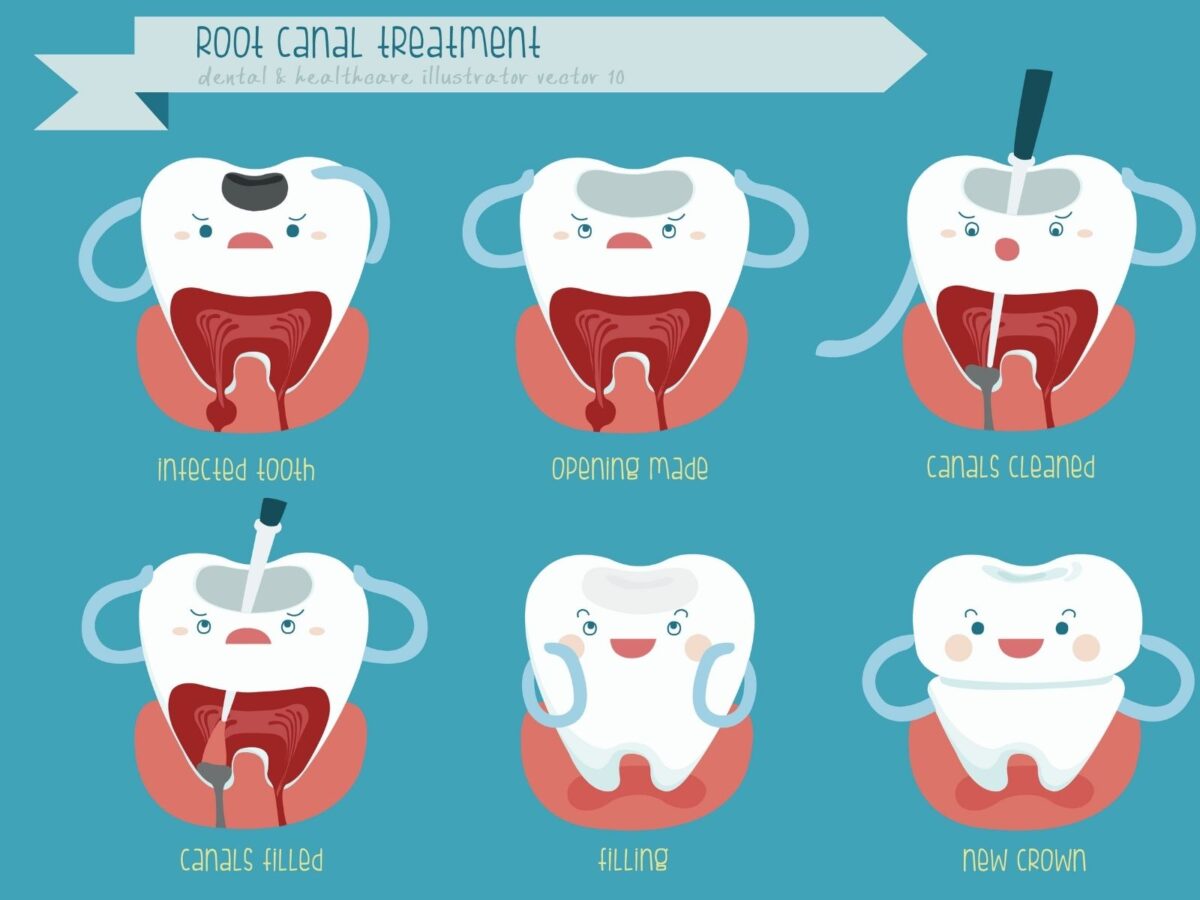
 

Well, there are a lot of reasons why dentists recommend dental fillings and one of the most common reasons is cavities. And it is likely that your dentist will tell you to get the dental stuffing to prevent further teeth damage. 

Cavities can cause pain and serious infection if they are not filled. Leaving a cavity untreated can lead to intense pain throughout the tooth’s pulp.

So, getting a dental filling done in such cases is very vital. However, there are also some concerns regarding pain and discomfort involved in the process. So, we have given all the information about that in this article that will help you get your fillings done without any fear!

Can cavity fillings cause pain?

Cavities are small holes in decaying teeth that can be filled with dental fillings. The substance used to fill these holes is an amalgam or composite material, which your dentist uses during the procedure. 

The process for cavity fillings is done after giving local anesthesia to the patient to reduce the pain and discomfort. And once the anesthesia numbs the area or gum then the dentist will start to fill the holes wherever required. 

Once the procedure is done and the impact of anesthesia wears off you can feel a little discomfort or tingling sensation but not more than that. And it will eventually subside in a week.

You can experience the following things just after the procedure is done: 

  • The pain in your teeth is most noticeable when you breathe in cold air, drink hot or cold liquids, or eat hot or cold foods.
  • A tender sensation in your gums
  • A filling that causes pain around the tooth
  • The pain associated with clenching your teeth
  • Whenever you eat, brush, or floss, you feel pain in the affected tooth

If the above-mentioned pain and tingling sensation do not go away, there are changes in tooth sensitivity or you notice any other oral damage; you must visit your dentist to ensure the filling is done properly and you don’t have bite issues.

Tips to reduce pain from cavity fillings

If you are experiencing pain and discomfort from your cavity fillings here are some of the tips that you can use to combat that: 

  • Temporary avoidance of hot and cold foods and beverages.
  • It is suggested to temporarily refrain from eating citrus fruits, wine, other alcohol, etc.
  • Maintaining good oral hygiene by brushing and flossing gently.
  • Using toothpaste with a desensitizing agent.
  • The opposite side of your mouth should be used when chewing.

These were some of the tips that can definitely come in handy when you’re struggling with dental stuffing pain. Lastly, it is very important to understand that sometimes fillings can also lead to other oral care issues due to cavities.

For example, you can have pulpitis, bite issues, allergic reaction, and pain in general. Though these happen in only some cases, but if you feel any of these symptoms arising take help from your oral health care provider as soon as possible. 

In addition, fluoride toothpaste can strengthen tooth enamel, preventing cavities and preventing future fillings. And not only adults, but it is also very necessary for parents to take care of the brushing routine of kids to ensure they stay away from cavities and other oral care issues. 

We hope that this article has helped you in determining whether fillings hurt or not or whether it is the same for everyone!

Categories
Dental care

When Should I Take My Child To The Dentist?

Providing your child with healthy dietary habits is not enough to ensure they grow up strong and healthy. You also need to ensure that you’re taking them to get routine checkups with their medical professionals, including a dentist.

We all know there are many things that a parent needs to take care of about their child. And with all the other things, it can be overwhelming to take care of the kid’s dental needs. Additionally, timing your infant’s dental appointments can be somewhat confusing.

It is very vital to take care of your child’s dental health, and normally it is said that kids must see a pediatric dentist after their first few teeth appear or after they are 1. In addition, it is necessary to take your kid to a pediatric dental care provider because they are specialized in targeting and combating kids’ oral care issues. 

Furthermore, some people also suggest that it is best to take kids to a dentist only when they can sit properly and are able to handle stranger anxiety. So, to clear your doubt regarding kids’ dental health, we are going to discuss everything reading the same in this article.

Why should you take kids to a pediatric dentist?

Let’s first start by discussing why you should take your child to a dentist in the first palace. Just like adults, kids also need proper dental care. And many parents do not realize the importance of starting early and taking their kids to a pediatrician.

Taking kids to an oral care provider can keep many harmful diseases at bay. Here are some of the reasons that show the importance of a good oral care provider in your kid’s life: 

  • Helps keep tooth decay and cavities away
  • Prevention from harmful bacteria and infections
  • Personalized oral care
  • Encourage kids to follow healthy dental habits
  • Keep speech and bite-related issues in check

What should be the ideal time to take your child to a dental care provider? 

There are a number of recommendations regarding what time is ideal for taking kids to a dental appointment. Some say it is best to take them as soon as their teeth grow, and others would recommend waiting until they are six months or 2-3 years old before booking an initial appointment.   

Different people have different perspectives regarding this and there is no hard and fast rule that one should follow. The purpose of the first visit is primarily to get kids accustomed to the dentist’s chair and educate parents about how to look after the child’s teeth. A one-year pass is given to parents whose children have transitioned from bottles to cups before giving any dental treatment. 

However, after that period, parents can take their kids to a six-month dental visit accordingly. Additionally, the oral care provider will take the first set of X-rays when your kid is between the ages of 4 and 6. And a more prominent treatment starts when their permanent teeth start to appear.

Lastly, apart from taking your kids to an oral care provider, you must also look after their oral care needs and daily dental care habits. You must ensure that they brush and floss their teeth properly. In addition, it is a must to stop them from eating too much sweet or sugary food because it can impact their teeth. 

So, keeping all this in mind, you can take your child to a dentist whenever you think he/she is ready for a more prominent treatment and extra care. 

Categories
Dental care

How do dentists clean yellow teeth?

One thing that concerns a lot of people is yellow teeth. Nobody likes to have discolored teeth which makes them think twice before smiling. There are various reasons that people have dark or less shiny teeth. Sometimes, it can be concerning because the yellowish build-up on your pearly whites can lead to multiple tooth infections. 

Sometimes only brushing your twice a day is not enough as it will not help reduce the acid-eroding effect on your teeth. Though there are many remedies and solutions to keep your pearly whites white, the best way is to consult your dentist and take his help to eliminate the yellowness. 

Before knowing more about how dentists clean yellow teeth, let us go over the causes of the same. 

What are the causes of yellow teeth? 

Below given are some points that describe the reason for discoloration in teeth: 

  • Plaque: Plaque is one of the most common reasons that creates a sticky soft film that mostly appears clear in color, but it turns yellow when it accumulates. So, when you do not follow your brushing routine properly, plaque causes a build-up that makes your oral cavity look dull and dark. 
  • Your diet: Your diet also plays a significant role in the appearance of your teeth. Drinking too many beverages like coffee, soda, and colored soft drinks can make your pearly whites look less shiny and white.
  • Smoking: Another reason for your yellow chompers is smoking. The smoke can seep into the oral cavity and make it look discolored. Smoking can make your teeth look less white faster than any beverage.

How do dentists clean yellow teeth?

Now that you have an overview of the causes of yellow-looking teeth, let us see what procedure dentists use to clean discolored teeth. But before that, it is vital to know that not all whitening/polishing treatments are meant for everyone; therefore, it is essential to consult your dentist before deciding upon any teeth whitening treatment. 

Mainly there are two ways in which dentists clean discolored or less white oral cavity: 

  • Bleaching process in the clinic: The first way a dentist can help you clean yellow teeth is by performing the bleaching process at the clinic. Before applying any whitening bleach, your dentist will put a protective layer of gel or a mouth guard inside your mouth. This bleach will help you get your pearly whites back. 
  • Take home whitening bleach: Dentists also provide tooth whitening trays that you can use at home. In this option, your dentist will provide you with a custom-made whitening trays with the whitening gel or bleach to use at home. 

The main difference between these two processes is: during the clinic bleaching process, you have to stay in the clinic for 1-2 hours, but it will give you 8 times whiter teeth, and with custom-made whitening trays could take up to 1-2 weeks to get the best results. 

Therefore, you can talk to your dentist before choosing any available options, depending on your convenience. Lastly, you can go for various whitening kits, but sometimes heavy-duty equipment and professional care are required to restore the color of your gnashers.

Hence, taking help from a dentist will give you a lot faster and safer results than anything you buy over the counter.

Categories
Dental care

How to know when my periodontal disease is worse?

Periodontal disease is severe gum disease. In this disease, the soft tissues of the gums get infected and damaged. But to know if your periodontal disease is at the starting stage or is severe, you first have to know how to spot it. 

The primary cause of the periodontal disease is the same as any other dental issue: poor oral hygiene. The infections or germs in periodontal disease directly attack the roots holding the teeth in place, and in its early stages, it is called gingivitis. If you suffer from periodontal disease, you will likely experience swollen gums, bleeding, sore teeth, etc.

There are multiple ways to control periodontal disease, but before any medication, you must start with proper brushing, flossing, and a tongue-cleaning routine. Once you have the basics of dental hygiene in place, you can easily prevent oral/gum diseases like periodontal.

How to spot the signs of periodontal disease

There are some common signs and symptoms that you must look out for because these can lead to a severe periodontal infection:

  • Sensitive and Swollen gums: In the early stages of periodontal disease, swollen and sensitive gums for days without any particular reason is one of the most common signs that you can look out for.
  • Decreasing gum line: As you know the infection and germs in periodontal disease directly impact the gum, so if you notice a receding gum line at a high speed, you must get professional dental care services.
  • Loose teeth: When the roots of the teeth are attacked in periodontal disease, it affects the roots that hold the teeth in place, due to which your teeth tend to lose their sturdiness; whenever you see that happening, you must take it as an emergency sign.
  • Bleeding: Gum bleeding is expected due to harsh brush strokes and stops after a few seconds, but if you notice severe gums bleeding while eating, brushing, etc., it might just be a sign of periodontal disease.
  • Falling teeth: Falling teeth are one of the most severe signs of periodontal disease. You might have a severe periodontal infection if you see your teeth falling, with swollen gum, receding gum lines, bleeding, etc.

Suppose you see the symptoms mentioned above worsening, and you can’t seem to have control over them even after changing your oral care routine. In that case, you must visit your dentist for proper treatment as it is a sign of a badly spread periodontal infection.

Does age play a role in periodontal disease?

Yes, age matters in periodontal disease. A recent study suggests that people who come under the age group of 30 are 40-41% likely to develop periodontal disease, and not taking proper care of your oral hygiene could make it worse.On the other hand, adults around the age of 65-70 are 70% more likely to have a periodontal infection; firstly, it is due to the age factor, and secondly, it is the improper brushing routine.

How can you avoid periodontal disease from getting worse?

Any gum-related disease, including periodontal, can be reversed, or you can stop it from worsening. The only thing you need to keep in mind is to have an accurate and effective plaque control routine. You have to ensure you are not letting the thick layer of plaque on your gum lines weaken your teeth. You can book weekly dentist appointments to get rid of the plaque if you can’t do it alone. In addition, practicing basic dental care routines like brushing teeth twice a day, using mouthwash, etc., is a bonus. 
Categories
Dental care

What foods should you avoid with Invisalign?

Invisalign treatment is one of the best treatments for teeth straightening. Still, like any other treatment, it also comes with some precautionary measures that you should follow. One of them is taking care of what you eat. Though there are not many restrictions regarding what particular food you should avoid when taking an Invisalign treatment, it is important to remember that certain foods can adversely affect your Invisalign trays’ overall oral health.

Although Invisalign aligners are removable, and you can take them out while eating, brushing, and flossing, it is still important to avoid certain food items to ensure the quality of your Invisalign tray is not compromised. To protect your Invisalign tray and maintain your oral hygiene during the teeth straightening treatment, you should avoid consuming certain foods.

Some of the foods that you should avoid while being in Invisalign treatment are:

  • Sticky foods
  • Chewy hard foods
  • Foods with artificial coloring
  • Chewing gum
  • Hard nuts or crackers
  • Caramel chocolate or candy
  • Flavored soda or water

What are the effects of consuming above mentioned foods on your Invisalign treatment?

It is not necessary to completely avoid the foods mentioned above; however, it is best to limit them as long as your treatment lasts. Chewy, hard, sticky foods cause your Invisalign treatment to get delayed. Moreover, drinks and juices with artificial coloring damage your Invisalign tray. However, if you consume any of these foods, it is vital to brush your teeth properly afterward. Some other reasons why you should such food items are listed below:

  • Avoid ice or icy foods because they can cause your teeth to suffer from small gaps.
  • Avoid acidic foods because they tend to break down gums and teeth.

Lastly, if you face any problem with your Invisalign aligners, it is essential to consult your dentist for proper treatment.

Categories
Dental care

Is there an age limit for Invisalign?

Everyone wants a good-looking and straight smile. Invisalign is the perfect tool for correcting your crooked or misaligned teeth. Misaligned or crossbites can affect your day-to-day activities. The main problem misaligned or crooked teeth cause is difficulty chewing and jaw pain. Misaligned aligned teeth are a common problem and can be treated with effective teeth straightening treatment like Invisalign at any age, which means there is no specific age or requirement for taking an Invisalign treatment.

In all cases, it does not matter if you are an adult or a teenager; you can use Invisalign for both minor and serious dental issues. You can use Invisalign as long as you are serious about wanting to improve your overall oral health and smile. Invisalign aligners help you get a more effective smile with less discomfort and annoyance.

Is there any minimum age limit for adults for getting Invisalign treatment?

The answer is no. You can use Invisalign in your 30s, 40s, and even 50s for successful teeth straightening treatment. However, the Invisalign treatment may take more time in adults compared to a teenager. Still, it can correct any severe dental or oral issues if worn correctly as directed by the dentist.Most people use Invisalign including teenagers because it provides comfort and strength at the same time and it is easily removable. Invisalign aligners are transparent; therefore, it is a popular choice. However, for some teenagers, the dentist might suggest wearing a traditional metal brace despite the clear aligners because some cases require extra attention. And children can remove Invisalign aligners easily therefore sometimes for effective results dentists suggest traditional braces as they can not be removed without your doctor’s assistance.

Lastly, if you face any problem with your Invisalign treatment it is essential to consult your dentist for proper treatment.

Categories
Dental care

Is Invisalign annoying to wear?

Invisalign is transparent, easy to manage, and less noticeable compared to the traditional metal braces. Invisalign aligners are easy to wear. However, in some cases, It can cause some problems and minor discomfort. Invisalign aligners can be a little annoying in the initial days of the treatment. Your Invisalign trays can also cause problems with your speech and make it difficult for you to pronounce certain words with  ‘s,’ ‘sh,’ ‘z’ or ‘th’ sounds, which can be very annoying.

While some people find Invisalign aligners annoying or disturbing, others do not face any problems. There are various reasons why your Invisalign trays are causing problems. One of the reasons you find Invisalign aligners annoying could be the teeth cleaning process after removing your aligners. Maintaining proper dental hygiene is a cumbersome process if you are taking any teeth straightening treatment. It can take a long time to properly floss and brush teeth to avoid cavities and ensure they are clean. The risk of cavities increases if you don’t wash your mouth and Invisalign tray properly.

Invisalign aligners are designed to provide 60 teeth movements on average, pushing them to a better position. In addition, it is normal to experience little soreness and irritation with every new set of Invisalign trays in the initial days. While Invisalign aligners are more comfortable than traditional braces, they can irritate some areas in your mouth. Though your Invisalign treatment can be a little annoying and discomforting in the first few weeks, it will subside slowly as you get used to your Invisalign. In addition, ill-fitted Invisalign aligners can cause significant discomfort, which can be annoying.

Tips to follow if you find aligners difficult or annoying to wear

  • Wear your aligners for more than 20 hours and practice talking with aligners in your mouth as much as possible. It will make you comfortable with Invisalign trays.
  • Eat your meals slowly and talk slowly to avoid discomfort and annoyance from your aligners.
  • Use an ice pack before wearing your Invisalign aligners. It helps ease the irritation.

Lastly, if you face any difficulty with your Invisalign treatment, it is important to consult your dentist for proper treatment.

Categories
Dental care

Does Invisalign make your lips bigger?

During the Invisalign treatment, people’s most common question is whether Invisalign makes their lips bigger? While Invisalign treatment can change the position of your lips and teeth in some cases, it does not make your lips bigger.

Moreover, it is important to understand that Invisalign is a teeth-straightening tool and not a lip cosmetic treatment. It will not help increase or decrease the size of your lips. However, you can get the illusion of fuller lips during your Invisalign treatment because your lips are resting on the top of the plastic, which may impact the appearance of your lips.

In addition, your lips are supported by the front incisors, and If your incisor position changes, it will affect the fullness of your lips or where they sit. It is why some people might notice a change in the fullness of their lips. However, it is temporary and will become normal once your Invisalign treatment is done. Apart from lips, the Invisalign treatment does not affect your facial structure.

Lips before and after the treatment

When your Invisalign starts to work, it pushes or moves your teeth backward. It happens because of the upper lip frenulum or the tooth window, which affects your lips, making them move forward slightly. But before and after the Invisalign treatment, you won’t see much of a difference in the size of your lips; it just changes the position of your lips. However, if you feel any pain or swelling in your lips while the Invisalign treatment using ice bags will help to a great extent.

Understanding the relationship between your Invisalign and your facial structure or features is important. In most cases, Invisalign does not affect any outer features. If you see any major changes or feel uncomfortable, it is important to consult your dentist for proper treatment.

Categories
Dental care

Do you sleep with Invisalign?

Invisalign is a stable source of straightening the teeth over time without using the traditional metal braces. Invisalign benefits you more when you wear it more than 20 hours a day, including while you’re sleeping. Therefore, yes, you should wear your Invisalign while you sleep. In addition, you should only take out your Invisalign or aligners only to drink hot drinks, eat, and brush your teeth. You should not spend more than 2 hours without wearing your Invisalign. Therefore, removing your Invisalign when you sleep can affect your teeth’ straightening process.

In addition, Invisalign is much easier to wear compared to traditional braces. Invisalign perfectly fits your unique smile, and therefore, it is comfortable. So, wearing the aligners at night shouldn’t cause you any trouble. 

However, sleeping with an Invisalign may seem awkward at first, but it will become perfectly natural with time. After you are used to wearing Invisalign, you will drift off to sleep as quickly as you did before you started your teeth straightening process.

What will happen if you don’t wear your Invisalign at night?

Without constant pressure, your Invisalign will not work quickly. Therefore, If you don’t wear your Invisalign for too many nights, your teeth may revert out of alignment. Hence, you may need to start the teeth straightening process again.

Benefits of wearing Invisalign while you sleep

  • You should wear Invisalign at night to procure proper tooth positioning.
  • Wearing Invisalign at night will provide optimal straightening by creating a barrier between teeth.
  • Wearing Invisalign while sleeping will protect your teeth from destructive nightly grinding.
  • Wearing Invisalign while sleeping will not cause the same cuts from metal braces.

Lastly, if you are facing any problem with your Invisalign, it is advised that you should immediately consult your dentist for proper treatment.

Categories
Dental care

Can I Leave My Invisalign Out For a Day?

Orthodontic patients all around the world have acknowledged the huge advantages they get with Invisalign treatment. Invisalign are clear, comfortable, and removable aligners that let you go through your everyday activities without any discomfort. These aligners are also very effective compared to traditional metal braces, and they can straighten your teeth in a shorter duration.

But since they come with so many benefits, there are a few caveats too. Invisalign being removable, there is a chance that you forget to wear them for a long time (the prescribed time is a minimum of 22 hours a day.) Or, you go for a day out and do not wear your Invisalign appliance. What happens then? Read more to understand the repercussions of keeping your aligner out for a day.

What happens if You Skip Wearing Invisalign For a Day?

Let us see some of the biggest risks of not wearing Invisalign for a day.

  • Teeth will move back to the incorrect position: Your progress towards a perfect smile will go to waste if you leave Invisalign out for a longer duration, like a full day. Your teeth can easily move back to their original positions without Invisalign and undo all your hard work.
  • Treatment will get prolonged: The completion time and result of Invisalign are based on how long you wear it throughout the day. So if you do not wear your aligner for a day, it is inevitable that your treatment will go on for a longer period.
  • You may have to go back to your old aligners: It is also possible that your current aligner will not fit if not worn for the recommended duration. In the worst case, your old aligners might not fit you, in which case you will have to get a new set of aligners. This will halt your overall progress considerably.

Without Invisalign, your teeth can move even within a few hours. So not wearing your Invisalign aligner for a day will have a huge impact on your overall results. Hence it is a must that you adhere to the guidelines set by your dentist and be consistent in wearing your Invisalign aligners to get the desired results in a short time frame.

Schedule your appointment with a dentist today and get the treatment on time!

Categories
Dental care

What color braces for yellow teeth?

Clear or silver bands are appropriate for persons who have a yellow tint to their teeth. If your teeth are naturally white, black is the greatest option to make them appear even whiter.

The color of your braces is crucial, and you probably want to whiten your teeth while you’re at it. Your treatment may last for months, if not years. As a result, you want to be satisfied with the color bands you select for your braces. Whether you want to match your braces to your clothes, your skin tone, or something else, the color of your braces can bring you the confidence you need.

What Color Braces Should I Get?

Each time you go for an appointment, you can have the color of your braces changed. So, thankfully, you don’t have to stick to just one color. During your treatment, you can also try out other hues. When you finally get to choose your first color, it can be a challenging decision. Here are some suggestions on how to select the ideal braces color for you to make the selection easier:

  • What makes your teeth appear whiter:  Deeper colors, such as royal/navy blue, purple, and even black, can make your teeth look whiter. Nonetheless, keep in mind that colors like dark green and brown can resemble food.
  • White braces: While this may be a color you were considering, you may want to avoid them. White bands not only deteriorate over time, but they also make your teeth appear yellower. This is an important point to remember.
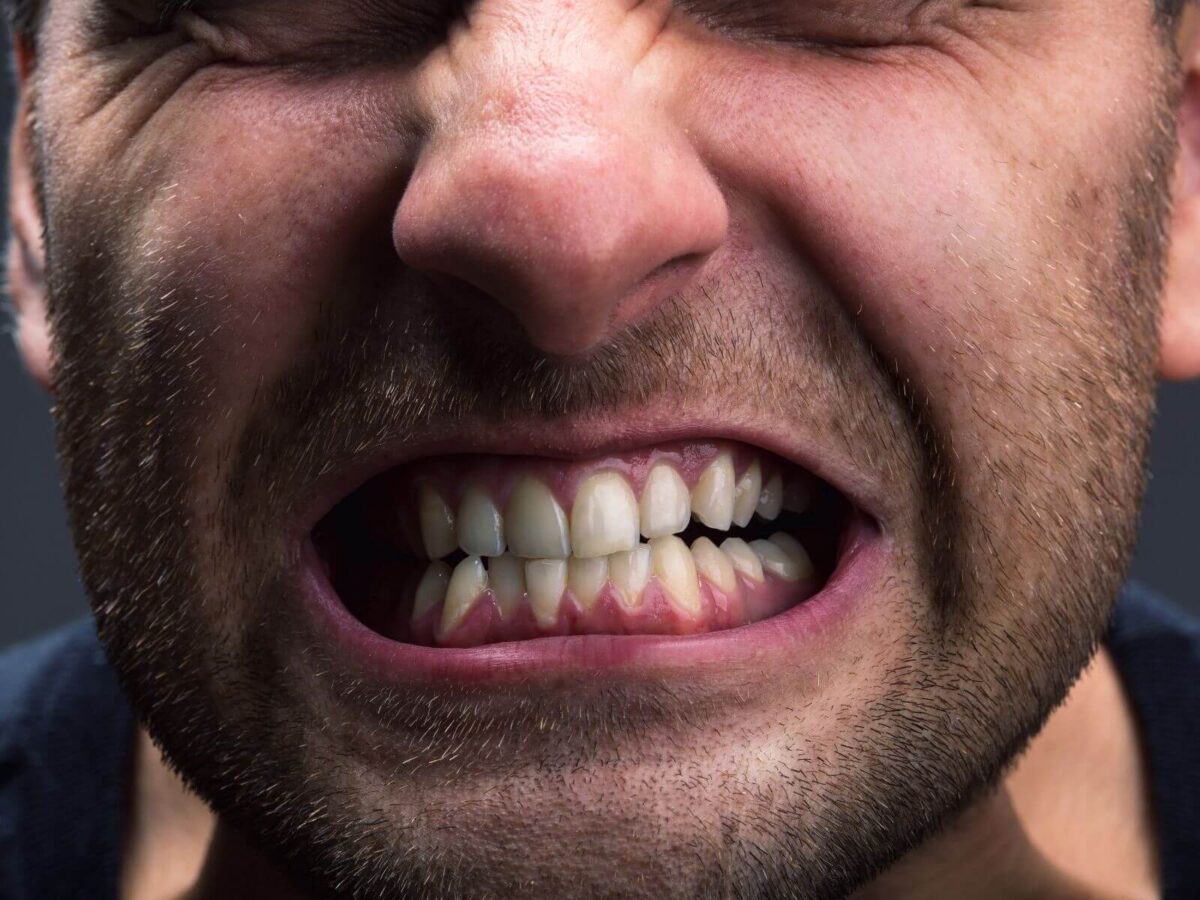

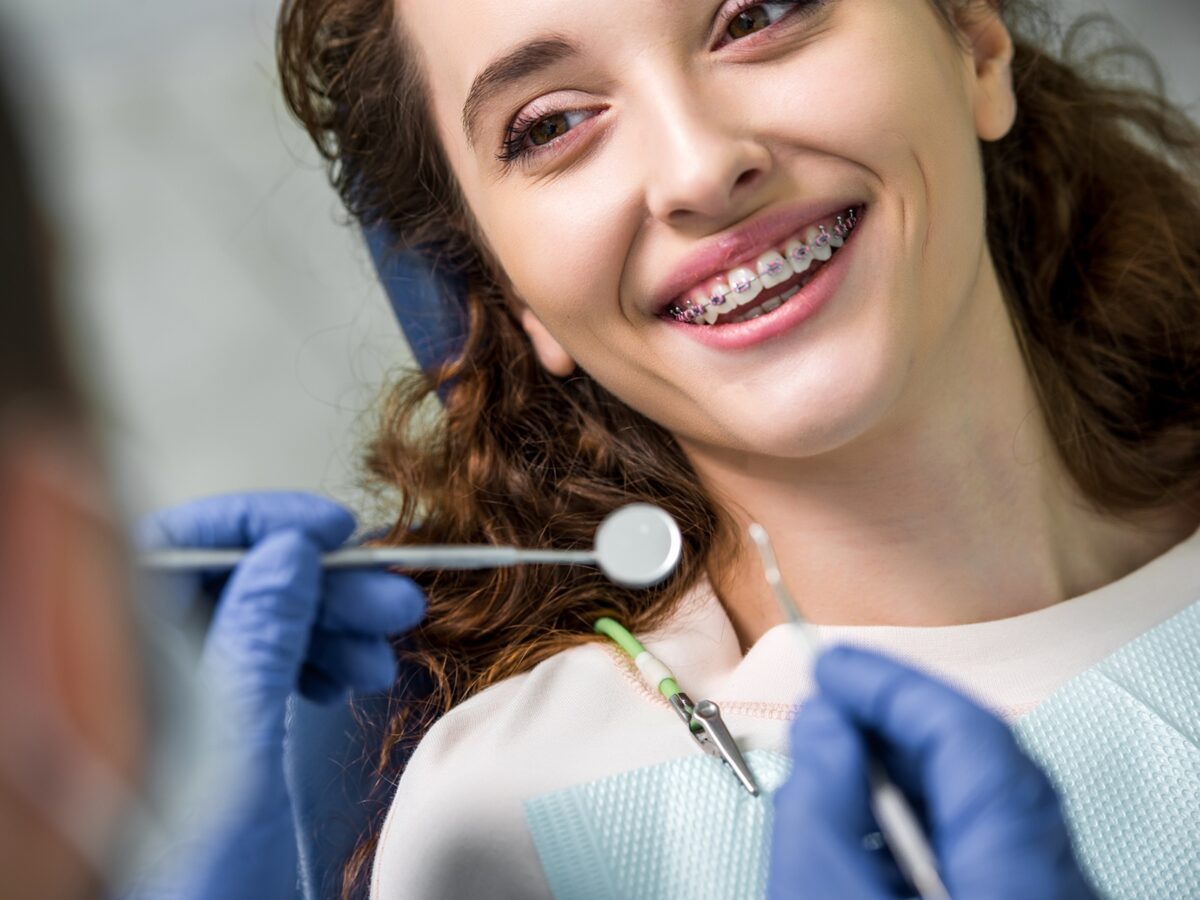
However, there are a few other considerations to remember when choosing a color scheme for your braces. But, whatever color braces you choose, make sure you look after them properly to ensure proper results and a healthy, attractive smile!

For more guidance, visit your dentist at the earliest!