
Elgin

Categories
Dental care

Tooth-Colored Fillings for Kids: Why They’re the Better Choice

Let’s be honest. No parent wants to hear the words: “Your child has a cavity.” That’s the last thing you expect during a checkup. Especially if you’ve stayed on top of brushing. Flossing regularly. Cutting back on sweets. All the things parents constantly think about. But even with all that? Cavities still sneak in. It happens. Even when you’re trying your best. And when it does? Most parents instantly start thinking about what happens next.

The Filling Conversation

Usually, this is where the panic starts. Parents ask, “Wait, we have to fill it? It’s just a baby tooth, right? Isn’t it going to fall out soon?” We get that all the time at our Pediatric Dentist Elgin office. And yes, it’s true. Baby teeth do fall out. Just not as early as most people assume. Some of those little molars stick around until your child is almost a teenager. That’s a long stretch for a cavity to keep getting worse.

Do Kids Really Need Fillings?

Short answer? Yes. Usually, they do. If you leave a cavity alone, it can spread. Sometimes that turns into pain. Other times, it leads to an infection, which can actually mess with the adult tooth underneath.

We’ve even seen cases where the permanent tooth comes in damaged because of a bad baby tooth infection. So, fixing cavities early is better. It’s easier for your child. And honestly, it avoids a whole bunch of drama later.

What About Silver Fillings? Are Those Still a Thing?

Not really. Not for most kids anymore. Back in the day, silver fillings (they’re called amalgam) were normal. Pretty much every kid who got a cavity in the 90s or early 2000s walked around with little gray spots in their teeth.

But now? Most of the time, we use tooth-colored fillings for kids. They’re made of composite resin. That’s a fancy way of saying they blend right in. Same color as your child’s natural tooth. So when they smile, nobody’s going to see a weird metal patch.

Do These Fillings Stick Around for Years?

Yes. They last pretty well. Especially if your child isn’t chewing on ice or biting fingernails all day. Or using their teeth to open snack bags. (You’d be surprised how often kids do that.) But even if something happens? They’re easy to fix. That’s the nice thing about pediatric dental fillings these days.

How Does the Filling Actually Work?

It’s easier than you think. Most of the time, it’s one quick visit. Here’s how it goes:

  • First, the dentist numbs the tooth. (If it’s a tiny cavity, they might not even need to.)
  • Next, they gently clean out the decay.
  • Just enough to get rid of what’s damaged.
  • After cleaning, they place the composite, the tooth-colored filling.
  • They shape it to match your natural tooth.
  • Then, a small blue light is used to harden it in place.

That’s it. Kids walk out with their tooth fixed, and most of the time, they’re still talking about the stickers they got at the end.

Does It Hurt?

No. Not usually. Most kids don’t even flinch. Some say it feels like getting their teeth tickled. Others don’t feel much of anything because of the numbing gel.

At our Elgin Dentist, TX office, we always talk to kids about it first. No surprises. No scary stuff. The whole point is to make it dull. The less dramatic it feels, the better.

Why Pick Tooth-Colored Fillings?

Well, first, they look better. When your child laughs, talks, or smiles, you won’t see any difference. No silver, no gray, nothing shiny. Just regular teeth. But it’s not just about looks. Tooth-colored fillings actually bond to the tooth. That helps rebuild the area where the cavity was. It adds strength to the tooth. This lowers the chance of it breaking later. Metal fillings shift with heat or cold. This material stays steady in all temperatures. That means less sensitivity. And over time, it just feels more natural in your mouth.

What If It’s Just a Baby Tooth?

This is the big question parents ask. “But if it’s going to fall out, why fix it?” Since some baby teeth don’t come out when they should. The front teeth do, sure. But the back ones? Some kids still have those at 12. If a baby molar has a cavity, leaving it untreated can mean:

  • More pain later
  • Infections
  • Adult teeth come in crooked 

So yes, we usually fix those cavities. It’s easier to do a small filling now than deal with a root canal or an extraction later.

Can You Prevent More Cavities?

Of course. Nobody wants to come back for fillings every six months. Here’s what actually works:

  • Brush twice a day with fluoride toothpaste.
  • Floss at night (yes, even for kids. Parents usually have to help with this).
  • Skip the sticky snacks, or at least rinse after.
  • Drink water, especially between meals.
  • Regular checkups at your Pediatric Dentist in Elgin.

Also, ask about sealants. Sealants are like little shields that go over the back teeth to help block cavities before they start. They’re super quick to apply and way cheaper than fillings.

The Bottom Line?

Cavities happen. Even to kids who brush. Even to kids who don’t eat tons of sugar. It’s not about feeling guilty. It’s about fixing the problem before it gets worse. And with tooth-colored fillings for kids, nobody will even notice. Your child gets to keep their natural smile. No silver spots. No weird looks in school photos. Just healthy teeth that still look like theirs.

If you’ve got questions, that’s normal. At our Elgin Dentist TX office, we’re happy to explain all of this in person, too. Because at the end of the day? The goal is simple: Healthy teeth. And no stress about cavities.
Categories
Dental care

How Long Does A Dental Implant Take To Heal?

Considering a dental implant? Or maybe you’ve already had it done. Now you’re probably thinking, “Alright, so when does this actually start to feel normal?” Fair question. Totally get it. It’s not like getting a filling. And it’s not a quick cleaning either. Implants take time.

More than most people expect. But that’s part of the process. Your mouth just needs time to heal. They don’t just sit there and heal overnight. Your body has work to do. And everyone adjusts at their own pace.

But don’t worry, we’re breaking it down. What’s normal. What to expect. What might slow it down. And when things finally start to feel like your real teeth again.

Your Elgin Dentist TX is here to walk you through it.

First Things First—Why Does It Take So Long?

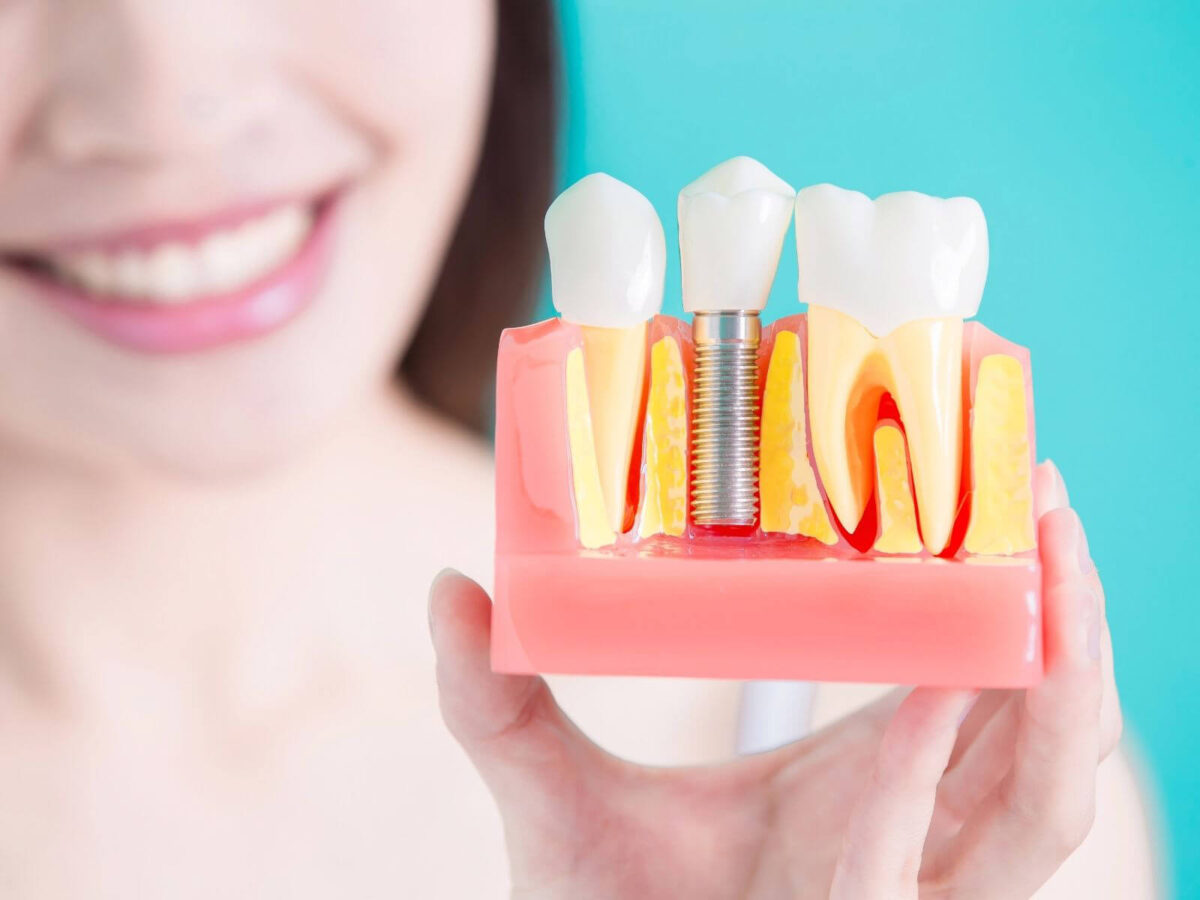
A dental implant isn’t just a fake tooth stuck in your mouth. It’s a small titanium rod placed right into your jawbone. That bone has to grow around it. Lock it in. Make it part of you. That process? It’s called osseointegration. And it doesn’t happen overnight.

It’s the reason implants stay put for life. But it’s also why dental implant healing time takes patience. It’s not about rushing. It’s all about giving your mouth time to build a solid base.

Okay, So What’s the Healing Timeline Really Like?

For most people, here’s how it goes. The first day or two after surgery? Maybe three? That’s when you’ll feel it the most.

  • You’ll feel sore
  • There may be swelling
  • Soft foods only
  • Avoid that area when brushing

First 1–2 weeks:

  • Stitches dissolve (if they were used)
  • Gums start to close and tighten
  • Pain fades
  • You can start eating more normally

Weeks 3–6:

  • Gums keep healing
  • Inside the bone, osseointegration is starting
  • You probably won’t feel much anymore

Weeks 6–12 and beyond:

  • Your bone is still working
  • This part is silent but critical
  • Your dentist may wait 3–6 months total before placing the final crown

That’s usually how long healing takes after an implant. For some people, it’s quicker. For others, it takes a bit longer. Your dentist will watch how things are progressing and guide you along.

Does It Hurt the Whole Time?

Not at all. Most people say the actual soreness only lasts a few days. Maybe a little longer if multiple implants were placed. You’ll get pain meds or be told to take over-the-counter relief. Icing helps too.
After the first week? You’re mostly just getting used to something new being in your mouth. It’s more awkward than painful. And by the second or third week? You mostly forget it’s even there.

What Can Slow Down the Healing?

Great question. Because yes, a few things can make it take longer:
Smoking. Big one. It cuts off blood flow. That’s the point where infections tend to show up more.

Poor oral hygiene. You’ve got to keep the area clean, gently.
Medical conditions. Diabetes or immune problems can make healing take longer.

Not following aftercare instructions.

Your Elgin Dental Office TX will give you a list. Follow it like it’s a recipe. You don’t need to be perfect. But if you take care of the implant site, your body will do its job faster.

Can I Eat Normally?

Not right away. For the first few days, you’ll want to stick with soft foods:

  • Mashed potatoes
  • Smoothies
  • Soups (not piping hot)
  • Scrambled eggs

Chew on the other side. No crunchy stuff. No nuts or chips. Definitely no popcorn. Most people return to regular eating after about a week. But still, avoid anything too hard or sticky near the implant site until your dentist gives the okay.

Again, it’s temporary. You’ll be eating steak and apples again soon.

When Can I Get My Permanent Tooth?

This is the part most people get excited about. Your Elgin Dentist TX will place a temporary crown or healing cap in many cases. But that’s just a placeholder.

The real crown, the one that looks like your natural tooth, usually comes after 3–6 months, once the implant has fused fully with your bone. Because if you rush it, the implant could fail.

And no one wants to start all over. Think of it this way: Wait a little now, and you get solid chewing for a long time.

What If Everything Just Feels… Normal?

Actually, that’s a good sign. By the time your implant’s fully healed, it should feel like nothing. No pain. No weird pressure. No sharp edges. Just a strong post sitting quietly under your gum, waiting to do its job. You may not even remember which one’s the implant. That’s how natural it should feel.

Your dentist will still check it during your regular visits. Just to make sure everything’s staying healthy and in place.

When’s the Right Time to Call Your Dentist?

Most healing goes smoothly. But here’s when you should check in with your Elgin Dental Office TX:

  • Persistent pain beyond 7–10 days
  • Swelling that’s getting worse, not better
  • Bleeding that doesn’t stop
  • A loose or wobbly implant
  • Fever or signs of infection

Don’t wait it out. Catching small issues early means simple solutions. Implants are a long-term game. You’ve got to start taking care of them from day one.

Conclusion

So, what’s the healing time for a dental implant? It often takes a few months, start to finish. But most of the discomfort? Gone in days.

The rest is just quiet progress happening beneath the surface. And once it’s healed? You’re getting a new tooth that looks and feels real. So take your time. Trust your body. And trust your Elgin Dentist TX to guide you through it.

Because the wait? Totally worth it. And that confident, comfortable smile you’ve been waiting for? Closer than you think.

Categories
Dental care

What Are The 6 Ways To Ensure Your Veneers Look Natural And Flawless?

Ever seen someone flash a smile and thought, “Wow, those teeth are definitely fake”? Chances are, they didn’t get the kind of veneers we’re about to talk about. Honestly, veneers don’t need to look fake or super white. In fact, if done right, no one should even notice you have them. They should just think you were born lucky.

At Elgin Dentist TX, one of the things patients ask most is, “Will they look natural?” It’s a fair concern. You want your smile to shine, not scream, right? So here are six real tips to help make sure your veneers blend perfectly with the rest of your face, and look like yours, not someone else’s.

1. Pick the Right Shade for Your Smile

The whitest shade isn’t always the best shade. A lot of people go in thinking they want that ultra-bright Hollywood white. But when it doesn’t match your skin tone or natural enamel, it just looks fake. Often, choosing a shade just a bit whiter than your natural teeth looks way better. The key is balance. Not blinding brightness.

At Elgin Dental Office TX, we spend time helping patients find the perfect tone. We hold up samples, check them in different lighting, and get honest feedback. What looks good in a picture might not feel right in the mirror. That’s why testing shades before anything gets bonded is a must. And trust us. Going “too white” is harder to undo than people think.

2. Pay Attention to the Shape

Veneers aren’t the same for everyone. They have different shapes, and honestly, the shape can matter just as much as the color does. Too square can look unnatural. Too round can look small or even a bit childlike. What looks great on one person might not really work for you the same way. Your natural teeth have little details that make them look “real.” Like slight curves, tiny ridges, or how they follow the shape of your lips.

At Elgin Dentist TX, we study those features closely before designing anything. We even take facial symmetry into account. Because a good veneer should work with your whole face. Not against it.

3. Think About the Finish—Glossy or Matte?

Here’s something most people don’t know: teeth aren’t super shiny. They have a slight glow, but not that high-gloss plastic look.If veneers are polished too much, they can catch light oddly and really stand out. A smoother, softer finish usually feels more natural. It’s the small details that really bring everything together.

When you visit Elgin Dental Office TX, we always talk about surface texture. You get to decide what kind of sheen feels best to you. Some want a bit of sparkle, others prefer a subtle look. Either way, it’s better to match your natural enamel’s texture. Because light reflection plays a huge role in how real your veneers look.

4. Don’t Overdo the Size

Bigger is not always better. Especially when it comes to your teeth. Some veneers end up too long or wide, and that throws everything off. Your smile looks bulky, your lips sit differently, and it just feels off. Even tiny changes in millimeters make a huge visual difference. So the goal isn’t “bigger teeth”, It’s better harmony.

We measure your current teeth, gums, and bite during your design consult at Elgin Dentist TX. Then we mock up a size that works with how you talk, chew, and smile. The wrong size affects your comfort just as much as appearance. And nothing looks more natural than a smile that feels natural too. You want veneers that blend, not take over your face.

5. Match Just Enough With Your Natural Teeth

Unless you’re getting veneers on every single tooth, matching matters. Let’s say you’re only covering the front four teeth. You don’t want those looking like they belong to someone else entirely. The veneers and your real teeth need to work together, not compete. Even the edges, translucency, and light reflection should feel seamless.

At Elgin Dental Office TX, we always suggest doing a smile preview. We place temporary versions so you can actually see how things line up. Sometimes we adjust the color a little or smooth the edges so everything lines up just right. It helps things feel more natural and makes sure you’re really happy before we make it permanent. When your veneers match your real teeth well, that’s when your whole smile comes together and feels like you.

6. Choose a Dentist Who Understands Faces—Not Just Teeth

You wouldn’t trust just anyone to cut your hair, right? So don’t trust just anyone to change your smile either. Veneers are more than a dental procedure. They are facial design. A skilled dentist pays attention to more than just your teeth. They look at your entire face. Your lips, jawline, eyes, and even how you talk all play a part.
At Elgin Dentist TX, we focus on what works best for you each time. We’ve worked with patients of all ages, face shapes, and smile goals. It’s not about chasing ‘perfect teeth.’ It’s about building the perfect smile for you. And that starts by listening more than talking.

Final Thoughts From Elgin Dentist TX

You don’t want people asking, “Where did you get your veneers?” You want them saying, “Wow, your smile looks amazing.” Big difference, right? Natural-looking veneers come down to design, not just material.

And at Elgin Dental Office TX, that’s where we focus most of our time. Every person is different, and every smile has a story. Before you decide on anything permanent, slow down. Ask every question you have. Test out the samples. And be sure the final look still feels like you, just a little brighter.