
Elgin

Categories
Dental care

How Long Do Dental Crowns Last? Lifespan and Care Tips

A dental crown often solves a big problem simply. A tooth breaks. A large filling weakens the structure, or the tooth can become weaker after a root canal. Instead of removing it, the dentist may protect it with a crown.

That moment often brings relief for patients. The tooth has protection again, and the pain starts to disappear. But another question usually comes up sooner or later. How long do crowns last?
No crown lasts forever. Even so, it is common for one to last many years. Some patients keep the same crown for well over a decade without issues.

Several everyday things affect how long do crowns for teeth last, including the material used, daily habits, and how well the tooth is cared for.

According to the American Dental Association, crowns are commonly used to restore damaged teeth and can remain functional for many years when properly maintained.

Why Dental Crowns Are Placed in the First Place

In dental offices, the question “how long do crowns last?” comes up all the time. People naturally want to know how long the treatment will hold up. It helps to begin with the purpose of a crown. A crown sits over a tooth that needs protection and support. After placement, the tooth is protected and can usually chew normally.

Dentists use crowns in several situations. A large cavity can weaken the tooth so much that a filling alone is not enough. A crack can also make the tooth fragile. Sometimes the tooth can still be saved. Instead of removing it, the dentist places a crown on top. The crown protects the tooth and helps it function again.

How Long Do Crowns Usually Last

People often search online asking, “How long do crowns usually last?” The typical answer falls somewhere between ten and fifteen years. That number surprises some patients. Others are relieved it lasts that long.

The truth is that many crowns last even longer. Some remain in place for twenty years or more. Still, the lifespan depends on several small things that happen every day. Chewing habits. Oral hygiene. Grinding teeth at night.

All of those details influence how long crowns last in real life.

The Type of Crown Can Affect Its Lifespan

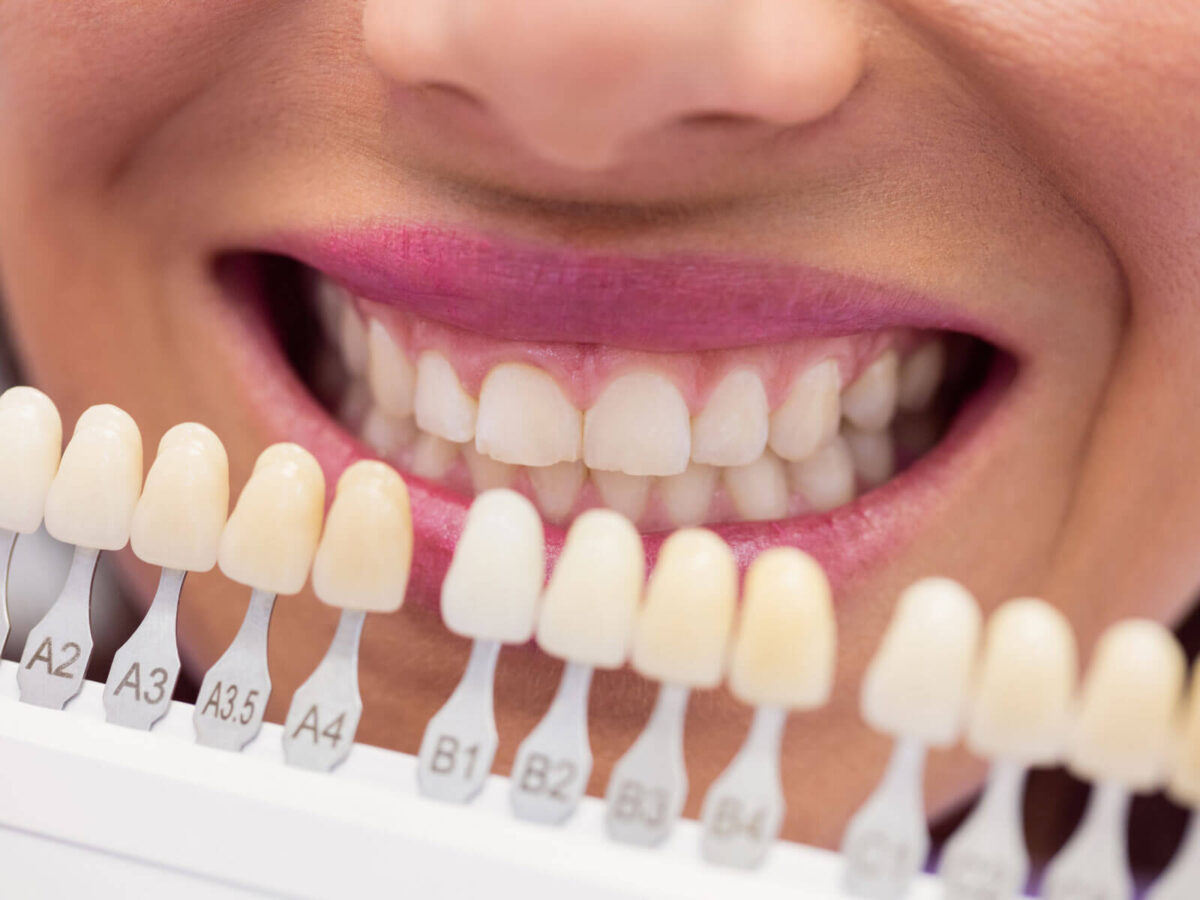
Crowns are not all made the same way. Dentists choose the material depending on the tooth and how it will be used. Porcelain is often chosen for front teeth. It matches the colour of natural enamel and usually looks quite natural when a person smiles.
Metal crowns are known for being very strong. Because of that, dentists often place them on back teeth where chewing pressure is higher.

Some crowns mix materials. One example is a porcelain crown fused to metal. The metal gives the crown strength, and the porcelain on top helps it look more natural.

Different materials can affect how long crowns for teeth last. Some hold up well against everyday chewing, while others may wear down sooner. This can make a difference in how long the crown remains in good shape.

Daily Habits Matter More Than People Expect

Numerous individuals think dental caps break due to their material. Frequently, lifestyle choices matter more. Biting forces occur whenever people dine. Hard treats, sugary bites, plus gnawing frozen cubes may add strain to those restorations.

Nighttime clenching sometimes reduces the durability of dental caps. Certain individuals remain unaware of that behavior. While clinicians discuss expected service length regarding a cap, they typically raise daily routines early. Safeguarding restorations really means caring for your natural smile pieces as well as the overall.

Oral Hygiene Still Matters With Crowns

A dental cap covers the top portion of a tooth, while living enamel beneath remains present. For this reason, rot may begin beside margins whenever buildup collects near the gums.

Try to brush teeth two times daily. It helps remove bacteria early. Flossing matters too since plaque gathers between teeth. Good dental care can affect how long do crowns usually last. A healthy tooth beneath the crown helps keep the crown secure.

Why Dental Visits Still Matter

A crown might feel completely fine from day to day. That does not mean it should be ignored. Dentists still like to check it during routine visits. These checkups allow them to notice small issues before they become obvious.

Sometimes the edges of the crown begin to wear down slightly. The cement that secures the crown to the tooth may slowly weaken with time. Finding these changes early can help improve how long do crowns last. Often, a simple repair or replacing the cement keeps the crown stable for much longer.

Signs a Crown May Need Attention

Most crowns work quietly for years. Still, certain signs can suggest the crown needs evaluation. Sensitivity when biting is one example. A crown that feels loose is another. Occasionally, a crown may chip or crack. This is more common with porcelain materials when exposed to strong biting forces.

Noticing these kinds of signs is usually a reason to visit the dentist. During the appointment, the crown can be checked to see whether anything needs attention. Handling the issue early helps keep the tooth safe and can affect how long do crowns for teeth last.

When a Crown Starts to Wear Out

Sooner or later, most dental caps have to be replaced. This usually happens because of normal wear, not because something failed. Over the years, biting and chewing slowly affect dental materials. The bonding that keeps the cap attached may also weaken with time.

At that point, the dentist removes the old cap. The tooth beneath it is then examined to be sure it is still strong. Once the tooth is checked and looks fine, a new crown is placed to keep it safe.

Habits That Help Crowns Last Longer

Good habits help crowns last longer. Cleaning along the gums removes bacteria near the crown. Flossing also protects the tooth underneath. Grinding at night may require a night guard. Avoid biting ice or using teeth to open things. Small habits can affect how long crowns usually last.

FAQs

How long do crowns last on average?

Many dental caps stay in place for roughly ten to fifteen years. Some remain usable much longer.

How long do they last with proper care?

Healthy daily cleaning and regular checkups can help a crown remain in good condition for fifteen years or beyond.

What if someone grinds their teeth?

Teeth grinding can wear a crown down faster. A night guard can reduce that pressure.

When do dental crowns usually need to be changed?

Many crowns remain in place for around ten years. Some last even longer.

Conclusion

Dental crowns help keep weakened teeth safe. They help keep the tooth strong and allow normal biting without removing it. When someone wonders how long crowns last, the result often relates to everyday routines and oral care.

Healthy supporting teeth help crowns remain stable for longer. Regular cleaning and dental checkups both help with that. These habits can change how long do crowns usually last in the long run. With the right care, a crown may protect the tooth for years.

Some people already have a crown. Others may need one in the future. Either way, dental checkups still matter. A short dental visit allows the dentist to check how the crown is performing. That small step can affect how long do crowns for teeth last.
Categories
Dental care

Cavity vs Stain: How to Tell the Difference

Why a Small Dark Spot Creates So Much Uncertainty

Most people notice a mark on a tooth unexpectedly. It might appear while brushing or when light hits the tooth differently in the mirror. The reaction is usually immediate concern. Is it decay? Or just staining?

The confusion around cavity vs stain happens because teeth rarely change color for only one reason. A dark area doesn’t automatically mean damage, yet ignoring it completely can feel risky too. What makes things difficult is that both situations often begin quietly. There’s usually no pain, no sudden change. Just uncertainty. That uncertainty is what brings the question up in the first place.

Why Teeth Change Colour Over Time

Most teeth seem unchanged for long periods, even while daily eating habits quietly affect their color. Drinks like coffee and spicy foods can leave marks little by little. Because this happens gradually, staining is often noticed much later than expected.

For many people, this color change results from accumulated exposure rather than weakening of the tooth. Understanding this helps when comparing tooth stain vs cavity situations. A stain usually alters appearance only, while the tooth structure may remain intact. Even so, visual changes alone cannot always confirm what lies underneath.

Why Cavities Don’t Always Look Dramatic

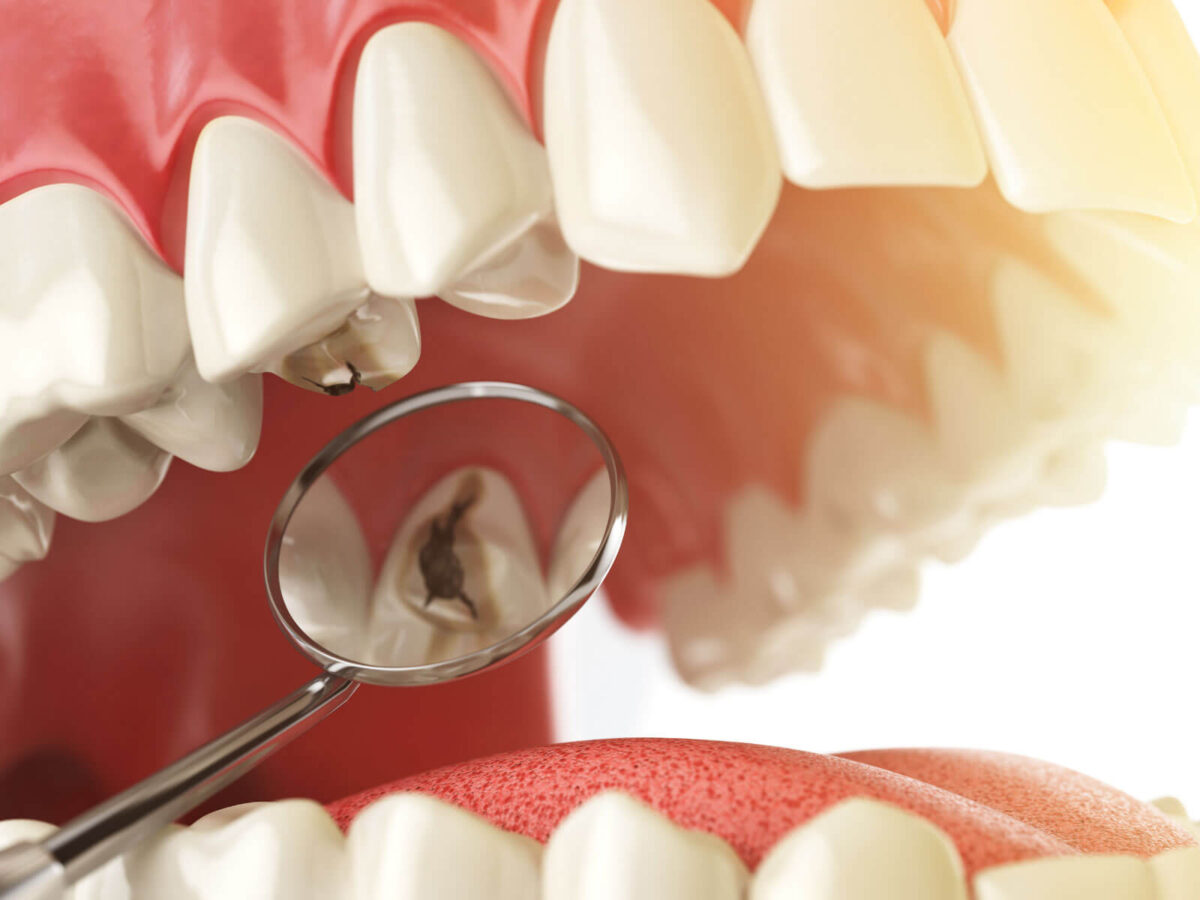
Tooth decay often progresses more quietly than expected. At first, cavities may not show big dark spots. Some begin as soft white areas where minerals slowly leave the enamel surface. At this stage, the tooth may still appear mostly unchanged. Brown or black discoloration usually develops later as the condition advances.

The difference between cavity versus stain is not always easy to understand when appearance is the only clue. A darker mark may look concerning even when it turns out to be harmless staining, while early decay may attract little attention at first.

Tooth decay tends to develop slowly as acids affect teeth again and again over time, an idea discussed within oral health resources from the National Institute of Dental and Craniofacial Research.
Because these changes develop slowly, visual differences may remain unclear in the beginning.

Why Location Often Matters More Than Colour

Dentists often pay closer attention to where a mark appears rather than how dark it looks. Stains commonly form on surfaces exposed to drinks or smoking habits. Front teeth and outer surfaces tend to show discoloration more easily.

Some decay starts in tight spaces between teeth or along natural grooves. These locations are not always visible without careful inspection or dental imaging.

Understanding location helps clarify many cavity vs stain concerns before treatment is ever discussed. Context matters more than shade alone.

When the Tooth Starts Feeling Different

People sometimes notice subtle changes before realizing why. Food may catch slightly in one area. Floss might feel tighter than usual. Sensitivity can appear, though not always.

A stain generally doesn’t change how the tooth feels. A cavity may gradually alter texture as enamel weakens. Running the tongue across the surface can occasionally reveal roughness. Still, this isn’t a reliable test. Many stained grooves feel uneven even when healthy. That overlap keeps the comparison between tooth stain vs cavity unclear without examination.

Why Cleaning Sometimes Changes the Picture

A professional cleaning frequently clears up concerns people have been thinking about for some time. Once plaque and surface deposits are cleaned away, teeth may appear brighter than expected. In many cases, stains fade or disappear entirely after polishing. What once looked concerning may turn out to be surface discoloration that had simply accumulated over months or years. At other times, however, a darker area remains even after cleaning is complete. When that happens, dentists usually take a closer look to understand the cause.

Because of this, cleaning plays an important role in understanding cavity versus stain rather than serving appearance alone. Removing buildup allows the true condition of the tooth to become easier to assess. Differences that were unclear before often become more visible once the surface is clean.

Why Some Stains Stay Harmless for Years

A stain does not always lead to decay. Certain spots gather pigment repeatedly while the tooth structure stays intact. Molars often contain deep grooves where color settles easily, even in otherwise healthy teeth. These marks may remain unchanged for long periods and cause no symptoms at all.

Because of this, monitoring may matter more than acting immediately. Dentists often look back at earlier examinations to see whether the area has changed. If the appearance stays consistent, staining is usually suspected instead of decay. Watching the area over time can sometimes be the best response.

When Waiting Is Not Ideal

Many stains remain purely cosmetic and may not require treatment at all. Cavities, however, tend to behave differently once decay begins. Early damage can still be small and manageable, sometimes requiring only minimal intervention when identified in time. When attention is delayed until discomfort develops, the affected area may continue progressing deeper into the tooth structure.

The American Dental Association continues to stress early detection because smaller issues usually involve less complicated care.
Understanding cavity vs stain differences early often reduces the likelihood of more involved treatment later.

Why X-Rays Are Sometimes Necessary

Some of the most common cavities form between teeth where they cannot be seen directly. X-rays reveal changes beneath enamel long before visible holes appear. Patients are sometimes surprised when imaging identifies decay near areas that looked normal.

This doesn’t mean visual inspection failed. It simply reflects how decay develops internally. Combining visual examination with imaging allows dentists to resolve many cavity versus stain uncertainties.

Why Diet and Habits Influence Both

The same habits that lead to staining may also affect decay risk. Coffee can gradually darken enamel, while repeated sugar exposure supports bacterial buildup. Smoking often adds to discoloration and may slow recovery inside the mouth.

When these patterns overlap, stains may show up in areas that are slightly more vulnerable. Dentists often choose to recheck such spots during later visits. Comparing them over time makes small differences easier to recognize.

When It’s Best to Have a Spot Checked

A dark mark that changes size, begins trapping food, or becomes sensitive deserves evaluation. Many patients hesitate because nothing hurts. Unfortunately, discomfort often appears late in cavity development.

A quick examination usually provides reassurance. Either the mark is cosmetic, or it can be addressed early. Clarifying the difference between tooth stain vs cavity removes uncertainty and allows informed decisions.

FAQs

Can stains turn into cavities?

Not directly, but areas that trap stain may also trap bacteria.

Do cavities always hurt?

No. Early decay is often painless.

Can whitening remove cavities?

No. Whitening affects colour only.

Should every dark spot be treated?

Not always. Some only require monitoring.

Conclusion

Understanding cavity vs stain helps reduce unnecessary worry while encouraging timely care when needed. Stains affect appearance. Cavities affect the structure. Because both may look similar, a professional evaluation often provides the clearest answer.

Recognizing the difference between cavity versus stain allows treatment decisions to remain simple rather than reactive. Many concerns turn out to be cosmetic, while others benefit from early attention. When uncertainty exists, checking sooner usually brings clarity — and peace of mind.