

Elgin

Categories
Dental care

How A Balanced Diet Supports Your Oral Health

A handful of daily food choices can quietly shape the mouth. A family dentist Elgin hears the same question often: Can what we eat really help teeth? It can. Daily food choices touch enamel, saliva, and gum health. Simple patterns, carried on day after day, create the real long-term changes. This guide shares practical healthy teeth diet tips that fit everyday routines and support steady nutrition and oral health. It keeps dental care in Elgin TX, simple enough to follow without feeling restrictive.

Talk About Food

Because teeth meet everything that enters the mouth first, enamel and gums feel the impact right away. Food can help strengthen them or feed bacteria, depending on the routine. A family dentist Elgin looks for that balance. Some meals help; others slowly create wear. With steady dental care in Elgin TX, those habits are spotted early, keeping problems small and easier to manage.

Minerals And Vitamins That Matter Most

Enamel stays healthy when minerals are around. Calcium and phosphate build it up, vitamin D helps the body move them where they’re needed, and protein and vitamin C support gum tissue. It does not take fancy meals to get these. Dairy, greens, eggs, beans, and fish work fine. When they’re part of normal eating, enamel repairs itself more easily and gums recover faster, matching simple healthy teeth diet tips without changing much.

Saliva Is A Quiet Protector

Saliva handles more than most people ever think about. It softens acids, moves food bits away, and brings minerals back to the teeth.

Drinking plenty keeps saliva moving, and skipping medicines that cause dryness lets the mouth recover. On hot days around Elgin, even a small water bottle makes a difference. When saliva flows well, acid doesn’t linger, and the mouth finally gets time to settle, something a family dentist Elgin often reminds families about.

Sugar

People often fixate on sugar totals. That matters, but timing is often worse. Sipping a sweet drink across an afternoon keeps acid levels high for hours. A single dessert after a meal is easier for saliva to handle. A practical rule from clinics is to reduce how often the mouth is exposed to sugar rather than only how much sugar appears. That shift alone lowers cavity risk significantly.

Everyday Foods That Help Teeth

Some foods help quietly without much fuss. Crunchy fruits and vegetables lightly brush the teeth as you chew and get saliva moving. Cheese and milk add calcium and help soften acid. Nuts bring minerals without quick sugar, and unsweetened tea has compounds that slow certain bacteria. Working these foods into everyday meals supports steady nutrition and oral health and keeps enamel stronger over time.

Acids And Starches

Citrus foods can briefly soften enamel. Starchy snacks quickly turn into sugars for bacteria. You can still enjoy them, something a family dentist Elgin often reminds patients. A drink of water after citrus or pairing it with cheese helps reduce the effect. Small changes like these fit naturally with simple healthy teeth diet tips and protect enamel in the long run.

Why Overall Health Matters

What happens in the mouth often reflects what’s happening in the rest of the body. Diabetes can slow healing and make infections easier to start, and changes in weight or metabolism can show up in the gums as swelling. That’s why diet comes up during visits. When meals improve, and activity picks up, inflammation usually settles, and everyday nutrition and oral health start to line up better.

Simple Meal Timing That Helps Teeth Recover

Spacing out eating gives saliva room to settle the acids and rebuild enamel. Three meals and a simple planned snack usually fit most routines. Water between meals helps, and having cheese or a vegetable after something sweet brings the acidity down quickly. Little timing changes like these reduce long-term enamel wear.

Practical Swaps

Easy swaps beat strict diets. Water instead of soda or fruit and cheese instead of chips are changes that last. Many clinicians prefer choosing just one new habit at a time. Once it settles in, the benefits show up without pressure, something a family dentist Elgin often reminds families.

Habit Building That Lasts

Kids form tastes and routines quickly. Making fruit and dairy the normal snacks and avoiding bedtime sugary drinks protects developing enamel. A family dentist Elgin suggests simple defaults that families can keep. Tiny, consistent habits protect adult teeth as they arrive and cut down on future work.

Practical Food Adjustments

As people age, chewing and saliva flow may shift a bit. Soft foods can stay nutritious, especially cooked vegetables, eggs, tender fish, and beans. These choices keep meals comfortable and still support minerals the mouth needs. Small daily changes help teeth hold up and steady nutrition and oral health.

When Supplements Help

Vitamin D supplements can step in when someone isn’t getting enough from food. A clinic may check for low levels if symptoms appear. Whole foods do the real work in the long run. Supplements only step in to help and should not take the place of steady nutrition and oral health.

Signals That Diet May Be Part Of The Problem

More sensitivity, extra cavities, or gums that keep bleeding are worth mentioning. A short food log for a couple of days gives the clinician useful clues and makes the guidance more realistic. That small habit keeps problems manageable, something a family dentist Elgin often encourages.

Local Practical Tips For Elgin Families

Elgin days move quickly. Carry a water bottle, add a bit of cheese to lunch boxes, and pick one planned snack for after school. Clinics here often shape their hours around school schedules, making prevention easier to keep up with. These small touches keep dental care in Elgin TX, practical. They also give families a rhythm that feels natural, not forced.

Measuring Progress Over Time

The improvements are quiet. You see fewer fillings, calmer gums, and visits that feel steadier. A family dentist Elgin watches these patterns and makes small adjustments along the way. It’s all about keeping things stable over the long run, not sudden results that fade.

The Takeaway

A balanced diet can support the mouth in simple, practical steps. Aim for minerals and protein, stay hydrated so saliva stays active, and reduce how often sugar reaches the teeth. Add one manageable swap at a time and keep up with your routine visits. A family dentist Elgin can turn those easy habits into a plan that protects your smile for the long run.

Call To Action

For down-to-earth, healthy teeth diet tips and a plan that fits your family, contact a trusted family dentist Elgin. The team will check habits, suggest practical changes, and set a care rhythm that keeps dental care in Elgin TX steady and manageable.
Categories
Dental care

Clear Aligners Vs. Braces: Which Is Right For You?

When you choose to finally straighten your teeth, it feels like a small restart. Something gentle but completely new. There are practical choices and small emotional ones. There is how fast someone wants results, how visible they want the treatment to be, and how their life fits braces or clear aligners. A local dentist in Elgin TX will help patients weigh the details instead of pushing a single option. That kind of talk leaves people feeling informed, not rushed.

And people bring real life into the decision. Work schedules, travel, public speaking, and kids at home: all of that matters when choosing a plan. Elgin Orthodontics offers both routes, and both have real strengths. This guide walks through the differences plainly, so readers can picture what life looks like with each choice.

A Quick Look At What Each Option Is

Braces have been used for decades. Metal brackets and wires attach to teeth and are adjusted over time to guide teeth into better places. They correct complex problems, including rotations, severe crowding, and jaw alignment issues. They are reliable and precise, and orthodontists know how to use them in almost any situation.

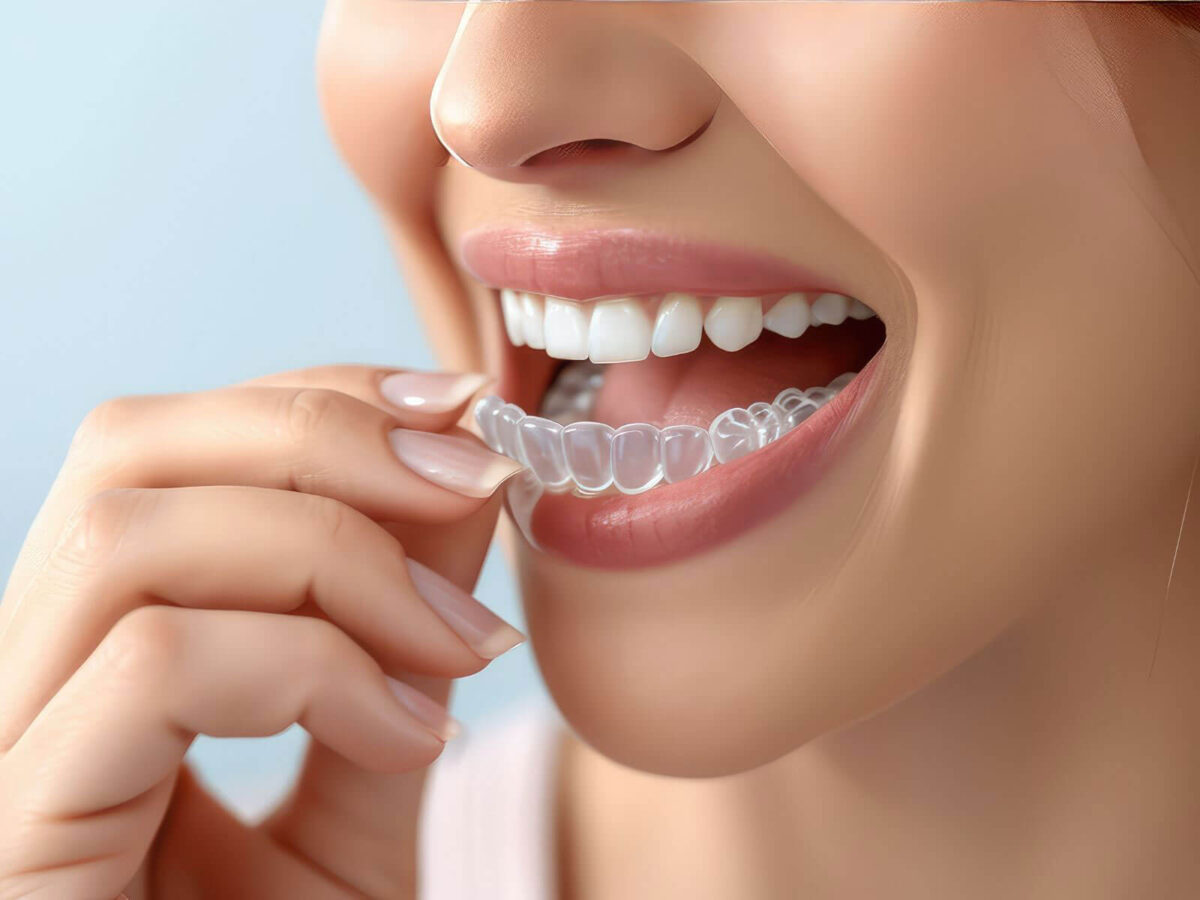
Clear aligners, including modern Invisalign treatment, work differently. A series of nearly invisible trays fit over the teeth and shift them a little at a time. The trays are removable for meals and for brushing. Many people like that the trays are subtle. Elgin orthodontics practices usually offer both options, and the best choice depends on the person sitting in the chair.

How Do The Wear And Daily Life Compare

Braces are fixed. Once they go on, they stay on until the orthodontist removes them. That can be a benefit because there is no temptation to skip wearing them. They are always working. Care routines change a bit. Brushing around brackets needs patience. Flossing works with special threaders or water tools. Meals sometimes change. Hard or sticky treats might seem harmless, but they can twist wires or loosen brackets.

Clear aligners are removable. That is the biggest daily difference. People take them out to eat and to brush. They can keep the normal bite of a crunchy apple or enjoy popcorn without extra worry. That convenience is a major plus. It also asks for responsibility. If someone forgets to put aligners back in, progress slows. Most systems suggest wearing trays for about twenty-two hours a day. That steady habit is what moves teeth.

Visibility And Confidence During Treatment

Appearance matters in real life. For someone self-conscious about metal in their mouth, clear aligners often feel freeing. They are discreet and rarely noticed at a glance. That can make social interactions easier, especially for older teens and adults in public roles.

Braces are more visible, but they have changed a lot. Ceramic brackets blend with teeth. Colored elastics give a playful look for younger patients. Many people think of braces as a short stage they go through to get a lasting change. A thoughtful dentist in Elgin TX helps set realistic expectations, so no one is surprised by how they look while teeth move.

Comfort And Common Adjustments

Brackets and wires can cause soreness after an adjustment and sometimes rub the cheeks. Orthodontists usually hand out wax and simple tips to ease irritation. Most people adapt in a few days.

Braces provide steady pressure, which helps with very precise movements. That precision is why braces are still recommended for many complex cases seen in Elgin orthodontics.

With clear aligners, the discomfort often comes when starting a new set of trays. The pressure is noticeable at first, but usually milder and shorter-lived than soreness after a wire change. Trays are smooth plastic and rarely irritate cheeks the way brackets can. For many, this is a real comfort advantage. Some patients prefer that when they travel or speak publicly.

Treatment Length And Predictability

People often wonder how long each option takes. The truth is, every smile is different. For small adjustments, clear aligners can usually get results a bit faster. When it’s not a simple fix, braces usually do better. They move teeth in a steady, controlled way. The orthodontist sees your X-rays and models, using their judgment to figure out the best path forward.

Sometimes, doctors mix methods. Some start with braces for certain movements and finish with clear trays for detailed work. That hybrid plan uses strengths from both tools. It shows that treatment is flexible and tailored.

Oral Hygiene And Maintenance

Keeping teeth clean matters no matter the treatment. Plaque clings easily to brackets and wires when you have braces. Good brushing and extra flossing help keep teeth clean. Some go to the hygienist a bit more often, just to be sure. A little extra effort makes the end result shine.

Clear aligners simplify cleaning because trays come out. Brushing and flossing stay much like before treatment. The aligners themselves need care, too. A quick rinse and gentle brushing keep them clean and free of odours. When worn as directed, the trays move teeth steadily without changing daily care much.

Who Is A Better Candidate For Each

Braces are usually suggested for younger patients or for those with more complicated bite issues. They can shift teeth in ways that trays sometimes can’t. Severe crowding and large bite discrepancies often need the control that fixed appliances provide. In those cases, a dentist in Elgin TX, or an orthodontic specialist will often advise braces for the predictable result they offer.

For a lot of adults and teens, clear aligners are the go-to choice. They’re subtle, easy to remove, and handle mild to moderate crowding well. They also work nicely when teeth move a little after past treatment. They’re not perfect for everything, but they meet most needs. And the technology just keeps improving.

Cost Considerations

Cost depends on case complexity. Historically, braces were less expensive, but as clear aligner technology has advanced, prices have become comparable. Insurance sometimes covers part of the treatment, sometimes none of it. Many Elgin orthodontic offices offer payment plans and financing to spread costs. Talking openly about budget and options early helps families plan better.

The Takeaway

Clear aligners and braces both get the job done. Braces deliver predictable control for complicated issues. Clear aligners, including modern Invisalign treatment, give discretion and convenience for those who can follow wear guidelines. Choosing between them is personal and practical. Consulting with a local Elgin orthodontics provider makes the choice fit the life of the person who will wear the appliance.

Call To Action

If someone is weighing braces or clear aligners, schedule a consultation with a trusted dentist in Elgin TX. The local team will outline personalised options, explain likely timelines, review costs, and help pick the right path so the final smile fits both life and goals. Reach out and ask for examples of local cases. Hearing a couple of stories from neighbours often helps make the decision feel real.