Elgin

Categories
Dental care

Which braces work the fastest?

There are numerous types of braces available now that function quickly. Transparent aligners, lingual braces, self-ligating braces, and functional braces are now considered to be the fastest braces for straightening teeth.

While the speed of the procedure varies depending on the sort of problem you have, most experts believe that clear aligners are the quickest option to straighten your teeth.

The most well-known type of transparent aligner is Invisalign, which has recently garnered a lot of popularity because they both speed up the procedure and are virtually invisible.

However, depending on what your dental problem is, there are a variety of different choices that may be suitable for you.

Invisalign

Invisalign braces are becoming increasingly popular in the world of orthodontics, as they provide several advantages to patients. Invisalign braces are clear trays of plastic that are placed over the teeth and gradually shift them into the desired position.The average adult patient will complete therapy in about a year, but some will complete it in as little as three months, making them one of the fastest-working braces available.

Self-Ligating Braces

Self-ligating braces, which are similar to traditional braces but significantly more time-effective, are becoming increasingly popular.Treatment is projected to be completed roughly 6 months sooner than with traditional braces, and the patient will have to visit the orthodontist less frequently.

How Long Do Braces Take to Straighten Teeth?

The period it takes to recover from braces varies depending on the severity of the orthodontic condition, but it usually takes 6 to 2 years. Because of their natural jaw expansion and enough space for aligned teeth, youngsters may have braces that function the fastest and can be cured in a few months.Make an appointment with your dentist as soon as possible if you seek more advice and guidance.

Categories
Dental care

Do you have to wear retainers forever?

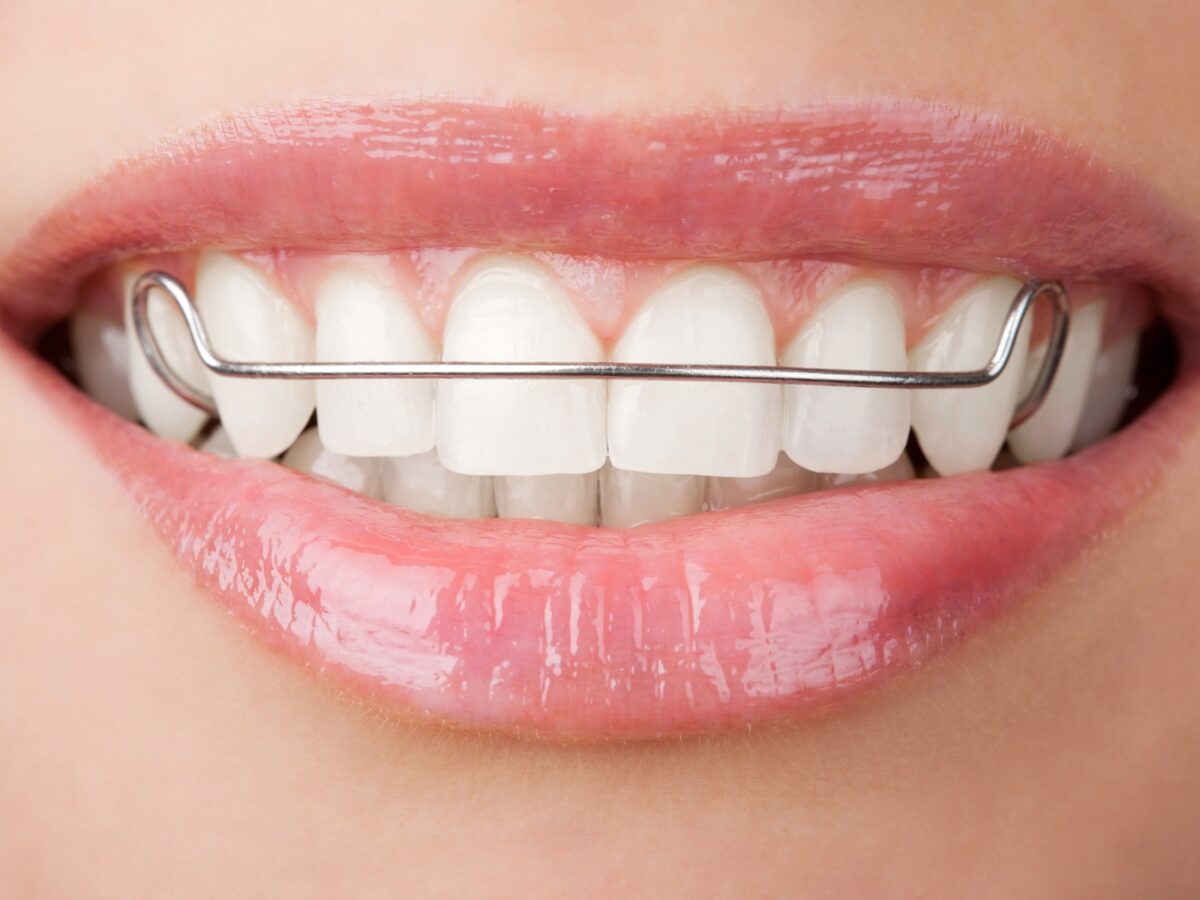
A retainer is a fixed or removable piece of equipment made of wires or plastic. Orthodontic retainers are used to keep your smile aligned after active orthodontic treatment.

Removing braces is a long-awaited relief for many – it offers a sense of regained freedom. However, many people are disappointed to recall that they must now wear a retainer.

Why Retainers?

To begin with, let’s clarify a myth that retainers are only worn after braces.

The truth is that retainers are required after any position-correcting treatment or procedure has been completed – whether it is Invisalign or surgery.

Until the gums and bones that hold your teeth in place are strong enough to handle the task themselves – at least not right away – retainers act as additional support.

As you eat and speak, the supporting tissues around your teeth will gradually get more robust, so they won’t shift back.

You will gradually shift your teeth back if you do not wear your retainers, making the whole process a waste of time and money. A retainer is similar to that of home insurance, which is to protect your investment.

Do You Wear Them Often?

You will still need to wear them every night, even if you have a bonded wire in the first year. Retention review is conducted on patients two years before they are fully discharged. It’s to ensure you’re still satisfied with the result of your braces, that you’re still wearing them, and that they’re still fitting well. If your wear is reduced to every other night, that can be reduced to three times a week. Thus, attendance at your retainer reviews is essential. Make sure your retainers are with you!

Feel free to call or book an appointment online if you need new retainers or a retainer review.

Schedule your appointment with a dentist today and get the treatment on time!

Categories
Dental care

What are the side effects of braces?

Everyone feels embarrassed about their teeth and hides from smiling around people because of crooked teeth. To help with it, braces are beneficial for tooth alignment and other orthodontic issues. Dental braces leave you with many oral health benefits and a flawless smile.

Braces might leave you with some side effects during and after treatment. Read further to see how braces may affect your teeth.

Side effects of Braces on Teeth

  1. Difficulty Eating food: This is a typical problem for everyone who wears braces. Food becomes lodged in them, and they may be unable to move their teeth as freely. It is advised to eat only soft foods in the first few days.
  2. Mild Discomfort or Soreness: Braces may cause soreness in the mouth in the early weeks. And also people might feel some discomfort not being used to wearing them. Braces are tightening or readjusting your teeth, so it’s common to have a little discomfort. For such pain, you may take a pain-reliever. If pain or soreness gets worse, consult your doctor.
  3. Jaw Pain: Braces are wrapped around your teeth so might cause jaw pain also. This could happen after every session due to tightening. Depending on the discomfort and severity, over-the-counter pain relievers may assist
  4. Plague or infection: Plague is always a common problem for teeth with braces. Food gets stuck in braces and may build a plague or an infection when it is not properly cleaned and maintained, leading to tooth decay.

You might face difficulty eating during the early week, and these side effects will likely resolve quickly. Good dental hygiene practices are always necessary, but they are incredibly essential for people with braces. It would be best to clean teeth every day, which means brushing twice and flossing at least once daily.

Schedule your appointment with a dentist today and get the treatment on time!

Categories
Dental care

How many times a day should you brush with braces?

There’s no denying that getting braces will alter your daily routine, including your dental hygiene routines. Brushing your teeth after each meal is essential if you wear braces.

Brushing before bed can also help prevent plaque from accumulating on your teeth.

While it is general knowledge that a person should brush their teeth twice a day, this “law” does not apply when wearing braces because the brackets and wires you wear with braces can promote food buildup, which can lead to plaque formation and other complications. Cleaning your teeth at least 4 times a day is recommended, including after breakfast, lunch, supper, and before bed.

What Needs To Be Taken Care of While Brushing?

If stains build up on your teeth, they might be difficult to remove effectively while wearing braces, increasing your risk of developing cavities. Brushing your teeth regularly can prevent all of this, though you should brush lightly while wearing braces to avoid harming the brackets or wires. Food debris can get lodged between the wires and around the brackets, which can be harder to see as you get closer to your mouth’s back, which is why brushing your teeth after every meal is so crucial.

Make sure your mouthwash and toothpaste contain fluoride, which helps to keep your teeth white and healthy. Your teeth will be healthy once your braces have been removed if you maintain a proper cleaning technique while wearing your braces.

Here is the correct brushing tip:

When brushing your teeth with braces, start by rinsing your mouth with water to loosen and wash away any trapped food. Brush your teeth in small circular motions along the gum line while holding the brush at a 45-degree angle. Both the top and bottom angles of the brackets must be brushed.

If you have any doubts or need guidance, you can connect with your dentist asap.

Categories
Dental care

How to Choose Dental Insurance

We all know that getting any dental work (as simple as basic cleaning) can put a dent in your pocket with its cost. So, getting a dental insurance plan is a must for you and your family to stay away from cavities and also keep your dental budget in check.

Dental insurance can cover a range of dental work from routine teeth-cleaning to x-rays, crowns, root canals, etc. Dental insurance premiums are much lower than regular health insurance and if you use in-network dentists then 100% of your preventive dental work is paid for by the insurance company.

But selecting the right dental insurance plan is a bit tricky as certain policies limit you in what kind of work you can get done within that. We will give you a few tips and things to consider while opting for a dental plan.

Categories of Dental Insurance

Dental insurance comes in many forms and ranges from group to individual and family plans. They fall into three categories.

  • Indemnity dental plans: These are the most expensive ones and not so popular. In this plan, you mostly need to pay the entire amount and then file a claim. The insurer pays a cap amount as set by ADA. One advantage of this is that there is no concept of in-network and you can choose any dentist.
  • PPO or Preferred Provider Organization: PPO is the most common type of plan where dentists join a PPO network and negotiate with insurers on their fee structure. There are administrative costs associated with PPO and if you select an out-of-network dentist then you have to pay more from your pocket.
  • HMO or Health Maintenance Organization: In HMP you need to pay either a monthly or yearly premium and you are restricted to dentists within the network. You might also need to live within the area where you are offered the HMO. HMO is usually the cheapest among all plans.

Selecting the Right Dental Insurance

Before you zero down on the dental insurance company, there are certain factors you must consider as outlined below:

  • Check if you can get a group policy: Most people either get their dental insurance through their company or group coverage programs such as Medicaid, AARP, TriCare, and a few more. It is less costly to purchase group plans than individual insurance and they also offer more benefits. 
  • Look out for plans that cover your current dentist: If you have a family dentist then check out specific programs that his/her office accepts or ask them for recommendations. It is perfect if you find a plan that suits your family and is also supported by your dentist that you are comfortable with. With an indemnity plan, you can afford any density while with PPO and HMO you are restricted. So if you do not mind going to a new dentist and PPO or HMO is coming out to be cheaper, then you could go for them.
  • Consider restrictions placed on treatment options: Some dental plans restrict the types of dental work that they cover. They may only offer the most inexpensive forms of treatment even when another approach may be a better fit for your problem. If you need specialty work done then thoroughly analyze the list of treatments covered for each plan you consider.
  • Keep in mind all sorts of costs involved: Most people only look at the premium charges but there are many other charges to look into like co-pays, deductibles, etc. So even if a premium is the most affordable, the deductibles may be too high to suit your budget. So, discuss all the costs involved before deciding on your insurance plan.

To keep the dental health of your family in check, dental insurance is necessary. But when you purchase insurance be aware that major procedures are not covered under most plans, and even if they do, you will have to pay at least half of the charges. So it is a good idea to set aside money every month to help you with any major dental work.

If you are looking for Dental Billing Service in US, you can contact Capline Dental Services.

Categories
Dental care

How can I close my braces gap faster?

Braces can not only make your teeth straight, but they can also affect the shape of your face by expanding the arch of your teeth for a wider, more attractive grin.

Gaps between teeth can be functionally problematic, and braces are frequently the most effective approach to narrow gaps between teeth. Other options are also available.

If you have a diastema, you will need braces. Diastema is known as a gap between two teeth, usually the top front teeth, but it can be any two teeth. Teeth gaps can occur for a variety of causes. Gaps between teeth are frequent in youngsters with baby teeth, but as the larger adult teeth emerge, the space between them often disappears.

Treatment Options for Gaps in Orthodontics

Traditional braces, Invisalign, and other dental solutions are among the orthodontic treatments available for narrowing gaps between teeth:

  • Elastic Chain Braces: Braces work by pulling teeth into place using brackets, wire, and elastic chains. Teeth can be shifted closer together, and gaps can be repaired with a chain of small elastic bands. The colorful elastic chain is worn over the brackets that secure the teeth.

Using elastic chains, gaps can be closed in as short as six weeks to six months. 

  • Invisalign: For some individuals with gaps, Invisalign is an option, but not for others. Much of it is determined by the gap size. Small gaps can be corrected with clear plastic aligners, but if the gap is too great, aligners may not be enough to pull the teeth together, and the patient will need braces. To bridge a big gap, some people may use a combination of Invisalign aligners, bonding, or veneers.

Compared to other malocclusion types, closing gaps between teeth is a relatively uncomplicated orthodontic case.

Make an appointment with your doctor right away if you require additional help and guidance.

Schedule your appointment with a dentist today and get the treatment on time!

Categories
Dental care

Can braces change your voice?

Adults across the globe are increasingly interested in improving their smiles by considering dental braces. Regardless of what you might look or sound like for a short period with the dental braces on, make sure to consider the long-term effect you will have by getting braces. 

For many individuals, teeth grow crooked or crowded when the teeth move into new positions as adults. 

Braces fit over the teeth to gradually pull and push them into an aligned straighter position over time. 

If you are a singer and consider having braces, you may be concerned that they will affect your singing ability. 

How do braces affect the voice?
Braces have the potential to affect the singing voice a little bit; more specifically the diction and resonance. But whether it does or not depends on the shape of the mouth, what is being changed and how much the teeth are being moved.

Each orthodontic plan is different for every individual’s necessities. So, the treatment for you will most likely be different from that of others. 

You may only need braces for a brief period, or you may need one of a few teeth removed before having your braces fitted. Or then again you may require dental surgery and jaw realignment work done.

Generally, the more work that’s needed, the more likely it is it will affect your voice- but it should be positive!

Can braces make a difference to your singing voice?
Braces on their own will have less of an effect on the singing voice than the rest of the dental work that may be needed to fit them.

By altering the cavity space and shape in the mouth, your voice resonates differently. Thus, a few teeth shifting slightly, won’t make a huge difference. However, long-term braces that entirely realign your jaw shape may create a slightly different tone.

Orthodontics can help make your voice better 
In conclusion, even though braces require some adaptation, then, for sure, they will not affect your singing voice. Subsequent to correcting your teeth, your voice will get even better. Singing is typically impacted by the vocal cords, so if the vocal cords are healthy, then you shouldn’t need to stress.
Schedule your appointment with a dentist today and get the treatment on time!

Categories
Dental care

Can you stop wearing your retainer after 10 years?

Many people wonder if they should throw away their retainers. It’s an understandable concern. While they were wearing braces and then a retainer, patients felt like they’d been caring for their teeth for years. They want to do nothing more than brush their teeth and do away with it all. However, that is not the case.

What is the need for Retainers?

Teeth are held in place by retainers. Even if they’ve been in their original spot for years, teeth want to return to their original position. The dentition of an elderly person might experience changes, such as narrowing of the lower dental arch. This may cause the lower front teeth to become crumpled up. Your teeth may be changing because of these changes, but the only way to prevent them from moving is to retain them.

Removable Retainers: Wearing them in stages

In certain cases, a permanent retainer may be attached to the back of your teeth by your orthodontist. Those who receive this will wear their retainers throughout the day, even while eating and brushing their teeth. An oral surgeon can only remove the retainer in this case, and when it is removed, a removable retainer is given to the patient to wear at night.

Typically, patients are given retainers, which they are asked to remove while eating or brushing. Retainers have been effective for patients who wear them according to the following schedule:

The First 3-6 Months: Retainers should be worn for a minimum of 22 hours a day during this period. Only when brushing and flossing or eating, should they be removed. Before approving your request to wear them only at night, your orthodontist will monitor your progress.

The First 2 Years: When you have worn your retainers full-time, you can start wearing them only at night.

From the Third Year to the Rest of Your Life:

Your retainers will need to be worn less now. Skipping a few nights here and there isn’t a big deal, and wearing them every other night is a good rule of thumb.

Schedule an appointment and consult with your dentist if you have any queries.

Categories
Dental care

How Does HIV/AIDS Affect the Mouth?

HIV is spread by sexual contact or through the use of a contaminated needle or syringe. When you have HIV, your immune system is weakened, which affects your mouth and oral health. This could lead to tooth loss and pain in the mouth. Dental and mouth problems related to HIV/AIDS dental and mouth conditions can be unpleasant, causing difficulty biting or swallowing. This may make it difficult for you to take your medication

Mouth issues due to HIV/AIDS

  • Dry mouth 
  • Thrush 
  • Kaposi’s Sarcoma
  • Outbreaks of herpes simplex virus
  • Canker sores
  • Mouth ulcers
  • White lesions on the sides of the tongue (oral hairy leukoplakia)
  • Red band gingivitis
  • Ulcerative periodontitis

 Or some other issues like

  • Aphthous/ulcers or canker sores
  • Herpes
  • Airy Leukoplakia 

 Care HIV/AIDS Affected Mouths issues

  • Make appointments with your dentist regularly.
  • Brush and floss your teeth twice a day for two minutes.
  • Make sure you take your HIV medication on time.
  • Inform your doctor if you are experiencing dry mouth as a result of your HIV medication. Inquire about the best treatment for you.

Treatment
Common oral concerns due to HIV can be cured or prevented. So consult doctor or dentist for it.

Helpful Tips
A dry mouth happens when there is too little saliva or spits to keep your mouth moist. By regulating bacteria and fungi, saliva aids in the chewing and digestion of food, as well as protecting teeth from decay and preventing infections in the mouth. If you don’t have enough saliva, you may develop tooth decay or other illnesses, and you may have difficulty eating or swallowing. You may also have cracked, chapped lips, as well as a sticky or dry mouth with a burning sensation.

To relieve dry mouth, try the following:

  • Drink plenty of water.
  • Chew sugar-free gum or sugar-free gum.
  • Chew sugar-free gum or sugar-free gum.
  • avoid 
  • Tobacco
  • Don’t drink any alcohol.
Categories
Dental care

What is Benzocaine?

Benzocaine is a white, crystalline powder that causes a temporary numbing effect, which stops nerve motions in your body, easing discomfort or pain induced by skin irritations, painful or sore throat, and hemorrhoids on the surface of the body.

Generally, it numbs down the skin or inside the mouth, nose, throat, and many other parts and organs to reduce the discomfort of inserting a medical instrument. Orajel, Americaine, and Cetacaine are some of the brands that contain this anesthetic.

It is not recommended for long-term use and to treat teething discomfort in newborns or kids less than 2 years old.

During the process, doctors even use benzocaine sprays to numb the lining of the mouth or throat. Benzocaine products are not FDA-approved for these uses.

Side Effects of Benzocaine
Side effects of Benzocaine may appear within 2 hours after using benzocaine. Talk to your doctor for emergency medical help, if:

  • Headache, and anxiety
  • Speedy heartbeats
  • Feeling light-headed
  • Difficult breathing
  • Swelling
  • Severe burning
  • Redness
  • Pale appearances on the surface of your skin, lips, or fingernails

Precautions

  • Use the smallest amount of this medication.
  • Try not to get the product in your eyes.
  • Avoid swallowing the gel or liquid.
  • Do not apply benzocaine to open injuries, burns, broken or inflamed skin.
  • Do not use benzocaine to treat certain skin diseases or serious issues, such as severe burns.
  • Benzocaine can cause methemoglobinemia.
  • Call your doctor for medical advice and the appropriate dosage because this is not a complete list of side effects, and other impacts may appear. Call your primary care physician for medical advice about side effects. The FDA urged manufacturing companies to add signs and warnings to their label about methemoglobinemia and other side effects.

Make sure that you keep this and all other such drugs out of the reach of kids, never share your prescriptions with others, and use this medicine only if prescribed by your doctor.

Schedule your appointment with a dentist today and get the treatment on time!

Categories
Dental care

How is the implant attached to the abutment?

A dental implant is a metal attachment or fixture that is surgically implanted beneath the teeth to replace a natural tooth. Following surgery, recovery could take up to 6–12 weeks. It can be costly. When attaching a dental implant to the jawbone, the dentist has 2 choices. The abutments can be covered with gum tissue, which takes around six months to heal. The gums will next be sliced out to reveal the tooth, allowing the crown to be fitted.

Attaching a healing abutment is the second option. As previously stated, the healing cuff is linked to the implant’s external end. It’s a lot bigger than the implant, so there’s enough room for the crown to grow in as the gums heal around it. Patients frequently opt to utilize a healing cuff since it removes the need for additional surgery. The healing cuff is removed after the implant has properly fused to your jawbone, and the dental implant is placed with a crown. Because the gap formed by the healing cuff doesn’t always match the size of your crown, your gums may need to be reshaped.

Steps when the implant is attached to the abutment:

  • The implant is being exposed. A small incision in the gum tissue is created first if you need a second procedure to insert abutments.
  • Putting healing abutments in place. In many situations, the implant is temporarily fixed with a healing abutment.
  • Finally, abutments are being installed. After the gums have healed, an impression is obtained and the final abutment is inserted.

After the abutments have been installed, gums around abutments normally take 4 to 6 weeks to heal, so it is important to carefully follow the doctor’s recommendation.

Schedule your appointment with a dentist today and get the treatment on time!

Categories
Dental care

6 Habits That Harm Your Teeth

We all have at least one habit we wish we could break. Would you believe that some of them can be detrimental to our oral health? Check out some of these habits and tips for breaking them.

Utilizing Your Teeth as a tool:

  • How can it be harmful: You can chip or break your teeth or suffer jaw injury using the teeth to open bottles, cut thread, or perform other tasks.
  • What can be the solution: If you don’t have scissors at your disposal, you shouldn’t hold or open items with your teeth. Locate your scissors or ask someone for assistance. You will greatly benefit from it, preventing yourself from dental complications that can be expensive and painful.

Biting your nails

  • How can it be harmful: Nail biting could negatively impact your dental health by chipping your teeth or causing damage to teeth. The longer you leave your jaw protruding, the stronger the pressure on it becomes. Your gums may also be torn or damaged.
  • What can be the solution: Several patients find that wearing a mouth guard prevents them from biting their nails. You can also apply bitter-tasting nail polish to reduce nail biting or use therapy techniques to reduce stress.

Constant Snacking

  • How can it be harmful: Cavities are more likely to occur if your diet is heavy on sugary foods and drinks. Leftover food feeds the cavity-causing bacteria, producing acid that erodes your teeth’ outer shell.
  • What can be the solution: Eating balanced meals will help you stay fuller for a more extended period, thus reducing snacking. Don’t snack on sugary foods. Drink a glass of water after eating a sugary snack if you feel tempted to indulge.

Using too much pressure when brushing

  • How can it be harmful: Ideally, brush your teeth twice a day for at least two minutes. Avoid brushing too hard to avoid damaging your teeth or irritating your gums. Over Brushing may cause gum recession and inefficient tooth cleaning.
  • What can be the solution: Apply proper pressure when brushing with a soft toothbrush instead of brushing hard. Brush your gums at a 45-degree angle with your toothbrush bristles, and minimize the force of the brush.

Clenching and Grinding

  • How can it be harmful: In addition to chipping or cracking your teeth, you might also experience muscle tenderness and joint pain. In addition, you may be unable to open your mouth wide or experience pain when chewing.
  • What can be the solution: Using relaxation exercises can help you avoid grinding your teeth or clenching your jaw. You can also use a mouthguard to prevent your teeth from grinding while you sleep. You will be relieved of any tooth pain or sore muscles and can sleep better as a result. Consult a dentist if you suffer from teeth grinding to find out how to prevent it.

Chewing on ice cubes

  • How can it be harmful: Crystals make up enamel and ice. Pushing two crystals against one another can cause one of them to break. Sometimes it’s ice, sometimes it’s a tooth.
  • What can be the solution: Use a straw instead of ice when drinking beverages.

Call our office to schedule your next dental appointment if you feel pain or sensitivity in your teeth.

Schedule your appointment with a dentist today and get the treatment on time!

Categories
Dental care

What are the stages of a root canal?

There is no pain associated with root canal therapy – it relieves it. Endodontic root canal therapy treats infected or inflamed tissue on the inside of the tooth by removing the infected or inflamed tissue. It’s often disregarded as a painful procedure – but it’s actually no more complicated than getting a simple filling in your mouth. To help you understand how simple root canal therapy is, here are the seven stages.

  • Probable Diagnosis: There is a reason why a root canal is performed. When you have an aching or infected tooth, your dentist will diagnose the problem and recommend a treatment. 
  • An X-ray: Be ready, you’re about to undergo quite a few x-rays. This will provide your dentist with a visual guide. They can follow it and proceed accordingly. An x-ray will also reveal how deep and wide the infection is.
  • Localised Anesthesie: Anesthesia is often used more heavily for this treatment than for any other.
  • Drilling: It is safe to use a dental drill if you are with a professional dentist. Drilling a hole through the tooth is the first thing to drain bacteria, pulp, and nerves that have been compromised. 
  • Removal & Drainage: The damaged area inside your tooth will be removed with tiny files once the hole has been drilled. Only the right portion of the tooth is removed with these files, while the rest of the tooth remains intact.
  • Filling as a temporary Measure:  The final steps in some root canals are scheduled at a later date, depending on the situation and the endodontist. The tooth is temporarily filled with a filling.
  • Crowning And Sealing: It is imperative that your tooth is sealed and crowned in order to prevent further infection and cracking. A crown is not always necessary after root canal therapy, but it does make a tooth more protected.

Root canals can be saved by acting quickly so that your dentist can finish the procedure in a couple of visits.

Schedule your appointment with a dentist today and get the treatment on time!

Categories
Dental care

Is a root canal permanent?

People don’t usually opt for root canals voluntarily, but when faced with a choice between a root canal or a lost tooth, the root canal becomes the better option. However, many people wonder how long the tooth is actually saved?

Do Root Canals Last Long?
It is a subjective question. Your dentist’s skill in removing infected material plays an important role in it. In addition, if any infection remains, it will eventually spread, resulting in the need for another root canal.

Furthermore, keep your regular checkups every six months so that you can catch problems early. As soon as the infection is found, it is easier to treat it before it has a chance to spread further. This is also dependent on what teeth are causing the problem. Roots in the front of teeth are fewer, so there is less room for error. However, back teeth have more, which can complicate things.

Your overall oral health is another important factor. It is easier to undergo the root canal procedure if your other teeth are healthy. An old or severely damaged tooth, even with a crown, may eventually crack even after a root canal. Healthy teeth are the best candidates for root canal therapy.

A Better Option
While the best way to prevent a root canal is to take good care of your teeth, it continues to be the best option if a root canal is ever needed. A crown and root canal will last much longer than extraction and a bridge. In this way, even though root canals are not permanent solutions, they can still fix the issue for many years, allowing you to keep your teeth as long as possible.

Schedule your appointment with a dentist today and get the treatment on time!

Categories
Dental care

Does a root canal bleed?

A root canal is a procedure that relieves toothache brought in by decay or an abscessed tooth. Root canal therapy entails removing the infected pulp of a tooth, cleaning and disinfecting the insides, and filling the space with synthetic material. A root canal treatment becomes unavoidable when a dental cavity is left untreated for prolonged times, and the oral bacteria seeps into the infected tooth’s pulp. Moreover, another ostensible cause of root canal is trauma or injury. A root canal therapy is a standard procedure with excellent success rates. Some of the veritable advantages of root canal therapy are:

  • Prevention of dental infection from spreading to other teeth
  • Mitigating symptoms associated with an infected tooth
  • Reducing the risks of jawbone damage
  • Eliminate the need for tooth extraction

Now that we have touched upon the basics of a root canal let us try to answer the looming question of whether root canals bleed or bleed.

In usual circumstances, root canals do not bleed. After root canal therapy, some pain and swelling that lasts for two to three days are normal. However, bleeding may signify a re-infection or a root canal failure. If you experience bleeding after getting a root canal done, visit your dentist at the earliest. They will perform an X-ray to determine the cause of the bleeding. At times, a recurring gingival infection may also be the reason why you might be bleeding after a root canal. Although root canals have a 98 percent success rate, failure is inevitable in some cases. Therefore, in addition to bleeding, some of the signs that you should be vigilant about after a root canal therapy include:

  • Persistent pain
  • Swollen gums
  • Tooth discoloration
  • Sinus problems
  • Dental abscess
  • Pus or drainage

In case of a root canal failure or the propping up of a re-infection, alternative treatments are available. 

Schedule your appointment with a dentist today and get the treatment on time!

Categories
Dental care

Can Root Canals Fail?

A root canal is an endodontic treatment that becomes mandatory when the pulp inside a tooth becomes infected. A tooth’s pulp comprises blood vessels, connective tissues, and nerves and may get damaged due to an injury, severe decay, untreated cavity, etc. The root canal process entails drilling an opening in the tooth, removing the infected pulp, and ultimately dealing with it to prevent further infection.

Root Canal Failure
A root canal is a typical treatment in the United States. It is an incredibly safe treatment with a 95 percent success rate. Moreover, 85 percent of teeth fixed by a root canal last a lifetime. So, the statistics are pretty promising. However, an occasional failure is inevitable in all medical treatments, and a root canal is no exception. A root canal failure may happen due to a loose crown, a tooth fracture, or a new dental decay. The loss is sometimes visible immediately after the treatment, or, at times, it may take years to prop up. Now that we have deliberated upon the possibility of a root canal treatment failing let us look at the top three symptoms of a failed root canal.

  • Pain: Minor discomfort and toothache are typical for a few days after a root canal. However, if the pain lingers for prolonged periods and is intense, then you may be experiencing a root canal failure.
  • Swelling: Some mild swelling around the treated tooth or all over the face is typical of a root canal treatment. But, persistent swelling and the emergence of a new swelling might be an indication that your root canal failed.
  • Discharge: A bloody or pus-filled discharge oozing out from the treated tooth after a root canal procedure implies that a fresh abscess has taken over the area.

In case of a root canal failure, retreatment becomes the viable solution. A root canal retreatment involves disassembling the restorative materials inside the pulp to gauge the source of the failure. Furthermore, if retreatment also fails, an apicoectomy is the next course of action.  

Schedule your appointment with a dentist today and get the treatment on time!

Categories
Dental care

Can a Root Canal Get Infected?

The reason for getting a root canal done on a tooth is inflammation or infection in the soft tissue inside the tooth. 

Reasons for infection in the tooth can be many ranging from decay or bacteria in the mouth to severe chip or crack in tooth or a dental crown not working properly. Even if you feel that taking out the damaged tooth is more convenient and less time taking than a root canal, it is always better to keep your natural teeth and heal them with a root canal procedure.

But even after a root canal, there are possibilities of re-infection in the same tooth. Let us understand what signs you should look for to know if your root canal is infected and the reasons for infection in a root-canaled tooth.

Warning Signs of Re-Infection in a Root Canal Treated Tooth
Some of the signs and symptoms that your tooth, which has gone through a root canal procedure earlier, has been infected again are outlined below:

  • Ongoing pain in the tooth: If your tooth has acute pain after root canal especially when you bite down then there could be a chance of root canal reinfection. Infected root canals can cause severe pain since the tooth material inside the treated tooth is extremely sensitive. 
  • High sensitivity to food: If you feel immense sensations while eating anything cold or hot and the pain does not go away even after you have finished eating, then you might need to see your dentist to figure out if there is a root canal infection.
  • Swollen gums and tenderness: When the root canal is infected the gum is swollen more than normal. There could be a lump formation and the swelling could extend to the face and neck. The gums would usually be more tender than normal in case of an infected root canal.
  • Foul order: Root canal infection could give off a bad odor from the mouth.

What Can Cause Infection After Root Canal?
There are many reasons to get an infection after a root canal treatment like:

  • A delay in placing a permanent crown on the root-canaled tooth, which adds an extra layer of protection. This delay gives bacteria an opportunity to re-infect the tooth.
  • The original seal on the tooth was not sufficient to ward off bacterial contamination.

There is no reason to fret much if you develop another infection in a tooth that has gone through the root canal process. You can get a second round of root canal done for your tooth. Your dentist might examine your tooth to find out if the problem is more complicated and decide upon whether an apicoectomy (also called root end surgery where the tip of the root is removed and filled with a biocompatible substance) needs to be performed or not.

Schedule your appointment with a dentist today and get the treatment on time!

Categories
Dental care

Do dental implants shorten your life?

The dental implant is the best alternative to improve the quality of life of many people daily,  extending the life expectancy. 

How can missing teeth reduce life expectancy? 
If you ask any provider, the leading cause of death in the United States is heart disease, and people  who have fewer teeth or have lost five or more teeth are prone to develop it. They might also  increase the risk of osteoporosis and diabetes.  

So what is the correlation between longevity and tooth loss? There is a good chance that a large  number of people develop gum diseases. The bacteria that cause gum disease and eventually tooth  loss slip into the bloodstream affect other vital functions, increasing the risk of heart attack, stroke,  etc. 

How do Dental Implants lead to a longer life? 

  • A capable bite: Research says that dental implants can provide a bite force that leads to a more  varied and nutritious diet. You can use it as natural with more efficiency.
  • Healthy diet: Losing teeth restricts the variety in the diet that eventually leads to malnutrition.  Dental implants increase the capability to chew, bite and enable you to eat anything like crunchy  nuts, meats, raw vegetables, etc.
  • Improve the quality of life: The appearance of the teeth has a substantial impact on confidence  and social life. Social isolation and chronic illnesses are both linked to reducing lifespan.  However, dental implants boost your self-esteem and bring a confident smile.
  • No further tooth loss: With proper care and maintenance, you decrease the chances of losing  more of the natural teeth.
  • Easy maintaining: Taking care of the dental implant is as simple as flossing and brushing.  However, after you get your implant, your dentist will provide you with the best way to take  care of it along with a recovery diet.

Schedule your appointment with a dentist today and get the treatment on time!

Categories
Dental care

What is the downside of dental implants?

Dental implants are prosthetic appliances that act as a replacement for missing teeth. They have been a boon to many millions of people by substituting for natural teeth that may have to be extracted owing to several reasons such as dental decay, trauma, periodontal diseases, and so forth. There are several veritable advantages of dental implants, the first being that they help people eat, speak, and live better. Implants play a pivotal role in building people’s confidence, especially the elderly. But, while talking about dental implants and their advantages, we cannot ignore their various downsides.

Disadvantages of Getting Dental Implants 

  • The first downside of dental implants is their cost. The price of dental implants can soar to as high as $25,000 to $45,000. It is an inaccessible method for people who are not well-off. 
  • The high cost of dental implants is coupled with insurance that covers a minuscule amount of the expenses. Even if dental implants are fixed for medical purposes, insurance agencies cover as little as none of the total procedure cost.
  • Opting for dental implants means consenting to a surgical process. A dental implant is a painful procedure that can take months to complete. 
  • A host of doctors are involved in one single dental implant procedure. As such, the costs are higher, and internal politics may lead to problems. 
  • Despite being a groundbreaking technique, dental implants are not for everyone. People with bone conditions may not be eligible for implants. 
  • Although rare, complications are not non-existent when we talk about dental implants. A fraction of the total proportion of people who get dental implants ends up in difficulties. 

In complications, like everything else in this world, dental implants also have their downsides. But, simultaneously, we have to acknowledge that it is a marvel of modern dentistry that has changed many people’s lives. 

Schedule your appointment with a dentist today and get the treatment on time!

Categories
Dental care

How Long After Extraction Can You Get an Implant?

Dental implants are prosthetic appliances that have become the ideal process for tooth replacement. They act as an ideal substitute for natural teeth that may be severely damaged, decayed, chipped, or broken due to several reasons. Initially propounded for senior citizens, dental implants are now utilized by the young and the old cohort. Nowadays, the improvement in dental implants has skyrocketed with unique, innovative techniques, high-tech materials, and likewise bombarding the market. Now that we have slightly touched upon the entailments of a dental implant let us try and answer how long one needs to wait to get an implant.

Dental Implants after Extraction
The timeframe of opting for dental implants after teeth extraction varies from case to case. Some people may obtain their permanent restoration in as little as three months after the extraction procedure is complete; whereas, others may take as long as a whole year to heal from the extraction. Simultaneously, it is noteworthy to highlight that you can go for immediate implants after extraction, provided that your jaw contains sufficient bone structure and your gum and jaw tissues are healthy. A process known as osseointegration is utilized to infuse the titanium implant with the jaw bone in 3 to 6 minutes. Another procedure known as early implant placement enables the fixation of dental implants within 2 to 3 months after the tooth is extracted. The process is recommended for people with a missing bone structure, damaged gum and jaw tissues, and similar conditions. 

In conclusion, the typical time you might need to get implants after an extraction is 3 to 6 months. But, as we have already mentioned, the timeframe varies and is highly relative. 

Schedule your appointment with a dentist today and get the treatment on time!

Categories
Dental care

Can An Abscess Go Away Without Draining?

A dental abscess is a pocket of pus caused by a bacterial infection of the dental pulp. It is caused when bacterial injection penetrates through the tough enamel and reaches the pulp inside. A tooth abscess is typically formed at the root of a tooth and can affect anyone, from children to adults. Having talked about the basics of tooth abscesses, let us analyze its nitty-gritty.

Is There a Way to Deal with Tooth Abscess Without Draining? 
It is essential to remember that a dental abscess cannot be dealt with without draining. Most dental abscesses are painful, but some can also be painless. It is imperative to visit an endodontist and get the abscess professionally drained in either situation. It is crucial to remember that without professional intervention, a dental abscess can spread to other parts of the body such as the neck, jaw, head, and so forth. Therefore, it would be safe to say that an abscess cannot go away without draining, and instead, the problem is aggravated and starts affecting otherwise healthy parts of the body.

Signs to Identify a Dental Abscess
As we have already mentioned, not all abscesses are painful, and thus, it may be challenging to identify them in the initial stage. But, you can be vigilant and look for specific symptoms that are a sure-shot indicator of dental abscesses.

  1. Redness of gums
  2. Swelling of gums
  3. Fever
  4. Toothache
  5. Tooth sensitivity
  6. A sudden flush of foul-tasting and pungent-smelling liquids in the mouth
  7. Difficulty in breathing or swallowing food

A dental abscess may project clear physical evidence at times and may emerge as a pimple-like phenomenon on the gums. If you observe such an entity, then you have an abscessed tooth.

Therefore, your tooth abscess will not go away without draining or any other professional treatment.

Schedule your appointment with a dentist today and get the treatment on time!

Categories
Dental care

Can 1 implant replace 2 teeth?

Dental implants are most of the times used for replacing individual teeth however can likewise offer two or multiple teeth replacement options. Such choices incorporate cantilever bridges, implant-supported bridges, and implant-supported partials.

Dental implants choices for patients missing multiple teeth
Contingent on the state of the individual’s gums and jawbone, a single implant can now and then be put to support two adjacent teeth. All the more generally, multiple implants are utilized by anchor fixed bridges or removable partials.

Cantilever bridge 
In the event that a patient needs to replace two adjacent teeth, it is once in a while possible to use one implant with an additional tooth suspended to it. In case the teeth are not adjacent, then, at that point, two implants need to be used.

Implant-supported bridges
An implant-supported bridge can be used to replace at least two more teeth on the same arch. This process includes placing multiple implants to serve as supports for the bridge. Implant-supported bridges have various advantages over traditional fixed bridges:

  • Numerous patients think that they are more comfortable, stable, and durable, with no gum irritation.
  • Patients with the inadequate jawbone to support individual implants can use them.
  • Support from adjacent natural teeth isn’t required.
  • The implants behave like teeth roots so the jawbone is better protected.
  • Since less decay occurs, implant-supported bridges keep up with function and appearance for a longer time.
  • The bridges don’t need to be removed for cleaning or sleeping.
  • No glue is required.

Implant-supported partials
Implant-supported partials function similarly to bridges yet are removable rather than being fixed in place. People who are progressing from traditional partial dentures may find implant-supported partials an easier adjustment than a fixed bridge. This can likewise be a decent option for patients who gnash their teeth at night because they can remove the partial, preserving it from potential damage. They are effective multiple teeth replacement options for people who face challenges in brushing and flossing the teeth because the parts can be removed and cleaned outside of the mouth.

Multiple teeth replacement options in the past concentrated on fixed bridges and partial dentures supported by the patient’s natural teeth. Modern dental implants offer an alternative for patients who do not have the natural teeth to support traditional bridges or who favor the advantages provided by implants. Patients can make their own choices and pick between single implants, implant-supported bridges, and implant-supported partials of course based on their inclination and dental needs.

Schedule your appointment with a dentist today and get the treatment on time!

Categories
Dental care

Should dentures be kept in water overnight?

The shape of most types of dentures is maintained by keeping them moist. Dentures can be soaked overnight in water or a mild denture-soaking solution. Always clean and soak dentures according to the manufacturer’s instructions. Talk to your dentist about proper denture storage overnight.

Soaking The Dentures
By soaking your dentures overnight, you will not only be able to thoroughly clean them, but you will also be able to store them. When you soak your dentures in denture cleaners, bacteria will be killed. If you are not wearing your dentures, you should soak them in water or a denture cleanser to prevent warping.

Determine how long you can soak your dentures in a cleanser based on the manufacturer’s directions. Sodium hypochlorite or sodium hypochlorite bleach should not be used to soak your dentures for more than 10 minutes.

When your cleanser’s directions don’t recommend soaking your dentures in the solution for a long time, you can soak them in water overnight.

The benefits of soaking your dentures
You should store your dentures in a liquid-filled container at night when you remove them from your mouth. Which liquid do you use? To soak their dentures, many people use tap water or distilled water. You can keep them as clean and functional as possible by regularly soaking them in a cleansing solution. When dentures are not kept moist, they will lose their shape.

The recommended soaking solution for dentures varies depending on the manufacturer. Dentists may even recommend products to help keep your dentures as clean, functional, and shaped as possible. Make sure you ask for recommendations. In the morning, thoroughly rinse your denture after using a denture cleaning solution. Your soft tissues may be irritated by the chemicals in the cleanser.

Your dentures look after you well. As a result, it makes sense to keep them moist and clean every day and night.

Categories
Dental care

How long can you wear dentures?

Modern dentures aren’t the same “false teeth” your grandparents wore. They are made with superior materials and processes, so you won’t even notice you’re wearing them. However, do not leave them in. While it may seem like a harmless thing to do, wearing dentures, 24/7 may be detrimental to your health.

How are Prolong Wearing Dentures Harmful?
The constant wear of dentures could worsen bone loss, an issue already associated with dentures and missing teeth. Chewing on natural teeth stimulates the growth of new bone cells to replace the older ones. That stimulation, however, ceases once the teeth are gone. No matter how good the dentures are, bone loss is still a real possibility. 

The added pressure that dentures place on the bony gum ridges that support them can accelerate bone loss. When they are worn all the time, the gums are deprived of any rest, further speeding up the rate of bone loss. In addition to affecting your oral health, bone loss will gradually loosen your dentures’ fit, causing discomfort.

Wearing and Care for Dentures
It may be recommended that you wear them most of the time during the first few days, including while you sleep. As soon as your mouth becomes accustomed to your dentures, it is recommended that you remove them before going to bed. Your gums will benefit from this rest, and your mouth will remain healthy.

Dentures need six to eight hours of rest per day to rest the tissues under them. Many people at night remove dentures, but it can be uncomfortable and embarrassing for some people. You should leave your dentures out to benefit from the natural cleaning process and allow your gums to rest and relax. 

Therefore, if you wear dentures, you might decide to remove them at night while you sleep or during the day. Ensure that they are as clean as possible before you put them in for the night if you can’t take your dentures out overnight. If you feel that you can’t take them out overnight, make sure you soak them and clean them thoroughly in the evening. To make sure all bacteria accumulated overnight is removed, you must clean your dentures first thing in the morning.

Schedule your appointment with a dentist today and get the treatment on time!

Categories
Dental care

Can you tell if someone wears dentures?

When your dentures are loose, it is easy to tell you are wearing dentures. In most cases, you won’t be able to tell that someone is wearing dentures if you have well-fitting dentures that are professionally made, are regularly cleaned, and fit well. Today, with the continuous advancement of medical technology, you may not be able to detect whether someone is wearing false teeth, thanks to the advancement in medical technology.

Do dentures alter your appearance?
False teeth can generally improve a person’s appearance, which is good news for them. Having a dental appliance will give you a perfect smile by replacing broken, chipped, missing, or rotten teeth. With your mouth and cheeks sinking in a little without teeth to hold them in place, your face will fill out depending on how many teeth you replaced with dentures.

What is it like to wear dentures?
Your mouth should not feel foreign when you wear false teeth. If the plates holding your false teeth had been manufactured properly, the shape of both your jaw and gum line would match perfectly. The first time you wear a denture, it may take a bit of getting used to; however, false teeth are designed to replace your natural teeth, so they should not cause discomfort or make eating or speaking difficult.

The appearance of dentures is affected greatly by the care and maintenance they receive. As long as dentures aren’t stained by foods and beverages or not cleaned regularly, they shouldn’t be visible to the naked eye. In some cases, dentures simply do not look right – they may make your teeth appear bigger and more prominent. The quality of the dentures and the workmanship of the dentist determine whether or not this is an issue.

One of the major challenges of wearing dentures is having them look realistic. Thankfully, modern dentistry has made technological advances that have provided the solution for this problem.

Schedule your appointment with a dentist today and get the treatment on time!

Categories
Dental care

Are permanent dentures better than temporary?

A beautiful smile can indeed make a great first impression. According to a recent study, people are more likely to notice other people’s teeth before anything else on their faces. In contrast, a missing teeth mouth will make for a bad first impression, so if you have a few missing teeth or more, you can consider dentures. Dentures fall into two categories: temporary and permanent. 

Temporary Vs. Permanent Dentures
Temporary Dentures: A temporary denture is often worn before oral surgery or another dental procedure. A dental implant can be secured, and other teeth cannot shift or encroach on the space. Often, these dentures are not the most comfortable option, and they need to be replaced later with permanent ones. 

Permanent Dentures: In general, permanent dentures are a more comfortable and better fit than temporary options and can typically last for years without further adjustments. Despite being more expensive, permanent dentures offer a better fit and better durability. You can also maintain better oral hygiene with permanent dentures since they leave less room for bacteria to grow.

Which is better?
The temporary denture is most commonly used by patients who recently had tooth extraction surgery. Because temporary dentures are custom-made before surgery, it’s hard to know exactly how your mouth will look after removing the teeth. Dental problems such as gum disease, pain, irritation, and infection can result from this condition.

Fortunately, permanent dentures do not have this issue, as they can only be molded to your gums when they have healed. The dentist can then create a custom fit that is just right for your mouth. In most cases, permanent dentures won’t cause irritation, infection, or tooth decay as long as they’re taken care of properly. Because permanent dentures are made to fit you, they can last a lifetime unless drastic changes in your mouth.

Schedule your appointment with a dentist today and get the treatment on time!

Categories
Dental care

What Causes Protruding Teeth in Adults?

Protruding teeth, also known as ‘buck teeth,’ is a common dental condition many people face. Buck teeth lower the confidence of many people and alleviate the overall quality of life. Although protruding teeth are associated with few health complications, many people desire to correct them because of their aesthetically displeasing characteristics. But, fortunately, various treatments are available to restore protruding teeth among adults. Let us look at the multiple causes of buck teeth. 

Top 5 Causes of Protruding Teeth among Adults
There may be various causes for protruding teeth, and some of the most common ones are:

  1. Tongue-thrusting: Protruding teeth can be a consequence of the tongue pressing too far forward in the mouth, which results in malocclusion. If you are unaware, malocclusion is the imperfect positioning of the teeth and includes an overbite or open bite. It is noteworthy to highlight that tongue thrusting is caused by chronically swollen adenoids or tonsils, poor swallowing habits, stress, and unconventional sleeping habits. At times, when a child aggressively sucks their thumb during childhood, it can manifest as protruding teeth during adult life.
  2. Jaw Tumors and Cysts: Although very rare, cysts and malignant tumors inside the mouth can cause the teeth to move and result in protrusion or buck teeth.
  3. Periodontal Diseases: Several periodontal diseases can also cause protruding teeth as a result of bone loss and loss of stability. Gum or periodontal diseases can mobilize the teeth, cause them to drift apart, and start the protrusion of elongation.
  4. Missing Teeth, Extra Teeth, or Damaged Teeth: Another essential cause of buck teeth or protruding teeth is the spacing or crowding in the mouth. Missing teeth may also cause the remaining teeth to shift over time, causing protrusion. Lastly, extra teeth can result in misalignment issues.
  5. Genetics: Another common cause of protruding teeth is genetics. Some people are born with an uneven jaw or mismatched sizing of the upper or lower jaw, and so forth. Although genetics play a vital role in malocclusion, most of it does not become apparent till adulthood. The usual treatment of genetic protruding of teeth includes orthodontic treatment during childhood or adolescents. At times, surgery may also become necessary.

Now that we have talked about the various causes of protruding teeth to buck teeth among adults, let us examine a few common treatments available to correct the condition. 

Treatments for Protruding Teeth

  • Opting for braces is one of the standards and fruitful methods of dealing with protruding teeth. Nowadays, invisible braces are also available so that you can get your protruding teeth corrected without people even noticing. 
  • Aligners are also an excellent reversal treatment to adjust the placement of the teeth. Aligners also have an invisible look, and you can use them to deal with buck teeth effectively. 

Therefore, the causes of protruding teeth or buck teeth are primarily genetic and natural; there are also a variety of treatments to deal with the condition. 

Schedule your appointment with a dentist today and get the treatment on time!

Categories
Dental care

Teeth Names: Shape and Function of Four Types of Teeth

We all know that teeth are an integral part of human anatomy. They are the strongest parts of the human body and are composed of proteins and minerals like collagen and calcium. The purpose of teeth is to chew foods and facilitate better consumption. In addition, the teeth coupled with the tongue also assist us to speak more fluently. Another interesting facet of human teeth is that they are of four varied types – each having a typical appearance and job. The shape and morphology of the different teeth types depend on their function. The main reason why humans have four different kinds of teeth is that as a species, humans are omnivorous and hence require different types of teeth to handle both plant-based items and meat. Now that we have talked about the fundamentals of human teeth, let us examine its four types, their shape, and function.

Types of Human Teeth
To begin with, human adults have 32 teeth which are known as permanent teeth or secondary teeth. On the contrary, children merely have 20 teeth which we term as milk teeth or primary teeth. It is essential to mention that the first milk teeth of babies erupt when they are between the age of 6 to 12 months. Likewise, adult humans have all their permanent teeth in place by the age of 21. 

  1. Incisors: Alternately known as ‘Cutting Teeth,’ incisors are located at the center of the dental arch – the front part of the mouth. There exist four incisors in the upper human jaw and four on the lower. The shape of incisors is like small chisels. They are flat and broad and have a shovel-like structure. The primary function of incisors is to aid the mastication process – eating and biting food into chewable pieces and moving them inwards.
  2. Canines: Also called Cuspids, canines are located next to the incisors, with two on the top of the mouth and two on the bottom. The primordial function of canines is to rip and tear tough foods like meat. 
  3. Premolars: They are also called Bicuspids and are found adjacent to the canines, towards the back of the mouth. Humans have eight premolars, two on either side of the mouth and in the upper and lower jaw, respectively. The primary function of premolars is the crushing of foods before they are transferred to the molars for the final grinding. The morphology of premolars is an amalgamation of canines and molars. 
  4. Molars: Humans have 12 molars which are the biggest and the strongest among all the teeth types. We can find them at the back of the dental arch. The massive surface area of molars facilitates the grinding up of food. The molars break the food into small pieces. Making it small enough to swallow. Furthermore, the molars also comprise four wisdom teeth, which are the last set of teeth to erupt in human adults. Wisdom teeth usually come in place between the ages of 17 to 21. At times, some people do not have enough space in their mouths to erupt wisdom teeth. In such a context, they are stuck inside the gums and removed through professional intervention.

All four types of teeth are meticulously designed to make the mastication process seamless and help us live healthier and better lives. Indeed, the human dental system is a marvel in its own way.

Schedule your appointment with a dentist today and get the treatment on time!

Categories
Dental care

Benefits of Cosmetic Dental Bonding

A set of perfectly white teeth are a dream for many people. THis can be proved by the fact that even the slightest of imperfections can make us feel conscious. During such dire times, cosmetic dentistry treatments are here for the rescue. But, often, we tend to view them as inaccessible, expensive, and intrusive. But, dental bonding is a cosmetic dentistry technique that is easy and affordable. Before hopping on to the benefits of cosmetic dental bonding, let us analyze what dental bonding is in the first place. 

Dental Bonding – A Brief Overview

We can define dental bonding as a cosmetic procedure that can cover and repair imperfections of the teeth. A tooth-colored resin is applied over the damaged tooth to produce an attractive look. Dental bonding is a straightforward process that we can use as an alternative to veneers and dental crowns. 

Dental bonding can be used in case of the following situations:

  • To restore a cracked or chipped tooth
  • To make a tooth look bigger by building up its sides
  • To fill in minor tooth gaps
  • To lengthen a tooth that is short
  • Whiten a stained or discolored tooth

Now, let us understand the various benefits of dental bonding.

Benefits Of Dental Bonding

  • It is a quick procedure that takes about 20 minutes.
  • It is painless and does not require sedation dentistry.
  • The composite resin is applied in layers over the damaged tooth. After that, it is hardened during a special light and then polished for future protection.
  • Dental bonding is one of the most straightforward and most non-intrusive methods of correcting imperfect teeth.
  • It is affordable as compared to veneers and other dental treatments.
  • Less tooth enamel is removed in the process of dental bonding.
  • Dental bonding immaculately matches your natural teeth, and the results are excellent.
  • The binding material is solid and durable.

Therefore, if you are not willing to commit to veneers or other intrusive dental treatments, then opting for dental bonding can indeed be the right choice for you.

Ways To Take Care Of Your Teeth After Dental Bonding

Acknowledging that dental bonding is a simple process, you don’t have to dramatically change your dental hygiene routine. Your usual oral hygiene habits will help you maintain a robust and appealing cosmetic bonding for years on end. Nevertheless, there are few extra steps that you can take to keep your dental bonding for prolonged periods.

It can get discolored by dark and staining beverages such as tea, coffee, red wine, and so forth. So, it is essential to control the consumption of such drinks and also brush and floss regularly. Dental bonds are not as strong as natural teeth. So, it is necessary not to put extra pressure on them. But otherwise, dental bonding is an excellent cosmetic dentistry technique for minor imperfections on your teeth. If you want whiter, brighter, and perfect teeth, you can easily opt for dental bonding. 

Schedule your appointment with a dentist today and get the treatment on time!

Categories
Dental care

What You Should Know About Complete Dentures

Dentures are a standard apparatus used to either replace missing teeth or any loss of functionality. Dentures come in different varieties, and your dentist will choose the correct one for you based on your needs. You may be given partial dentures or recommended dental bridges or replace your entire set of teeth with complete dentures.

Since each option has different functionality, costs, and appearances, you need to know which type of denture is right for you before making the final decision.

What are Complete Dentures, And Who Would Need Them?

Complete dentures are prosthetic devices that give full oral coverage. They replace an entire set of missing teeth. You would go for complete dentures if:

  • A full arch of teeth has been removed.
  • You cannot go for dental implants because of either financial constraints or dental professionals have deemed them inappropriate for you due to some medical complications. A medically compromised situation makes you unfit for surgeries or can cause other damages like affecting nerves, maxillary sinuses, vessels, etc.
  • You have intraoral cancer, due to which you have lost gross intraoral tissue, which has resulted in an edentulous dental arch. In such a scenario, a complete denture would replace teeth and help fill parts of missing nerves, for example, hard palate, nasopharynx, etc.

Different Kinds Of Complete Dentures

Complete dentures come in a variety of forms, as indicated below:

  • Conventional Complete Dentures – These dentures are created with acrylic resin, and their retention is dependent on saliva, alveolar ridge, and other supporting structures.
  • Immediate Complete Dentures – These dentures are delivered as soon as all teeth of an arch are removed. This denture helps the healing process by remodeling the underlying ridge to the insides of the denture. This type of complete denture might need periodic realignment as the underlying tissues keep getting healed and remodeled. Mostly after six months of immediate dentures, a set of new conventional complete dentures would be recommended by your dental surgeon.
  • Overdentures – These dentures are used when two or more roots have been salvaged and stabilized. They can also go over dental implants placed on your teeth. The overdentures might need locator attachments to be secured within the remaining roots or dental implants. Overdentures are supposed to improve retention. With dental implants and roots helping to preserve bones, the added retention due to overdentures is better than what the traditional complete dentures alone can provide.
  • Metal-based dentures – These dentures are made of metal which is placed on the tissue-bearing side. Metal provides better conduction of heat from food which increases pleasure during food intake. These dentures also provide a better fit and added weight which helps to keep the lower denture (mandibular) in place.

Good-looking teeth not only make you feel confident but also give you better chewing and masticating power. If you lost your teeth for some reason, dentures are a great alternative to explore to preserve the look and function of your mouth. Based on your needs, your dentist will suggest the appropriate denture type.

Book an Appointment to find out which treatment might be best for you.

Categories
Dental care

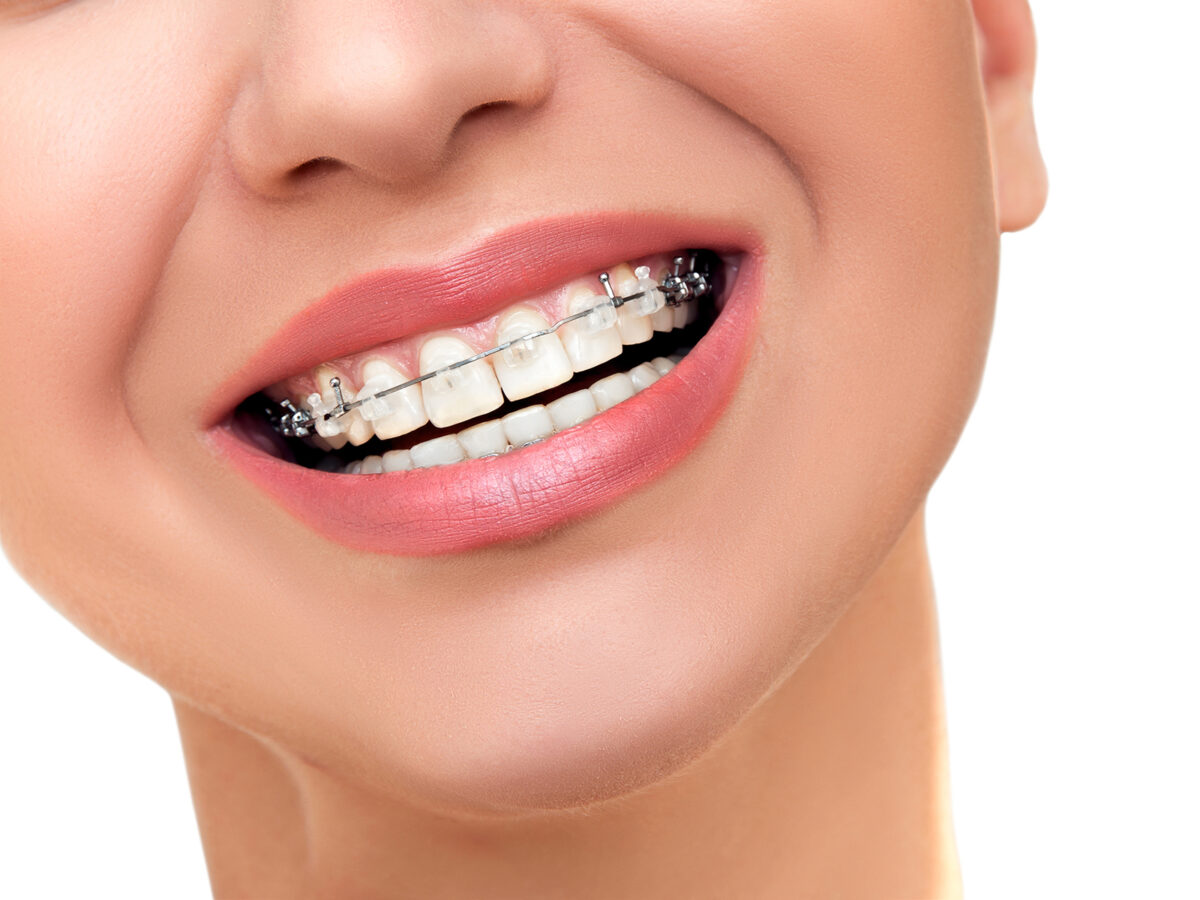
What’s the best toothpaste for braces?

We all aspire to possess sparkly, symmetrical, and aligned teeth. But, not everyone is naturally blessed with perfect pearly whites. It is noteworthy to mention that technology has been a moon when it comes to dental intervention. Nowadays, anyone can attain their ideal set of teeth within concise time frames. Using braces is the most typical method of correcting teeth malformation and misalignment. But, managing and taking proper care of braces may be tricky, and we have to be careful of our daily oral hygiene habits. Toothpaste is a fundamental part of our daily dental regimen and plays a crucial role in our overall oral health. But, braces can make things a little complicated. Let us find out which toothpaste works best with braces and why.

The perfect braces-toothpaste combination

The fact is that there is no Holy Grail toothpaste that we can use while wearing braces. Unless prescribed by an orthodontist, we can look for a toothpaste tube that ticks off the usual boxes. Toothpaste containing an optimal concentration of fluoride should be your first choice. It is an ingredient that protects our precious enamel and fights cavities. Fluoride reduces the probability of tooth decay around areas where the braces are in contact with the teeth. The lack of fluoride from our dental care may increase the vulnerability to caries.

White teeth are very desirable, and we may lean towards whitening toothpaste to achieve them. But, the general consensus is not to use them when using braces. The gritty content of whitening toothpaste, like charcoal-based toothpaste, comes in contact with only specific parts of the teeth that are not veiled by braces. The consequent result may be uneven tooth color, with the color being whiter in areas where the braces are not attached and vice-versa. Furthermore, charcoal-activated toothpaste and charcoal powder can be messy, and it may require some effort to remove all the traces of the black toothpaste or powder from the teeth and braces. Thus, a better solution is to wait till the braces are removed and then use whitening toothpaste.

Braces may cause some irritation and discomfort in the mouth. Thus, using moisturizing toothpaste becomes essential. Lastly, it is imperative to opt for a toothpaste tube or brand recommended by dentists or authorized dental associations.

Dental care with braces

While wearing braces, it is vital to take extra care of our teeth and mouth. The added effort is necessary because the surface area for plaque and tartar formation dramatically increases when using braces. The increase is because food may be trapped in between the nooks and crannies of the dentures.

We must brush our teeth post every meal – it is the best way to take care of the braces-clad teeth. Furthermore, meticulous strokes to reach every corner of the braces become crucial are significant. We can also utilize a gentle mouthwash along with dental flossing to help remove food particles and tartar. Furthermore, avoiding too many sugary foods like candies and teeth staining agents like coffee, tea, wine, etc., is also essential to prevent cavities and discoloration.

Book Appointment to find out which treatment might be best for you.
Categories
Dental care

What can I use instead of toothpaste?

Your toothpaste might not be as harmless as you think it is. From artificial sweeteners to chemicals that break down the teeth’s protective layer, there are several harmful aspects associated with its usage. If you have decided to give up using toothpaste for good or just want to switch things up, there are several alternatives that are healthier and produce the same results.

Now that you have finally decided to ditch the commercial toothpaste, here are some natural alternatives that work just as well without exposing your teeth to harmful chemicals.

Baking Soda
You might have heard about this already. Baking soda is a commonly used ingredient in teeth whitening and cleaning. You can brush your teeth using baking soda mixed with water.

Coconut Oil
Coconut oil is an ingredient that provides several benefits to your body, from improving the quality of your hair to your skin. It can also be used along with baking soda as a substitute for toothpaste. Other oils like sesame and sunflower can also be used for oil pulling to keep your teeth clean.

Sea salt
Another effective substitute for toothpaste is sea salt. Sea salt can effectively clean all parts of your mouth and keep it free of harmful bacteria. Make sure that you dilute it with water before using it so as to avoid abrasion of the teeth.

Essential oils
Essential oils like peppermint, cinnamon and eucalyptus can work wonders for your oral health. Use a couple of drops of essential oil mixed in water for cleansing your teeth, and you will get an observable improvement in your teeth’s shine and health.

Hydrogen Peroxide
One of the popular ingredients used for cleaning teeth is hydrogen peroxide. It helps fight off the bacteria present in the mouth and also keep the teeth spotlessly clean. Hydrogen peroxide should also be diluted before using it as an alternative for toothpaste. It should be noted that hydrogen peroxide should not be used in case you have artificial fillings.

Natural Soaps
Natural soaps that are used to clean the body can also help in cleaning your teeth and keeping them free of bacteria. You can go for flavors like peppermint to avoid getting a soapy taste in your mouth after brushing.

It is important that you thoroughly rinse your mouth after using any of these natural ingredients instead of your toothpaste. There are several other substitutes that can help you move on from conventional toothpaste and keep your teeth clean and healthy.  Some herbal tooth powders are also available commercially. These generate results like toothpaste without putting your health at risk. You can learn more about ways to properly care for your teeth by visiting your dentist regularly. Getting your oral health checked routinely is extremely crucial. Make sure that you book an appointment with the dentist to find out how healthy and safe your teeth are and if you require updating your oral care routine.

Book an Appointment to find out which treatment might be best for you.
Categories
Dental care

All about dentin It’s function and importance

A smile is the prettiest thing you can wear. Now imagine yourself smiling; you wouldn’t want your teeth to look yellow. Do you? Our teeth comprise the outer hard enamel, The dentin underneath the enamel, The dental pulp that lies soft and encased within the dentin, and The cementum that lies over the dentin and helps attach the tooth to the jaw.

What is dentin?

The soft portion between the enamel and pulp is called dentin. They are formed from the odontoblasts of the pulp’s uppermost layer. It initially forms pre-dentin, which then matures into dentin.

Dentin is classified into two categories, the primary, the upper part of dentin near the enamel; the secondary, the part that is in contact with the cementum; and the tertiary, the one that forms when enamel corrodes.

Dentin’s function

Its primary function is to support the structure of enamel. Due to it’s softer texture than enamel, it helps in absorbing the pressure from eating. It is responsible for transferring the impulses from the enamel to the pulp, where the nerve ending in the pulp would receive the signals. It also acts as cushioning for the pulps.

Dentin and Decay

The moment we look at someone, we judge the health of their teeth based on its color. We know yellow would imply unhealthy teeth, and black or grey would indicate a cavity. Most of us would understand that Enamel degradation has a significant role in our teeth’ yellow coloring. When the top layer of teeth, enamel degrades, dentin’s layer would be visible. This dentin gives teeth a yellowish color. That’s the reason unhealthy teeth are associated with discoloration. The unveiling of dectin causes the teeth to be brittle; the edges of teeth would become rougher as enamel erodes. Moreover, dentin exposure would cause a condition, namely Dentin hypersensitivity.

What is Dentin hypersensitivity?

Dentin hypersensitivity is the condition due to dentin exposure to thermal, chemical, or osmotic stimuli, thereby causing extreme sensitivity and pain. It is one of the most reported dental issues. As the enamel corrodes due to cavity or acid imbalances, the dentin is exposed to various stimuli, and disparity in pH may cause sensitivity. Dentin is 70% mineral, 20 % organic matter, and 10% water, unlike enamel, 45 % mineral, 34 % organic matter, and 21 % water. The mineral that makes up dentin is called hydroxyapatite, which will not demineralize as much as enamel when it undergoes an acid challenge. The bulk loss of a layer is relatively much lesser in the case of dectin. This is also the reason why it is regenerative. But there is a negligible amount of dectin loss due to frictional forces.

The dentin contains tubules of cells and fluid. This gives the dentin a degree of permeability, which can increase painful sensations and accelerate the progression of tooth decay. As the pain and sensitivity affect one a lot, the consumption of hot and cold eatables would hurt.

Care and Prevention

As mentioned above, dectin is regenerative, but bacterial growth should be in control. To achieve that oral hygiene is the only solution. Coarse tooth brushing, Grinding of teeth, The overuse of abrasive agents for tooth whitening, Accumulation of plaque should be avoided. In Gum recession, fractured teeth, or any other dental problem, visit the doctor. Also, a regular appointment with the dentist would be helpful.

Book Appointment to find out which treatment might be best for you.
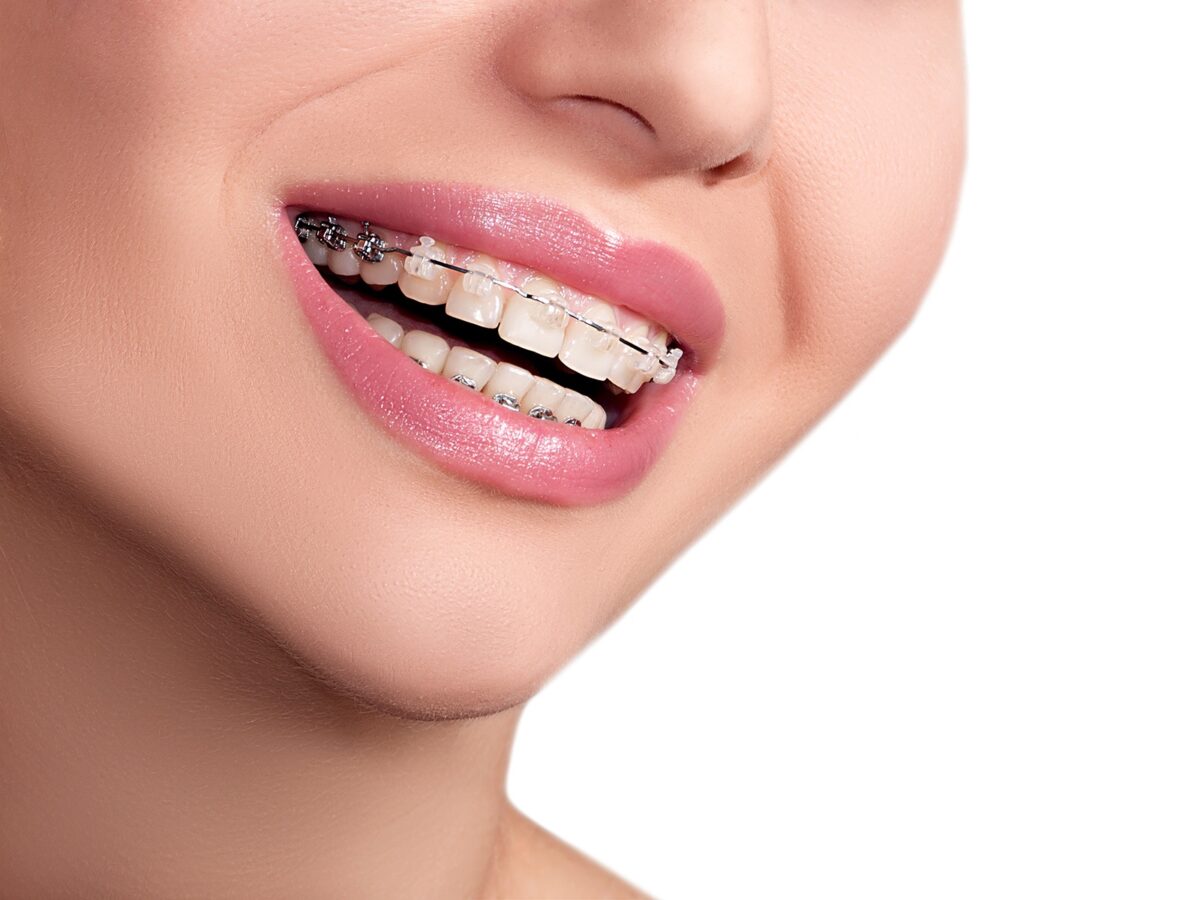
Categories
Dental care

What is the difference between the different types of dentures?

You could lose teeth because of many reasons such as periodontal disease, tooth extraction, ageing, facial injury, poor oral care, etc. With missing teeth, your facial muscles sag over time. So one needs dentures to fill out the facial profile. Dentures are also a necessity for people with missing teeth as it helps them eat, chew, and speak normally.

A denture is a man-made removable set of teeth that you can put in place of your missing teeth. In this article, we will find out about all the different types of dentures and what differentiates them.

Types of Dentures
The common types of dentures are listed below:

  • Complete or full dentures – These are traditional dentures that are suitable for a person who is missing all his teeth. These are removable replacements for the entire set of teeth. They are of two types:
  • Conventional – These dentures sit on top of the gums and are typically placed 8-12 weeks after the teeth have either been removed or extracted.
  • Immediate – These are made in advance and can be put in position as soon as the teeth are removed. These dentures require more adjustments as the bones and gums shrink during the healing period.
  • Partial Dentures – These dentures are used for patients who still have a few of their natural teeth intact. Partial dentures prevent the other teeth from moving.
  • Partial removable denture – This is a good option for those who prefer removable dentures. The denture consists of a gum-coloured plastic base that is attached to a metal framework that keeps the denture in place.
  • Partial Fixed dentures – These dentures are non-removable.
  • Implant-Supported Dentures – These are useful for those who need added retention because of bone loss. In these, a dental implant is used to support dentures stay securely in the mouth. The denture gives a lot of support for anchorage and a solid foundation. These implants look natural and blend without being conspicuous and last long.
  • Snap-in Dentures – Snap-in dentures provide maximum stability amongst other dentures. They use dental implants or anchors to stay securely in place onto the existing teeth. They are unique because of the locator attachments that are embedded onto the tissue side of the denture. These locator attachments can snap into the locator receptors or dental implants. They are extremely convenient and removable. Snap-in dentures are used for patients who do not have any teeth, but their bones are strong enough to support an implant.
  • Custom Dentures – These dentures are more expensive as they are made from more expensive teeth and give you a more natural-looking smile. These dentures are customized to suit your mouth and facial structure.
  • Overdentures – It is a removable denture that sits on top of the gums. It is supported by dental implants and can be placed on either the upper or lower jaw, as needed by an individual.
  • Economy Dentures – These are cost-effective dentures but very generic and do not usually fit comfortably or securely in the mouth. They also look fake and require denture adhesive to make them fit more securely.

Book Appointment to find out which treatment might be best for you.
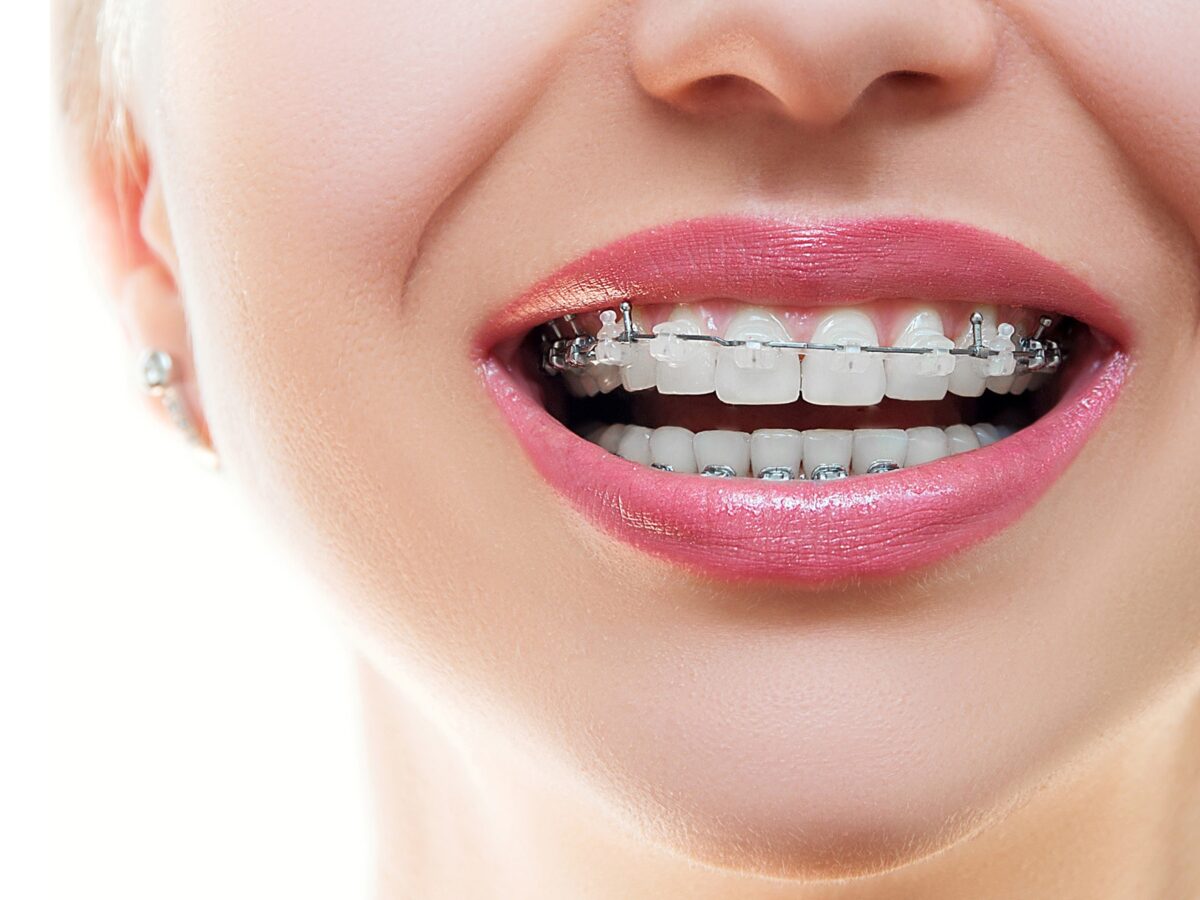
Categories
Dental care

What is Linea Alba?

A very common condition that people experience is a white line on the inner side of their cheek. This is known as Linea Alba in medical terms. You might have come across this lining while brushing your teeth. Since this condition does not cause any pain, you do not have to worry about it. But what causes this white line? Think of it as a callous formed in your cheek. People who have a habit of biting their cheek are more likely to develop this condition.

Linea Alba is a condition in which the inner tissue of your cheek, also known as buccal mucosa hardens. This results in the formation of a white ridge in the pink tissue of your cheek. This hardening is due to the deposition of a material called keratin. The main reason behind this condition is the friction between the teeth and the soft layer of the cheeks. The condition in itself does not lead to any major discomfort or pain but needs to be managed to ensure that it does not get thicker over time.

Causes

Just like your fingers develop calluses when you play an instrument like guitar frequently, a similar callus is formed in your cheek with repeated biting and grinding. The condition could be a result of any of these:

  • If your teeth are uneven and they constantly grind or slide against each other.
  • People with dentures that rub against each other may also experience this condition.
  • Wearing orthodontic gear could lead to the formation of this white line.
  • People who brush or floss too hard and too much may end up with Linea Alba as well.
  • If you have a habit of clenching your jaw too hard, you could be at risk of developing this white line.

Biting into the hard-line will only make it thicker. Therefore, you need to stay away from biting into the cheeks if you have Linea Alba.

Care

As long as you do not further bite into your cheeks and disturb the line, you would not have a problem. If you have a habit of grinding your teeth, you need to get rid of it to prevent this ridge from forming. If the problem is arising due to dentures, get them adjusted by a professional to prevent them from rubbing against each other. You need to break the habit of chewing into your cheek as it will worsen the situation for you.

While this condition is not exactly harmful, you still need to get it checked by a dentist. They can ensure that the line is actually Linea Alba and not any other harmful condition like canker sores. Some conditions like leukoplakia that resemble this white line are actually quite dangerous. Therefore, you need to be sure that the white line is just a hardened layer of keratin. If you have recently discovered this white line, get the opinion of your dentist as soon as you can.

Book an Appointment to find out which treatment might be best for you.

Categories
Dental care

How to Stop a Child from Grinding Their Teeth at Night; Tooth Decay and its Perils

“Oh! How horrified I felt that day when my son was in great pain. He couldn’t sleep all night.” When I asked his mother for knowing the reason behind the chronic pain in his teeth, she told me that Sam’s habit of chewing gum and frequent grinding of a molar tooth is behind it.

“As a father, I didn’t sleep that night and tried to avail online-consultation from the best dentist, but even this slight effort went in vain because the effect of pain took an entire night to go away.”

This is the plight of many parents who are experiencing their kids losing their teeth. This is due to gradual decay and damage that happens because of bad oral habits.

Why do kids clinch their teeth?

  • Most kids are habitual of grinding and clenching the upper jaw or lower jaw tooth when the food particles get stuck at it. Owing to a vulnerable age and being a bit lazy, they perceive that grinding of the tooth deposited with food particles might let it go away. Perhaps this is the point where decaying of tooth and tooth pain emerges from this cause.
  • In terms of medical sciences, Bruxism is the name given to teeth grinding that causes several oral health complications.

Reasons of Why Kids Grind their teeth

  • In most adults, teeth grinding occurs due to anxiety and stress, but what it has to do with kids, because their life is carefree.
  • Many reputed dental organizations have found that kids below 12 years of age grind their teeth because of the abnormal bite or crooked teeth.
  • If your kid doesn’t sleep early at night and as a parent, if you have observed the disoriented pattern in his sleeping hours, then it might be the reason for causing sleep disorder.
  • It is often assumed that kids grind their teeth while sleeping.

How To Find If Your Child Grinds Their Teeth?

  • From the facts inscribed in the medical sciences, it has become quite evident that grinding usually occurs during sleep. Most kids aren’t even aware that to reduce/remove pain, they grind their teeth.
  • In a few cases, children have shown early symptoms of Bruxism. For example, when children wake-up feeling a constant headache or find soreness in their jaws.
  • Children are often told by their mothers or siblings that they grind their teeth as they hear the grinding at night.
  • If you have been hearing the echo of grinding, then consult a dentist before it’s too late. It is crucial to early diagnosis and examination of mouth and jaws, and for analyzing the effects of Bruxism like jaw tenderness and excessive wear on teeth. This could save a child’s teeth from getting fixed with root canals.

Is Teeth Grinding Worrisome or Merely An Acute Pain?

  • From the dental facts, it is revealed that fracturing of the teeth structure or even loss of the molar tooth is the impact of teeth grinding.
  • The frequent grinding of teeth causes chronic pain responsible for wearing teeth down to stumps. During the time of occurrence of these events, bridges, crowns, dental implants, and even root canals to fix the teeth’s structure from further disorientation.
  • Besides, loosening the tooth, grinding damages the jaws and often affects the appearance of the face too.

How to Combat and Limit Teeth Grinding

  • Avail a mouth guard for your kid because it will protect your tiny tot’s teeth from getting ground further during sleep.
  • For some time, avoid giving your kids all those foods and drinks that contain caffeine like colas, chocolate, and coffee.
  • Stop your child from chewing on pencils, pens, or even nails because only then the jaw muscles of your child would not use more clenching.
  • There is another alternative that can prove more helpful in easing the pain of the loss of teeth.

To accurately diagnose your child’s dental issues, always consult your nearest dentist and take timely care of your child.

Book Appointment to find out which treatment might be best for you.
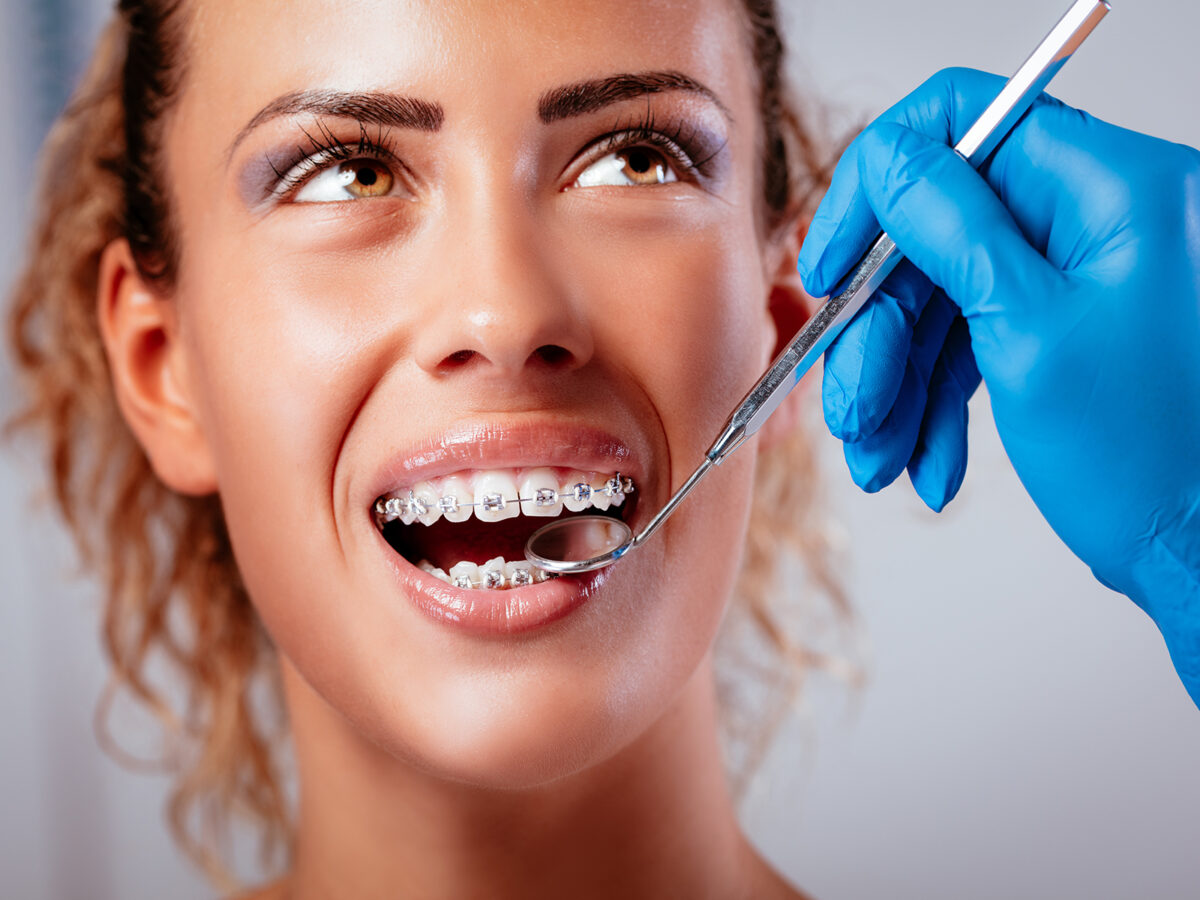
Categories
Dental care

Do Horseshoe Dentures Work?

When you think of having dentures, you imagine the most common ones, consisting of an acrylic-pink palette covering your natural gums. Although they are an appropriate option to go for, having a whole set of teeth without having proper sensation as your gums are covered doesn’t make you feel too good about it. Horseshoe or Implant-Retained dentures can help you have both a natural look and sense receptors, which you don’t get to experience with other dentures due to the palette. There are various complications associated with the traditional dentures that make the horseshoe dentures even more desirable.

You might still have false teeth with horseshoe dentures, but you will have a more natural look in terms of gum sensation and taste buds that will make your food taste much better.

Now before we review the working of these dentures, let us also discuss what Horseshoe dentures precisely are. And how do they exactly fit into your mouth? Over time, the demand for horseshoe dentures has been increasingly high due to its stability and comfort factors.

What are Horseshoe dentures?

Implant-Retained Dentures or Horseshoe Dentures are the dentures that clip onto your dental implants, rather than leaning onto your gums. These are securely clipped on your gums, enabling you to have stronger and steady teeth. However, you have to remove them while cleaning. Implant-retained dentures take a while to set, yet are the most affordable solution for your denture difficulties.

Horseshoe Dentures Paired with Dental Implants

Usually, Horseshoe dentures are of a horseshoe shape for it to appear less bulky. They rest on the gums in the upper as well as the lower denture. Additionally, setting the implant-retained dentures on the upper denture demands an added number of dental implants juxtaposed to the lower denture for proper support. All the dentures need an acrylic palette to snap on to the jaws, whereas implant-retained dentures use dental implants for preventing the denture from knocking out of place. The reason behind it is that the dental implants clip into the jawbone, which gives the dentures its stability.

Moreover, due to its specific shape, it eradicates the need to have an acrylic palette capping the gums. The most significant advantage of this is having natural gums and its sensations without letting you be concerned about the artificial teeth. Besides the natural and steady look, another benefit that makes the horseshoe dentures stand out is that you can remove it for cleaning or while sleeping.

These are extremely helpful in the process of teeth loss because as the jawbones get weaker, you begin losing your teeth, and the only alternative you are left with is wearing a denture. Dental implants not just make the dentures feel comfortable but also protect your jawbones from any further bone density loss.

Concluding this, dental implants can make the procedure of horseshoe dentures comfortable and get rid of the difficulties that you encounter following teeth loss or with using other kinds of dentures.

Visit your dentist to get proper advice on dentures.

Book Appointment to find out which treatment might be best for you.
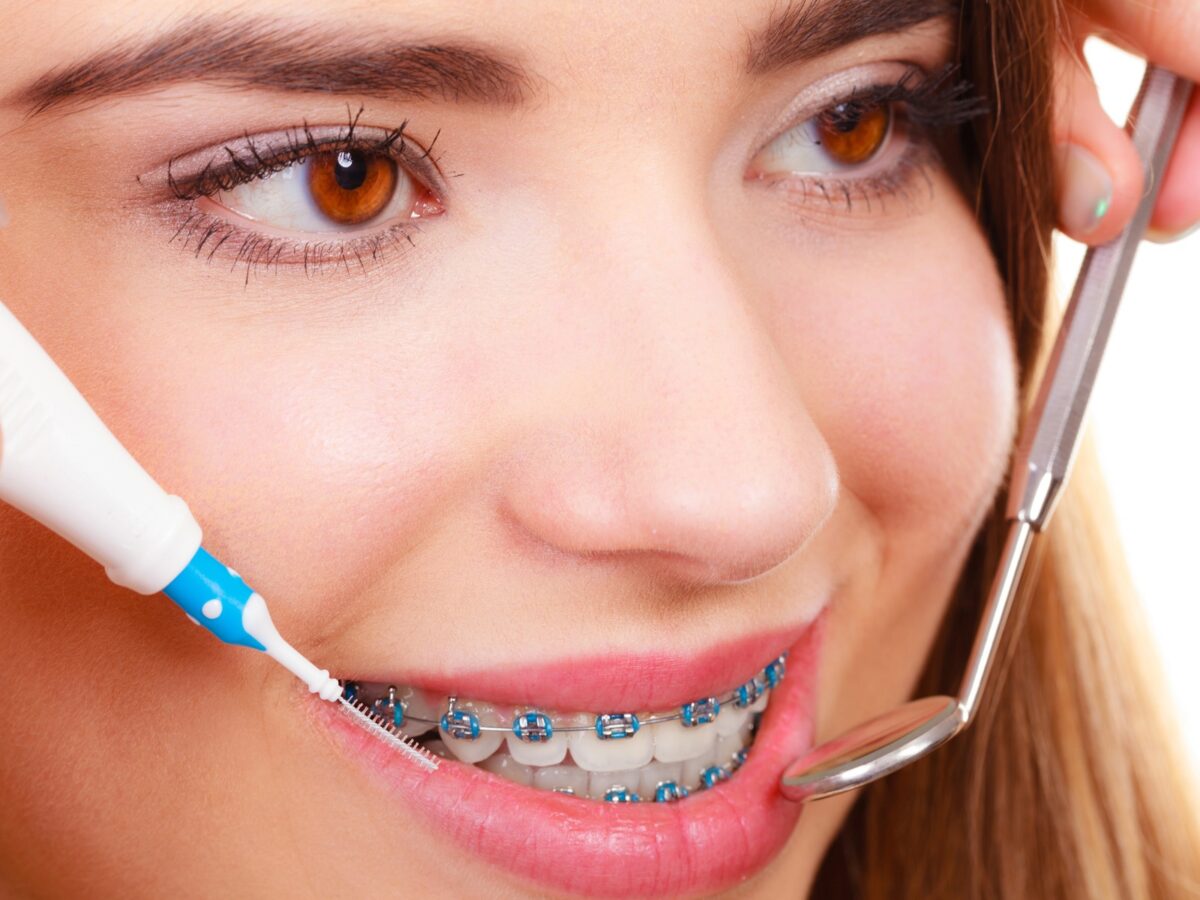
Categories
Dental care

How to Inculcate Healthy Oral Habits in Children?

Good habits are inculcated best when they start early! And what could be essential than making your kids adopt a healthy oral hygiene routine? Making them understand how important a healthy mouth is at a young age, makes sure that they always maintain oral health throughout their lives.

Here are some of the things children can do, right from their earliest days in order to inculcate a healthy habit of maintaining regularized oral hygiene.

  • Use Video/ Reading Material:Teaching something becomes much more efficient when you are having additional support of audio/visual aids. These help you in accelerating the process of learning for your kids. These interactive measures can help you understand how your child will learn the benefits of keeping their oral hygiene maintained and in its upkeep.
  1. Let Them Learn by Example: The best way to learn is by setting the right example. When you set a precedent for your children, they will follow suit with you. The best way is to brush and floss with them so that they can see the right way to do it. They will also learn the importance of doing the same when they see you do it and enjoy the whole process altogether.
  2. Warn Them About the Potential Risk: The best stories that worked for kids, were the ones that had a clear good guy- bad guy anecdote. So when teaching kids the goodness of maintaining oral health, it is necessary to let them know about the flip side, when they don’t pay attention to their teeth. Although, let them enjoy brushing and flossing and don’t make it an activity they undertake out of fear. Therefore, learn to strike a balance.
  3. Take One Thing at a Time: There are so many steps that are to be undertaken while taking care of your oral health. Take your time in teaching the procedure and importance of each step patiently. Start from brushing and then go on to flossing, each of these is imperative hence, making the child understand each is important.
  4. Try Different Things for Toddlers and Different for Older Children: When your child is in the age group of 2-3 years, you need to try specific techniques with them. Use very soft-bristled brushes. Taking smaller steps, you need to maintain at least brushing twice-a-day routine. When it comes to older kids, use the same soft-bristled brushes that you need to replace every three months. Likewise, make sure that you make appointments with a dental health practitioner at least twice a year for your kids
  •  Use Effective Rewards: Kids enjoy nothing more than being given rewards for good behavior. Rewards not only leads them to follow those practices but also helps in giving them positive reinforcement to continue those practices in life.

As they say, learning as a child is learning for life. So why should you let your oral health lag behind? If you have little kids, this is the right time to get them habitual to good oral health care routines. Make sure that you follow a schedule every day and you help them with it. Let it be the start to a great, shining, and radiant smile all their lives.

Book Appointment to find out which treatment might be best for you.
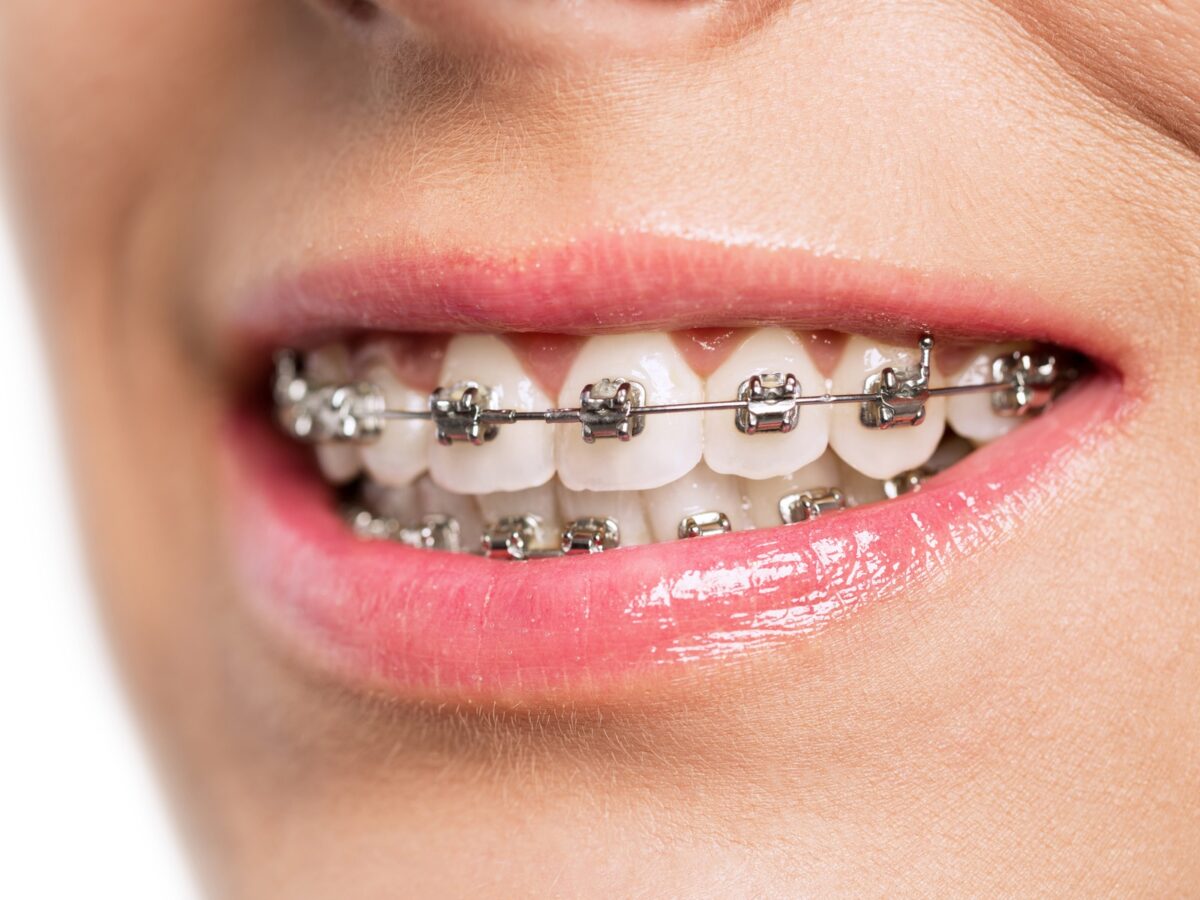
Categories
Dental care

Is your child getting enough fluoride?

Fluoride is the best way to prevent the development of cavities in your child. This mineral works like magic in fighting against harmful bacteria in the mouth, which may lead to the formation of plaque. Tooth decay or cavities can be painful and troublesome, especially for children. To save your child from this ordeal, make sure that they are getting an adequate amount of fluoride. It is a mineral with excellent benefits to you and your child’s health. Commonly found in soil, water and many food items, it is also incorporated in toothpaste, mouthwashes, etc.

Monitoring the amount of fluoride your child gets can go a long way in ensuring good dental health. Its main job is to provide strength to the enamel, which in turn prevents the development of cavities in teeth. It additionally reverses any damage that has already happened to your child’s teeth.

Sources of fluoride:

Fluoride is derived naturally from water, air and soil. It can also be found in certain food items. Consuming water added with fluoride can prevent and reverse many signs of tooth decay in both children and adults. Children can get adequate fluoride just from using the right toothpaste and mouthwash. Supplements of fluoride are also prescribed by healthcare professionals in case of its deficiency.

How to know that your child is getting enough fluoride:

The only way to know that your child is getting enough fluoride is to regulate the amount. Too much fluoride is just as harmful as too little.

Many countries add fluoride to their drinking water. This prevents the development of cavities or tooth decay in young children. Pick fluoride-containing toothpaste for your child. Make sure that they do not swallow it, as this can prompt difficulties in their oral health and wellbeing.

If your child consumes fluoride-free bottled water, they might be at risk of tooth decay. It has been observed that young children who drink bottled water develop more cavities than those who drink water containing fluoride.

Excess of fluoride can lead to a condition known as dental fluorosis in young children. Using high doses of fluoride when the teeth are still forming inside the gum can lead to their discoloration. This can be seen as several white spots on the teeth. To prevent this, ensure that the children do not swallow the toothpaste and only use minute quantities while brushing.

Fluoride is extremely vital in maintaining good dental health. To keep track of whether your child is getting enough fluoride through their toothpaste, visit a dentist. They can make sure that no cavities are developing and the enamel of your child’s teeth is healthy and intact.

Book Appointment to find out which treatment might be best for you.
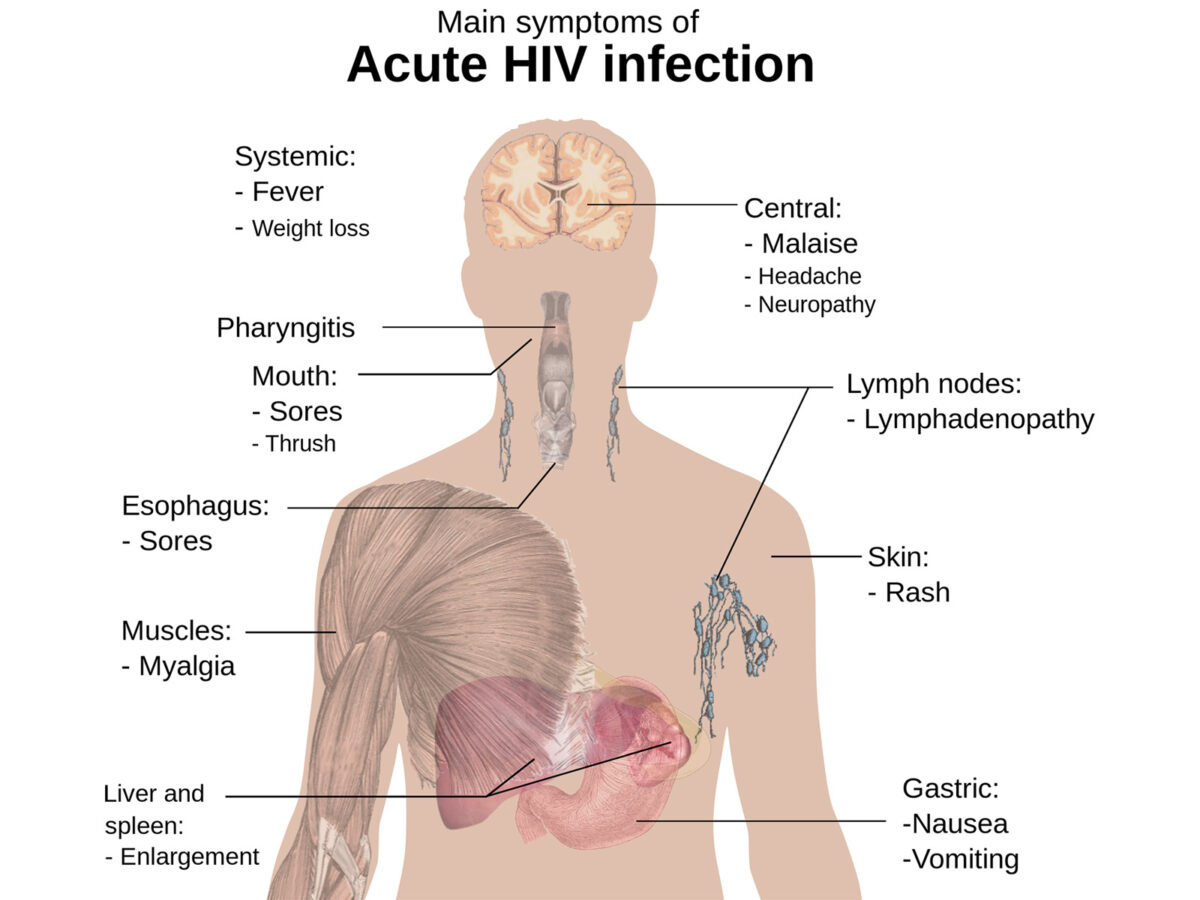
Categories
Dental care

What is the masticatory system?

Out of many functional systems that exist in a human body, the masticatory system controls the process of chewing, swallowing and speaking. Broadly speaking, it comprises the jaw, teeth, temporomandibular joints, lips, cheeks and masticatory muscles.

Mastication, which is known as chewing in layman terms, is the process of breaking down the food particles into smaller pieces which makes it easier for the enzymes to act on them. This enzyme further causes the chemical breakdown of the food. The chewed food is turned into a bolus after mixing with saliva, which makes swallowing easier. It is a vital automatic movement that ensures that the body can easily digest the consumed food to generate energy.

Parts of the Masticatory System

The masticatory system can be divided into three broad categories, each with a separate function.

  • The teeth – Humans have a set of 32 permanent teeth. These are made up of enamel which is the covering of the crown, cementum which comprises the roots, the inner layer of dentin and the pulp which has all the nerves and blood vessels. Teeth perform the main task of tearing the food particles into smaller pieces.
  • Periodontium – It comprises the gums or gingivae, jawbone and a cushiony periodontal membrane. The function performed by periodontium is holding the teeth in place to ensure easy chewing.
  • Articulatory system – This comprises the muscles of mastication, temporomandibular joints and occlusion. The masticatory muscles include masseter, temporalis, medial and lateral pterygoid. These muscles control the movement while the TMJ makes it possible for chewing to occur. Occlusion or how the teeth are arranged concerning each other is responsible for the grinding of food.

Role of the Masticatory System

This system aids in the first step of digestion. In the absence of this process, the food will have to be swallowed as a whole which would make the process of digestion or complete breakdown of food extremely difficult.

It is also relevant in the field of prosthodontics. The dental restorations are designed as per the chewing habits of the individual. This ensures that they can chew properly even after restoration.

The process of mastication is rhythmic. The opening and closing of the jaw make chewing possible. The lower brainstem regulates this rhythmic movement. The process can be fastened, slowed or even stopped voluntarily.

Disorders of the Masticatory System

Some of the major physiological problems associated with the masticatory system include-

  • Limited ability to open the mouth
  • Facial or ear pain
  • Headaches
  • Jaw joint noises
  • Pain in jaw joints
  • Pain in muscles of mastication

The masticatory system is thus a crucial part of the body that ensures that the food is easily digested by converting it to a smaller, more soluble form. This system has to function effectively to ensure the oral and overall well being of an individual. In conclusion, ensure to consult a trusted general dentist or orthodontist to avail suitable treatment for such conditions.

Book Appointment to find out which treatment might be best for you.

Categories
Dental care

What is the difference between dentures and bridges?

If you have lost a tooth and are left considering some solution for it, then do not worry, there are several options for replacing it. The most commonly used are dentures, bridges and implants. But what is the difference between dentures and bridges? Deciding which method of replacement out of these will suit you the best is the first step in getting a full set of functional teeth. This can depend on several factors like the number of teeth lost, existing dental health, etc.

Why Dealing With Missing Teeth Is Important?
Replacing the missing teeth is crucial for your oral health. Not only is affects the way you look, but there are also several other harmful effects of having a tooth gap:

  • The surrounding teeth can rotate into the empty space.
  • Biting food is affected.
  • It also has an effect on the speech of the person.
  • Gives a displeasing look to the face.
  • Makes your teeth less functional. The strain on the neighboring teeth increases.
  • Food may get accumulated in the gap leading to tooth decay.
  • Can be the cause of various diseases such as TMJ and gum diseases.

DENTURES:
Dentures or false teeth are removable replacements. They can be partial or complete spanning over an entire arch. Dentures are attached to the teeth temporarily by clasping them. They have to be taken out while sleeping and can also be removed to clean. They are attached to a plate making the removal easier.

People opt for dentures to have a natural-looking restoration of missing teeth which isn’t permanent. In case there are odds of losing more teeth, later on, dentures are preferred over other methods as they can be removed later.

BRIDGES:
Bridges are usually chosen when a few teeth have to be replaced. They are permanent artificial teeth that are held in place by bonding to the surrounding teeth. The neighboring teeth fitted with crowns help keep the new tooth intact. Bridges are custom made for individuals by measuring the tooth gap.

Various types of bridges such as those made up of metals, alloys and porcelain are available to choose from. Bridges are not preferred when the full set of teeth needs replacement.

What Method Would it be a Good Idea for you to Pick?
Understanding what is the difference between dentures and bridges makes it easier to decide which method is more suitable for an individual. If you are looking for a permanent and hassle-free solution to missing teeth, bridges are better. The drawback of having dentures is that they have to be regularly cleaned by removing them which can be time-consuming and cumbersome. Dentures come into use when the number of teeth needing replacement is high as bridges cannot replace a full set of teeth. Other methods like dental implants which are permanently inserted into the gums can also be used to replace lost teeth.

Book Appointment to find out which treatment might be best for you.
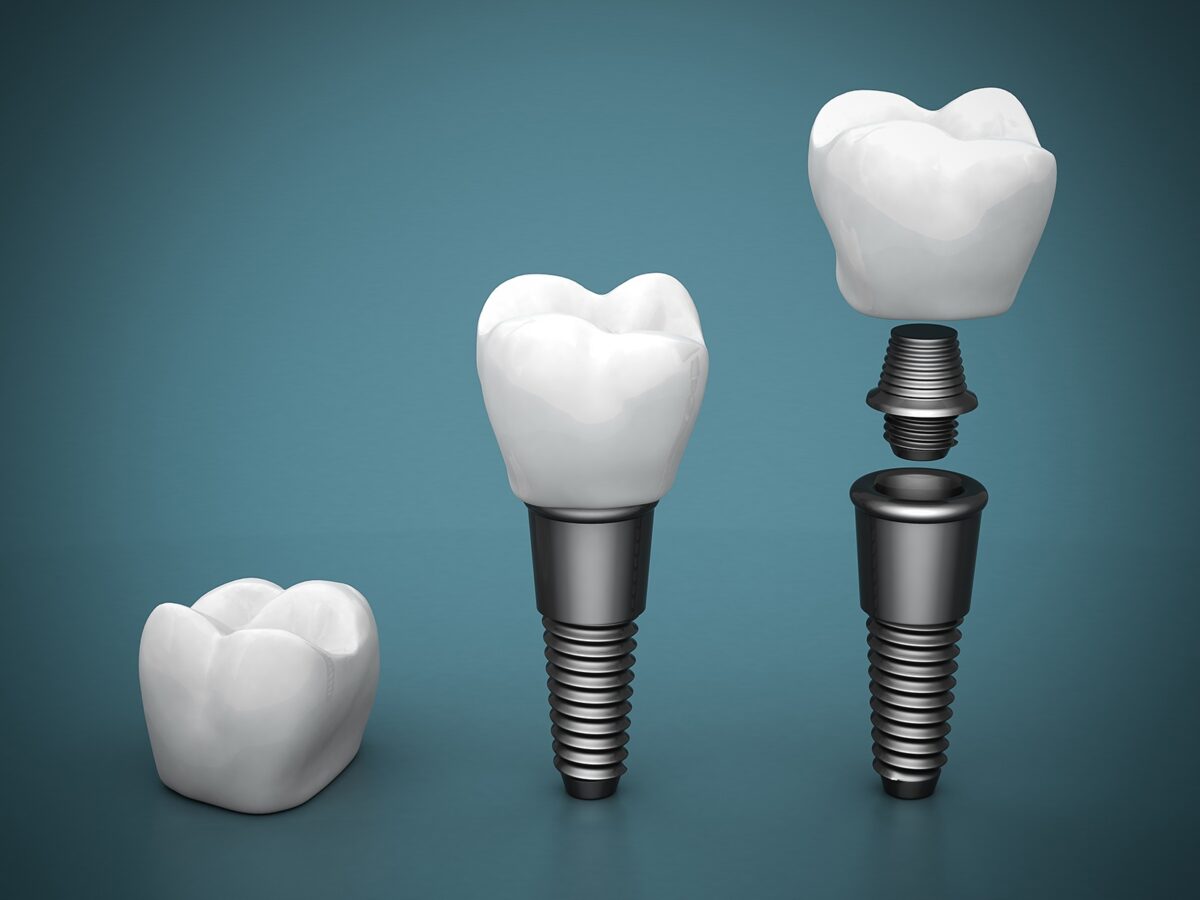
Categories
Dental care

How to break a thumb sucker habit

Thumb sucking is a natural activity that is supposed to help the children, soothe themselves and feel relaxed. It’s also a kind of habitual behavior that teaches the infants to intake the nourishment. So, thumb sucking is familiar to babies, toddlers and infants. However, some continue it even in the school-going age, and that creates a problem.

In some cases, it is the result of the lack of intervention of the parents. While, in others, even continuous intervention doesn’t help. So, there are certainly some significant reasons for the continuation of this habit as mentioned below.

Causes and consequences of thumb sucking in Adults
While most children quit thumb sucking till the age of 5, some continue till adulthood. Not much is known of the actual reasons behind the different tendencies. Still, there are two possibilities for this: first, the children might tend to practice the activity in private, keeping it hidden from the parents. This will off-course prevent any intervention of the parents as they are unaware. Secondly, it may also be a disorder.

Now, thumb sucking is not a significant issue until the child has baby teeth. But, once the permanent teeth have erupted, thumb sucking will cause misalignment of the teeth. Then misalignment may also cause severe orthodontic issues in the long-run.

Besides this, the loss of oral health, drying of the thumb and cracks in it, speech problems, etc. are the other harmful consequences.

Methods to stop the habit of thumb sucking
The thumb sucking habit needs to be stopped to ensure excellent thumb growth and best oral care. There are various methods to break this habit in children, but a few for adults.

For Children:

  • Ask a child: As many children may not realise that they are into this activity, so the parents must curiously ask them about the reason for thumb sucking. Does it feel good to them?
  • Watch a show together: One unusual method then can be to watch a show which talks about breaking the thumb sucking habit and then discuss it with the child.
  • Observe the pattern: To observe and identify the pattern and timing of the thumb sucking will let the parents have the clarity because then the child can be given some other distraction as per the requirement.
  • Rewards and incentives: It may not work for everyone but can be tried. If the child is offered a toy for not sucking the thumb, he may gradually get distracted and leave it.

For Adults:
Adults are mature enough to make the correct choice. They will need to have strong will power and determination to stop the habit.

  • Working with a therapist can work if anxiety is the reason behind the habit.
  • Stress-relieving exercises, mediation and exercises may help.
  • Setting reminders not to do so can help to improve.

Thus, thumb sucking tends to become a significant issue, especially in adulthood. So, the child and the parents will have to be careful and seek the appropriate method to get rid of this.

Book Appointment to find out which treatment might be best for you.
Categories
Dental care

Are gummy vitamins bad for kids

Gummy vitamins are sweet and look like candy. They are extremely popular amongst the parents who give these to their children to meet their vitamin needs. They believe that these gummies can be accepted readily by the children, and thus they can deliver the right nutrients to them. Though these gummies are carrying some amount of vitamins, depending only upon them is not at all a wise idea as they may not be enough.

What are Gummy vitamins?
Gummy vitamins, as per the name, are the chewable candy-like vitamins. They come in a variety of flavors, shapes, and colors. Due to their attractive color and sweet taste, they are appealing to the children, especially to those who do hate the swallowing pills.

These gummy are made up of gelatin, water, corn starch, sugar, and food color, and the popular flavors include raspberry, lemon, orange, and cherry. Coming to the nutrients, they contain vitamins and minerals, specifically calcium and vitamin D. These are readily available online or physically available at the health food stores.

Importance of vitamin D and Calcium
Vitamins and proteins are the necessary minerals for the growth of the body. Amongst all those vitamins, Vitamin D is an essential vitamin that helps the children develop robust bones and also keeps the adults from Osteoporosis. Thus it makes it necessary for the kids so that they have proper growth. The children must, therefore, have a regular checkup for the amount of vitamin D in the body and then take the diet accordingly.

Well, these days, parents prefer beyond multivitamins, instead of just the vitamins or the proteins. This takes them towards the supplements, serving all in one.

Benefits and side-effects of gummy vitamins
Apart from the sweet taste and easy availability, there are some more benefits of the gummy vitamins:

  • are loaded with the required nutrients.
  • They are easy to chew and full of flavors.
  • Acceptable to the kids.

Besides all these pros, the gummy vitamins have various downsides:

  • Gummy vitamins may contain added sugars, colorings, or sugar alcohol.
  • They tend to have a lot more nutrients than regular multivitamins, which may pose threats.
  • May contain more vitamins than the listed.

Is it right to take them?
Many people prefer to take these gummy vitamins instead of other multivitamins. But one needs to understand that the person having a well-balanced diet does not need these gummy vitamins. However, these gummy vitamins may be beneficial for the population, including those who have nutrition deficiency, or absorption issues.

Gummy vitamins may also be beneficial for the children who do not consume a proper diet as well as who face difficulty swallowing pills. However, it is essential to prevent them from having too many gummy vitamins, as overconsumption may cause mineral toxicants. Thus, it is suggested to keep the gummies out of reach of the children or give them a regulated number. Otherwise, it may adversely affect their health.

So for a safe side, we must be cautious about it!

Book Appointment to find out which treatment might be best for you.
Categories
Dental care

What are the benefits of dental sealants

There are lots of tools and methods widely used for the protection of the teeth and their shine. From the basic activities like brushing and flossing every day to getting a dental visit periodically, you try everything. One such tool is dental sealant! The concept of dental sealants was first introduced in the early 1900s. Now it’s been long, and a lot has changed in the application and materials used. However, these changes have made dental sealants more useful than they were before.

What are dental sealants?
Dental sealants, also called pits and fissure sealants are the thin plastic coating applied at the surface of the molar or premolar teeth. The coating quickly sticks to the chewing surface providing protection against decay and guarding the pits and fissures of our teeth. Now the sealants are not at all a substitution for brushing and flossing, but additional protection.

Procedure to place the sealants
Placing dental sealants is an easy procedure with a few necessary steps involved. If you are amongst those wanting an alternative to fillings, have a look at the steps below:

STEP1: Cleaning the tooth
First of all, the dentist will clean the tooth, so that the coating adheres to the surface. Cleaning is done with the help of a small brush attached to the dental drill.

STEP2: Conditioning the surface
This is a preparatory step and consists of applying an etching gel on the surface. This is done with the help of a brush, a cotton pellet, sponge, and other applicators. The etchant is allowed to rest at the surface for around 60 seconds and then washed.

STEP3: Evaluating step 2
After washing the tooth thoroughly, the dentist will use the air syringe to blow the tooth dry and check if the conditioning is done effectively. The conditioned part of the tooth must look frosty, white, and dull.

STEP4: Applying the sealant
The dentist will now apply the sealant, which is a liquid plastic coating on the grooves of the teeth. This is done with a brush or a syringe. You need to know that the sealant is filled only in those areas of the tooth where it has pits and fissures.

STEP5: Setting the sealant
After positioning the sealant, a blue cloured dental flashlight is shone on the applied sealant. The light acts as a catalyst to trigger its functioning.

Benefits of dental sealant
Dental sealants are mainly recommended for a child and teenagers who are prone to frequent cavities and decays. Apart from acting as a guard against the cavities, there are following benefits of fitting a high-quality dental sealant:

  • Applying dental sealants is a painless procedure.
  • Sealants provide an additional back to the oral care routine.
  • Dental sealants last as long as 5-10 years.
  • Sealants have an easy repair and maintenance process.
  • Dental sealants keep away the severe dental issues.

Since their inception, the dental sealants have been widely used for the patients at the dental clinic. You only need to make dental visits to get the worn or chipped sealants fixed.

Book Appointment to find out which treatment might be best for you.
Categories
Dental care

How to clean braces effectively

Braces are the dental tools to straighten and correct the teeth. No doubt, they are worth making a future investment, but the only thing is the user has to know every detail about them before wearing, most importantly, the care it is to be given. After knowing the steps to take care, one can get committed sincerely to oral health even during the orthodontic treatment.

Why Should You Clean Your braces?
Braces are for the improvements in the teeth not to worsen their condition. Thus, it is very important to clean them from time to time and keep up the oral health. Moreover, not cleaning the braces invites decay. The process is very easy, starting with the accumulation of the small germs around and in between the teeth and the braces. These germs create large colonies of bacteria causing plaque, later leading to the damaged teeth.

Tips for Cleaning the Braces at Home
Well, cleaning the braces can be a challenging task because you cannot remove them each time you want. But the fact is it is essential to perform this task. The removal of the remaining pieces of food debris, germs, biofilms, and acids is necessary to keep the teeth away from any serious dental issue.

Thus, the proper procedure and tips to clean them are given below:
Right toothbrush: Whether it is a manual brush or the electric one, it should have soft bristles and a compact head. You are advised to hold the brush at an angle of 45 degrees and then take it back and forth, gradually taking towards the biting surface. The top and bottom surface of the brackets have to be brushed properly in order to remove the food debris. It is imperative to hold the lip with one hand while performing this step with another hand.

Cleaning tools: Patients can also use a few other tools available in the market like proxy brushes, woven dental floss, soft picks, etc. These can be used when he doesn’t have time for the actual flossing. Though they can do some part of the floss, it is still recommended to try doing the actual floss with the thread as it is more effective.

Waxed dental floss: Among all the methods to floss, the waxed dental floss is recommended to prevent it from snagging on the wires.

Use mouthwash: For convenient cleaning, you can use a therapeutic mouthwash and rinse with it regularly.

Fluoride treatment: As your teeth are more prone to the decay and damage when you are wearing the braces, you surely need to include Fluoride in the form of toothpaste.

Now, the fun and excitement of having a new and healthy smile after removing the braces can be snatched and replaced by the sorrow of being diagnosed with decays and cavities. But, fortunately, you can prevent this from happening and take the measures mentioned above.

Besides, your dentist can prescribe you the right set of tools and toothpaste for the time period and also guide you for the same. You just need to raise several questions during the treatment.

Book Appointment to find out which treatment might be best for you.
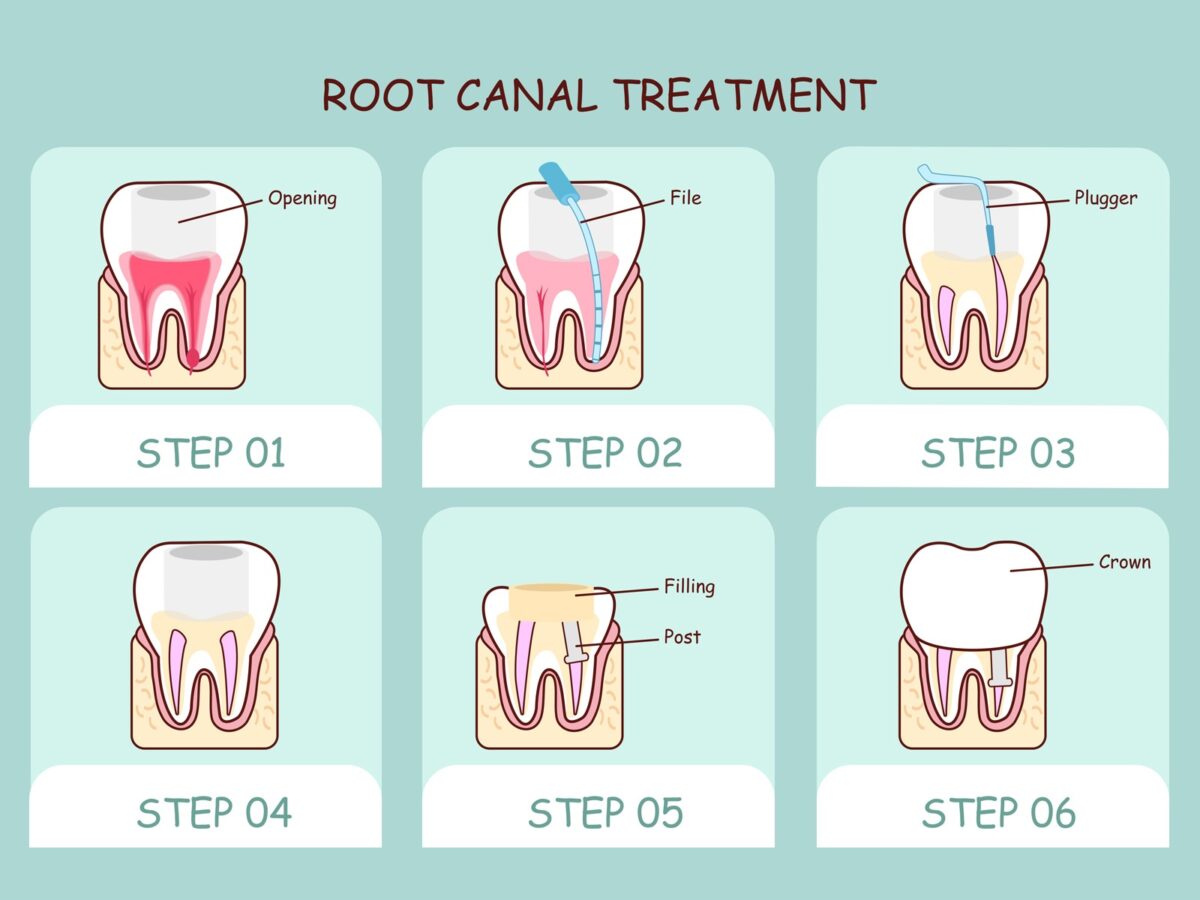
Categories
Dental care

Does Oatmeal Cause Tooth Decay?

Food becomes the worst enemy when it comes to maintaining dental health. There is a long list of food items which the doctor prescribes to avoid to manage healthy teeth and gums. Undoubtedly, sugary and sticky food makes the major part of that list. Moreover, you must have heard your parents telling you to avoid any remains of food to stay in the corners. They know how harmful these remains can be for your oral health. Now the thing is what comes in the category of healthy food when dental hygiene is included? Is a healthy meal like oatmeal safe for our teeth?

What are Oats Made Up of?
Oats make a significant part of our healthy breakfast. It is a quick and best recipe for most of us. Especially, people who are in a hurry to rush to their work find it an excellent breakfast as it is full of nutrients that are essential for growth. It contains fibre that we require to sustain. Now, oats are simply grains that are broken and processed to make it an easy cook. That makes it as healthy as the grains in the form of chapati. But you need to know that the presence of grains brings in it-phytic acid. No doubt, phytic acid has got several health benefits, but the concern is that the acid restricts the absorption of a few minerals, including Zinc, Iron, and Calcium.

Is Oatmeal a Reason for Decay?
Having known about the constituents of oatmeal, it becomes easy to create an idea for the relation between oats and tooth decay. Moreover, everyone knows the importance of Calcium to bind the teeth together, and above, we have discussed how phytic acid opposes the absorption of Calcium. So, the risk of teeth decay in the context of oatmeal depends on the amount of phytic acid in it.

What are the Other Sources of Phytic Acid?
Not only the oatmeal but almost all the grains, seeds, nuts, and legumes contain phytic acid. So, too much consumption of these will not help you have excellent oral health. They can be a cause to undermine all our efforts to develop excellent dental health and prevent our body from the gains of essential minerals like zinc, Calcium, and Iron.

Now the point to be noted is oatmeal is a healthy food, and there is no great harm when it’s taken. The only thing is one must avoid too much consumption of the meal with a massive amount of phytic acid as it may lead to the deficiency of the required minerals.

Take Proper Dental Measures
It would be best if you remembered all the dental rules, so that you can compensate for the little harms you cause. The first thumb rule is the two minutes brushing twice a day and flossing once in a day. Secondly, you need to use mouthwash if you ever feel the brushing and flossing are not doing enough.

One must be preventive in approach when it comes to dental health. A periodic dental check will help in this case. You can also discuss with your dentist the amount of food you have been taking and their effects on oral health.

Book Appointment to find out which treatment might be best for you.
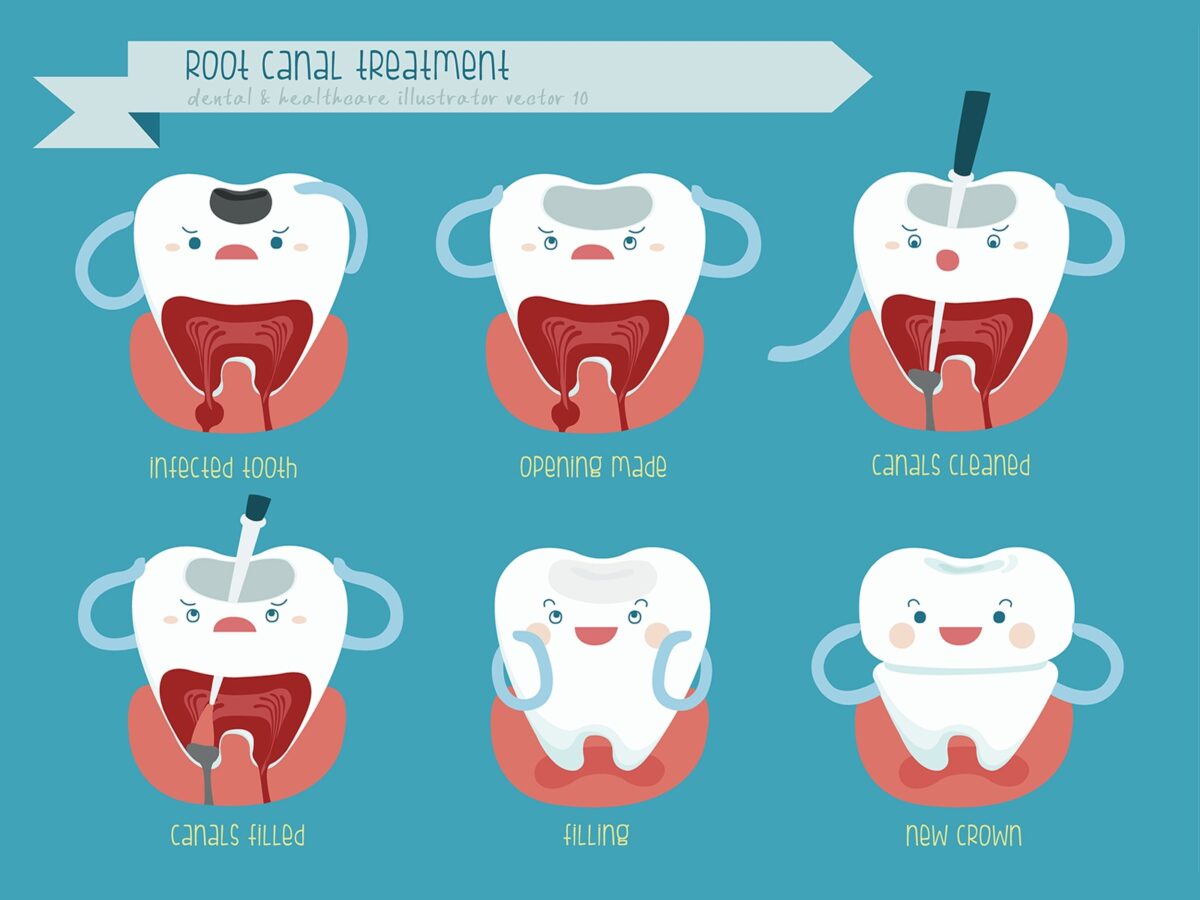
Categories
Dental care

Tips for soothing sore gums

Painful gums can have many reasons behind it. They can either be the consequence of hard brushing and flossing or the result of wearing dentures or braces. This pain can even be a sign of upcoming severe gum diseases. For women, the list is quite longer having hormonal changes during pregnancy, menopause, etc. as additional causes. Whatever be the reason, it is always so annoying and disturbing, which is why you need to be aware of a handful of remedies for the same.

Have a look on top 5 tips for soothing sore gums:

  • Rinse with lukewarm salt water- Take 1 cup of lukewarm water and pour it into a cold glass. Add one tablespoon of salt in that, mix well, and rinse with it. Spit it after 20-30 seconds; do not swallow. The salt in the water helps to kill the bacterias and thus prevent gum diseases.
  • Apply warm and cold compresses- One of the best ways to deal with these painful gums is compresses- hot and cold both will do.

For hot compress- Heat up some water, dip a clean cloth in it, squeeze to remove the extra water, and then place it on the painful area.

Note- Make sure you don’t overheat the water, and it is bearable to your skin.

For cold compresses- Enfold the ice packs in a clean cloth and place it in the spring area. Repeat till the swelling comes down.

  • Oral anesthetic gels- There are various oral anesthetic gels available in the market. They help to numb the gums and treat the pain. You only need to follow the instructions printed in the packaging.
  • Hydrogen Peroxide- It is excellent to remove the bacterias and germs. Take equal parts of water and hydrogen peroxide, then mix them well. After that, swish the mouth with the solution for about 20 seconds and then rinse it with warm water.
  • Teabags- Take a small tea bag( tea like green tea, black tea, or hibiscus tea) having astringent properties or the anti-inflammatory properties, dip it in the boiling water for around 5 minutes as you do for making tea. Then let it cool for a few minutes and place it on the sore gums after it becomes bearable.
    If the solutions mentioned above do not help to heal the pain and the pain turns stubborn, you can take the pain killers but take the dosage as per the directions only. These pain killers are meant to give you immediate relief.

One primary reason behind such painful gums can be the negligence towards proper oral hygiene, which is why you need to be careful towards maintaining the appropriate routine and visit your dentist for periodic checkups. This will not only ensure the excellent health of the teeth and the gums but also soothe the sore gums.

However, when the pain is long-lasting, you definitely need to see your doctor get the actual cause behind it. Your doctor will examine the condition of the gums and may ask you several questions regarding the same. Be true to answer them and follow the instructions accordingly.

Book Appointment to find out which treatment might be best for you.
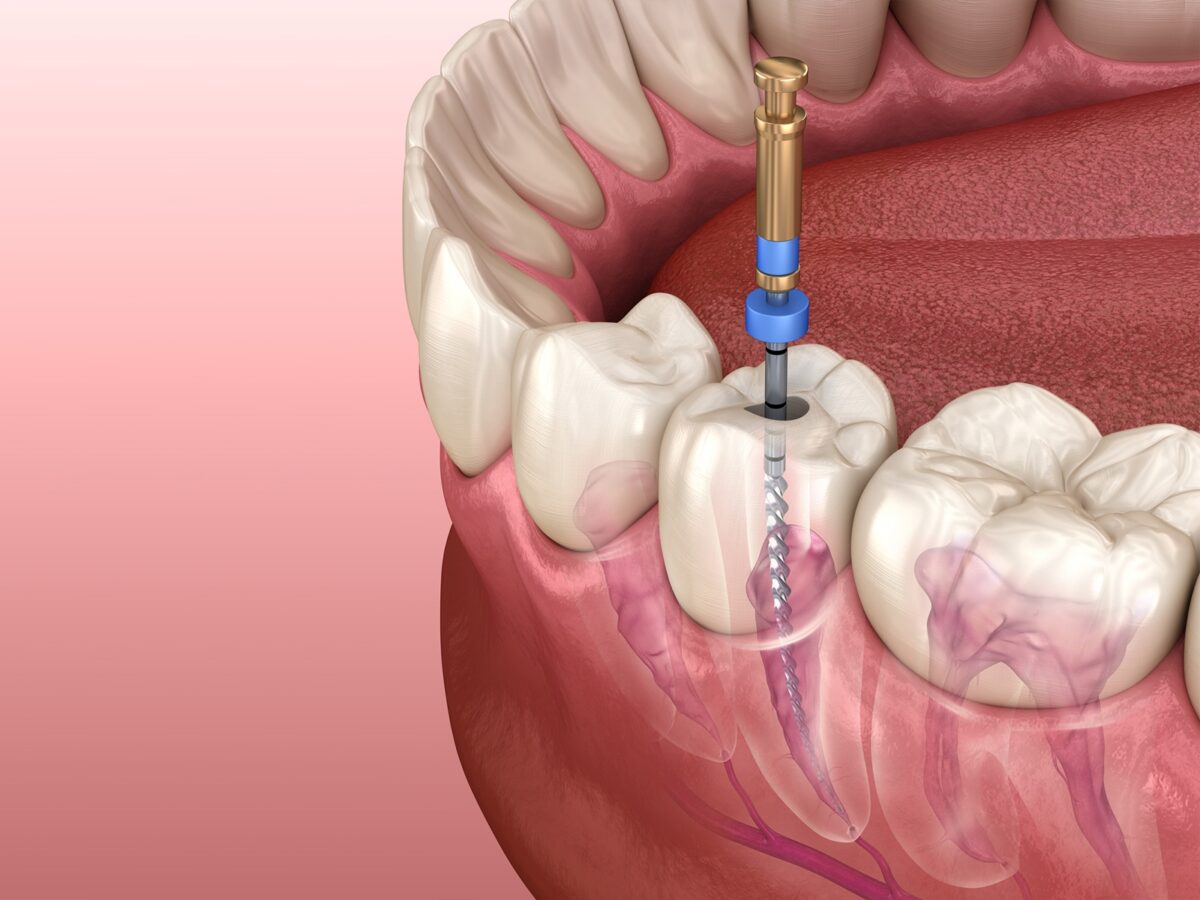
Categories
Dental care

Do Sports and Energy Drink Consumption Damages Tooth Enamel

Food has a vital role in making or ruining your teeth enamel. This is the food ingredient that can invite the accumulation of Bacteria’s and then lead to decaying teeth. That is why it becomes essential to take care of what you eat or drink. Now, many people have given up on the sugary drinks as they are aware of the harmful effects, but what about the acidic drinks?

So, sports and energy drinks that are highly acidic can cause irreversible harm to the teeth.

The popularity of sports and energy drinks

We have been noticing the upsurge in the popularity of sports and energy drinks and its rapidly rising market value. These are taken to enhance efficiency while playing games and maintain stamina. The same benefit has made these drinks so popular among youngsters, especially amongst those who are involved in strenuous activities. Moreover, on average, an energy drink contains 55 grams of sugar, making double the amount recommended to take in a day.

How are energy drinks bad for your enamel?

Most of you may not clean your teeth after eating some food, which makes your mouth prone to plaque formation and the accumulation of bacteria’s. It leads to the gradual depletion of enamel. When this hardest substance of your body (enamel) gets damaged, your teeth are no longer safe. Same happens during the intake of energy drinks as they have a significant amount of acid in them.

After your enamel gets damaged, you become susceptible to sensitivity, followed by pain and discomfort. Plus, the damaged enamel is hard to treat thereby making the decaying severe.

What should you do: preventing dental erosion?

Now that you are aware of the harmful effects of these acidic drinks, you need to care about their consumption. You can reduce the frequency of the use of all the acidic beverages. In addition to this, there are a few tips that you must follow:

  • Switch to healthier alternatives like green juices, protein shakes, green tea and water.
  • If you are determined to take the acidic drinks, take them after the meal so that the saliva maintains the balance.
  • Try to avoid taking any acidic food before bedtime as the saliva production decreases during sleep.
  • Do not brush immediately before or after consuming acidic food and drinks, including sports and energy drinks.
  • Revitalize the production of saliva by chewing sugarless gums.

Follow a proper dental hygiene routine

So, yes, the intake of sports and energy drinks is really harmful when it comes to calculating their effect on the teeth enamel. If you or any close one of yours is addicted to them, you need to make them aware about its consequences and suggest they go for a periodic dental check-up and consult with the dentist about the condition of the teeth.

At the same time, you need to adhere to the prescribed dental hygiene and make sure that you don’t get addicted to any food that weakness the enamel.

Book Appointment to find out which treatment might be best for you.
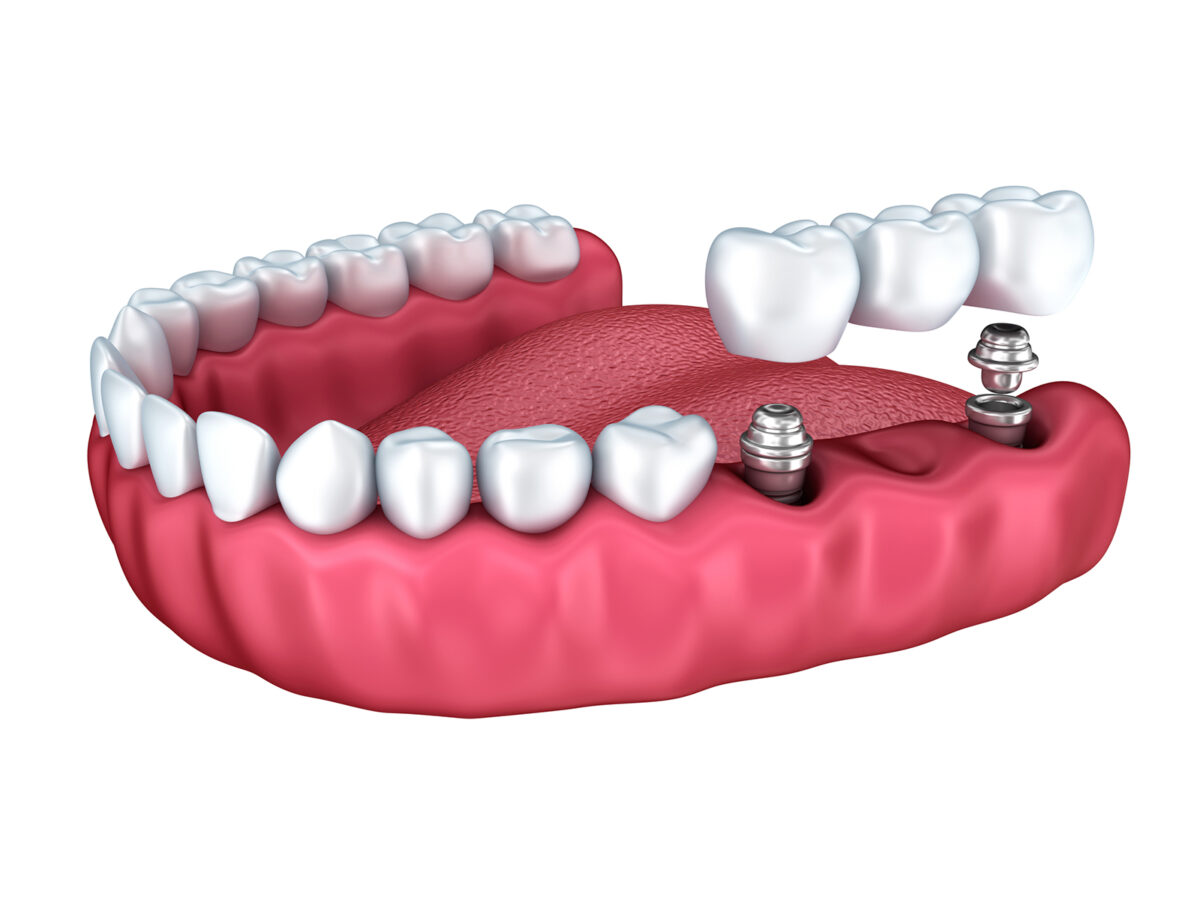
Categories
Dental care

Foods that Can Harm Enamel

Are you struggling to choose the right food, or are you confused about the parameters for selecting the food and drinks? Well, your diet is the deciding factor for your dental health, thus a significant contributor to your overall well-being. Knowing the do’s and don’ts regarding the food make the task of maintaining the health of teeth easier. Below are few foods that can be harmful to the enamel, if taken into excessive amounts.

Acidic food

The foods with low ph ratings can make a disaster in your mouth if consumed excessively with no precaution. How? Acids from any source, in the form of food or converted from sugars, erodes the teeth enamel, leading to decay. Not only this but if the enamel turns weak, many problems may happen to you, including tooth sensitivity and discoloration.

Examples of such highly acidic foods include pickle, lemon, alcohol, coffee, etc.

Foods with high sugar

This is a common one. Almost everyone knows that too much sugar can harm the enamel. But what is the exact reason and process? Now, sugars are the best thing for the bacteria to feed upon. They create acids from these sugars and then pave the way for cavity formation.

Even though the sugar is so harmful to the teeth, you cannot eliminate them from your diet. However, you can minimize their amount to an extent. Together with this, you can at least make sure that the sugar does not stay in your mouth for long. For this, brush your teeth after the meals and drink a lot of water.

Examples of food high in sugar include soft drinks, candies, dry fruits, jams, etc.

Food that sticks to the teeth and gums

The extended presence of the food can offer a home to bacteria’s. This is so because they will be releasing the acids for a longer time. Thus, you need to ensure you floss your teeth after you have any food, especially the sticky ones.

Starchy foods, for the same reason, are supposed to pose threats. Examples include potato chips, bread, corn chips, etc.

Foods drying your mouth

An important fact is that your saliva is the best remedy against oral health issues as saliva stops food from sticking to the teeth. So, any reduction in the saliva will lead to increments in decays and cavities. Now, the foods and drinks that dry your mouth are sure to invite problems. Avoid consuming them. Examples include alcohol, coffee, energy drink, etc.

Hard to chew foods

Though the enamel is the hardest substance in the body, it will weaken, if you chew hard materials regularly. Hence, eating the hard elements like ice, unpopped popcorn, etc. can invite problems like cracks, chipping off your teeth and much more.

Your teeth are assets for you. Healthy teeth will not only assist you in eating and chewing but also offer you beautiful smiles and looks, boosting your confidence. Thus before picking anything to eat or drink next time, do consider the consequences, only then proceed!

Book Appointment to find out which treatment might be best for you.
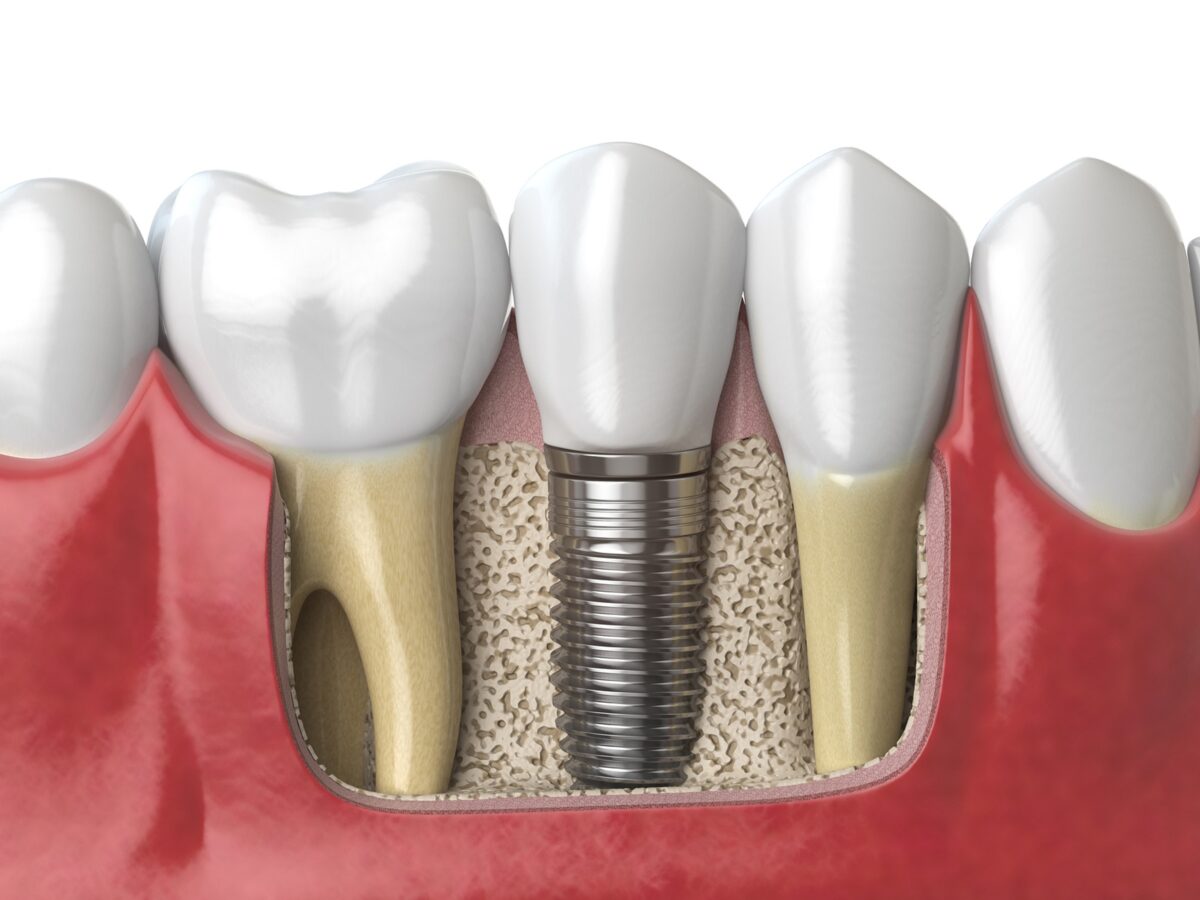
Categories
Dental care

What Are Chalky Teeth

Chalkiness is a situation where the teeth appear to be whiter than the normal. In other words, these teeth show discoloration and the formation of patches and spots. The color after discoloration is off-white in many, yellow or brown in others. It can happen in both baby teeth as well as adult teeth. Chalky teeth need to be addressed like a severe concern, whether it is occasional or a constant issue. You need to have a complete awareness of the symptoms and cause so that you provide timely treatment to your aggrieved teeth.

What are the symptoms?
Few signs of this problem are identifiable, while others cannot be detected easily. You may not realize it, and the issue might grow significantly. The tooth which is falling under chalkiness may show the following signs

  • Color change from white to off-white
  • Irregularity in the enamel surface
  • Cracks
  • Pits and depressions
  • Sensitivity for food and temperature
  • Yellow-brown enamel
  • Wearing of teeth
  • Vulnerability to cavities and decay
  • Post-brushing toothache
  • Pain while eating

If you see any of the symptoms, see a dentist for the checkup to prevent further damage to your teeth.

What causes chalky teeth?
Well, a particular reason behind chalky teeth is still a mystery. Nonetheless, various factors together lead to this issue. As per a few types of research, chalkiness is more familiar with infants having poor health. The causes may be many, including malnutrition, metabolic disorders, low birth weight, etc.

Few prominent reasons causing chalky teeth are-

Genetics- Your genes have an essential role in the development of your teeth. Poorly developed enamel will invite chalkiness.

Harmful habits and health during pregnancy- Hypomineralisation(the technical term for chalky teeth) can also take place due to poor prenatal habits like smoking or using drugs. Weight gain and vitamin D deficiency can also contribute to it.

Existing diseases- If you are suffering from various other ailments like jaundice, cerebral palsy, lever teeth, vitamin deficiency, etc. during your infancy, you are more prone to chalky teeth.

Find the right treatment
If you very often experience chalkiness, it may not be alarming for you. This may be after consuming some acidic food or a particular vegetable. In that case, rinse your mouth immediately after eating. But if your child has a constant issue of chalkiness, he may lose his teeth soon, as a child’s chalky teeth are prone to decay and break easily.

Unlike other dental issues, chalky teeth are not easily treatable. Also, it gives you distressing pain. Thus, early detection and treatment are necessary to avert any significant effect. Furthermore, treatment depends upon how serious the problem is. Depending upon the type, you can avail any one of them. Few treatment options include Resin-bonded sealant, crown filling, dental amalgam fillings, etc.

Though it is challenging to avoid chalky teeth in a few cases, you should always take some preventions-

  • Brush your teeth two times a day
  • Avoid too much sugary or acidic food
  • If the teeth are sensitive to cold water, use lukewarm water.

Book Appointment to find out which treatment might be best for you.
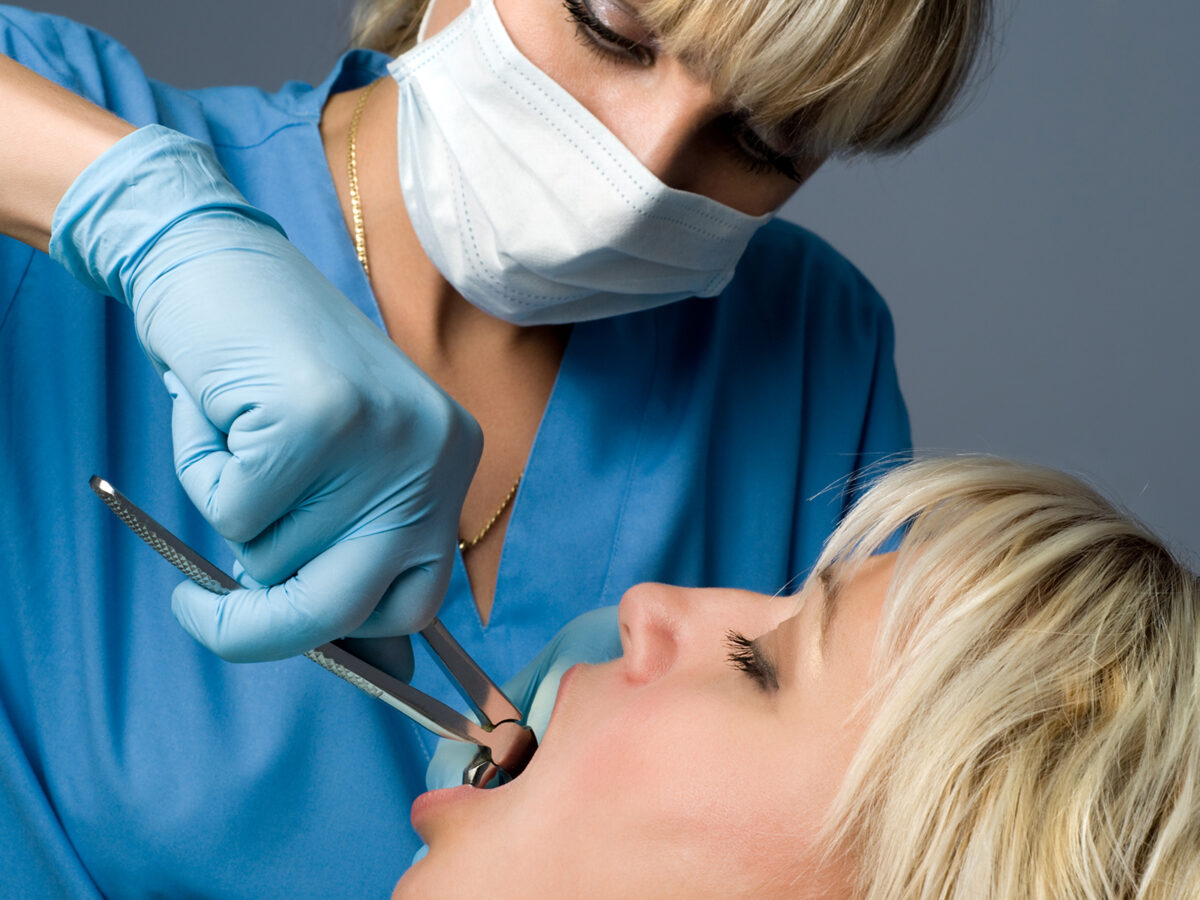
Categories
Dental care

Do you know why Tooth Sensitivity happens?

Are you facing a problem with having your favorite food? If yes, you are probably suffering through tooth sensitivity. In simple words, tooth sensitivity is a common problem that includes severe pain and uneasiness in teeth when consuming a few substances and at some temperatures. The problem can grow over time, as a consequence of enamel wear and retreating gums.

Common Causes

Consuming acidic food: Highly acidic foods and beverages erode the enamel that guards your teeth. This tooth erosion leads to changed appearances of your teeth and allows the bacteria to cause infection or cavities, further causing tooth sensitivity.

Hard brushing: Apart from the food you are having, a few daily rituals like brushing your teeth can be harmful, if you are doing it very forcefully.

Clenching your teeth: Even though tooth enamel is the hardest substance of your body, clenching your teeth knowingly and unknowingly can harm your teeth. Grinding the teeth will expose the dentine for the damage, which is undoubtedly an invitation to damaged teeth.

Having excessive plaque: The very goal of brushing your teeth is to remove plaque that always appears after you consume food. This is important as excessive plaque can easily ruin your teeth. The remedy is to focus on following good dental care and get your teeth cleaned frequently.

A dental procedure: It’s ubiquitous to face some amount of sensitivity after a dental procedure. May it be a root canal, extraction, or any other dental treatment; it may end up giving you some pain. If the pain and related symptoms last longer, fix a meeting with your dentist, as it might be signaling to the tooth infection and sensitivity.

Decay around the edges of fillings: With your increasing age, your filling may enfeeble the edges. And the weak edges welcome the bacteria to amass in the little fissures which lead to the breakdown of enamel. Make sure to see the doctor, if you make out any such thing happening with you.

Teeth bleaching products: Any teeth whitening procedures can be dangerous for the health of your teeth. Whether it is the whitening strips, any bleaching gel or any other chemical, it will leave at the risky end. Also, keep in mind, the pain due to these bleaching products is temporary and should be relieved as soon as you stop using them.

Preventions

Sensitivity pain is not something anyone should have to live with. Thus, it’s better to take precautions for it e.g.

  • Gently brush your teeth twice a day to prevent gum loss.
  • Make sure you clean all parts of your mouth, including the spaces along your gum line.
  • Avoid too many acidic foods and drinks.
  • Use a mouthwash containing fluoride to rinse daily.
  • Do not consume so many carbohydrates like bread, pasta, candy, and chips, etc. They create a problem as they remain on the surface.

Now, if you suffer through the severe pain for a longer time, you should see your doctor and ask him to evaluate the reasons for the painful condition. Remember, your right actions timely can save you from further pain.

Book Appointment to find out which treatment might be best for you.
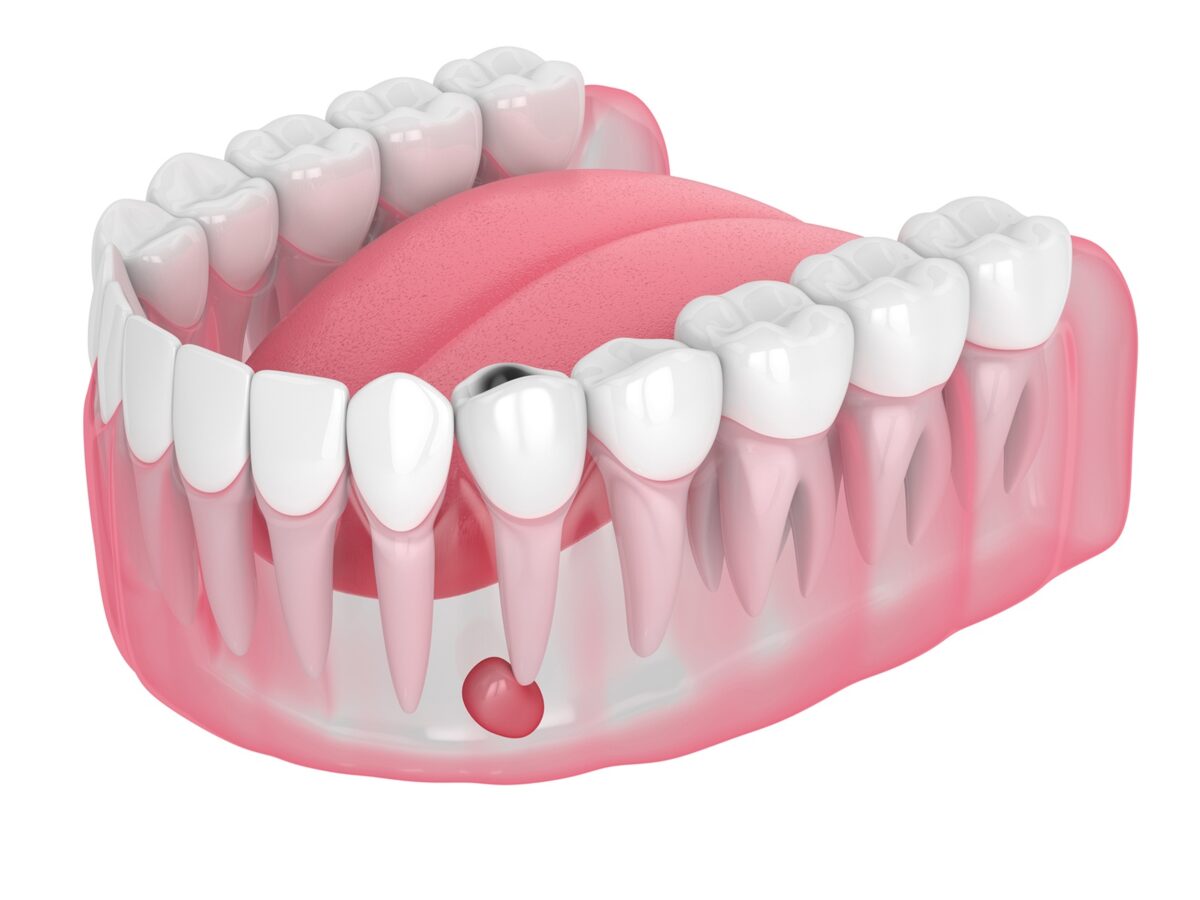
Categories
Dental care

Healthy Foods Promoted by a General Dentist

As your body is a complex machine, the food you consume and how frequently you eat them can impact your overall health and the health of your teeth. When it comes to the health of your teeth and gum, consuming too many sugar-filled drinks, sweetened candies and food items contribute to tooth decay. It is the single most common chronic childhood disease, though; the good part is that it is entirely preventable.

How to Prevent Tooth Decay?

To lead a healthy lifestyle and maintain oral hygiene, think before you eat and drink. It’s not only what you eat, but when you eat, that can impact your dental health. Eating a well-balanced diet, and consuming fewer snacks can prevent serious diseases. Make sure to brush with fluoride toothpaste and floss daily, as it is essential for a bright smile and dental health. If you are on a special diet, consult your physician and choose food accordingly.

Foods for Optimum Oral Health

Starchy and sugary foods that we love are also loved by the bacteria in your mouth and lead to tooth decay and gum disease. You need to understand that eating a range of nutrient-rich foods from various food groups encourage healthy teeth and gums. Have a mix of fruits, vegetables, protein-based foods, calcium-rich foods, and whole grains that offer the needed nutrients for optimum oral health and overall body health.

  • Calcium-rich foods like fat-free or low-fat milk, cheese and yogurt, fortified soy beverages and tofu, almonds, canned salmon, and dark green leafy vegetables assist in enhancing healthy teeth and bones.
  • Vitamin C improves gum health, so consume a lot of citrus fruits, peppers, potatoes, spinach, tomatoes, and broccoli.
  • Phosphorus found in fish, eggs, dairy products, lean meat, beans, and nuts is perfect for getting healthy teeth and gums. Moreover, chewing on crunch food items keeps the saliva going, which, together with water, assist in washing away plaque resulting in bacteria and food particles.

Limit Your Snack Time

Putting a restriction on the number of snacks you eat will also positively affect your oral health. Smart snacking will keep your mouth in good shape. Hold out against the urge to snack often as the more frequently you eat, especially between your meals, the more likely you are to invite acid attacks on your teeth. However, if you snack, make sure to select wisely. Go for healthy snacks such as fruits or vegetables or a piece of cheese.

Food consumed as a part of a meal leads to less harm to teeth than eating several snacks throughout the day as more saliva is released during a meal. Saliva allows the wash foods from the mouth and reduces the effects of acids that can harm teeth. Try to give up on sugary treats like hard or sticky candies and go for nutritious options. Make sure to brush after snacking to keep cavities away.

Moreover, if you’re caring for a baby, avoid pacifying your toddler or young child with a bottle of formula, juice, or milk. Sucking on the bottle puts the teeth and gums in liquid for longer than necessary and contributes to tooth decay from a young age.

Book Appointment to find out which treatment might be best for you.
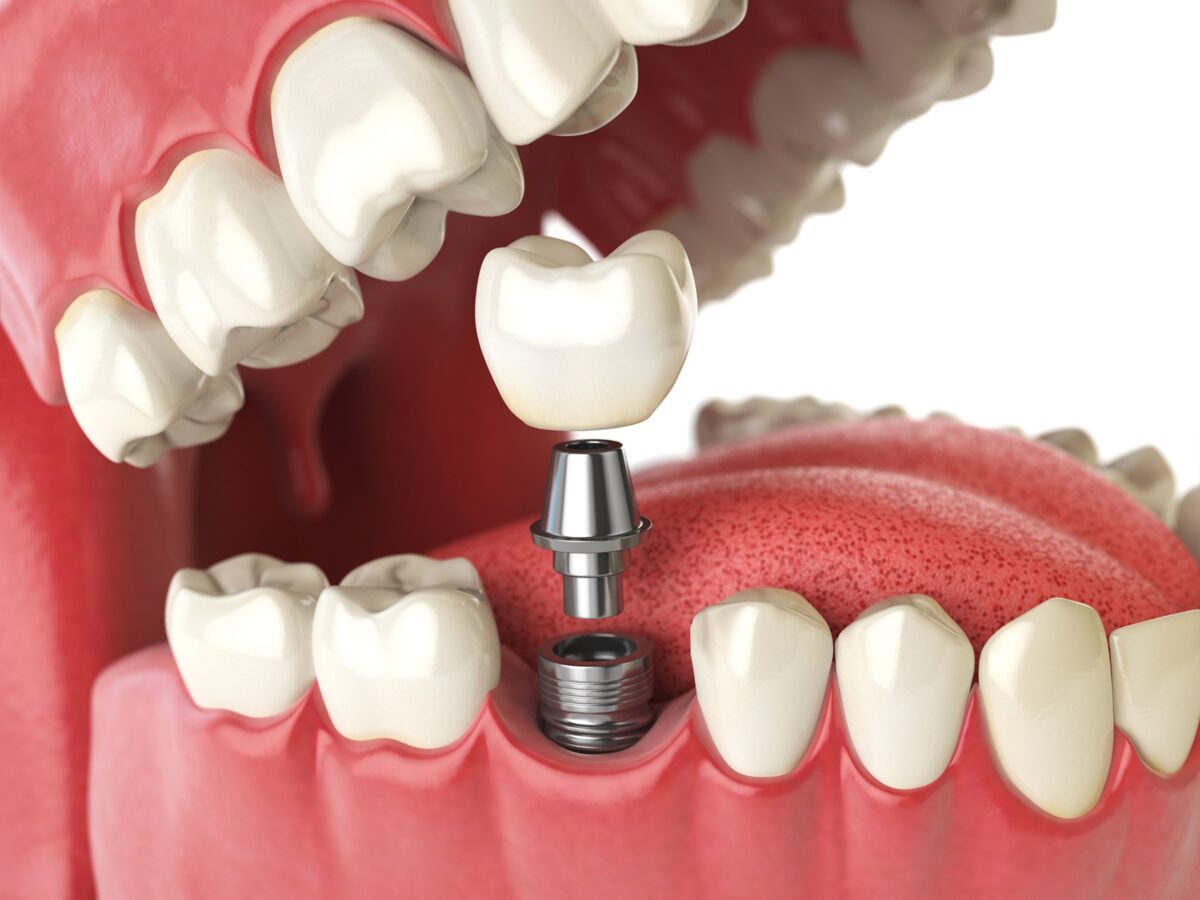
Categories
Dental care

Is the cold weather causing pain in your teeth?

Are your teeth facing “winter-blues”?
Do your happy teeth turn upon you during the winters?
Do you feel the sensitivity during the cold season?

THEN THIS BLOG IS FOR YOU!

In a recent study suggested by the Academy of General Dentistry, the study found out that 40 million adults have sensitive teeth in the United States. But, Elgin Family Dentist has good news for you! This can be treated by an effective dental implant.

Generally, when teeth are exposed to cooler weather temperatures, it can cause a critical situation and havoc in your mouth!

What problems will this cause if you don’t take action?

  • Your teeth become porous and sensitive.
  • You have problems biting the food.
  • Your gums will be infected.
  • It may also cause missing of a tooth.
  • Cavities are a big YES!
  • You may have bridge margins because of the acids produced in the mouth.

Try to avoid the pain by simple steps:

  • Make sure you consume a hot drink when you are outside. This will release some pain.
  • Breath from your nose instead of the mouth so that the air is released and taken inside from your nose only and the cold air does not come directly in contact with your teeth.
  • Desensitizing toothpaste will help with the sensitivity and the unnecessary pain.
  • Don’t forget to rinse your mouth by using a mouthwash that contains Fluoride.

If you want to cure yourself from the pain of sensitive teeth, then you must upgrade it with a dental implant appointment today itself. If you are having a consistent ache in your teeth then you should consult a good dentist.

Book Appointment to find out which treatment might be best for you.
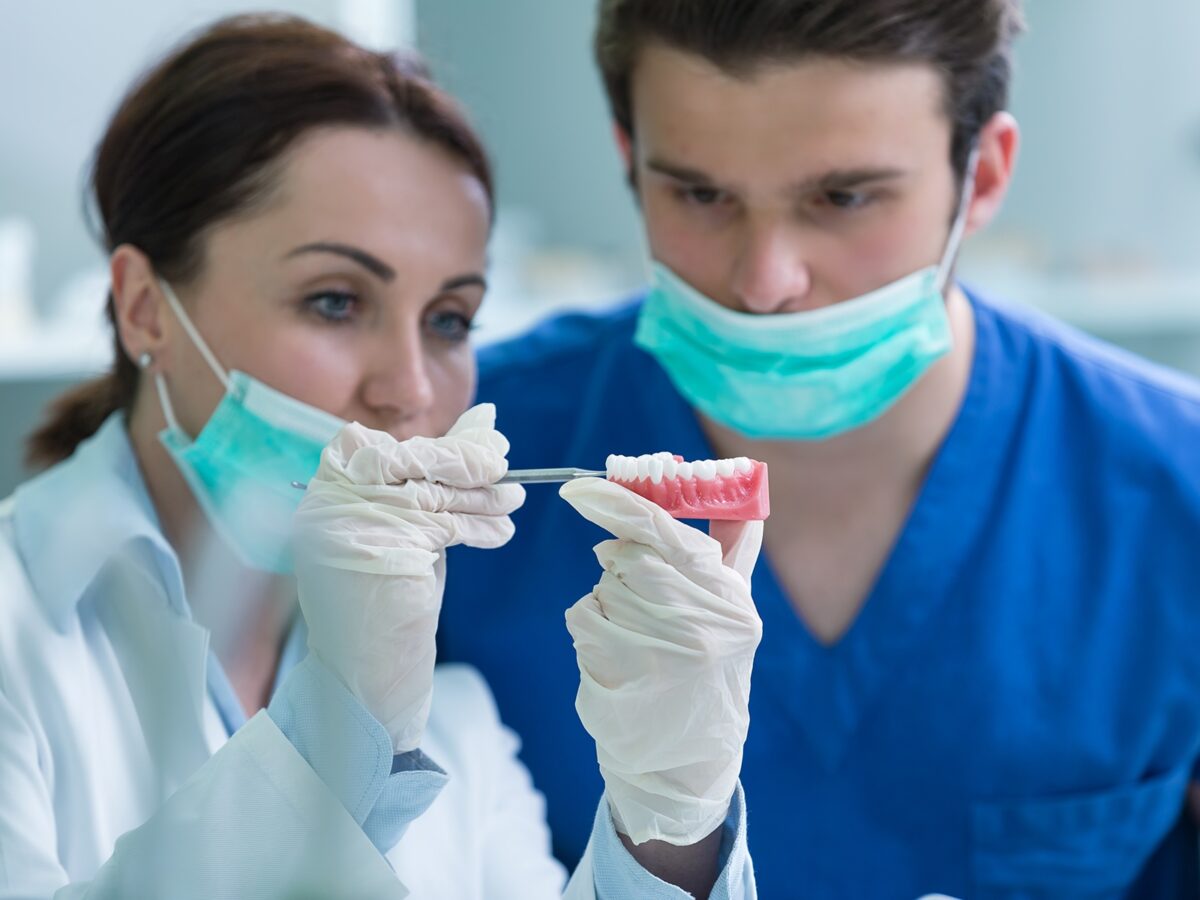
Categories
Dental care

Problems With OTC Teeth Whitening Solutions

Is your smile ready for all those social events? Or Is the condition of your teeth making you dread the thought of showing your face? If that’s the case, you need not worry, We can help turn things for you. One of the simplest ways to boost the appearance of your smile is with a teeth whitening treatment.

Big Benefits of Teeth Whitening
If you drink coffee, sauce, curry and tea regularly, these items will put a mark on your tooth enamel. The process is gradual. At first, you won’t notice anything because the stains will come in small amounts, but as the time goes by, they would get worse until your teeth looks dark colored and stained.

But, All thanks to the professional Teeth Whitening Treatment that can reverse the effects of stain. Also, you can look younger for years. This comes with professional teeth whitening only.

Problems Encountered With OTC Solutions
Professional grade teeth whitening solution cannot be taken without a prescription. To sell them in store, manufacturers must dilute the agent substantially. Teeth whitening solution deliver disappointing results when taken without a prescription.

Bleaching agents are designed to lift stains off tough enamel. It is definitely not supposed to come in contact with your gums. If the trays are not made to custom fit your mouth, you tend to get too much spillover on your gums that could irritate and damage them.

Professional Teeth Whitening Is The Right Choice
Our dentists have extensive experience in the dental industry. They deliver professional-grade teeth whitening services. All you have to do is call and schedule an appointment. We are ready to help you anytime.

Book an Appointment to find out which treatment might be best for you.
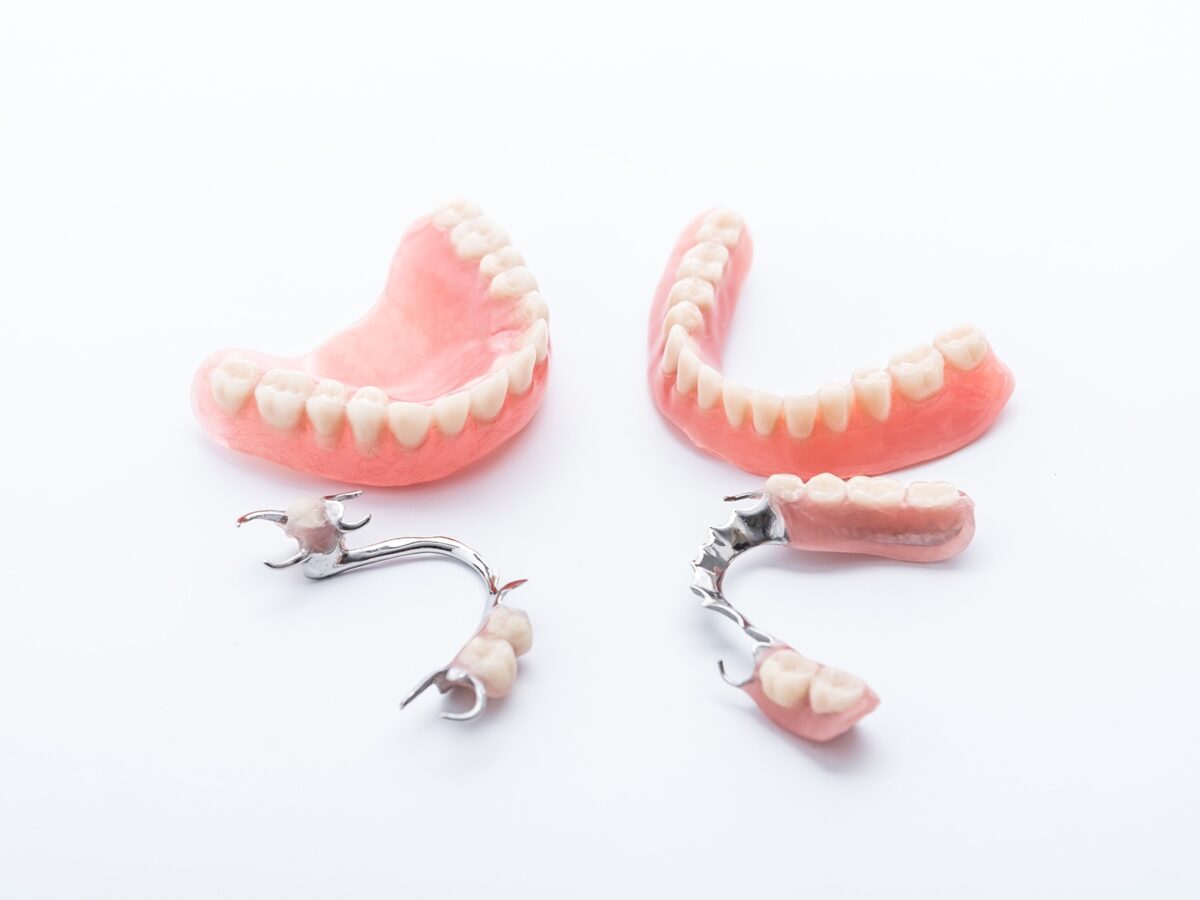
Categories
Dental care

Dental Care Tips To Follow During Winters

Tooth pain becomes unbearable especially during the winters. The freezing temperature and cold air can affect your teeth and cause them to become extra sensitive. Listed below are some tips that will help you protect your teeth and reduce the risk associated with uncomfortable tooth pain.

Avoid Over Brushing: Brushing teeth too often wears away the enamel and also damages the surface of tooth. Instead, brush your teeth twice a day for 2-3 minutes.

Use a Different Toothpaste: Using a toothpaste with fluoride is specifically instructed for teeth sensitivity. Before buying a fluoridated toothpaste, check for ADA seal which assures that the product has been evaluated for safety.

Reduce the Amount of Acids and Sugar in Your Diet: Acids and sugar can damage the surface of your teeth and break down enamel that protects them. Teeth are frequently are under attacked by acids, however, the good news is that the damage can constantly be reversed.

Limiting your sugar intake is crucial if you want to give your mouth a chance to fix the damage.

Use a Fluoride Mouthwash: A fluoride rich mouthwash cleans away debris, rinse them and kills odor causing bacteria to help protect the sensitive enamel.

Taking Warm Beverages: Sipping warm beverages keeps the teeth from becoming too cold, especially if you are going to be outside for several hours.

Use a Clean Toothbrush: Keeping your toothbrush clean and replacing it every few months reduces the exposure to bacteria and eventually reduces chances of gingivitis or tooth decay.

Visit Your Dentist Regularly: Regular visit to your dentist for checkups and routine fluoride treatment will help to protect your teeth throughout the winter.

Use a Mouthguard: Wearing a Mouthguard when you are outside for longer time period prevents you from forcing your teeth together while you work and also keeps them away from clicking together.

Wear a Scarf: If you keep wearing a scarf, you will be able to keep your lower jaw and neck warm. This will help you cover your mouth if necessary.

Following these tips will help you prevent your teeth from dental problems during the winters. If you are still unable to identify your dental issues and tackle them at ease, schedule an appointment with us today. We strive to offer the best services and make your beautiful smile everlasting one.

Book Appointment to find out which treatment might be best for you.

Categories
Dental care

3 Best Ways to Keep Your Oral Health Under Control This Halloween

Celebrations are all around the corner! The spookiest month of the year, Halloween is here and the countdown has already begun. The festival is known for Halloween treats but you never know when these treats turn into a nightmare, thereby leading you to cavities. Our pediatric dentists suggests Halloween to be the right time to teach children good oral health habits. Listed below are some of the best tricks your child must follow for healthier teeth:

Choose Candies Carefully
The acidic sugar in sweet snacks often lead to cavities. The best that can be done is sorting out the candies that are most sticky to swallow or dissolve. They not only cling to the teeth but also create an acidic environment for an extended period of time.

Drink Water in Excess
Drinking fluoridated water prevents tooth decay. Choose the one. Also try to minimize sugary beverages throughout the day which include soda, sports drinks and flavored water. The risk of tooth decay is automatically increased once the teeth are exposed to sugary beverages.

Timing Matters
When trying to limit the chances of cavities, it is not only about what you eat, but when you eat that also matters. When you want to eat your Halloween candy, try to eat it with a meal. You can also have it shortly after having a meal. The secretion of saliva increases during meals and it eliminates all the harmful acid that tends to build up into a plaque. It is also good to monitor how much candy your child eats to limit the consumption.

Schedule Your Visit
Schedule your cleaning and checkup with us so that we can catch potential problems early and prevent them from getting worse. Have a safe and Happy Halloween. Please call us for any of your family’s dental needs. To know more about how we can help you, schedule an appointment with us today.

Book Appointment to find out which treatment might be best for you.
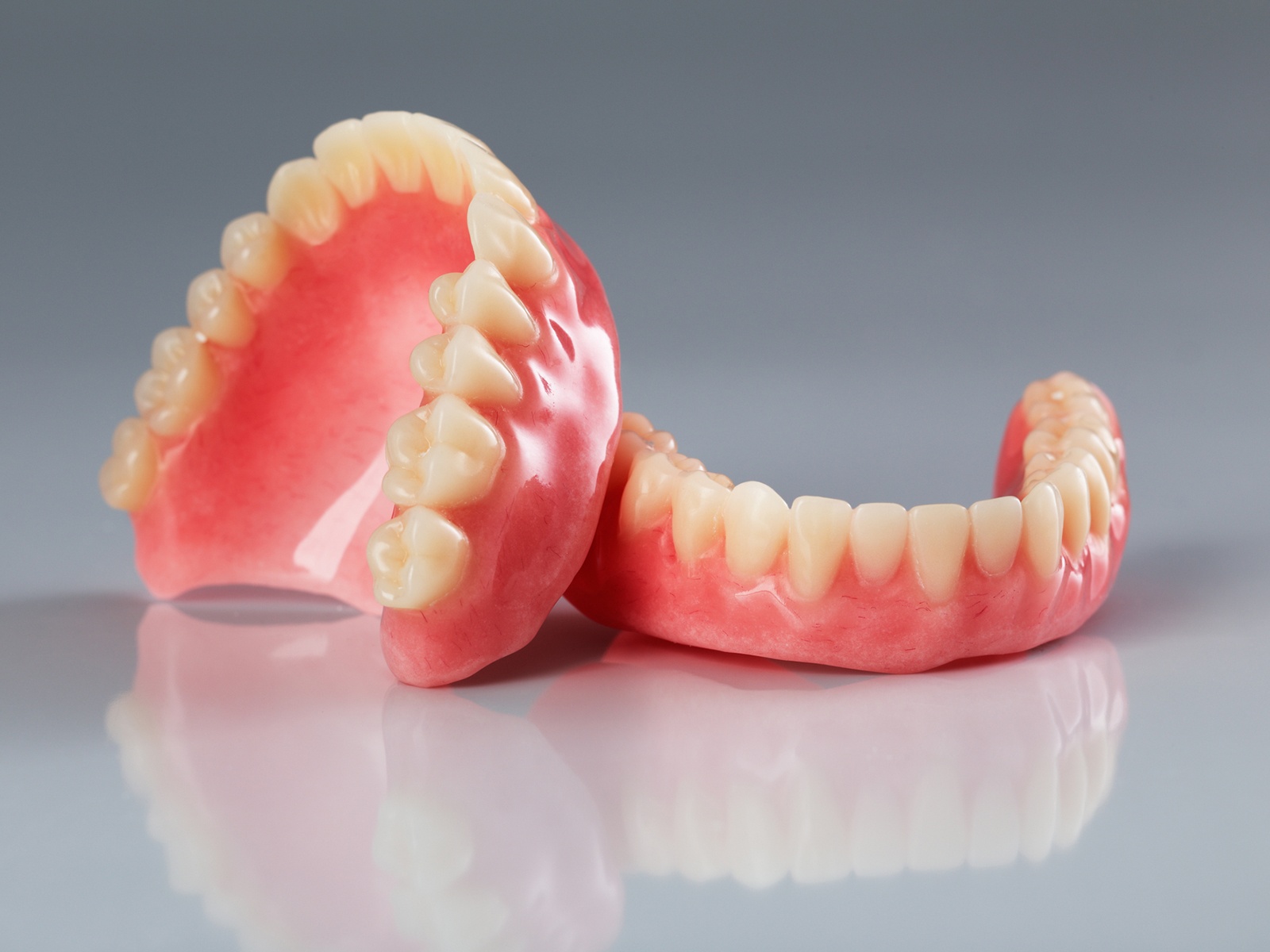
Categories
Dental care

Tips to Keep Your Gums Healthy

The month of National Gum Care, September is here. Now is the time to raise awareness for healthy gums everywhere. No matter what age you are, you should always be looking for a great oral care routine. However, a comprehensive oral care routine goes far beyond just your teeth. Your gums are also equally important to maintain a great smile.

According to the recent development, we see how medical conditions like heart disease, diabetes, pregnancy and much more are related to infected gums. This is the reason it is important to prevent gum disease. The inflammation caused by bacteria not only destroys gum tissue but also affects the bloodstream. This can be prevented by taking care of your gums excellently.

Difference Between Healthy Gums & Diseased Gums
Healthy gums look firm and pink with no bleeding and no discomfort. However, a bad gum includes loose or shifting teeth, bad taste in mouth, redness along with bleeding and pus around the teeth. If you wear dentures, they may not fit properly in diseased gums.

If your gums become paler, you need to contact your dentists soon. It is important to get treatment at the first sign of gum disease.

Preventing Gum Disease
You can easily take care of your gums by following the tips below:

Healthy Brushing: It is important to brush your teeth at least twice a day for at least 30 min after your meal. Brushing right away leads to corrosion from leftover food.

Correct Flossing: Floss at least once a day to help eliminate the debris between teeth and near the gums. It is therefore advised to floss before brushing so that your toothbrush will be able to wipe away the leftover bacteria and debris. Flossing gently between the tooth using clean sections of floss also helps. It is also recommended to snap the floss down on the gums.

Visiting Your Dentist: A dental examination and cleaning every 6 months is recommended. You need to inform your dentist if you have concerns about your teeth and gums. If you are experiencing pain or discomfort, it’s always good to inform them.

Healthy Diet: A healthy diet plays an important role in keeping your gums healthy. If you take more sugar in your diet, chances are it will lead to lingering and sticky bacteria. Rinse your mouth with water after eating and drinking other beverages.

Limiting Drinks and Sugary Snacks: A great way to keep your teeth and gums healthy is by avoiding substances like tobacco and alcohol. Try to avoid drinking too much soda and energy drinks, fast food etc.

Other Tips: Replacing your toothbrush every 2-3 months also helps. Exercise regularly to maximize blood flow. Go for a toothpaste that matches your dental requirements.

Treating Healthy Gums
One is still vulnerable to gum disease, even if they never had cavities in their entire life. Other than home dental care, there are alternatives available too that can help get rid your mouth of infection. These include the following:

  • A professional dental cleaning
  • Pocket reduction
  • Soft tissue graft
  • Gum grafting
  • Scaling and root planing
  • Root canal therapy
  • Prescribed medication like toothpaste, mouthwash or medication

These treatment methods will keep your smile healthy in the long run. We care about your gums, therefore, we recommend that you consult our dentists and get the best treatment for yourself.

Still have any queries about your oral health? Feel free to consult our experienced dentists at Elgin.

Book Appointment to find out which treatment might be best for you.
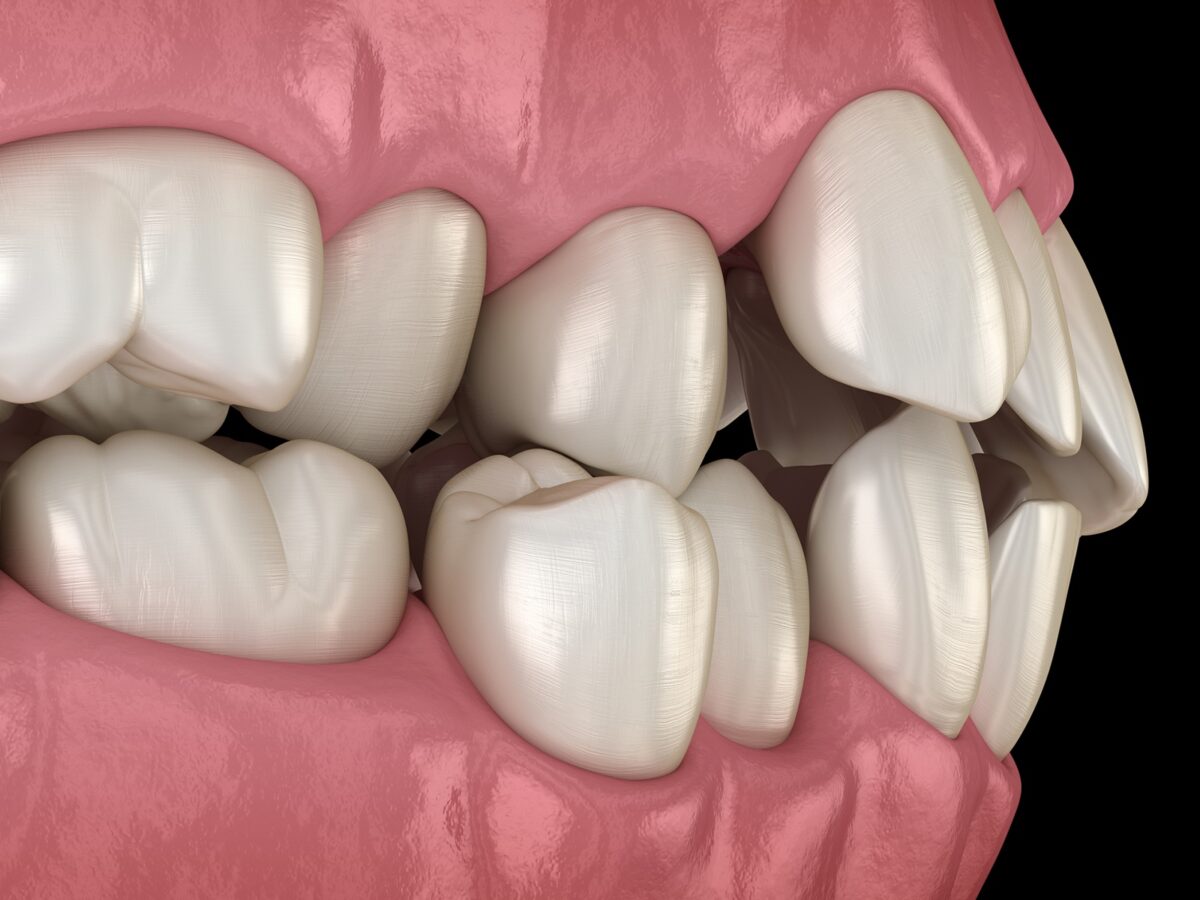
Categories
Dental care

How Dental Checkups Impact Oral Health

We all know that brushing and flossing is extremely important for your overall oral health. It is therefore important to keep practicing these habits daily to maintain healthy smile in the years to come. Visiting your dentist regularly for professional cleaning at least twice a year is an important habit one should incorporate. This helps you in creating an optimal oral environment for lifetime.

Dentists near me recommend typical cleanings twice a year. However, patients suffering from gum disease or any other kind of dental illness should visit more frequently. Dental cleanings are just one part, oral examination is another. Professional dentists also recommend an oral examination that includes taking dental x rays to evaluate the condition of teeth, jaw and gums. They look for signs of decay, gum disease and oral cancer. On the first visit, you will be interrogated about your health history, medications you take and allergies or adverse reactions in the past. If you had any dental anxiety that kept you away from seeing a dentist before, you should immediately tell your dentist. This will help to minimize the discomfort and help you feel more relaxed.

Professional Dental Cleaning
By taking regular professional dental cleanings, you will be able to get rid of plaque, tartar that accumulates the areas of the mouth that are difficult to clean. These areas are not easily accessible by your daily brushing and flossing habits. Our dentist in Elgin may use a special instrument that removes tartar from around or below the gumline. Once this has been removed, your teeth will be polished with abrasive paste that helps in clearing away tooth stains. After the final evaluation, you can resume.

You shall be able to feel the clean and smooth surface of enamel if you run your tongue along the surface. Plaque does not gets attached on a surface that is smooth. To make sure that you are taking better care of your teeth, our dentist will also review any kind of hygiene issues that you may face.

To know more about dental checkups, feel free to give us a call. We will be more than happy to help you attain the best smile and have a great dental experience. So, call us today to set up an appointment.

Book Appointment to find out which treatment might be best for you.
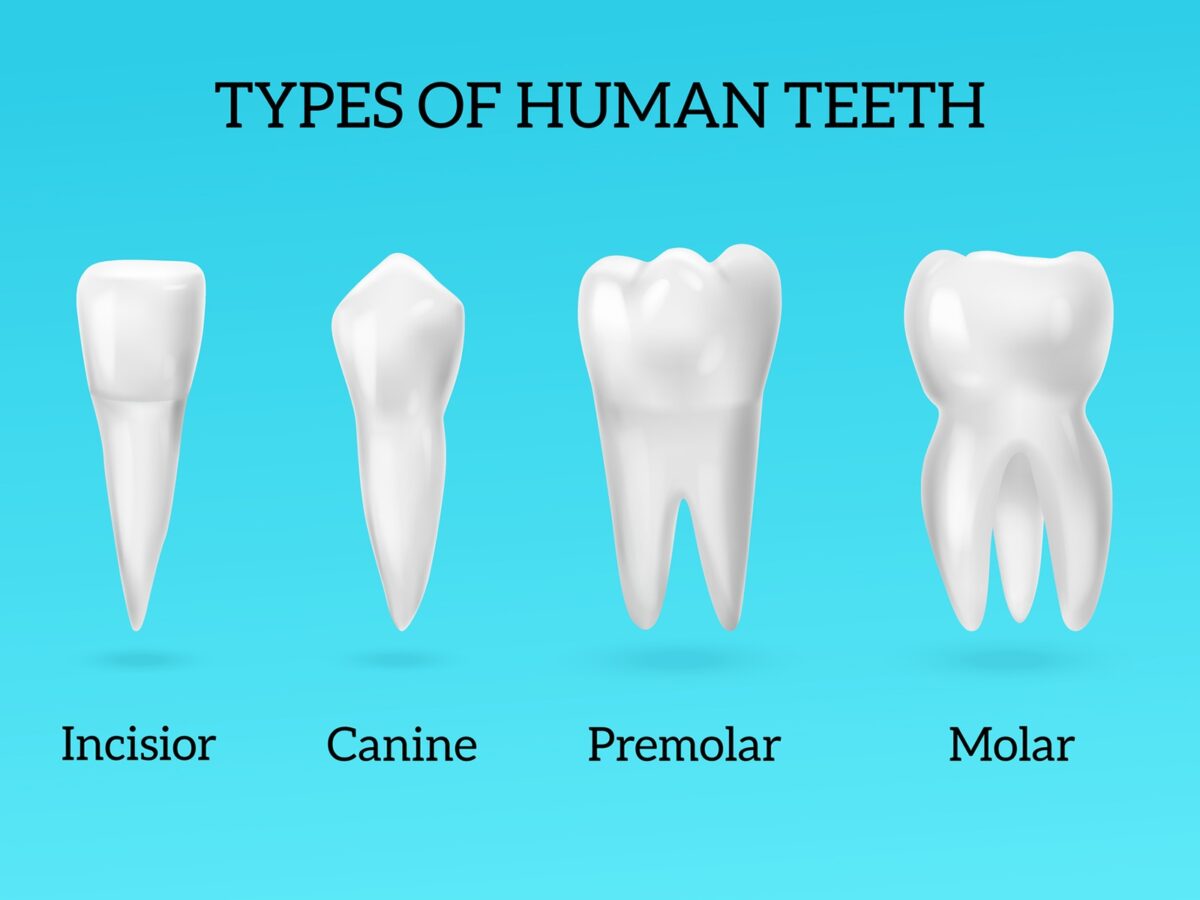
Categories
Dental care

Top Mistakes You Must Avoid While Brushing Teeth

Brushing your teeth is an ideal way to maintain healthy gums and teeth. It is something we do everyday. However, there are most of the people who will commit mistakes at least once. Listed below are some common brushing mistakes you should avoid for an improved oral health in the long run.

Brushing Only for a While
The average person’s brushing time is ONLY 45 seconds. Not brushing your teeth for an extended duration means inviting cavities, tooth decay and other oral health issues. Therefore, it is recommended to brush teeth for at least 2 minutes. This is when fluoride acts on your teeth effectively. Initially, you can start by setting a timer when you start to brush. Another option is using electric toothbrushes that comes with timer.

Brushing Too Rough
The quality of cleaning teeth is independent of the strength, however, it is strictly dependent on the movements made. So, horizontal, vertical and circular movements are the most picked angles to take into account.

Not Changing Your Toothbrush for a While
It is ideal to replace your toothbrush every 3-4 months. So, as soon as your toothbrush starts degrading, you need to replace it immediately. A worn brush not only damages your gums but also quite inefficient.

Using Wrong Toothbrush
It is better to choose a toothbrush that ideally suits your needs and preferences. With different types of handles, filaments, size and head available, choose the one that fits your needs.

Our dentists at Elgin Dental Office TX recommends using an easy-to-hold, flexible toothbrush that is the right size for you.

Wrong Choice of Bristles
Angled bristles are considered the best as they clean the teeth irrespective of the position. Hard and stiff bristles could damage the gums. So, it is advisable to use soft ones. Frayed or broken bristles won’t clean your mouth properly. Change your toothbrush once the bristles lose their flexibility.

Rinsing Your Mouth With Water After Brushing Your Teeth
The moment water mixes with the toothpaste, it cuts down the efficiency of fluoride from your toothpaste. Instead use a mouth rinse that contains fluoride. Rinse, gargle and spit the mouthwash and that is sufficient. But don’t use water.

If you still have any queries, please feel free to contact us. We will be happy to help.

Book Appointment to find out which treatment might be best for you.

Categories
Dental care

Why Athletes Have Poor Oral Health

According to a recent study, athletes have higher rates of oral disease despite brushing their teeth frequently. As per the British Dental Journal, 94% of athletes report brushing their teeth at least twice a day whereas 44% reported regular flossing.

Comparatively 75% of population brush their teeth daily and 21% of them just floss. The reasons identified were regular intake of sports drinks, energy bars and gels, all of which are known to damage teeth. The sugar in these products increases the risk of tooth decay and acid erosion. This could be contributing to the high levels of tooth decay and acid erosion observed during dental check-ups.

Studies in the past have also confirmed that athletes may have a higher risk of oral disease because of having a dry mouth. Other explanations include the mouth becoming dry due to breathing heavily during exercise so there is less protection from saliva in the mouth.

The researchers surveyed data from 352 Olympics and professional male and female athletes across 11 different sports including swimming, cycling, soccer, rowing, hockey and sailing.

Even after practicing good oral hygiene, the researchers reported that the athletes had substantial amount of dental problems. One of the problems is diet. Athletes often rely on heavy carbohydrate intake to boost their energy when training or competing. They intake carbs in the form of sugars mixed with acidic sports drinks or slick gels. This gives oral bacteria a boost the same way it boosts the athlete.

However, in an attempt to improve oral health, athletes are willing to adopt behaviour change like additional fluoride use from mouthwash, reduction in the intake of sports drinks and frequent dental visits.

Therefore, it is not only important to brush and floss regularly. There are other factors like diet, lifestyle and psychology to make sure your teeth are healthy and free from gum disease.

Book Appointment to find out which treatment might be best for you.
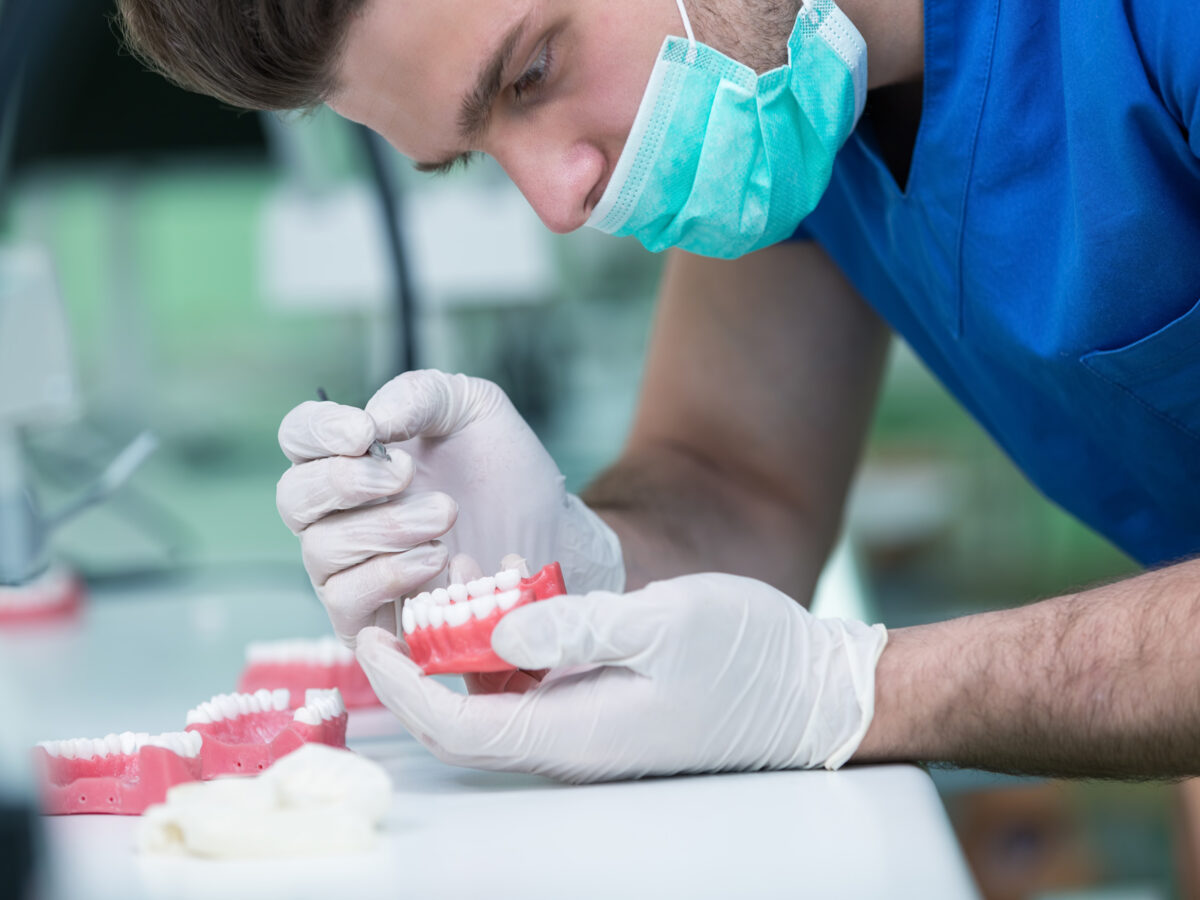
Categories
Dental care

When to Seek Emergency Dental Care

No matter how much prepared you are, accidents happen. Dental emergencies are no exception. A dental emergency is sudden and unexpected. Some emergencies are relatively obvious in their urgency, like an infection, tooth decay, trauma, toothache, knocked out tooth, or facial swelling and so on.

Here are a few common reasons to utilize emergency dental care:

Forcibly Removed Tooth
Whether it was knocked out, pulled out or any other force exerted that resulted in the teeth coming out, it definitely requires immediate dental care. If you keep practicing good aftercare and visit the dentist, the tooth can actually be reinserted. This includes cleaning the tooth properly.

Tooth That Is Out of Aligned
If something happens and your tooth gets out of alignment, you will have to visit an emergency dental care office as soon as possible. Meanwhile, you can just try to put the tooth back to its original position. Make sure not to force it back or use too much pressure.

Chipped Tooth
If one of your teeth becomes chipped, it constitutes a dental emergency. If it does not hurt, you don’t need to see an emergency dentist. If your tooth is cracked or fractured or you experience intense pain, you will need an emergency dental care. Some fractures are so severe that the tooth is unable to be saved and need to be pulled and replaced.

We strive to keep our patients comfortable and free from injuries. So, if your tooth has been damaged or you are in pain, contact us today so that we can schedule your appointment and treat the issue quickly.

Our friendly staff will put in their best efforts to schedule the appointment. We also provide suggestions to avoid dental emergencies by teeth cleanings twice a year. You need to arrive before your appointment. Whatever emergency dental treatment you receive, it is advisable to have a follow-up appointment. We would be more than happy to assist you with all your dental emergency needs and provide you with long term dental care. All you need to do is let us know your requirements so that we can suggest an ideal treatment option for you.

Book Appointment to find out which treatment might be best for you.
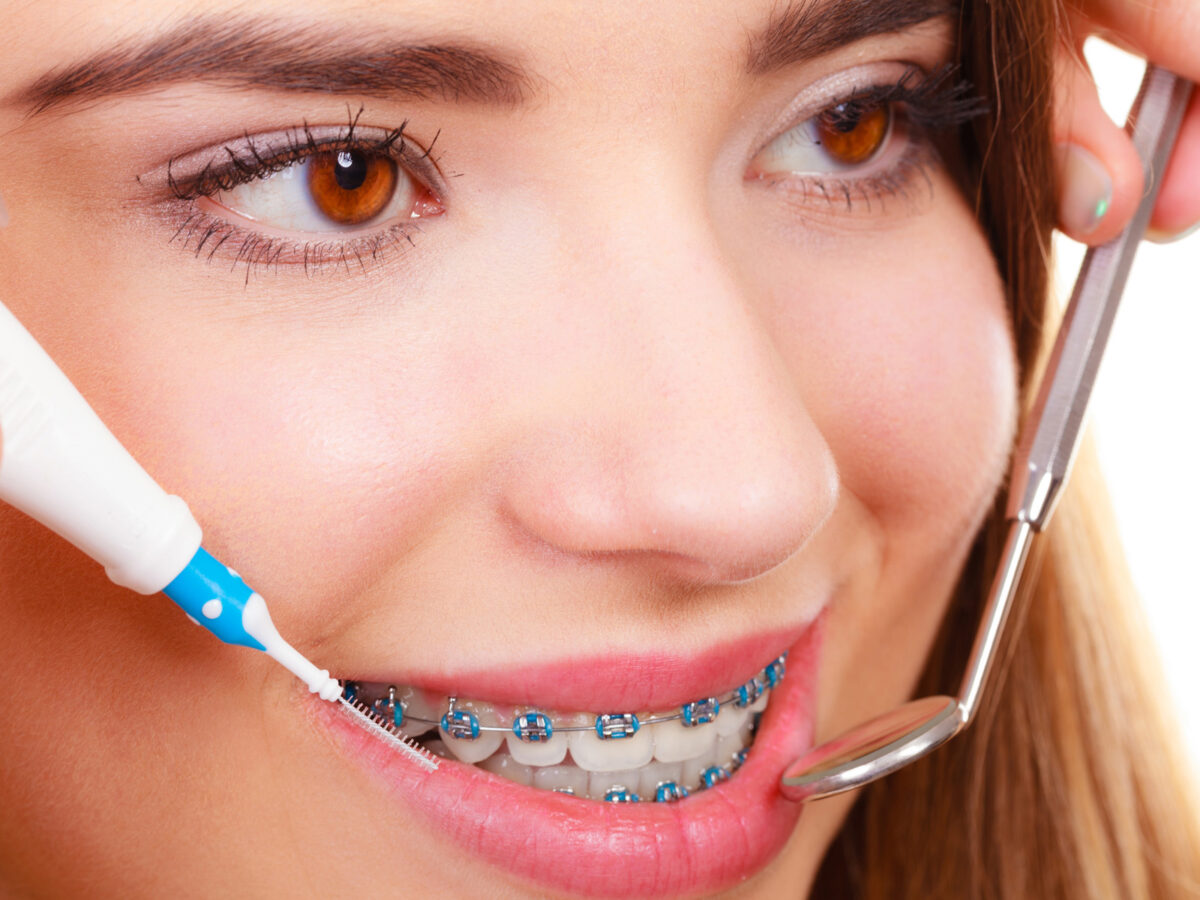
Categories
Dental care

Beautify Your Smile by Choosing Elgin Family Dentist

Your search to a comprehensive family dental care stops here. We have been providing high-quality dental care services in a warm and comfortable environment. With a focus on patient-centered care, we make your experience pain-free. Our comprehensive range of family dental services are committed to give patients beautiful smiles.

Elgin Family Dentist has extensive experience in all the aspects of modern dentistry. Whether it’s preventive education to maintaining oral hygiene, we help to reduce dental problems of any type.

General and Preventive Dentistry
Our preventive dentistry services comprise cleanings, routine check-ups, restorative and cosmetic services like fillings, veneers, bridges and more. We offer our patients the most comfortable procedure for a visit that is pain-free as much as possible.

At your checkup, we will inspect your soft tissues for oral cancer, periodontal disease and other problems. Our dentist will also look at each tooth to analyze problems like tooth decay, cracks etc. We also replace old dental work like fillings, inlays, crowns and other alternatives to break off additional problems in the future.

We are also on the lookout for changes to your gums and teeth or early signs of abnormalities that could signal oral cancer. The earlier we detect issues, the better chance we have to fix the problem before it’s too late. This is the reason we recommend our patients to stick to checkup schedule and not miss cleanings. If you are in need of general or preventive dentistry services for your oral health, please schedule and appointment with us today.

Restorative
Restorative procedures repair damaged teeth to create a natural smile. This includes crowns, bridges, dentures and implants for a smile you have always dreamed of. We restore damage to your teeth and gums by providing services for specific areas in your mouth.

We will check on your oral health at every step of the way, ensuring that you are getting the right treatment for individually shaped gums and teeth.

Cosmetic
Our cosmetic dentistry services are aimed at addressing discolored and different shaped teeth. From whitening to dental bonding and veneers, you can have a beautiful smile for years. If you have been considering a smile makeover, we can help you by remodeling your look, filling you with confidence and restoring you both physically and emotionally.

We can transform your dull stained teeth to bright, eye-catchy smile. Reshape teeth that are crooked, gaped or overlapping with natural looking veneers.

Sedation
Our dentists at Elgin are committed to changing the fear associated with dentistry into a positive affirmation. Sedation dentistry will make your treatment more enjoyable and help you relax in a comfortable environment. They type of sedation we use depend on your condition. When you visit, we will discuss the sedation options and recommend the appropriate method for you. If you have struggled with dental anxieties, please let us know.

Request for a consultation at our office now!

Book Appointment to find out which treatment might be best for you.
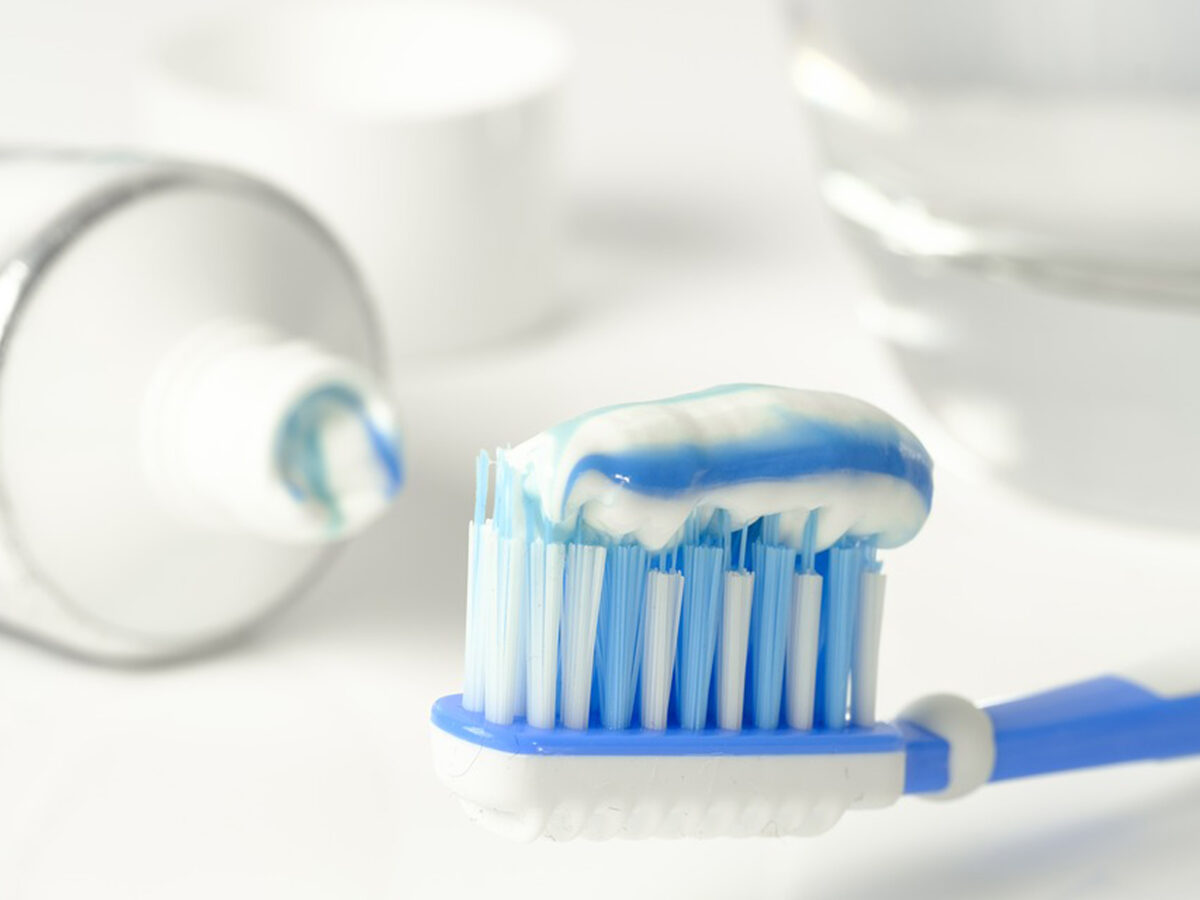
Categories
Dental care

Pediatric Dental Care: All You Need to Know as a Parent

Dental health plays an important role at every stage of life. No matter what our age is, it is important to practice great and healthy oral habits to prevent tooth decay and gum disease. Just like adults, a good dental care plays an important role for young and growing children too. Parents often wonder how early they should start with infant dental care. If you have very young children, it becomes often unclear how to start with their oral care. However, it’s really never too early to start thinking about practicing good dental practices.

When thinking about infant dental care, you should start keeping the phases in mind. The first starts with pregnancy, teething, and then your consultation. Let’s take a look at each of them in-depth.

Phase 1: Pregnancy
Infant dental care actually need to start even before your child’s birth. During the 9 months of pregnancy, your child develops within the womb. This development includes every part of the body including teeth. Some babies are born with teeth, known as natal teeth. If your baby has teeth upon birth, you should definitely consult your dentist on how to handle them. If required, you can also ask them to get removed.

A mother needs to maintain a healthy diet during pregnancy keeping the oral health development of their child in mind. The best infant dental care should start with taking good care of oral health, diet and hygiene. A good oral hygiene for the mother during pregnancy can directly affect the health of baby. As your newborn grows, they will also be able to take good care of their teeth and gums.

Phase 2: Teething
The second phase of infant dental care starts with teething. Children actually develop teeth during pregnancy, so, at the time of birth, they will have 20 of their teeth under the gums. The next phase involves bringing teeth through the gums.

Teething usually starts occurring in young children between half and a year and a year old. There are some symptoms that indicate teething has begun. They include excessive fussiness, excessive drooling and increased irritation. These signs should not bother much. However, if issues like diarrhea, rash forming, or fever occur along with teething, you should immediately consult your doctor.

Once your baby starts teething, you can calm them by gently rubbing their gums or by giving them a clean hard teether to chew on. You can consult our Elgin Pediatric Dentist on the best teethers to choose from.

A great infant dental care involves cleaning the teeth and gums with a wet washcloth at least once a day. As more and more teeth starts coming in, you should start cleaning more regularly. Start with early cleaning practices to ensure that the first teeth coming through stays healthy as your baby continues to grow.

Phase 3: Dental Consultation
As your child starts to have teeth come in, you should start talking to your dentist about it. Even if your child is very young, you must talk to their pediatric dentist about the dental history. So, infant dental care should start as soon as your child is born. Before starting. It is important to consult a pediatric dentist.

Having a know-how of your family’s dental health history will help your dentist to plan the treatment accordingly.

Phase 4: First Dental Visit
The next step of your child’s dental care involves actually going to see the dentist for the first time. According to the dental experts, parents should take their young children to the dentist between 6 months to 1 year of age. You should see a dentist when the first teeth comes in and the child’s first birthday. Considering the dental history, your doctor might recommend an earlier visit.

Take your child to the family dentist who takes care of all members of your family. This way both the dentist and you will equally be knowing about each other. First visit involves cleaning and checking for flaws, if any. After the first checkup, you can also discuss with the dentist when the next visit should be and how best to prepare your child for each visit.

After seeing the dentist, you would feel safe about your child’s health. When your child is born, make sure to consider early infant dental care into consideration. Planning ahead makes the process easier as your baby grows. The more you involve your pediatrician and family dentist, the better will be your child’s dental health.

Book Appointment to find out which treatment might be best for you.
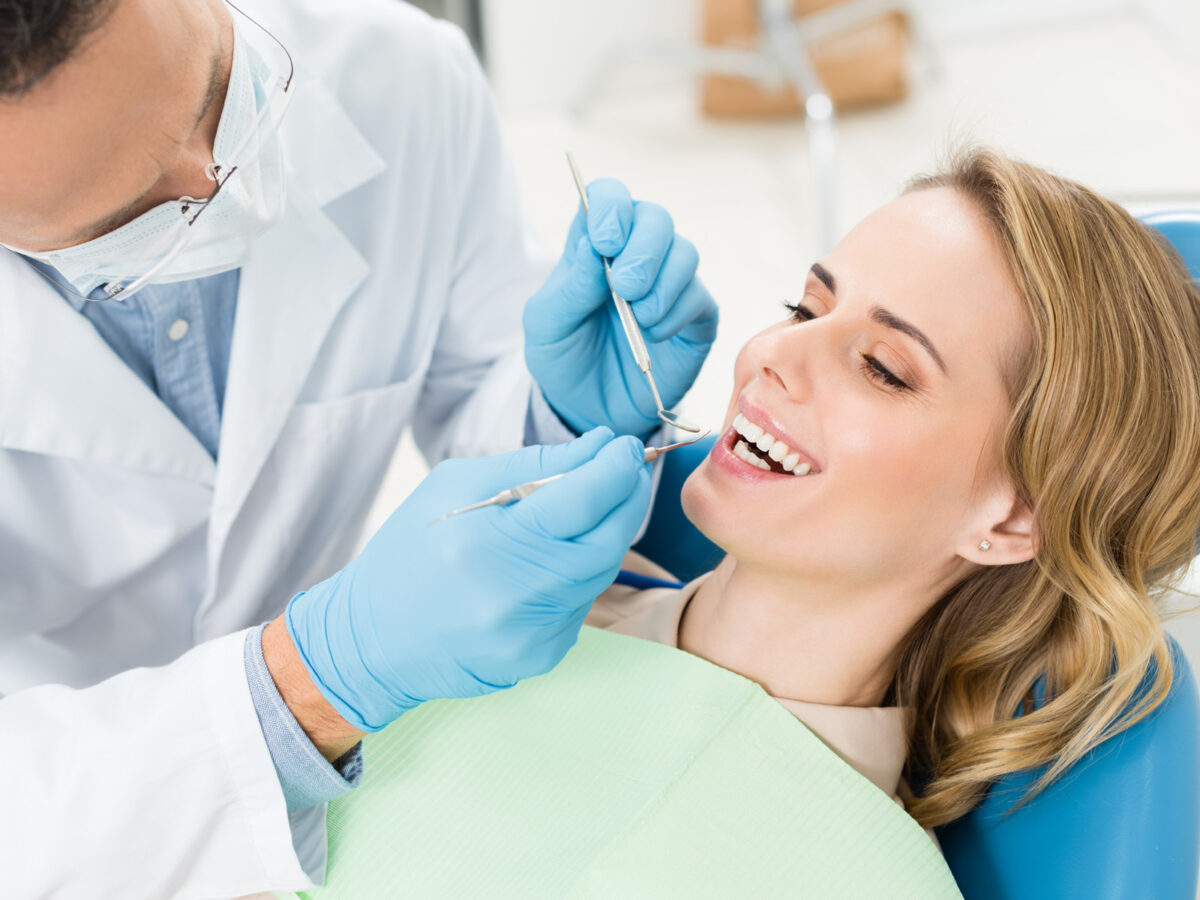
Categories
Dental care

Top Oral Health Issues Found in Older People

The older we get, the more susceptible we become to oral health issues like gum disease and tooth decay. Our immune system isn’t able to fight off infections and we may not find much time to visit to the dentist. If oral health issues are left untreated, they can result in serious complications.

Listed below are some of the most common dental problems for older people:

Oral Cancer
Oral Cancer is spotted the most in elderly people. According to American Cancer Society (ACS) more than half of all oral cancer patients are 65 years of age and older. So, the older you get, the more you are at risk and the more important it becomes for you to take care of your oral health.

Oral cancer is easily detectable by lesions found on your tongue. If a lesion or sore is found in your mouth, it is recommended to consult Elgin Dentist TX to have it checked out.

To reduce the risk associated with Oral Cancer, it is important to get regular oral cancer screenings. Oral cancer is treatable only if detected early.

Gum Disease
Gum disease is quite common in older people. It does not have any obvious symptoms. This is the reason people fail to realize until it reaches an advanced level. At the advanced stage, the disease causes the gums to pull away from the teeth, thereby resulting in tooth loss.

People who smoke, or are stressed are more susceptible to developing gum disease. If you notice that your gums are puffier than usual or bleed while brushing, you should see your dentist immediately. They will be able to determine the severity and recommend a treatment based on your needs.

Cavities
According to the research 9 out of 10 elderly people have cavities. Older people are at an increased risk of developing cavities because they take medications that result in dry mouth. When the mouth does not produce enough saliva, it fails to neutralize the acids inside mouth.

Additionally, older people with arthritis also suffer from cavities. Pain in fingers is generally reported while holding onto a toothbrush, thereby preventing them from brushing their teeth accordingly. Wrapping a washcloth along the toothbrush makes it easier to grip.

Tooth Discoloration
As people age, it’s common for their tooth enamel to wear away which leads to tooth discoloration. Tooth discoloration not only affects one’s confidence but also forms plaque and tooth decay. People should opt for professional teeth whitening treatment to brighten their smile.

To minimize the risk of these oral health problems, it is important to take good care of teeth and gums by visiting the dentist regularly.

Contact our dentist at Elgin to know about some of the other ways that can fix these issues in the long run.

Book Appointment to find out which treatment might be best for you.
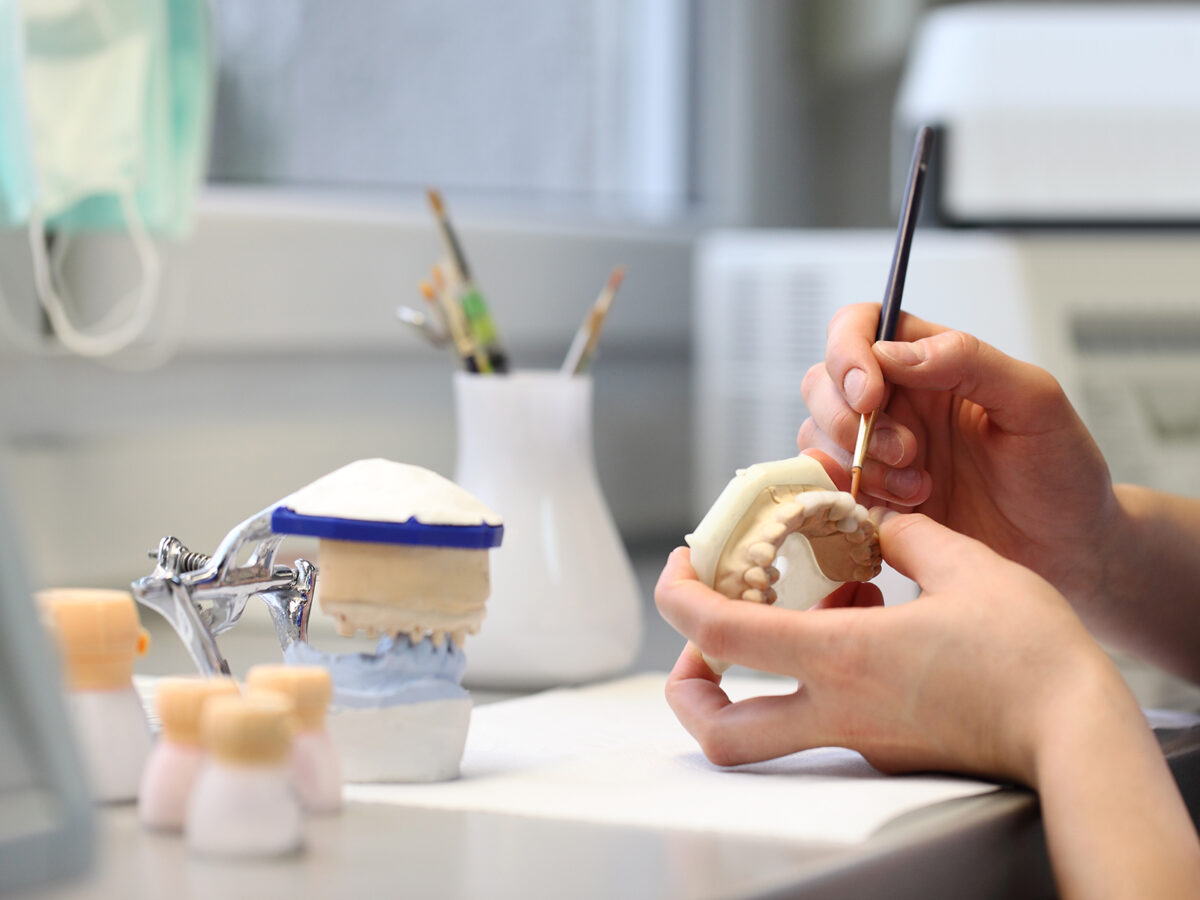
Categories
Dental care

Poor Oral Health Linked to 75% Increase of This Deadly Cancer

Source: https://www.theladders.com/career-advice/poor-oral-health-linked-to-75-increase-to-this-deadly-cancer

The latest study is preceded by research, albeit limited research, that has linked oral health and different kinds of cancer.

A massive new UK study uncovered an unsettling link between poor oral health and an increased risk for liver cancer.

“Poor oral health has been associated with the risk of several chronic diseases, such as heart disease, stroke, and diabetes,” commented Dr. Haydée WT Jordão, who is the lead author of the study. “However, there is inconsistent evidence on the association between poor oral health and specific types of gastrointestinal cancers, which is what our research aimed to examine.”

The new report pulls from brain imaging and genomic data from 475,766 people over a six-year study period. Analyzing self-reported cases of bleeding and painful gums, loose teeth and mouth ulcers, the researchers enacted an investigation of the correlation between these conditions and risks for gastrointestinal cancers, namely liver cancer, colon cancer, rectal cancer, and pancreatic cancer. The study found zero notable associations with dental hygiene in all but one of the gastrointestinal cancers observed in the report.

The pervasion of hepatobiliary cancer
More than 800,000 people are diagnosed with liver cancer a year worldwide, making it one of the leading causes of death. Direct causes of hepatobiliary cancers are seldom able to be determined resolutely. Typically its development is factored by several underlying causes.

The latest study is preceded by research, albeit limited research, that has linked oral health and different kinds of cancer. A U.S study published back in 2017 found that women with a history of gum disease experienced a greater risk for tumors in the esophagus and in their breasts. Another independently conducted study observed a link between oral health and the development of pancreatic cancer in African American women.

Young people, women, individuals living in impoverished areas, and people that consumed less than two portions of fruits and vegetables a day evidenced the highest cases of poor oral health in the latest study conducted by researchers at Queen’s University Belfast. Although a high-risk increase was uncovered as a result of poor oral health, the researchers can only speculate as to why at the moment. Leading conjecture looks to the ever-perplexing gut microbiome. Since the liver is responsible for exterminating several harmful bacteria in the human body, it makes sense that bacteria could conversely play a role in inflicting prolonged damage to the body, in the event of the organ becoming compromised.

“One bacteria, Fusobacterium nucleatum, originates in the oral cavity but its role in liver cancer is unclear. Further studies investigating the microbiome and liver cancer are therefore warranted,”Jordão explained.

Another theory surmises that people with missing teeth, consume softer less nutritious foods to compensate, which ultimately makes the liver venerable to cell mutations. As it stands, of the 469, 628 participants studied, 4,069 developed gastrointestinal cancer during the six-year follow up, Thirteen percent of these expressed poor oral health at the start of the study period. More research needs to be conducted to support a causal influence behind the findings intimated in the United European Gastroenterology Journal

Book Appointment to find out which treatment might be best for you.
Categories
Dental care

Why You Should Visit a Pediatrician?

A pediatrician has a very important role in taking care of your child’s oral health needs. Research shows that children who visit the same pediatrician have better health in the long run. Selecting the right pediatrician for your little one is an important decision. The first years of life are very crucial for the overall foundation of healthy permanent teeth. Several studies conducted in the past have shown that factors like poor diet, wrong habits of food intake and inappropriate tooth brushing habits have a major role in tooth decay. This is the reason it is important to have a proper oral hygiene routine followed in the earlier stages of life to develop strong and healthy teeth.

If you have a pediatric dentist taking care of your child’s oral health routine, you will be benefited with the following:

As discussed above, preventive care starts with the first tooth. Dental visits in the earlier stages of life improve the chances of preventing dental disease and helping your child with cavity-free teeth. An early start means less expense for your child later on. An experienced pediatrician gives all the support your child needs to develop good oral hygiene habits that will last a lifetime.

Our pediatrician takes extra care time with your children to ensure that they are in a secure environment. We offer a comprehensive range of restoration services in a kid-friendly environment. The services covered under the same are fillings, crown and other dental issues like an abscessed teeth.

Plaque build up can happen even if you brush and floss your child’s teeth regularly. The bacteria in plaque create an acid attack that infects your child’s tooth enamel. When enamel gets decayed, your child gets a cavity. Dental cleanings every 6 months help to wipe off the bacteria. Our pediatricians use professional tools to remove plaque build-up and prevent it from getting worse.

By taking regular appointments with a pediatrician, you will be able to identify potential issues and provide early detection.

It’s never too early to start visiting the dentist. Once you start child routine dental care, you won’t be developing problems and also be instilling good oral hygiene habits in your children. Child dental care doesn’t have to be complicated. To help your children be well-versed with great oral hygiene habits, it is important to see your child to a pediatrician.

Book Appointment to find out which treatment might be best for you.

Categories
Dental care

Oral Cancer Screening: A Quick Insight

While prioritizing physical and mental well being, people often forget to pay attention to their oral or dental health. There are many who think dental work is more of cosmetic, however, it is important to understand the real mouth-body connection for overall well being. Oral health is the door into your overall health. Neglecting your mouth’s health can be fatal and this is something, right from dentists to patients needs to know right now.

Oral Cancer Awareness month has just passed and it is expected that more than 50,000 people will be diagnosed with oral cancer this year, seniors being more at risk.

What Is Oral Cancer
Oral cancer is the cancer occurring in the oral cavity, be it floor area of the mouth, cheeks, teeth, gum or lips. The other affected areas are middle region of throat and back of the mouth.

Signs of Oral Cancer
If you are experiencing any of the following symptoms, consult our dentist for screening now:

  1. Soreness
  2. Difficulty in jaw movement
  3. Numbness
  4. Trouble in swallowing
  5. A thick patch of skin
  6. Irritation

Senior citizens who are diagnosed with oral cancer are aged 55 and above.

There are factors like irritation from poorly fitted dentures, consistent use of tobacco and smoke and family history that multiplies the risk. However, patients can greatly reduce the risk by early detection. Also, control over lifestyle habits and regular visit to the dentist would solve the purpose.

How Is Oral Cancer Screening Done
Oral cancer screening does not require special preparation and is performed during a regular dental appointment. During the screening session, our dentist will look inside your mouth to hunt for sores or red patches of tissue.

They will touch and inspect the lymph nodes in neck and jaw, around ears, salivary glands. They will also look for signs of swelling if any.

Examination of tonsil is yet another step. Our dentist uses a dental mirror to look for redness, enlargement or unusual bumps.

Book Appointment to find out which treatment might be best for you.
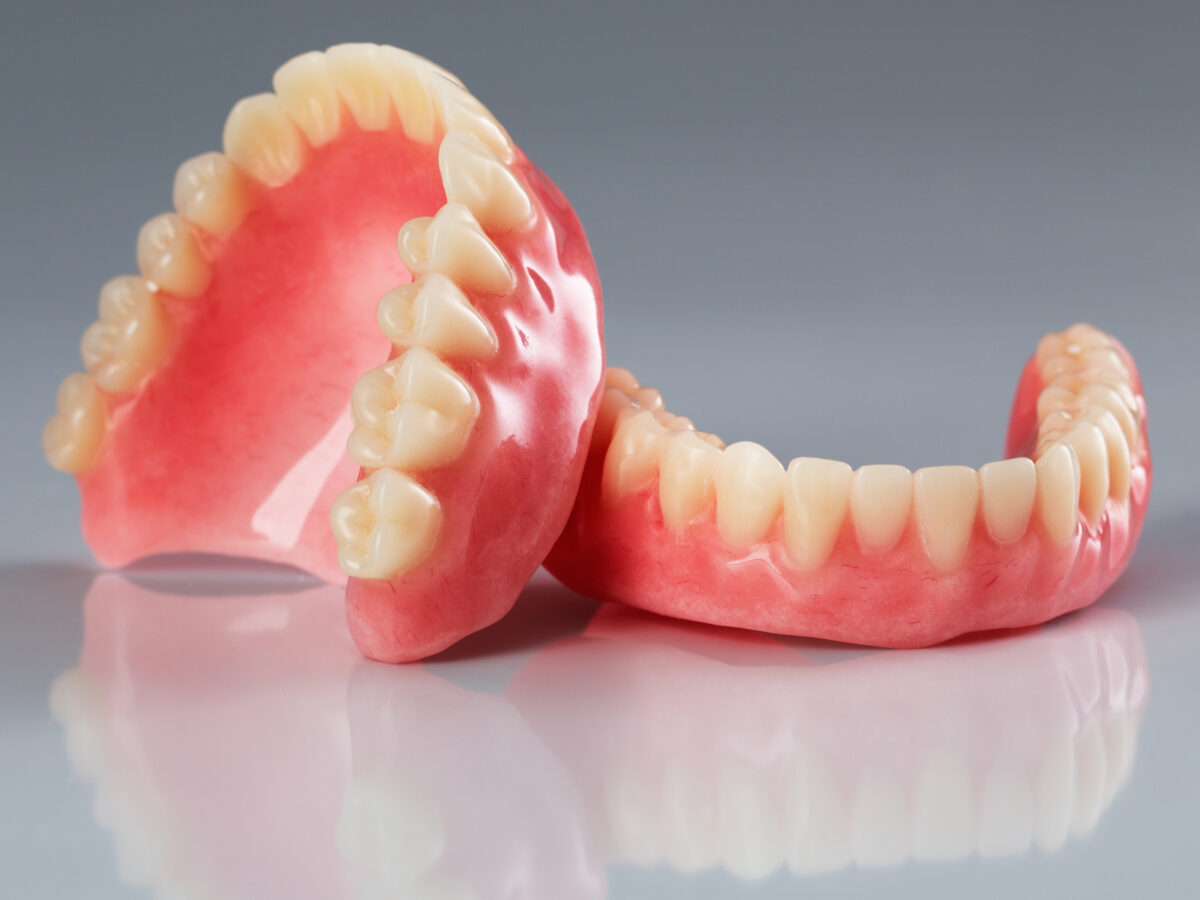
Categories
Dental care

Oral Health and Rheumatoid Arthritis

The Mouth Joint Connection

Tooth loss, technically known as periodontal disease (PD), not only refrains you from enjoying your favorite food but also shares a strong relationship with Rheumatoid Arthritis (RA). Yes, you have heard it right! Patients suffering from RA are likely to have an increased risk of gum disease. Both the disease are linked to severe inflammation and that is your body’s immune response to prevent bacteria and virus. Owing to its association with strong inflammation, periodontitis increases the risk for diseases like diabetes, obesity, cardiovascular disease and Rheumatoid Arthritis. Both RA and periodontitis also appear to share a genetic link.

RA is an enervating condition that causes joints to become inflamed, thereby leading to pain, stiffness and swelling. The findings held Porphyromonas gingivalis (P. gingivalis) responsible for gum disease. P.gingivalis is one of the major protein causing periodontal disease. Studies by the Journal of Periodontology show that patients with rheumatoid arthritis are eight times more likely to have periodontal disease as compared to people without RA.

The Inflammation Link
As discussed above, both RA and periodontal disease have inflammation in common. Inflammation is a protective immune system to virus and bacteria. However, with an autoimmune disease like rheumatoid arthritis, the immune system triggers inflammation even when there are no bacteria and virus. It is therefore understood that inflammation is a common figure between RA and gum disease.

Immune system and chronic inflammation play an important role in rheumatoid arthritis and gum disease.

According to John Hopkins study (2016), bacteria responsible for chronic gum infection triggers the development of citrullinated proteins. These proteins develop auto antibodies which have a major role towards RA.

Oral Complications Caused Due to RA

  • Swelling gums is the first indication. Other symptoms can also contribute to dental problems. Patients suffering from RA in jaw joints may find it difficult to open their mouth properly. Similarly, having pain in the hands, elbows and shoulder can make brushing difficult. If your body starts taking control of your ability to take care of your oral health, you will see cavities building up and inflammation in the gums.
  • Treating RA with medication improves joint functioning and also makes it easier to take care of your teeth. Medicine that reduce inflammation may be advantageous for your mouth as well.
  • Patients with RA experience dry mouth as a side effect. This is a condition characterized by dry eyes and mouth that occurs with RA. Saliva helps in fighting bacteria against the mouth. Without enough saliva, you will get more cavities and gum disease.

Treating Gum Disease Helps RA
The treatment of gum disease is the only cure that helps get rid of RA and neutralizes its impact on the overall health. Patients who get periodontal disease treated professionally can have significantly less pain, stiffness and less painful joints.

Rheumatoid Arthritis can be disastrous, however, taking care of your oral health can possibly reduce the impact of disease. A research done by Case Western University School of Dental Medicine revealed that patients who received non surgical treatment for gum disease reported significant improvement in RA. There is yet a lot of research to be done for identifying whether treating gum disease helps with RA. Therefore, it is important for patients suffering from RA and their physicians to work in collaboration with dentists and get rid of periodontal disease.

Book Appointment to find out which treatment might be best for you.
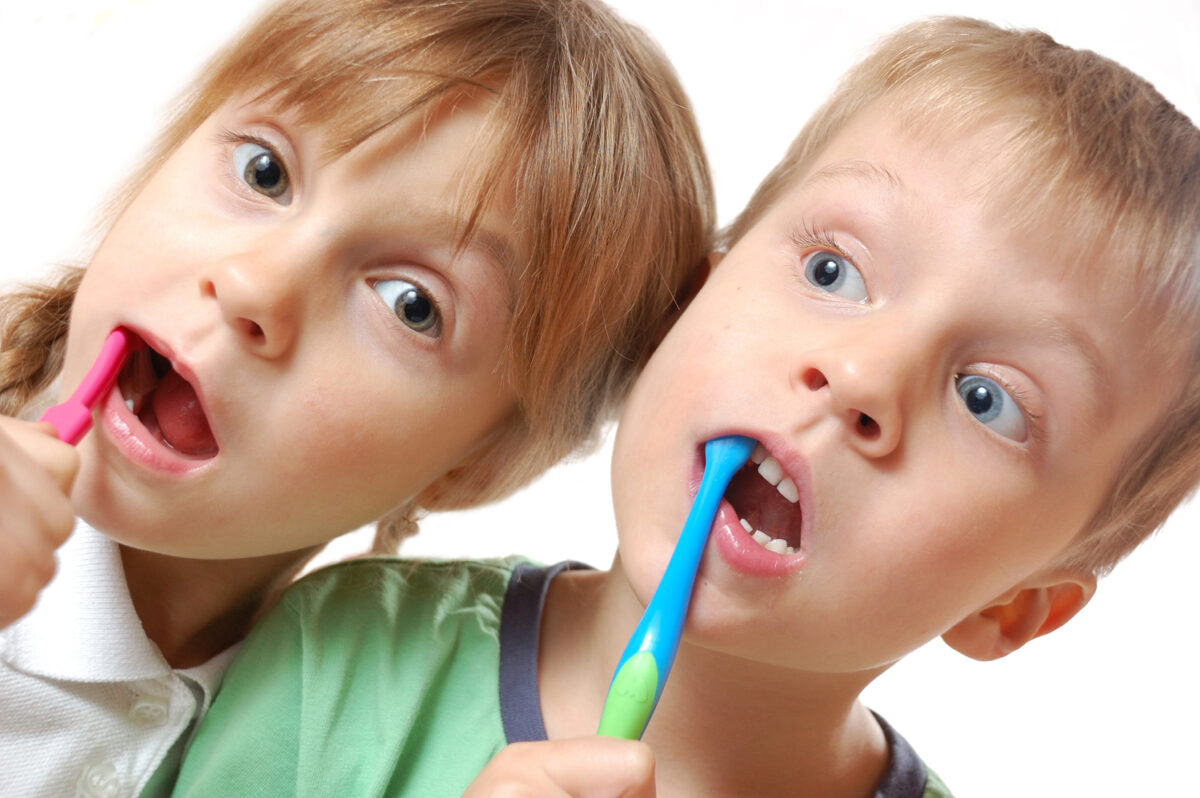
Categories
Dental care

What Are the Side Effects of Tooth Sensitivity

One of the most common causes of toothache, tooth sensitivity refers to the discomfort associated with toothache in one or more teeth. Tooth sensitivity affects the exposed root surfaces. It occurs when the enamel gets thinner.

Patients suffering from tooth sensitivity should avoid consuming hot and cold food items. If you are suffering from tooth pain, you might find difficulty in biting, chewing and even sleeping at night. The source of tooth pain can be decay, injury or an infection in the tooth.

Our dentist will do an oral examination to identify the real cause. Below are a few things you need to be aware of:

Diet: Eating hard or acidic food can harm your teeth. Other contributors to tooth sensitivity you must be aware of are juice, citrus fruit, sports drinks and so on.

Brushing Harsh: This is an abrasive technique that leads to tooth sensitivity. Using a hard bristled toothbrush aggressively contributes to teeth sensitivity.

Tooth Decay: A small cavity in tooth eats away the enamel. In this case, a crown or filling could be of great help.

Sinus Infection: Sinus infection hurts your teeth because of the inflammation of sinus swelling. A sinus infection can be suspected in your teeth.

Cool Temperature: Cold air over the teeth triggers a sensitive cramp. Our dentist will be testing the sensitivity by blowing air on your teeth.

Stress: Stress is another cause of tooth damage. If you consistently grind your teeth due to stress, you might be a victim of tooth damage. Also known as bruxism, teeth grinding generally happens when you are asleep. Right from tooth damage to headache and other hearing disorder may occur as a result of teeth grinding.

Treating Sensitive Teeth
Sensitivity in teeth can be really dull. Having sensitive teeth prevents you from enjoying your favorite ice cream or using your favorite whitening toothpaste. However, there are better ways to desensitize your teeth.

There are a large number of over the counter medications and toothpaste available that can help with sensitivity when used regularly. Our dentists recommend the use of fluoride gel to help fight sensitivity.

Sensitivity in teeth is a big inconvenience. However, being candid with your dentist about any side effect can help your provider evaluate the situation. So, whether you are suffering from tooth sensitivity, decay or infection, it must be addressed properly by your dentist.

Schedule your appointment today. We look forward to helping you with restorative care in case of sudden tooth sensitivity.

Book Appointment to find out which treatment might be best for you.
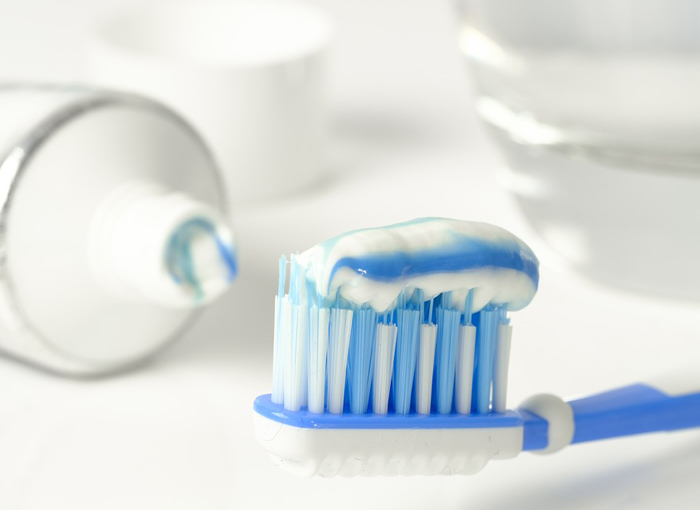
Categories
Dental care

What is oral cancer and why you need to screen?

Cancer is a fatal disease, it promotes uncontrollable growth of cells that invade and cause damage to surrounding tissue. Oral cancer is a cancer that gets formed in the mouth and appears as a suspicious growth of tissue or sore that does not wane away but gets enlarged with time.

Certain factors that may cause oral cancer are:

  • Tobacco used in any form, be it cigarettes, cigars, pipes or chewing it
  • Heavy alcohol abuse
  • Previous oral cancer diagnosis
  • Significant exposure to sun, which increases the risk of lip cancer

Why its screening is important?
Oral cancer screening can be explained as a visual and physical exam of the oral cavity and its connected tissues. It can reassure a patient that there are no apparent lesions or other problems that give signs of cancer.

Cancer or for that matter any deadly disease can be invoked in our body without being summoned from our side. Many times it is seen that such diseases are diagnosed when we least expect them. Thus, regular screening of the mouth enables the doctor or a dentist in case of oral cancer to look for signs of cancer or precancerous conditions.

Early detection is half the battle won. It is often seen that cancer in any part of the body is detected way too late for any effective treatment to be availed. The possibility or chances of cure wanes out with the advancement of the stage of cancer. Thus, chronology of detection is of pristine importance here.

Most dentists examine your mouth as a matter of precaution during your routine dental visits to screen out possibilities of oral cancer. Some dentists may perform additional tests to locate areas of abnormal cell growth in your mouth.

Medical organizations are divided on their opinion on whether healthy people without inherent risk factors for mouth cancer require oral cancer screening. As a matter of fact, oral exams or oral cancer screening tests have not proven to have reduced the number of cases where people die of oral cancer.

Oral screening have some limitations though, such as:

  • Oral cancer screening often lead to additional tests. Many people who report sores in their mouths, are often found to have non-cancerous sores. An oral exam is unable determine completely which sores are cancerous and which are not.
  • If your dentist finds an unusual sore, he may advise you to go through further testing to determine its cause. Biopsy is the only way to definitively determine whether you are suffering from oral cancer or not. Under biopsy some tissue from the lesion is removed and studied under the microscope to determine whether it contains cancerous cells.
  • It is not easy to detect areas of abnormal cells just by looking at your mouth, so it’s possible that a small cancer or a precancerous lesion may go undetected.
  • Oral cancer screening hasn’t proved to be a potent measure to save lives. No evidence supports that routine oral examinations for detection of signs of oral cancer have reduced the number of deaths caused by oral cancer. However, screening for oral cancer may detect early cancers — when cure is more likely.

How is such screening done?

  1. Visual Exam: The face, neck, lips, inside of the nose and oral cavity are all examined for oral cancer. Before the screening, the patient is asked to take out all removable dental appliances like dentures so that every place inside the mouth is properly exposed for the doctor’s ease.As per the guidelines of Oral Cancer Foundation (OCF), a doctor or dentist looks for swellings, asymmetries, bumps, ulcerations, patches of color or other abnormalities. To have a sneak peak inside the nose and mouth, the doctor or dentist uses a light torch and mirror to see things clearly. A tongue depressor is used to hold down the tongue and examine at the back of the mouth. The patient may be asked to open his/her mouth as wide as possible so that areas in the throat that are otherwise difficult to see are properly examinable. These days a dentist can even float a nano-camera attached to a string down your throat to get pictures of the insides for better clarity of the case.
  2. Physical Exam: The visual exam is complemented by a physical exam wherein, the dentist also touches the inside of the oral cavity like cheeks, places around the jaw, under the chin etc for unusual growth formations or lesions. An important sign of a potential threat is immobility in otherwise mobile tissue, and the patient is asked whether physical contact at such places causes any pain or discomfort. Oral cancer is generally painful, but a painless swelling can still indicate a sign of problems elsewhere. As per the OCF, the patient might also be asked to swallow while the throat is under examination.
  3. Additional tests for oral cancer screening: Some dentists use special tests in addition to the visual and physical exams to screen for oral cancer. It’s not clear if these tests offer any additional benefit over the conventional exams though.

Special oral cancer screening tests may involve:

  • Rinsing the oral cavity with a special blue dye before an exam. Abnormal cells in the mouth may absorb the dye and appear blue.
  • Throwing light in your mouth which makes healthy tissue appear dark and abnormal tissue will appear white.

Book Appointment to find out which treatment might be best for you.

Categories
Dental care

Top 5 things to know about dentures

Dentures are prosthetic devices constructed to replace missing teeth.

Whether you are considering getting dentures, already have them, or know someone with them, it’s very likely that you may have some questions about them. What follows is information on what dentures really are, what kind of care they require, and how dentures can improve your oral health. We hope to help you find the answers to all your denture queries and to find out, if necessary, whether dentures might be right for you.

What are dentures?
Dentures are artificial teeth and gums that are formed to your mouth and created by your dentists to replace lost or removed natural teeth. Dentures can either be full or partial, meaning they can either replace all teeth on either the top or bottom gum line, or just a few that are missing. Regardless of what kind of dentures you may need, they will be custom designed to fit your mouth, and visually matched to your existing teeth.

What are they made out of?
In the past, the artificial teeth that make up dentures were made out of porcelain or plastic, but more modern dentures are generally made out of a hard resin. The materials used to make denture teeth are known to be more fragile than natural teeth and can easily chip or crack if dropped or otherwise uncared for. This material also wears down much quicker than natural teeth and thus must be replaced with a new set of dentures every five years or so.

The supporting structure of dentures that holds the artificial teeth in place and resembles the natural gum line is often made out of a similar resin used for the teeth, or a more flexible polymer material that fits snugly on the natural gum line.

Why wear dentures?
Dentures not only improve the appearance of a smile that has multiple missing teeth, but they also keep the structure of the mouth sound by supporting the structures around the cheeks and lips. Dentures also make it possible to eat foods that require chewing, making it possible to keep your diet the same and ensure that you are properly nourished. Lastly, dentures are a viable solution to replace teeth that are causing serious pain and oral health issues, such as those with rotted roots or severe damage. Having dentures fitted means that troublesome teeth are eliminated and replaced with a strong and beautiful alternative.

Partial dentures
Partial dentures are often used instead of other tooth replacement methods when the surrounding natural teeth are not strong enough to support structures such as dental bridges, or when more than one or two teeth are missing.

Classic partial dentures
The partial dentures are fitted to the part of the gum line that they will sit on, and fasten to nearby natural teeth to keep from falling out of place. They are not permanently fastened, however, and can be easily taken out at any time for cleaning and while sleeping.

Full dentures
Full dentures, otherwise known as complete dentures, are dentures that replace all of your natural teeth. You can have them fitted for your top or bottom gum line, and are held in place by suction and/or the help of an oral adhesive. Just like partial dentures, they are easily removable

Immediate dentures and overdentures
There are some other kinds of full and partial dentures that differ from traditional permanent dentures including a type called immediate dentures. These dentures are created before the teeth that are being replaced with dentures have been removed and are used immediately after tooth extraction and during the healing process, which can be up to six months long. These dentures can be more easily refitted than permanent dentures to accommodate for mouth changes as the swelling in the gums and jaw subsides while healing. The immediate dentures will be disposed of once the healing process is complete and your mouth is ready for permanent dentures.

Overdentures are an alternative that can be used if traditional dentures prove to be extremely uncomfortable or if you have a few natural teeth left. Overdentures are fitted over the roots of natural teeth and either rest on these or on dental implants, if there are no natural teeth to fit over. Some find this type of denture more comfortable and they are also easily removable.

Implant-supported dentures
As the name seems to imply, these are dentures which are anchored by dental implants. A dental implant is a permanent fixture that is anchored to the jawbone and can be used to replace any number of teeth. They’re comprised of the implant itself, a metal post (usually titanium), and a custom crown which looks just like a natural tooth.

Implant-supported dentures have a couple of different ways in which they can attach, but should be cared for and treated like traditional dentures. It’s more common to have them done on the lower jaw since the upper has fewer problems with fitting securely, but plenty of people have implants on both.

How to clean dentures
Regardless of what kind of dentures you may have, all dentures need to be cleaned daily, just like regular teeth. Even though dentures are made up of artificial teeth, bacteria, plaque, and tartar still build up on them and can harm existing teeth and gums.

To clean your dentures, take them out of your mouth and run clean water over them to dislodge any food particles that may be stuck between teeth, along the gum line, or underneath the structure. Then brush the dentures all over with a denture brush or very soft toothbrush using a mild soap or denture cleaner. Be sure not to use any other cleaners, regular toothpaste, or electric toothbrushes as these are all too abrasive and can damage and wear away the denture materials. After cleaning, make sure to rinse them well.

While your dentures are out of your mouth, be sure to clean your gums and any natural teeth with a very soft and wet toothbrush and fluoridated toothpaste if needed. If your toothbrush is too harsh, wrap your finger in a wet, soft washcloth and gently rub your gums, making sure to cover all surfaces.

Preserving your dentures
Always remove your dentures before sleeping to avoid damaging them, dislodging them, and to give your gums some time to relax. Submerge your dentures fully in warm, but not hot, water to keep them from drying out and becoming misshapen. Only use denture soaking solution if your dentures do not have metal components as the solution can tarnish the metal.

Book Appointment to find out which treatment might be best for you.